Verified Suppliers

Products from Our Verified Suppliers

Connecting global trade partners with a trusted pool of active suppliers. Below are the palm oil products and derivatives produced by our verified refineries and factories. Click on any product below to see detailed specifications, grade standards, and submit your sourcing inquiry directly to our trading desk.

The two base oils

(3 products)

Nearly every palm-derived product traces back to two oils pressed from the same fruit: palm oil from the fibrous outer mesocarp, and palm kernel oil from the hard seed inside it. Though they share an origin, they are chemically distinct feedstocks — one palmitic-rich, one lauric — serving very different downstream markets.

Refined palm oil products (from CPO)

(5 products)

Once crude palm oil (CPO) is refined and fractionated, it separates into a family of standardised, internationally traded products. This category covers the refined base oil, its liquid and solid fractions, a speciality mid-fraction, and the fatty-acid distillate recovered during refining.

Palm kernel oil products (from PKO)

(6 products)

Palm kernel oil (PKO) is pressed and solvent-extracted from the kernel (seed) of the oil palm fruit, and is distinct from palm oil pressed from the surrounding mesocarp. Rich in lauric acid (C12) and myristic acid (C14), PKO is fractionated, hydrogenated, and split into a family of lauric fats, fatty acids, and co-products serving confectionery, oleochemical, detergent, and animal-feed markets.

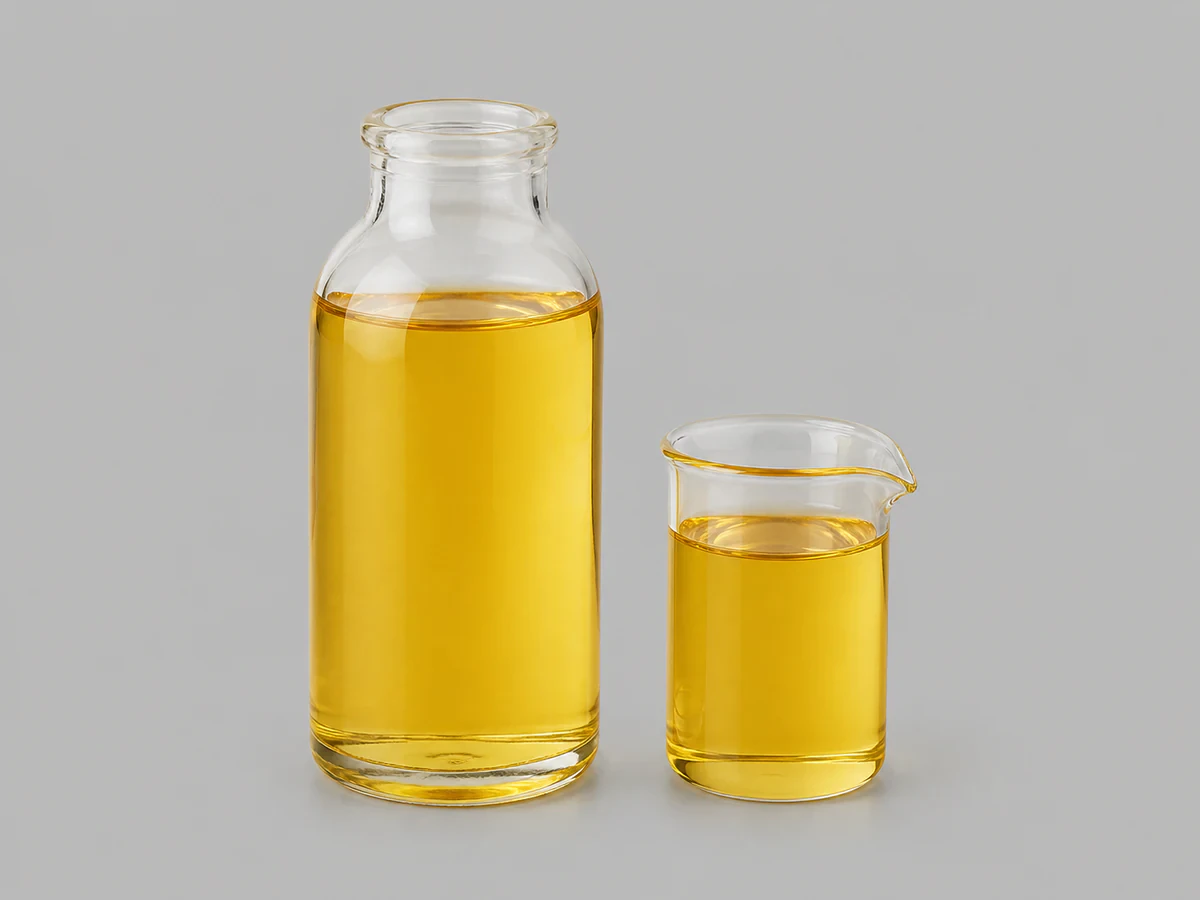
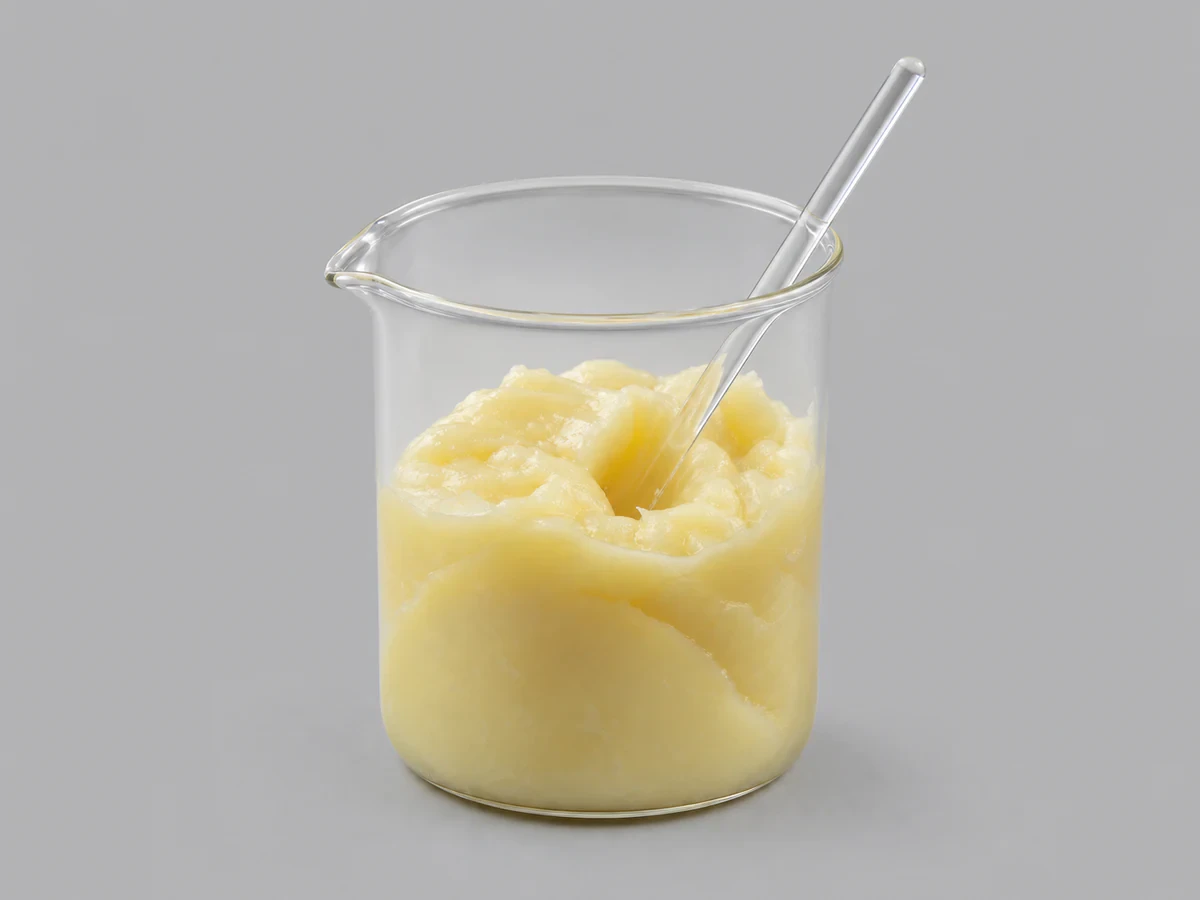
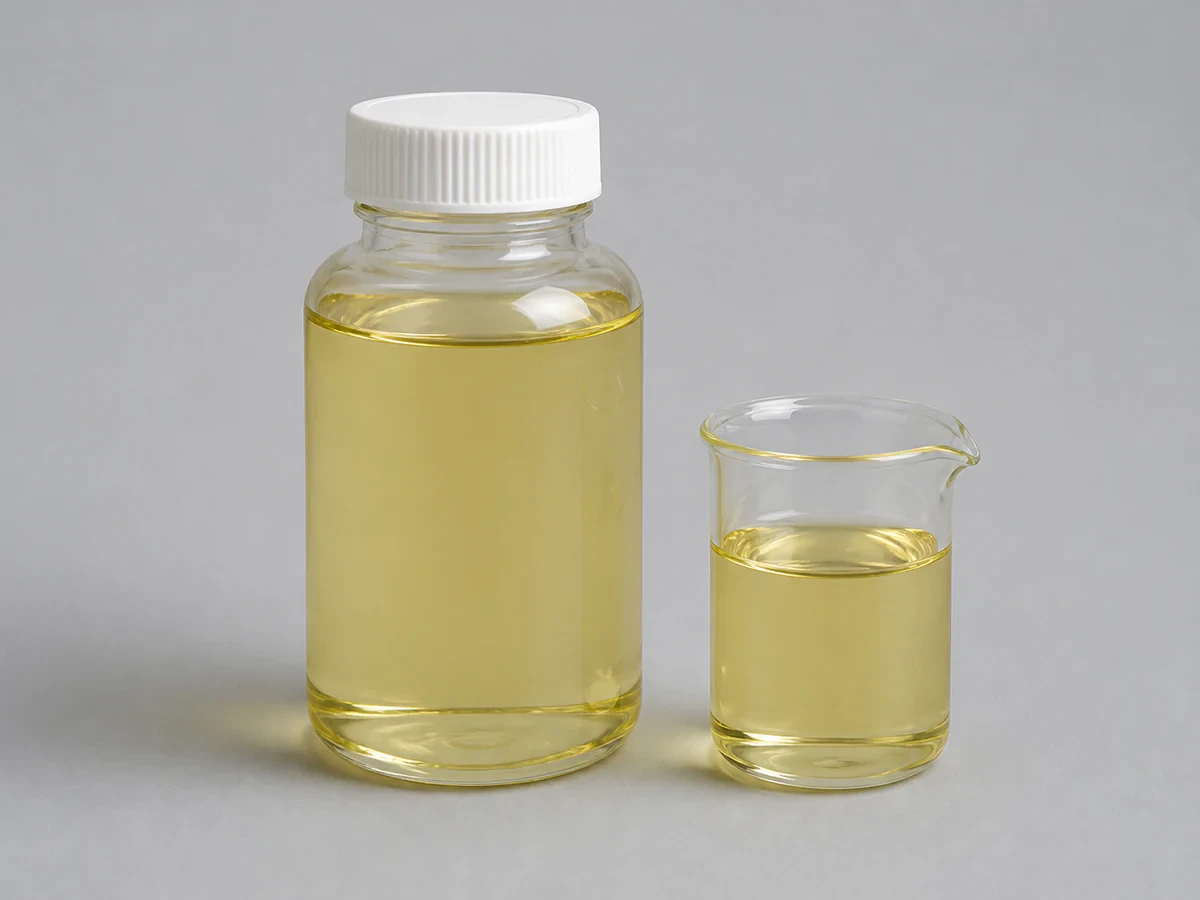
Pale yellow soft palm kernel olein fraction in a laboratory beaker

Palm Kernel Olein

The lower-melting liquid fraction obtained when palm kernel oil is fractionated by controlled crystallisation and filtration. It concentrates the lower-melting glycerides (more unsaturated oleic and shorter C8–C10 chains), giving a softer product than whole PKO.

Know more
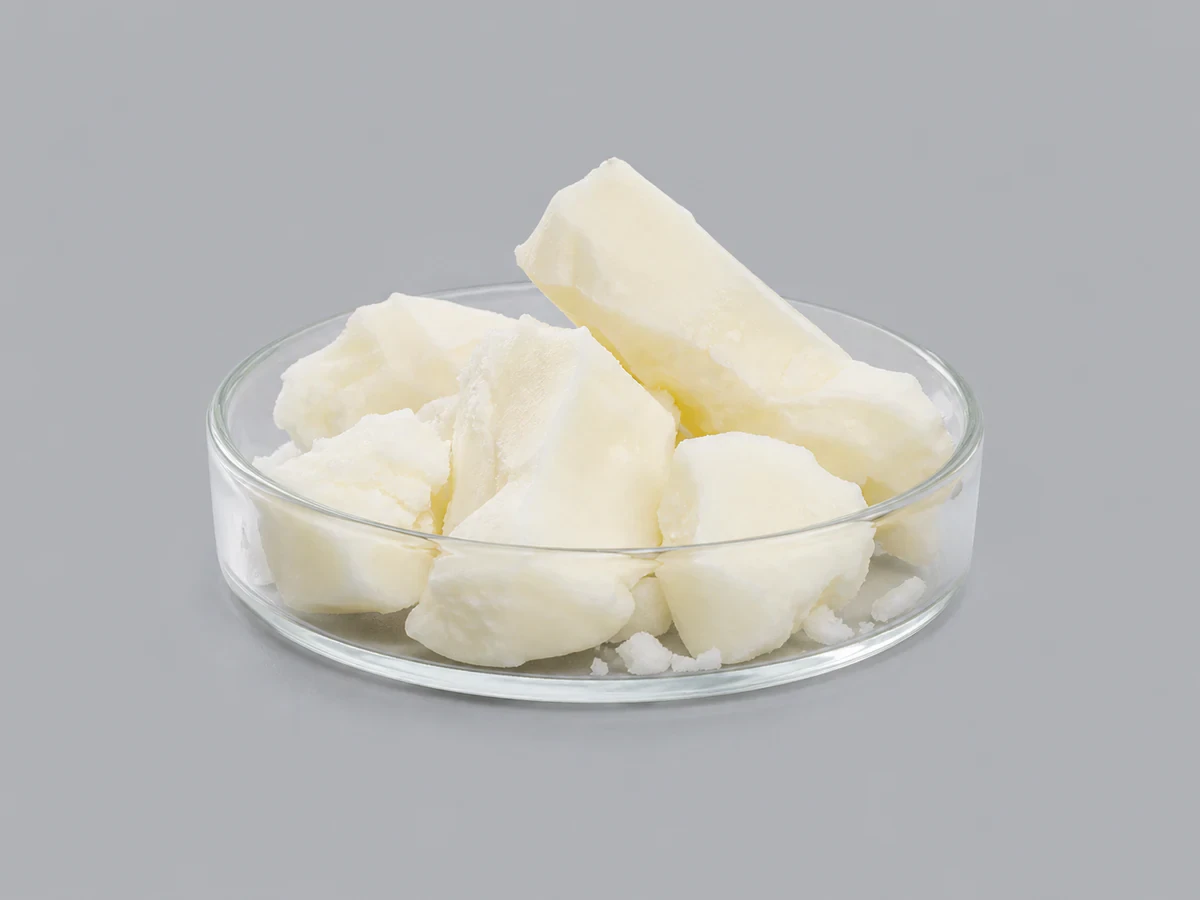
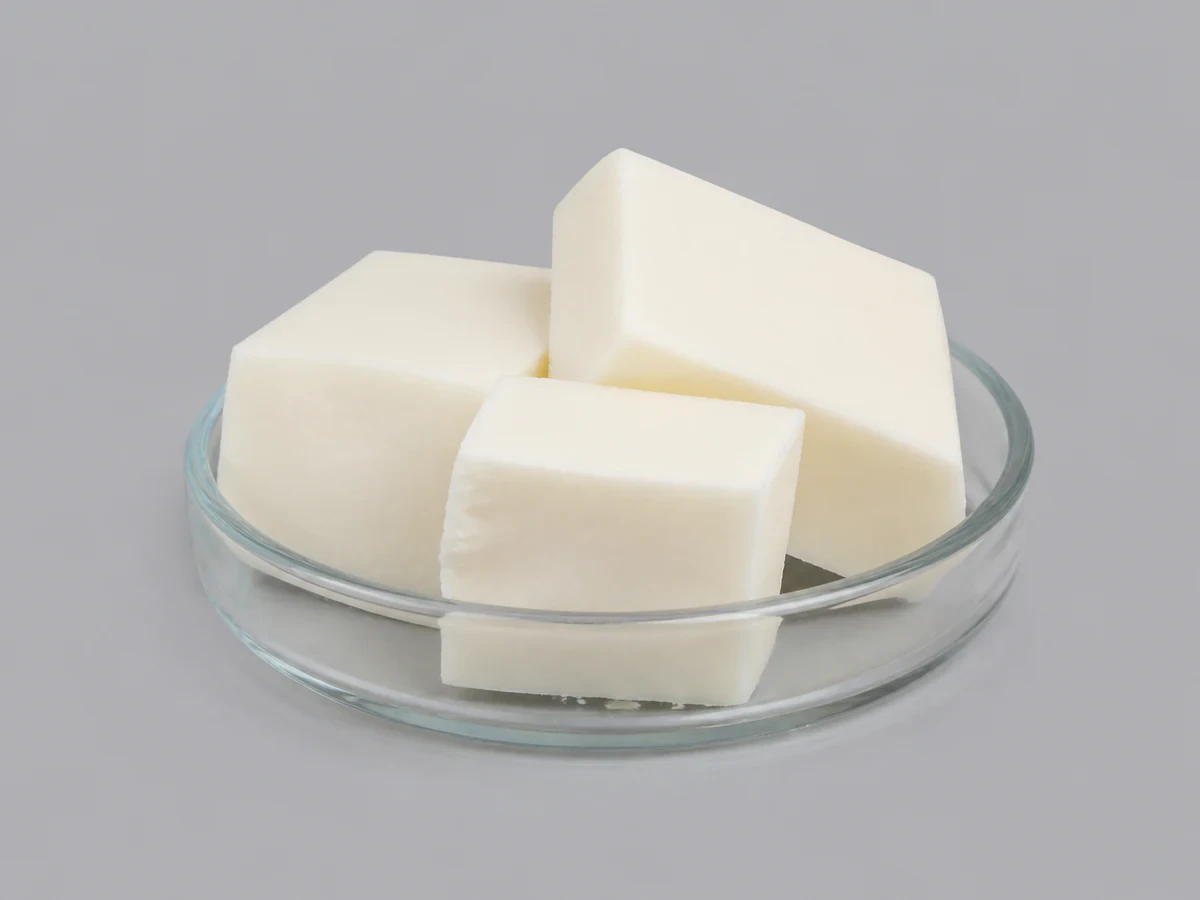
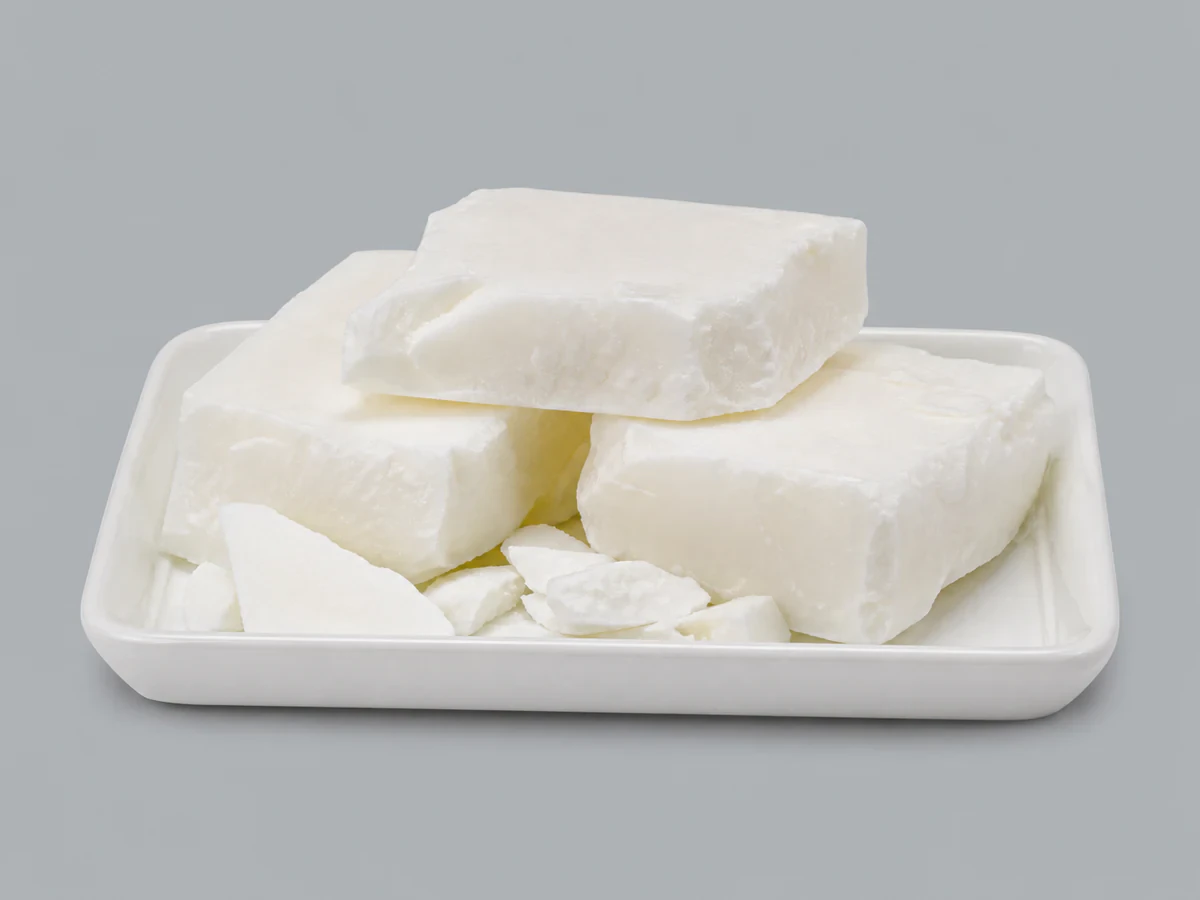
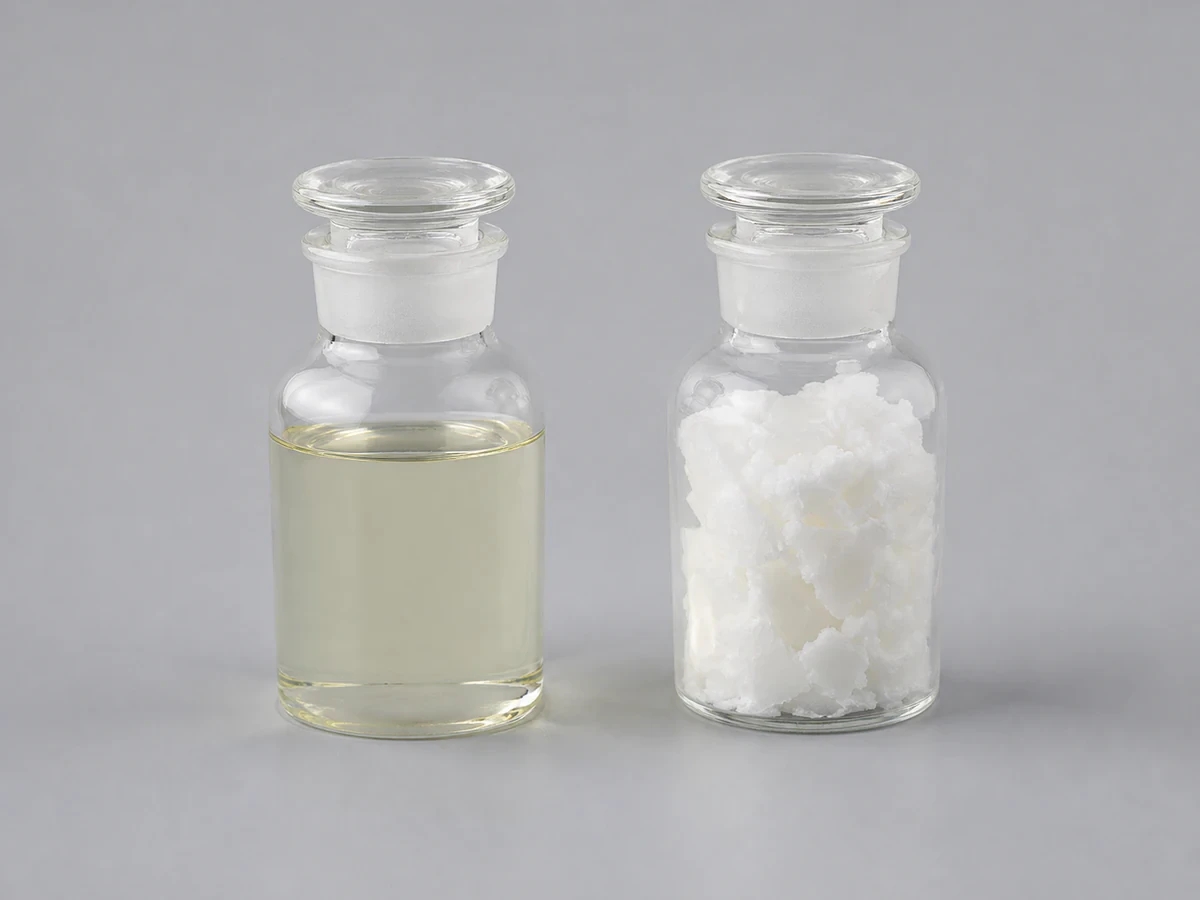
White solid palm kernel stearin blocks used as confectionery fat

Palm Kernel Stearin

The higher-melting solid fraction from palm kernel oil fractionation, richer in saturated lauric and myristic glycerides. Whether left fractionated or further hydrogenated, it is a common base for lauric-type cocoa butter substitutes (CBS) used in compound coatings.

Know more
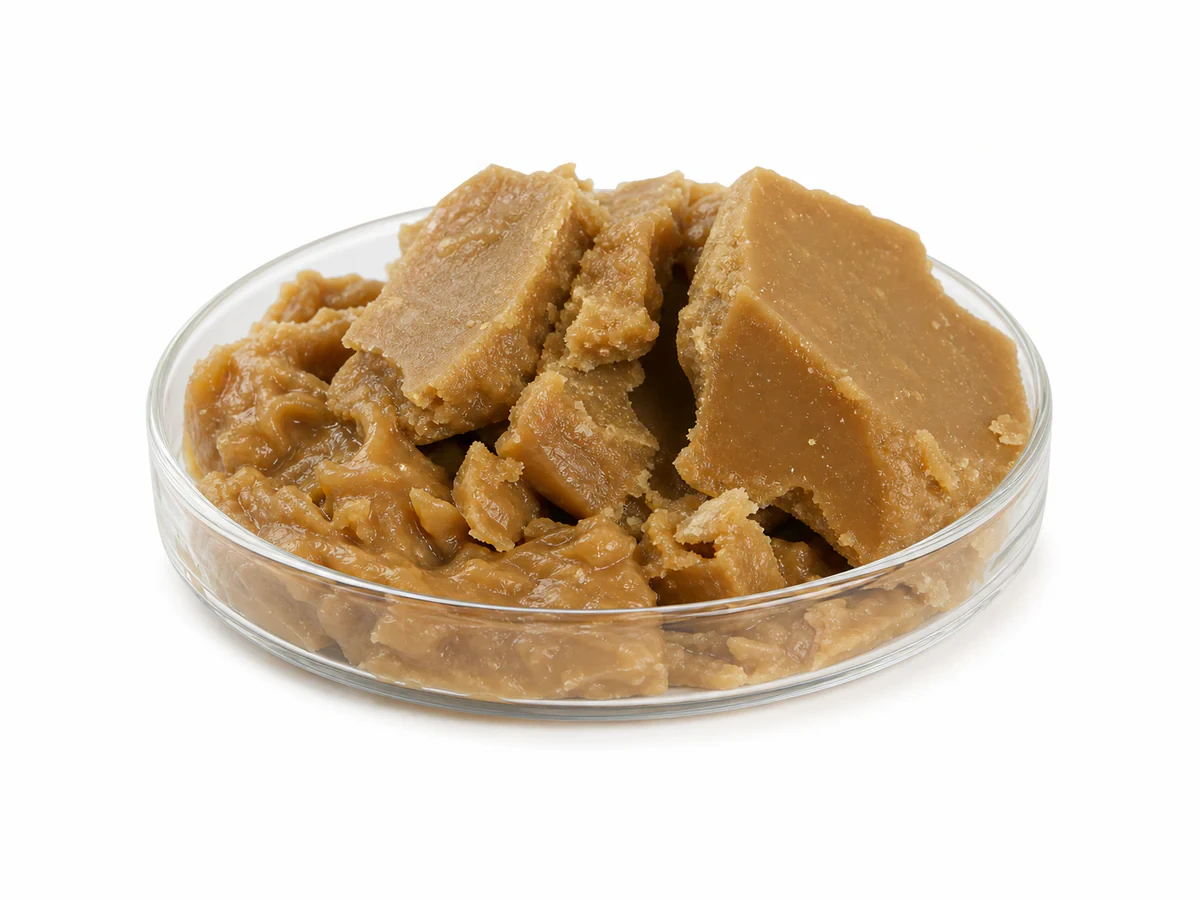
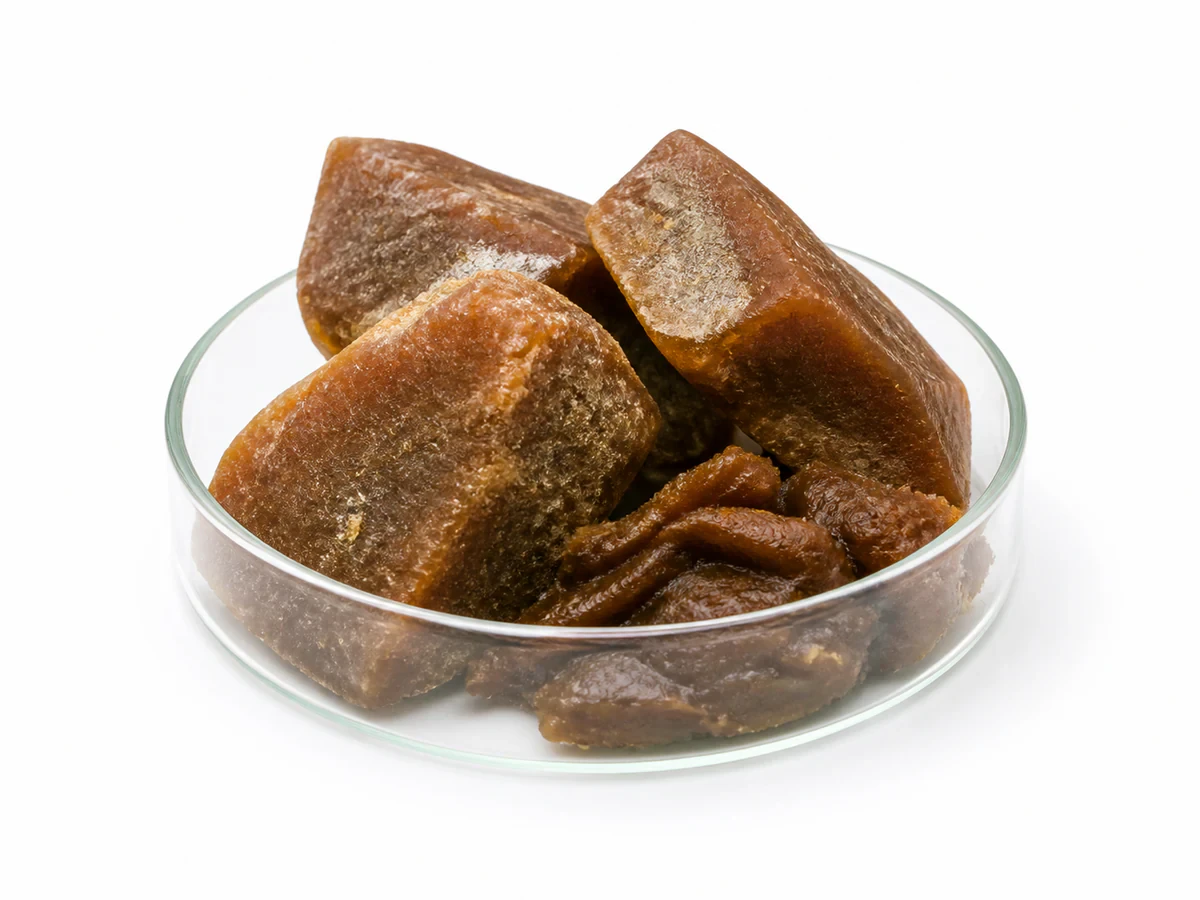
Brown waxy palm kernel fatty acid distillate PKFAD sample

Palm Kernel Fatty Acid Distillate

A by-product recovered during the physical refining (deodorisation) of palm kernel oil, consisting mainly of free fatty acids together with some neutral oil and minor components. It is the lauric-chain analogue of palm oil's PFAD.

Know more
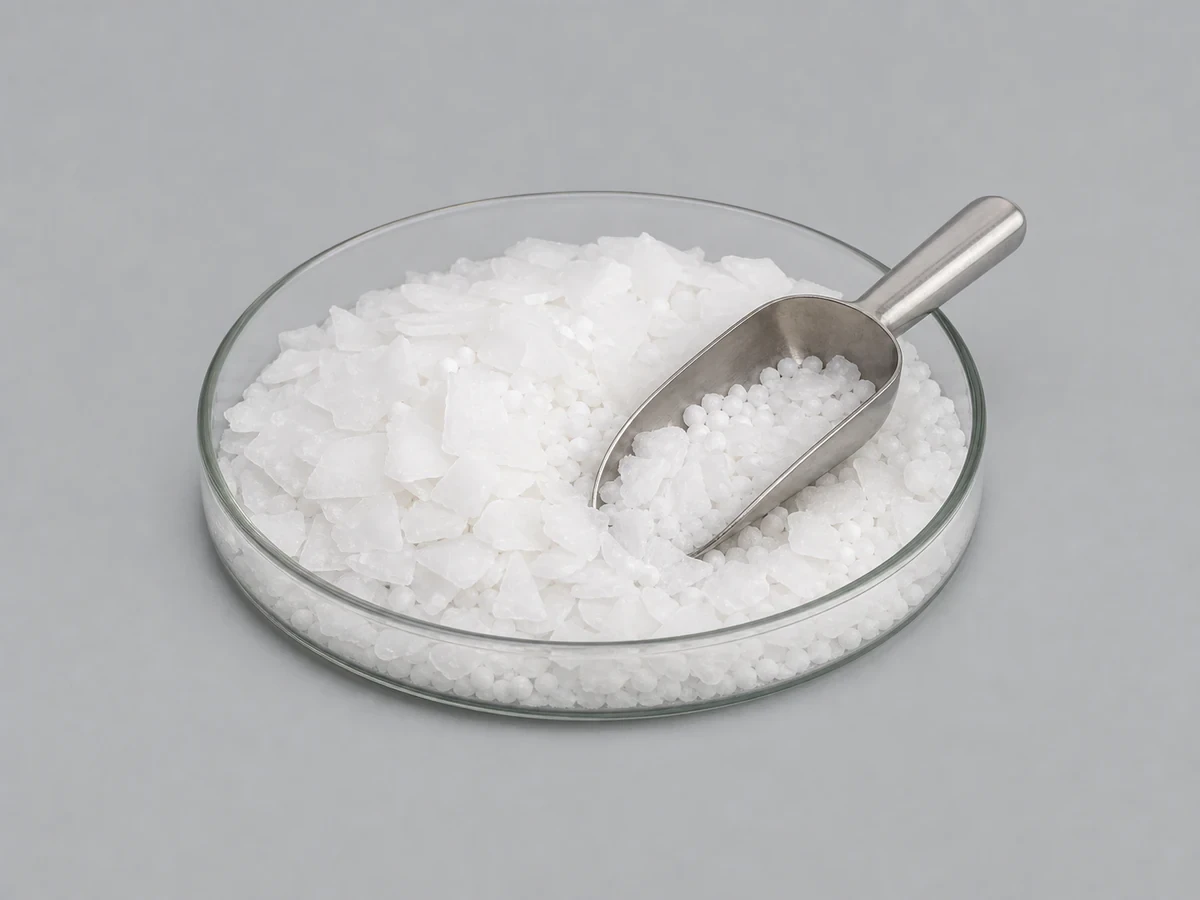
White lauric acid flakes, a C12 saturated fatty acid

Lauric Acid

A saturated twelve-carbon fatty acid produced by splitting (hydrolysing) palm kernel or coconut oil and then distilling and fractionating the resulting fatty acids. PKO is one of the principal commercial sources of lauric acid.

Know more
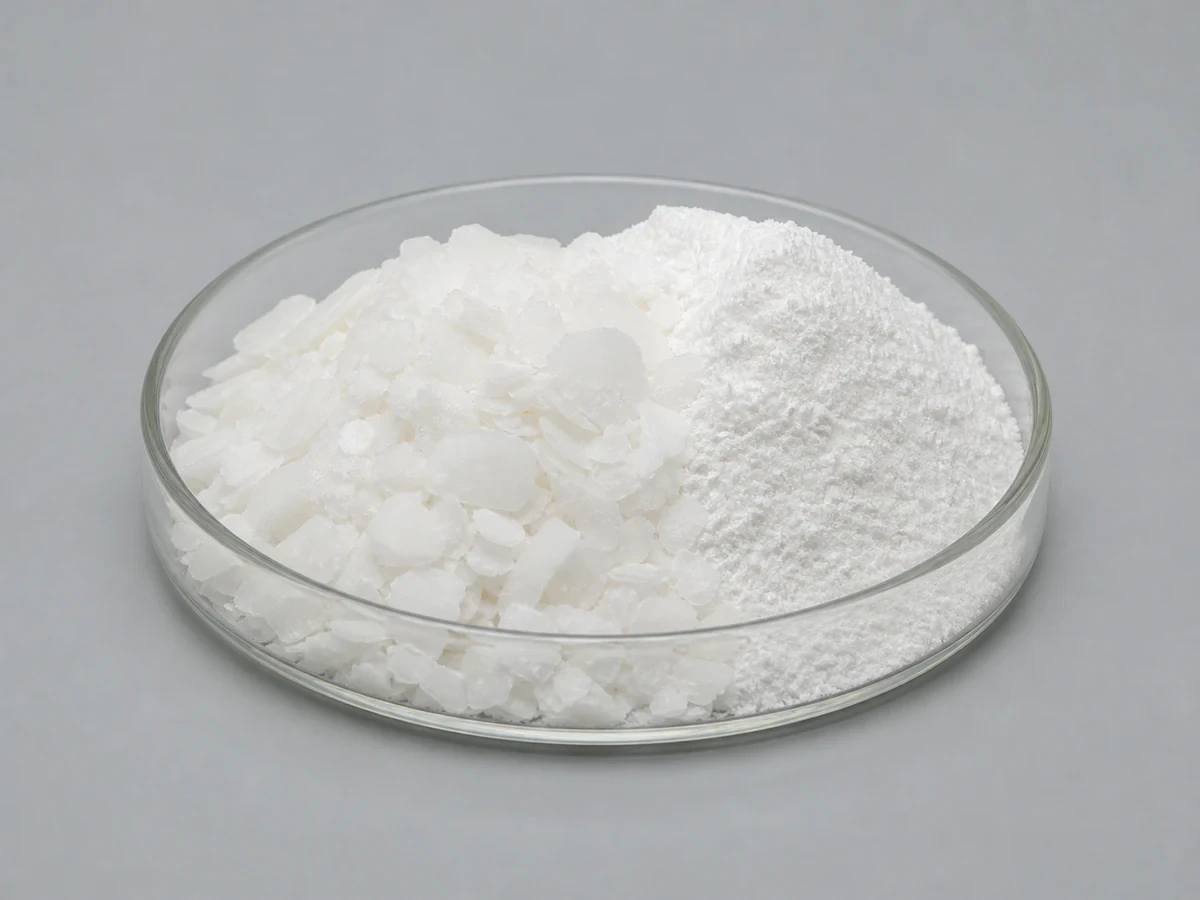
White myristic acid crystalline flakes, a C14 saturated fatty acid

Myristic Acid

A saturated fourteen-carbon fatty acid co-produced with lauric acid when palm kernel oil fatty acids are split and fractionally distilled. It is the second most abundant fatty acid in PKO after lauric acid.

Know more
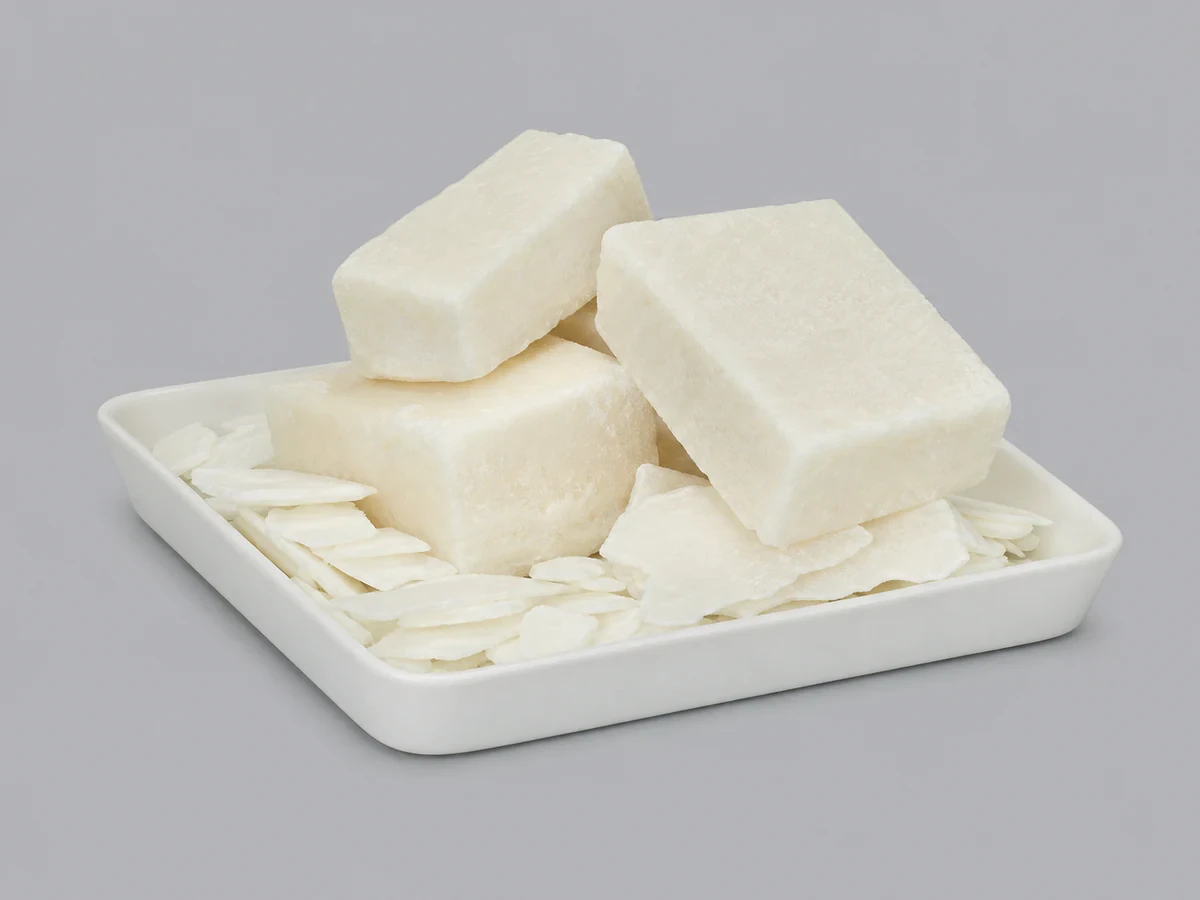
Hard white hydrogenated palm kernel oil blocks

Hydrogenated Palm Kernel Oil

Palm kernel oil that has been hydrogenated to saturate its residual olefinic bonds, raising its melting point and oxidative stability. Fully hydrogenated grades are highly saturated and firm, valued where a stable, sharp-setting hard fat is required.

Know more

Food & specialty fats

(12 products)

Palm oil and palm kernel oil are fractionated, blended, and interesterified into a wide range of tailored fats for baking, confectionery, dairy analogues, and spreads. Their solid-fat content and melting behaviour can be engineered to specific end-use requirements, making them workhorse ingredients across the food industry.

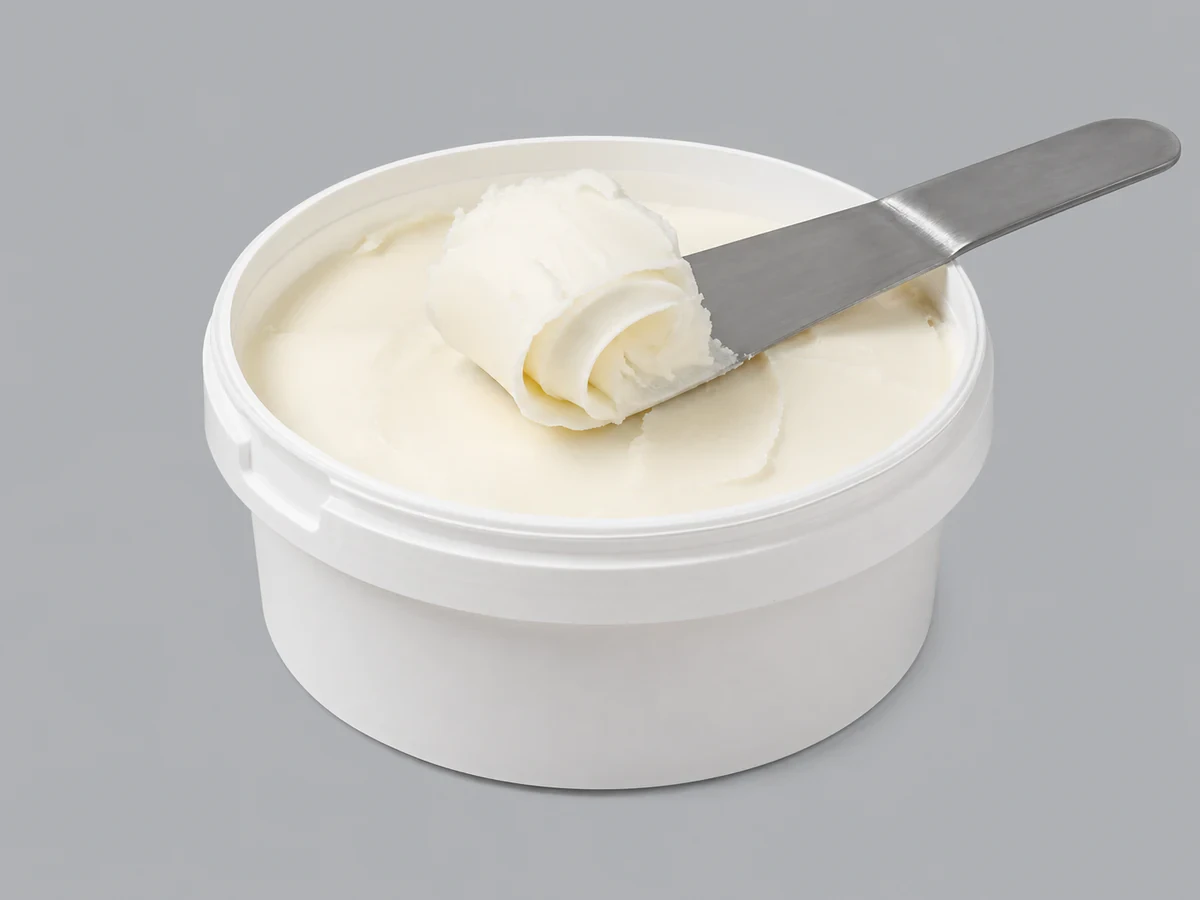
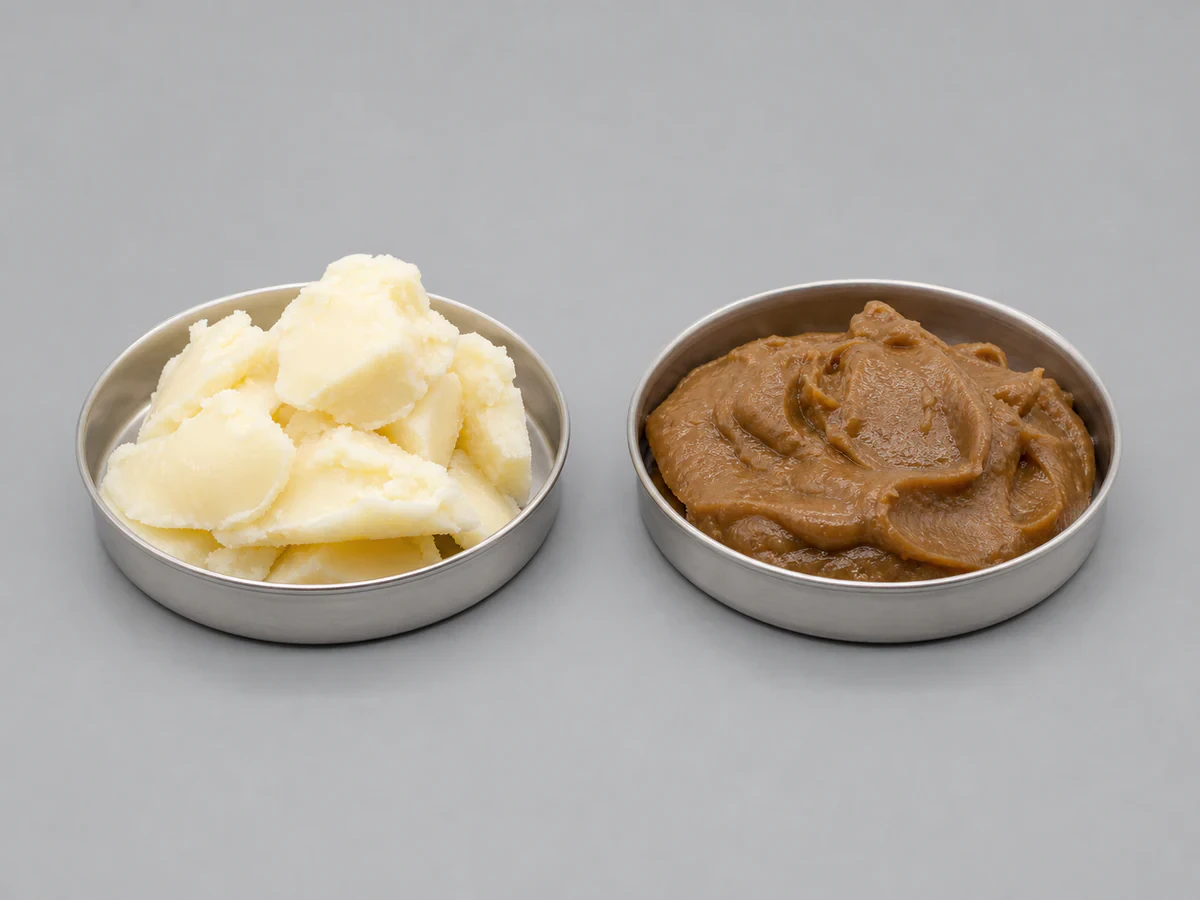
Tub of smooth off-white palm shortening with a plastic, spreadable texture

Palm Shortening (High & Low Melting Point)

A semi-solid fat made by blending or interesterifying palm oil and its fractions (such as palm stearin and palm olein) to a target solid-fat content. High-melting grades give firmness and heat stability, while low-melting grades stay softer and more plastic at ambient temperature.

Know more
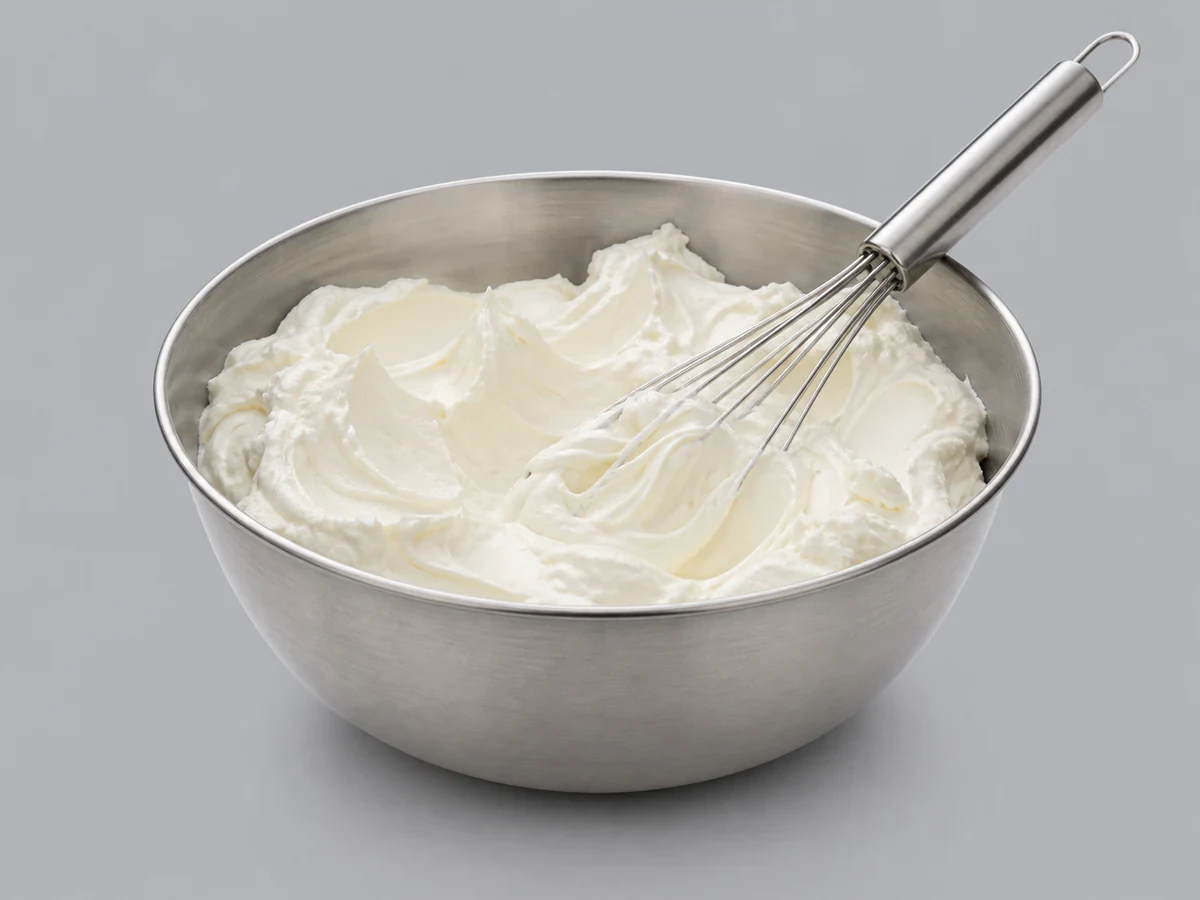
Creamy white bakery shortening being whipped, showing an aerated texture

Bakery Shortening

A plastic shortening formulated from palm oil fractions, sometimes with added emulsifiers, to deliver good creaming and aeration properties. It traps air during mixing to give volume and a tender crumb.

Know more
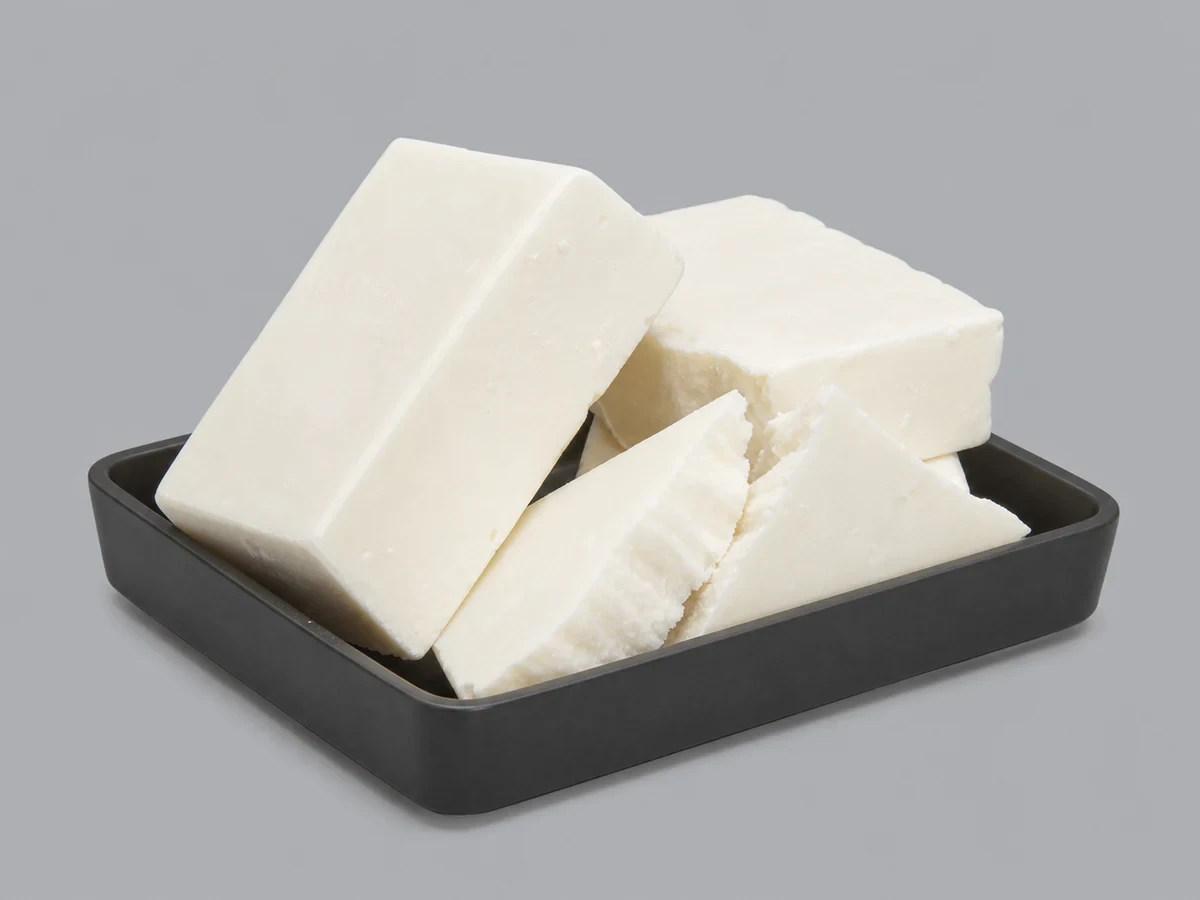
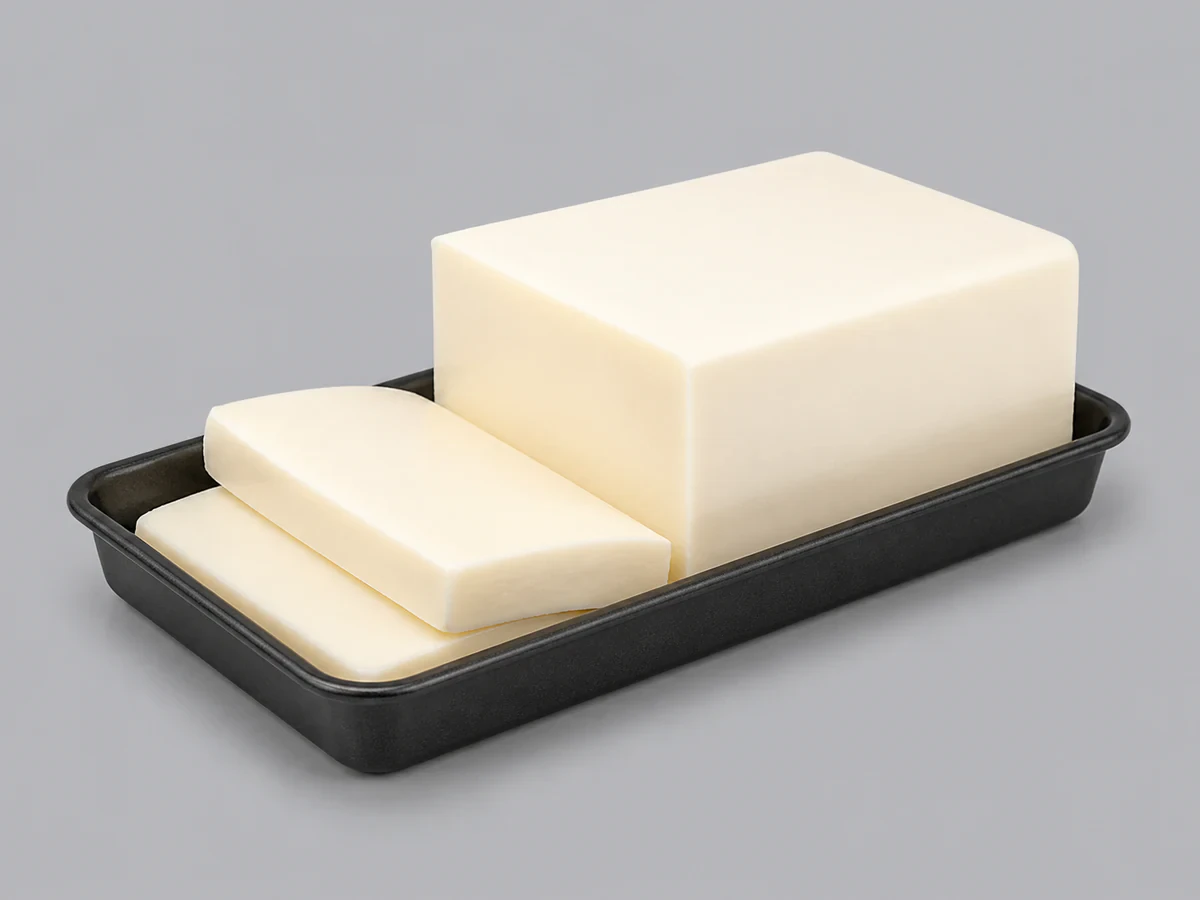
Block of firm pale-cream bread shortening for dough conditioning

Bread Shortening

A firmer shortening based on palm oil and palm stearin fractions, designed to strengthen dough and lubricate the gluten network. Added at low dosage, it improves loaf volume, slicing and crumb softness.

Know more
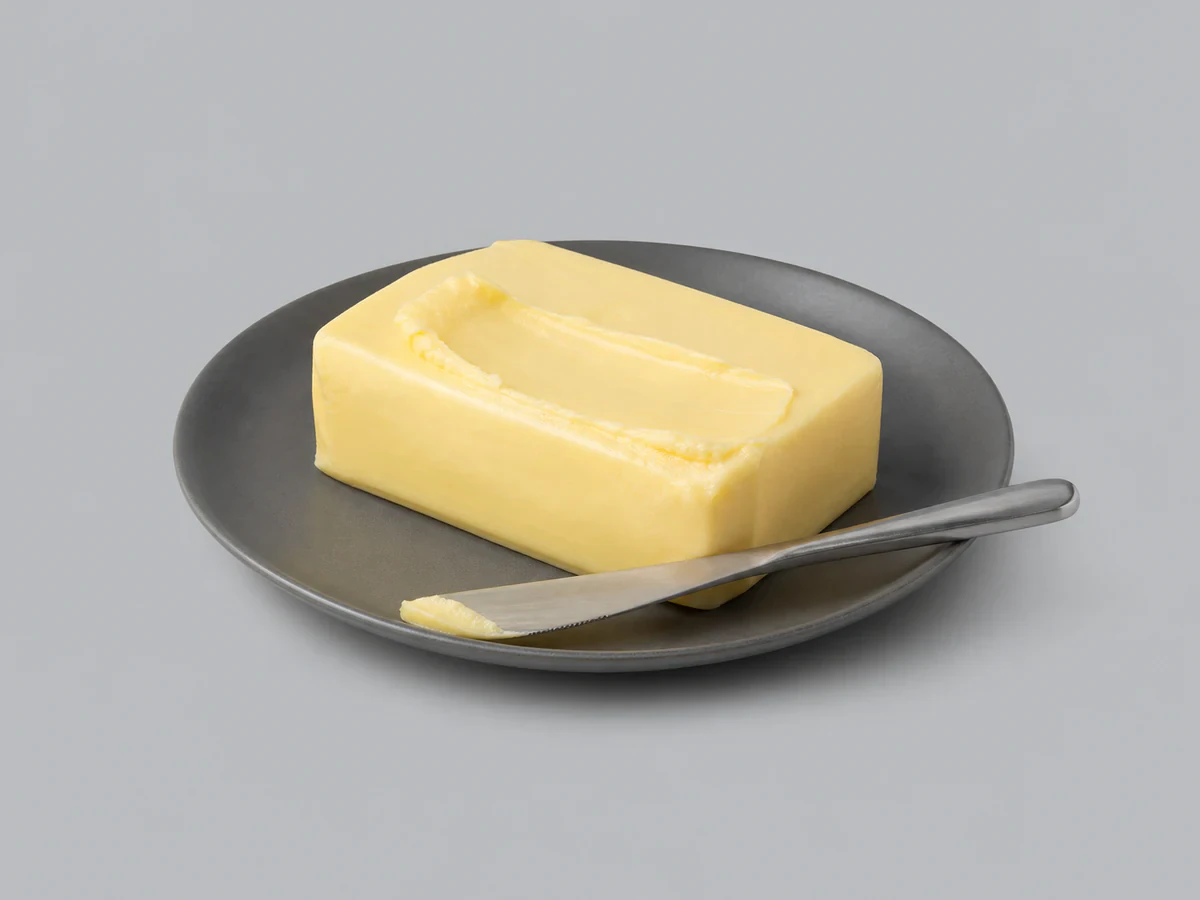
Pat of yellow margarine on a dish, firm yet spreadable

Margarine

A water-in-oil emulsion of a palm-based fat blend with water or milk, plus emulsifiers, salt and flavouring. The fat phase is engineered from palm oil fractions to control firmness, spreadability and melt-in-mouth behaviour.

Know more
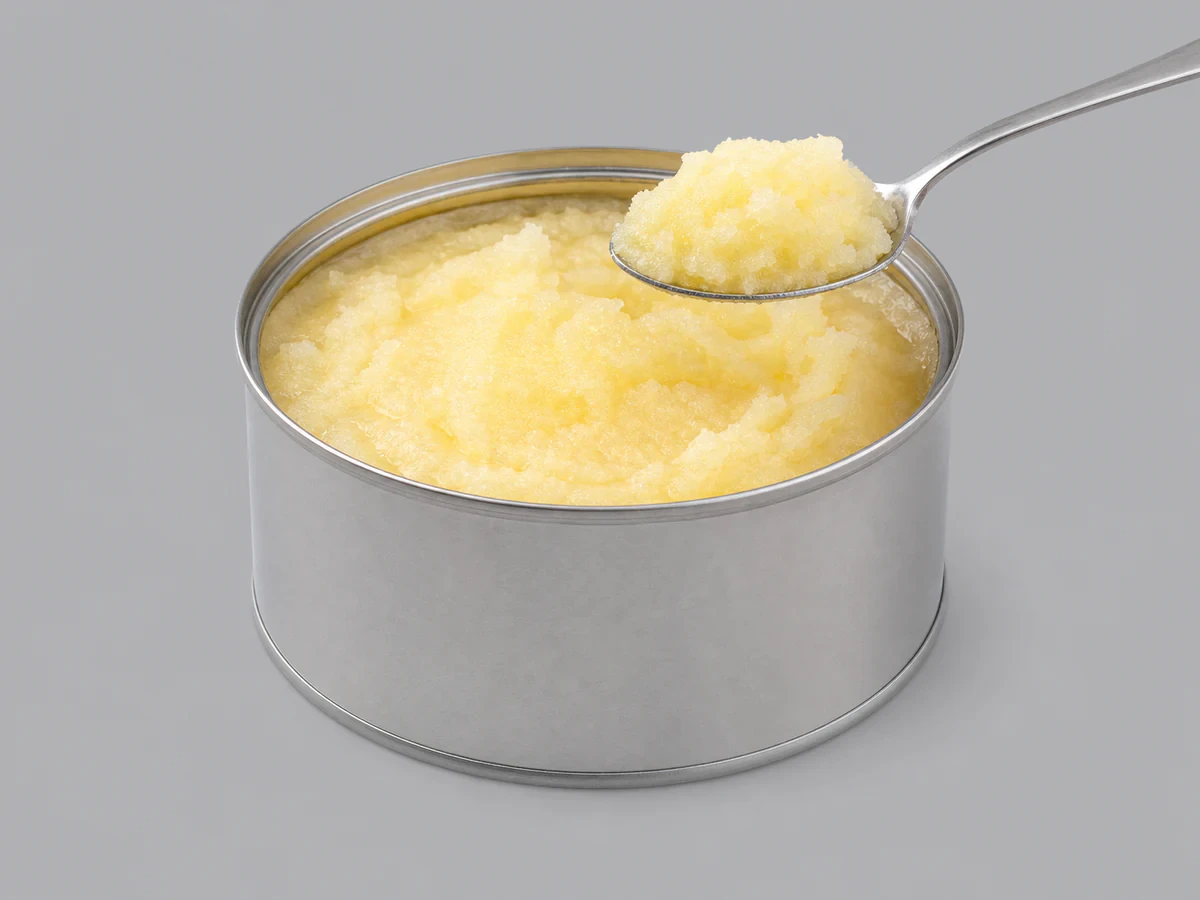
Tin of pale-yellow granular vegetable ghee (vanaspati)

Vegetable Ghee / Vanaspati

A vegetable fat product traditionally made by partial hydrogenation of vegetable oils to mimic the texture of clarified butter (ghee); modern grades are increasingly produced from palm oil fractions and interesterified blends to reduce trans fat. It is often characterised by a granular crystalline texture.

Know more
Hard ivory-white cocoa butter substitute (CBS) blocks with a brittle snap

Cocoa Butter Substitute (CBS)

A lauric fat produced mainly by fractionating and hydrogenating palm kernel oil. Chemically very different from cocoa butter, it is not compatible with it beyond small amounts, but sets hard with good gloss and snap and needs no tempering.

Know more
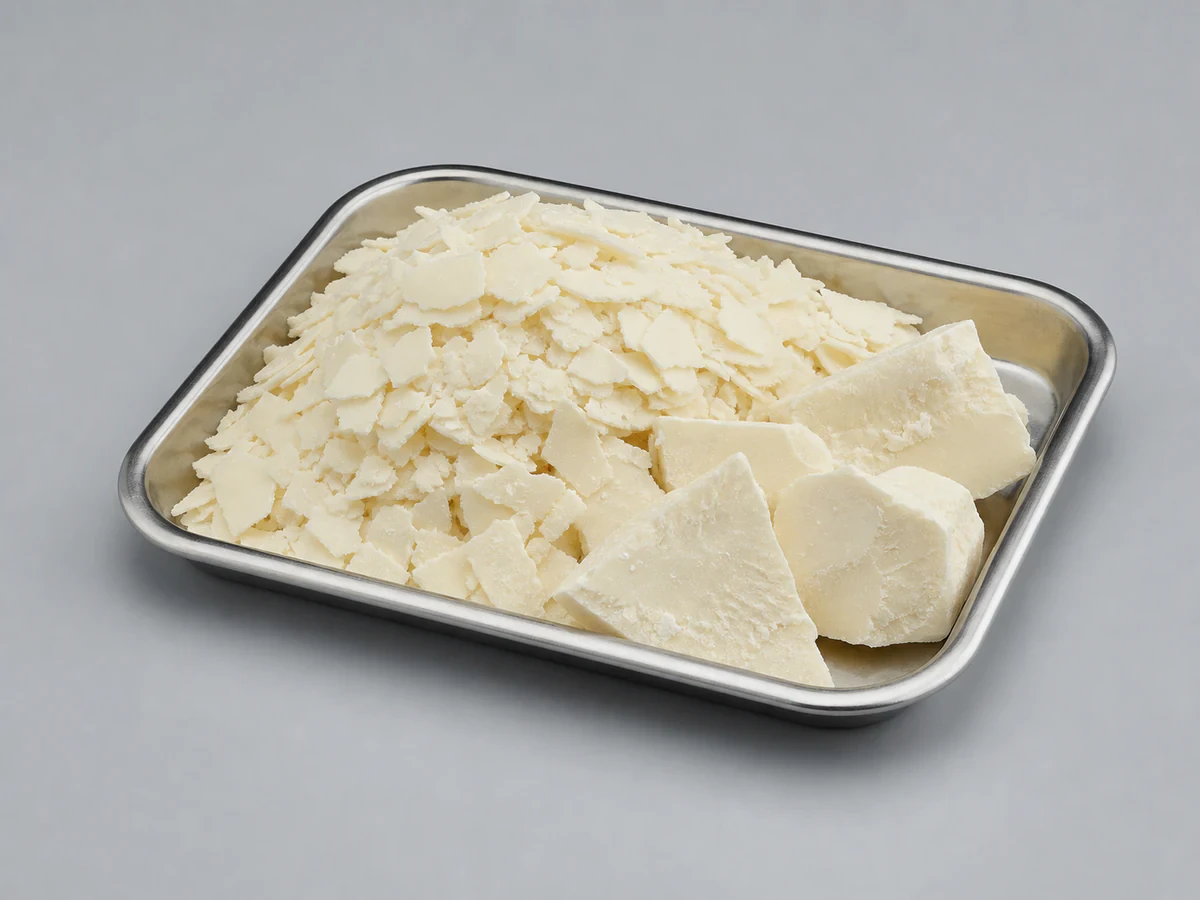
Firm off-white cocoa butter replacer (CBR) flakes

Cocoa Butter Replacer (CBR)

A non-lauric fat made from fractionated and partially hydrogenated non-lauric oils such as palm and soybean. Its triglycerides differ from cocoa butter but it tolerates a moderate proportion of cocoa butter, and like CBS it does not require tempering.

Know more
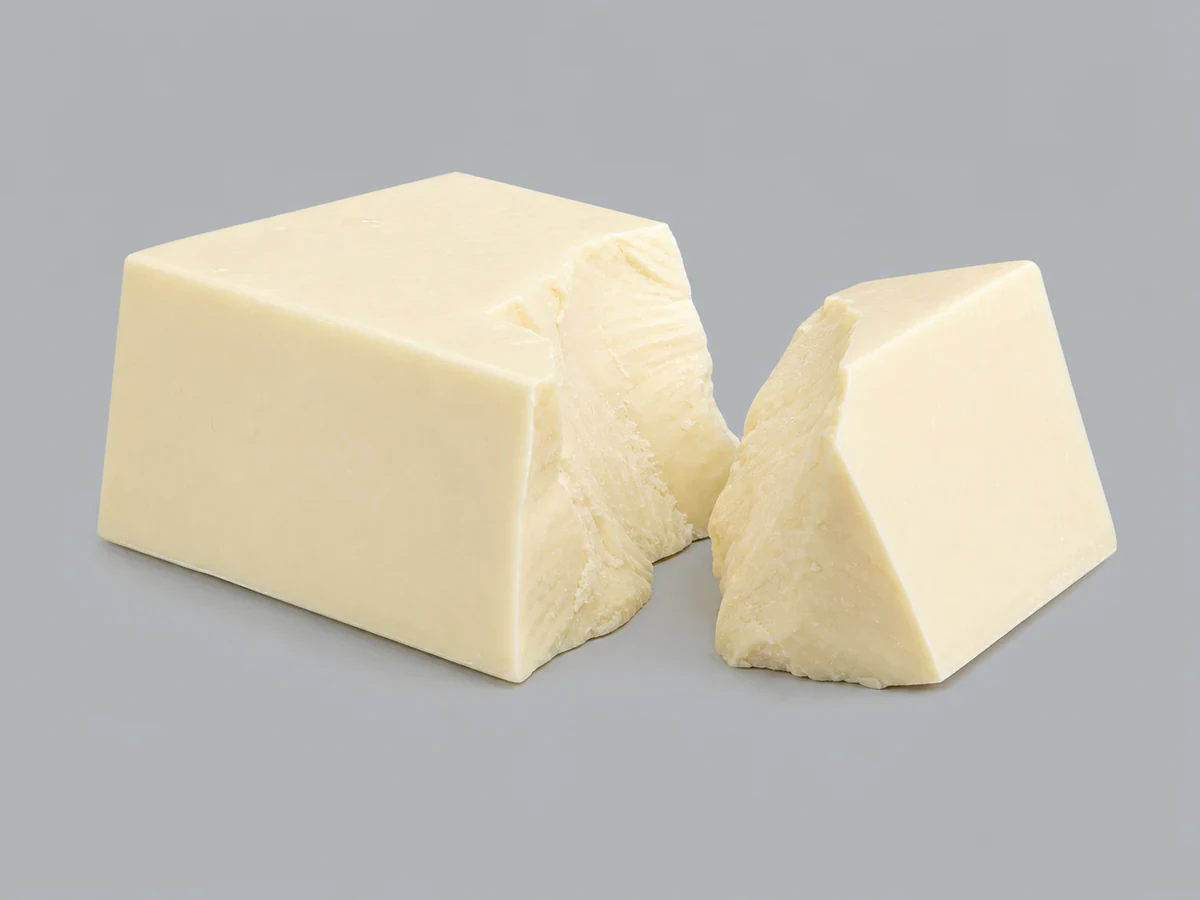
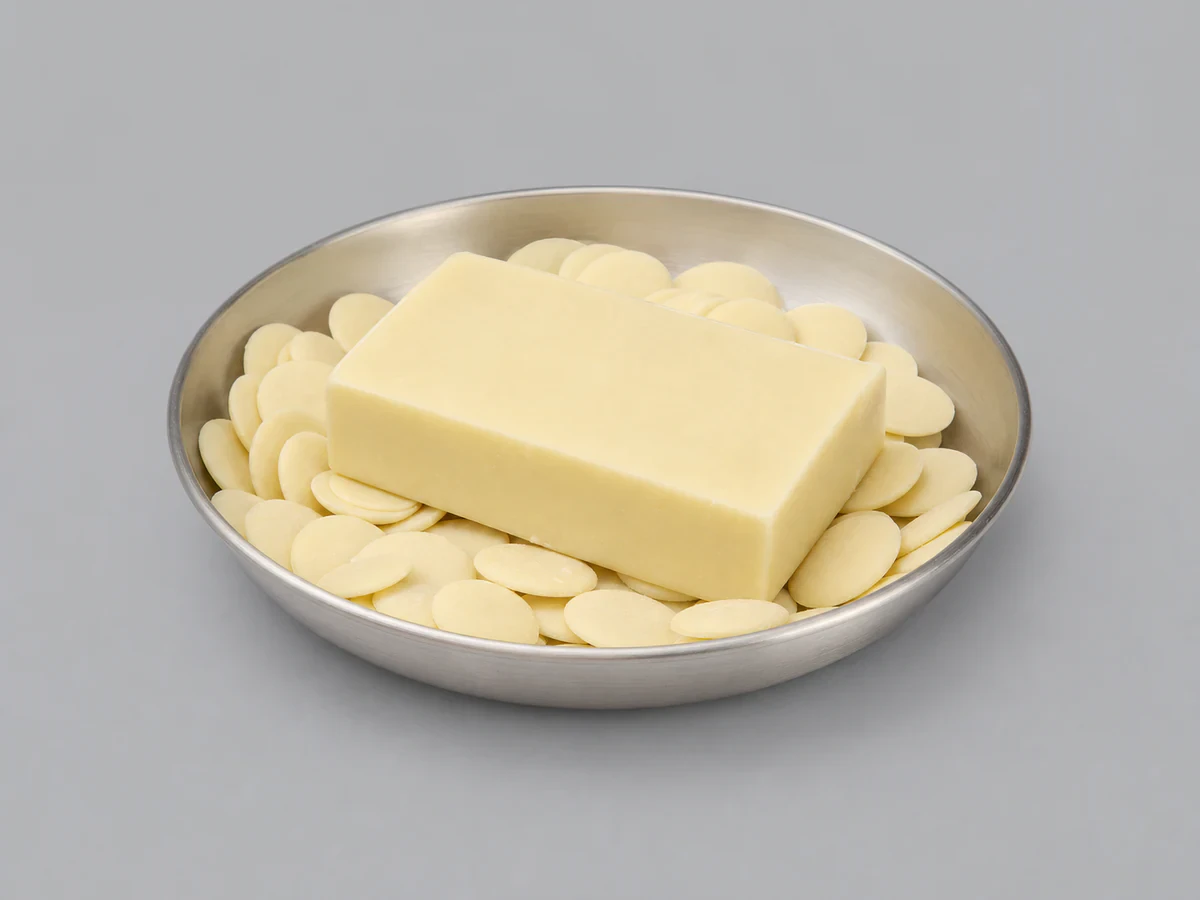
Pale cocoa butter equivalent (CBE) block resembling cocoa butter

Cocoa Butter Equivalent (CBE)

A fat whose triglyceride profile closely matches cocoa butter, produced largely from palm mid-fraction (POMF) often blended with exotic fats such as shea or sal stearin. It is fully compatible with cocoa butter in any ratio and behaves the same way, requiring tempering.

Know more
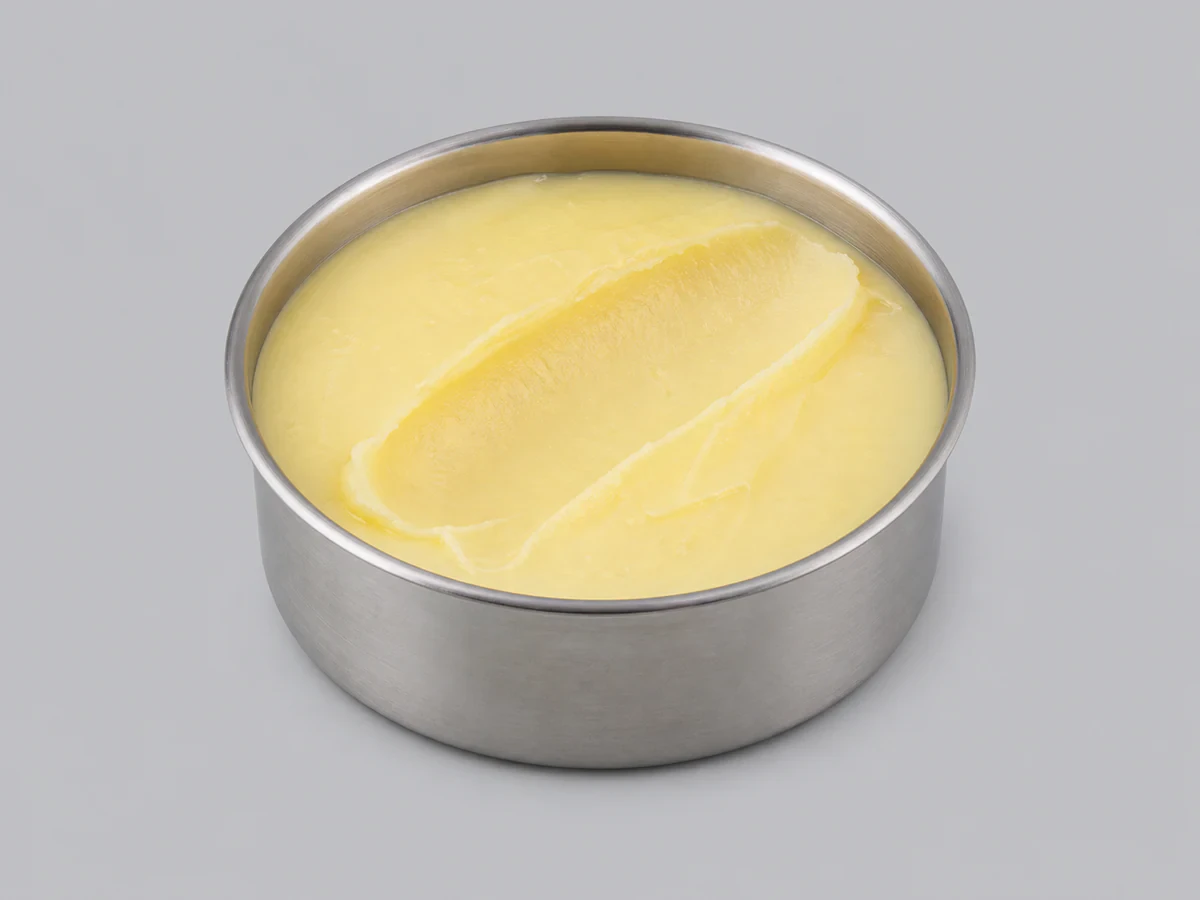
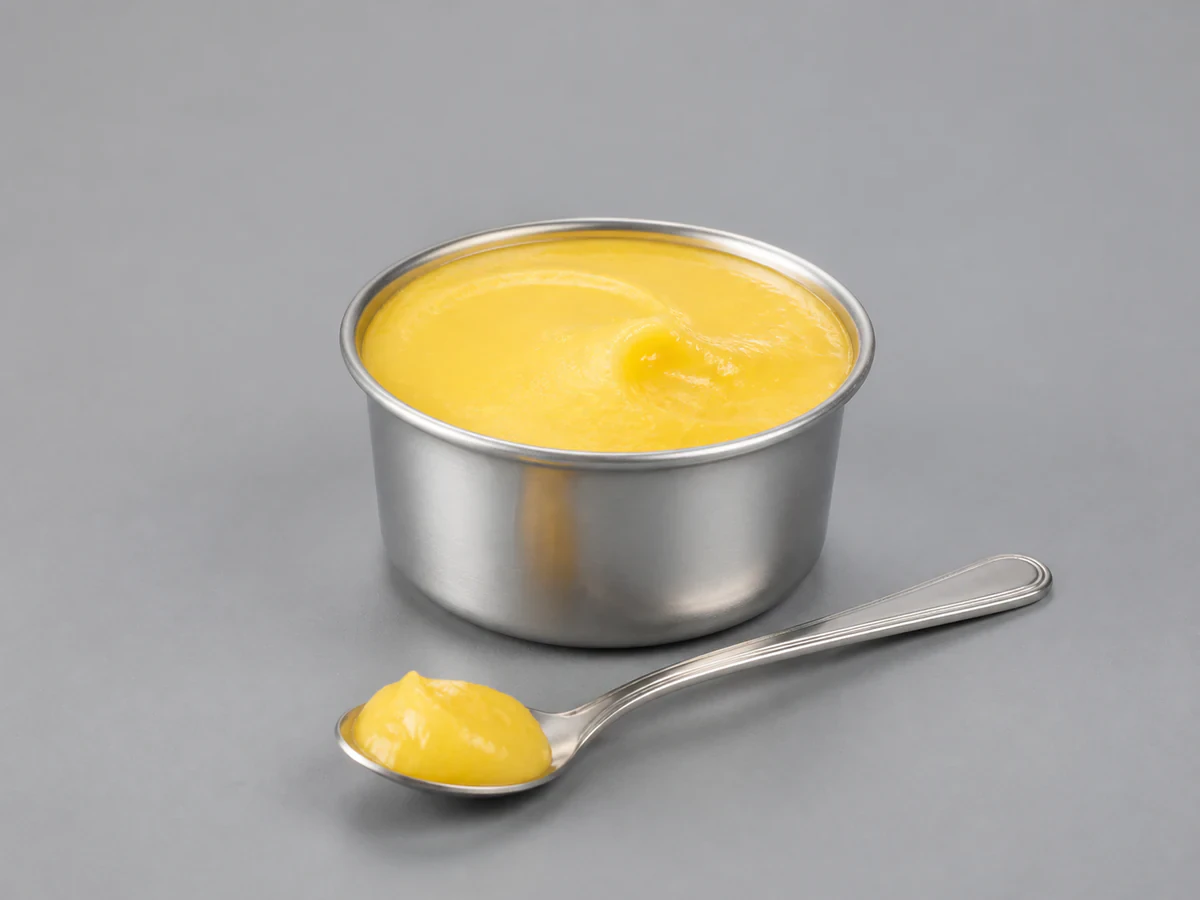
Golden-yellow butter oil substitute (BOS) in a container

Butter Oil Substitute (BOS)

A vegetable fat blend, typically based on palm oil fractions, formulated to replace anhydrous milk fat (butter oil). It is often coloured and flavoured to mimic the melting and functional behaviour of dairy butterfat at lower cost.

Know more
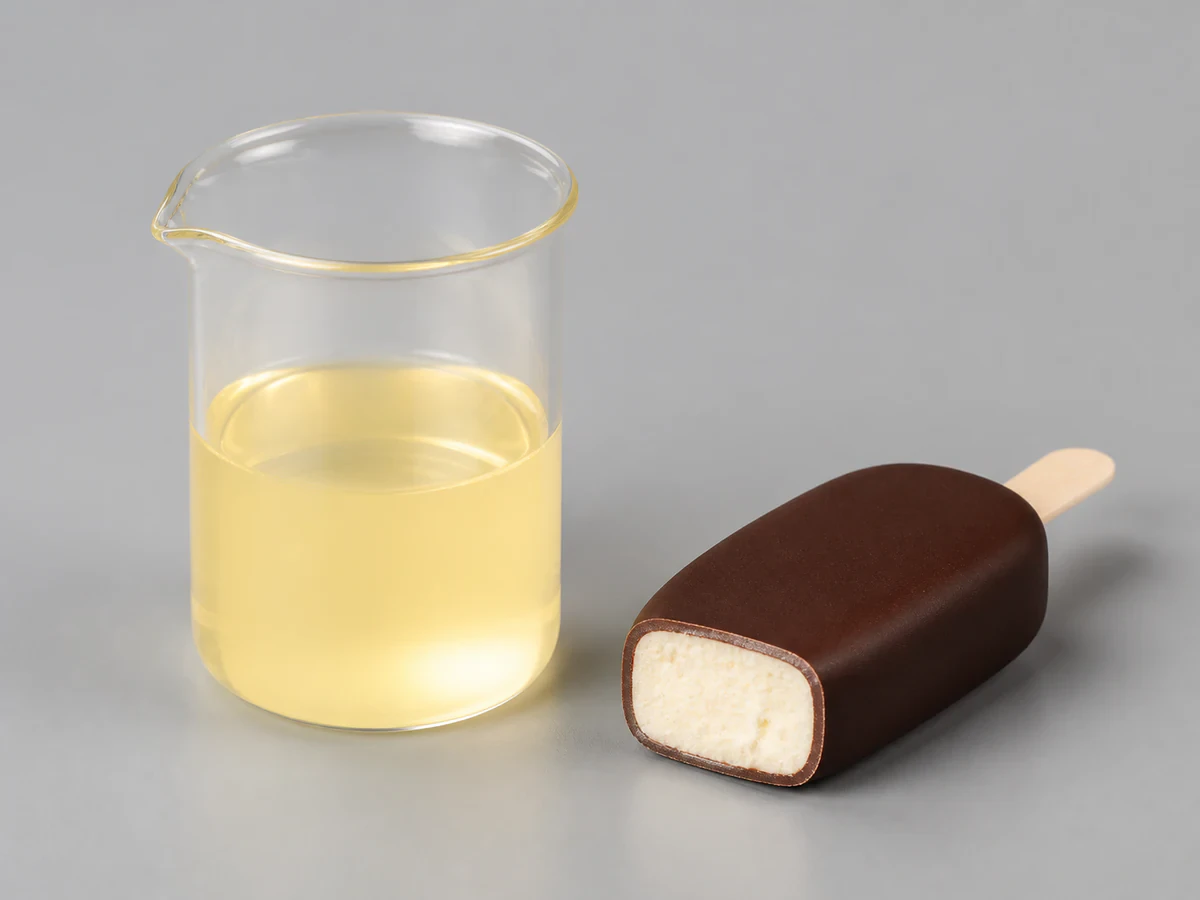
Chocolate-style ice cream coating fat forming a thin crisp shell on a frozen bar

Ice Cream Coating Fat

A fast-crystallising lauric or non-lauric coating fat, usually derived from palm kernel oil or palm oil fractions, with a sharp melting profile just below body temperature. It sets quickly into a thin, crisp shell on contact with frozen product.

Know more
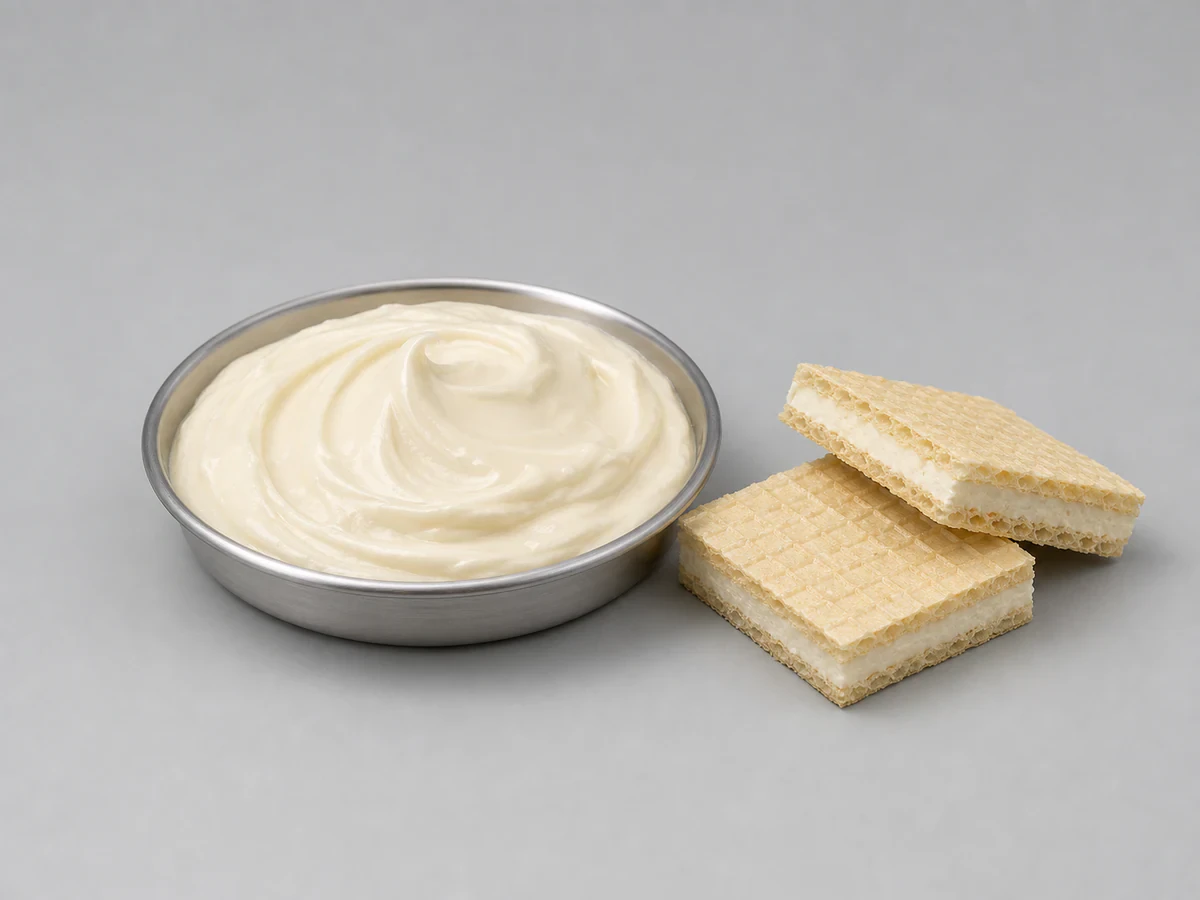
Smooth off-white cream filling fat spread between wafer layers

Cream Filling Fat

A soft, non-tempering fat based on palm oil fractions or interesterified palm blends, formulated for a smooth mouthfeel and resistance to oil migration and bloom. Its solid-fat content is tuned to keep fillings soft yet stable.

Know more
Off-white non-dairy creamer fat beside spray-dried creamer powder

Non-Dairy Creamer Fat

A refined fat, commonly hydrogenated or fractionated palm kernel oil or palm oil, used as the fat phase in spray-dried non-dairy creamers and coffee whiteners. It is chosen for oxidative stability, clean flavour and good emulsification during drying.

Know more

Oleochemicals & industrial derivatives

(9 products)

Oleochemicals are the value-added products of palm oil and palm kernel oil, made by splitting or converting their fats into fatty acids, alcohols, esters and glycerine. This category tracks the main tradeable derivatives that feed the detergent, personal-care, food, plastics and biodiesel industries.

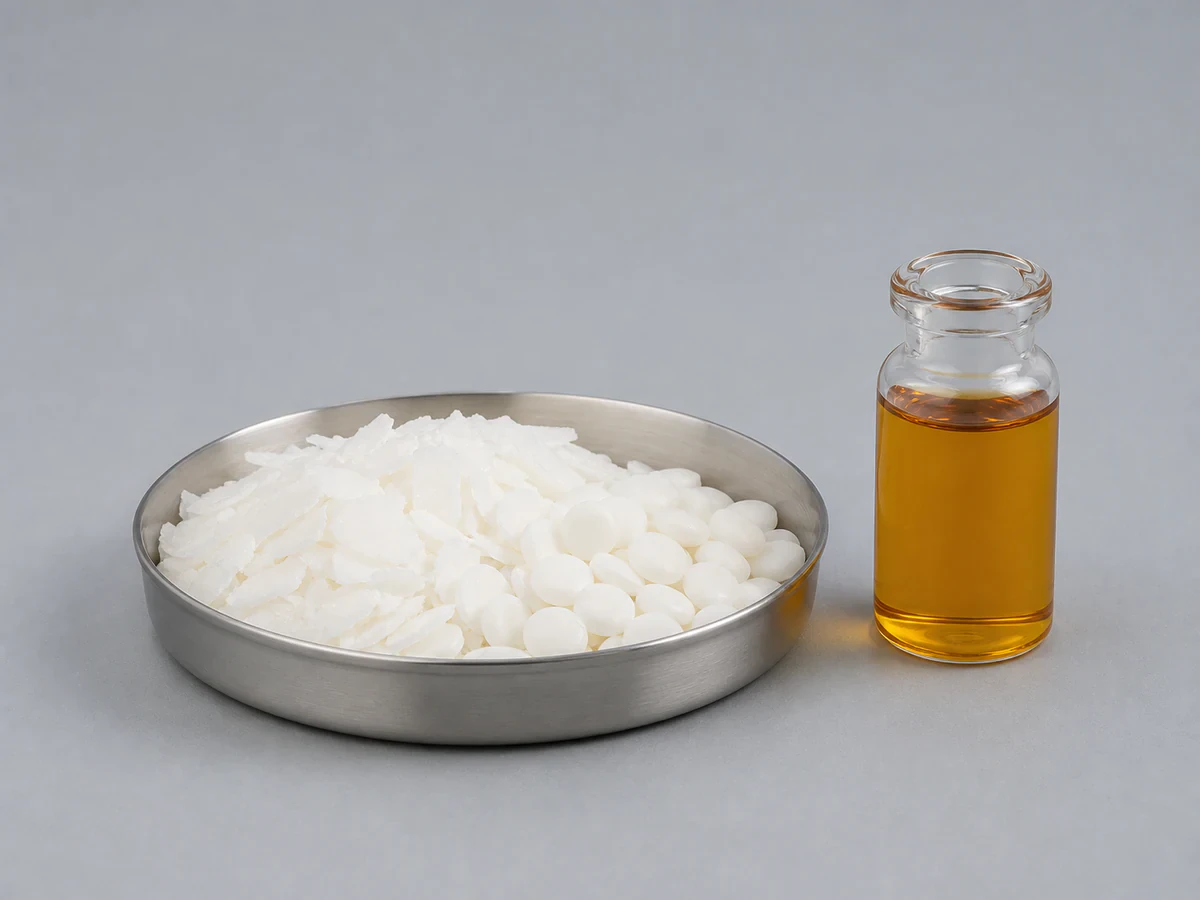
White fatty acid flakes and pastilles alongside a sample of amber liquid oleic acid

Fatty Acids

Fatty acids are produced by hydrolytic splitting (and often fractional distillation) of palm and palm kernel oils, yielding single-cut or blended acids such as palmitic (C16), stearic (C18), oleic (C18:1), lauric (C12) and myristic (C14). They are the primary intermediates from which most other oleochemicals are made.

Know more
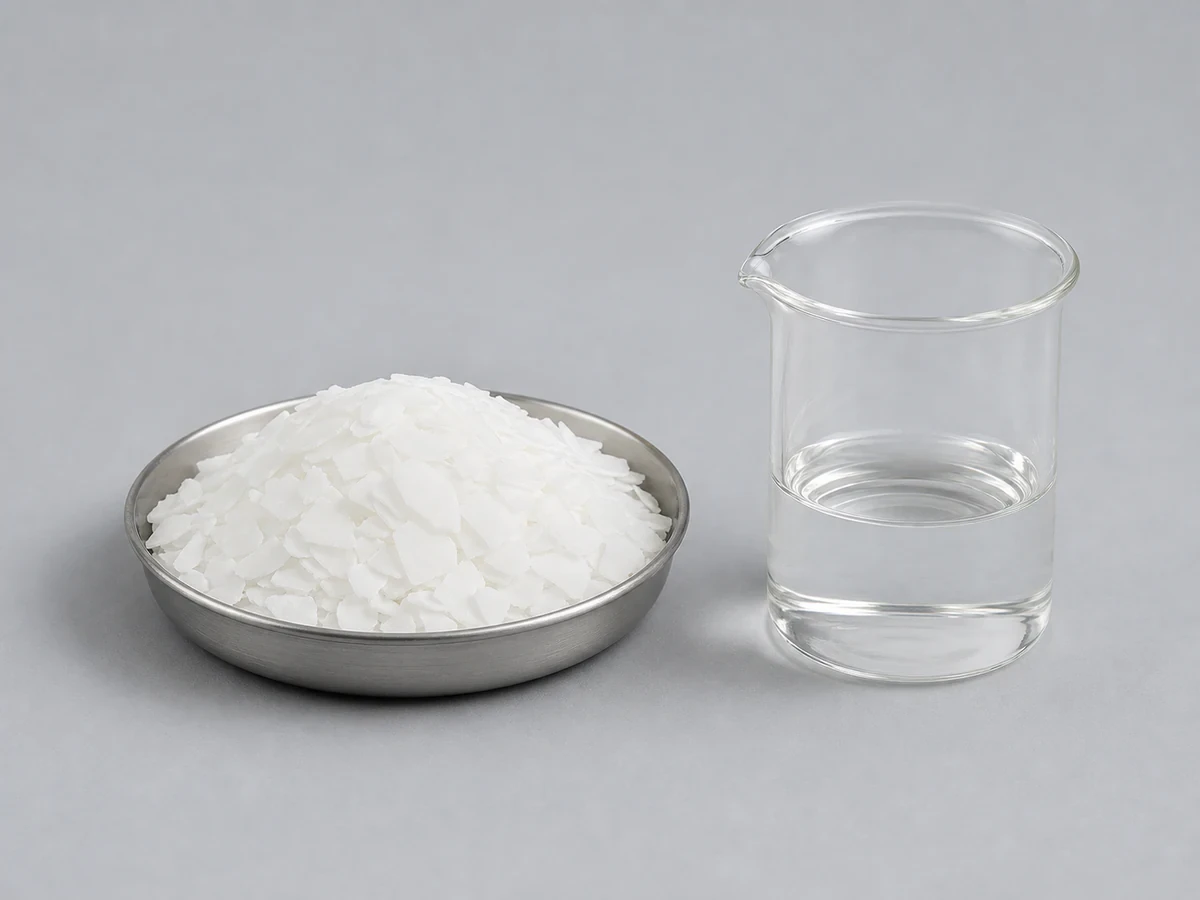
White flaked fatty alcohol with a beaker of clear liquid short-cut alcohol

Fatty Alcohols

Fatty alcohols are made by catalytic hydrogenation of fatty acids or their methyl esters, most commonly in the C12–C18 range from palm kernel and palm oil. Lauryl (C12) and myristyl (C14) cuts are especially valued as raw material for anionic and non-ionic surfactants.

Know more
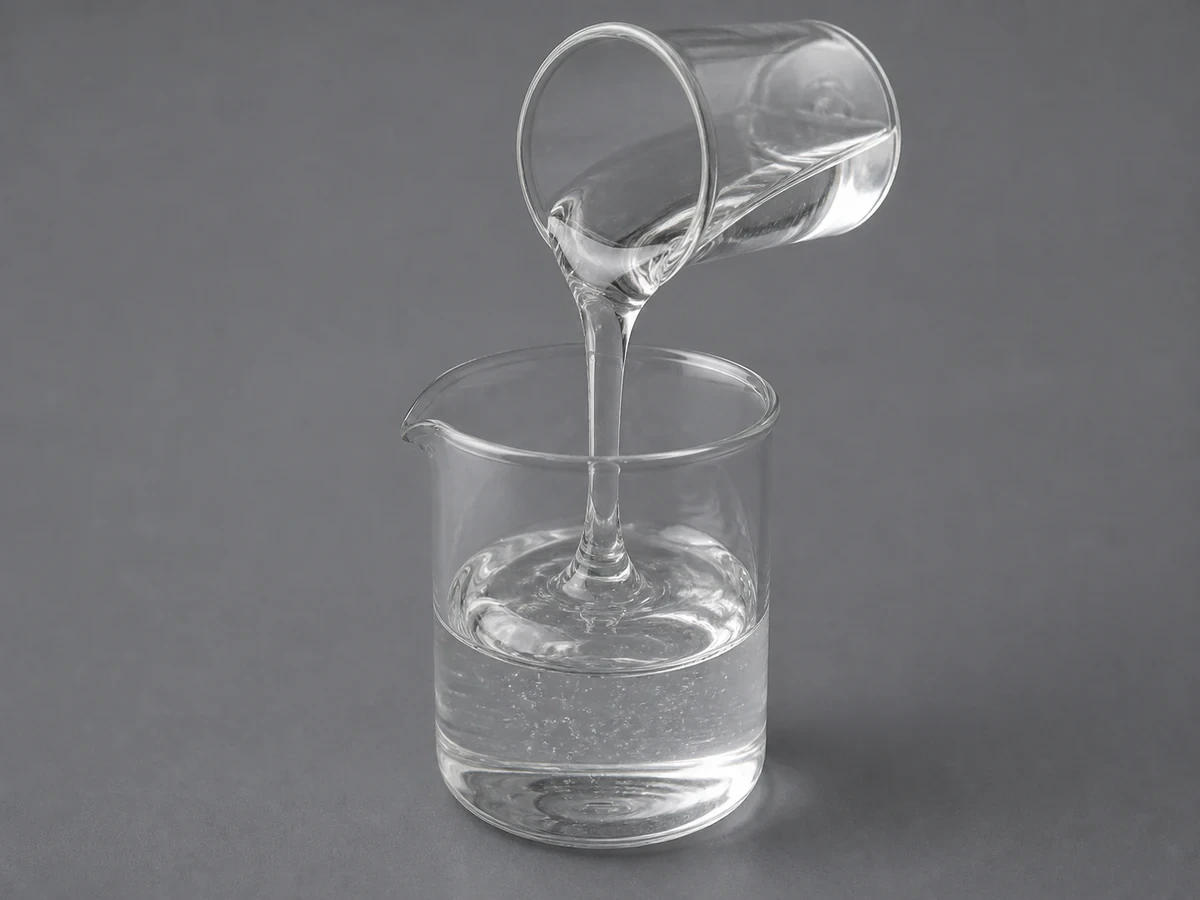
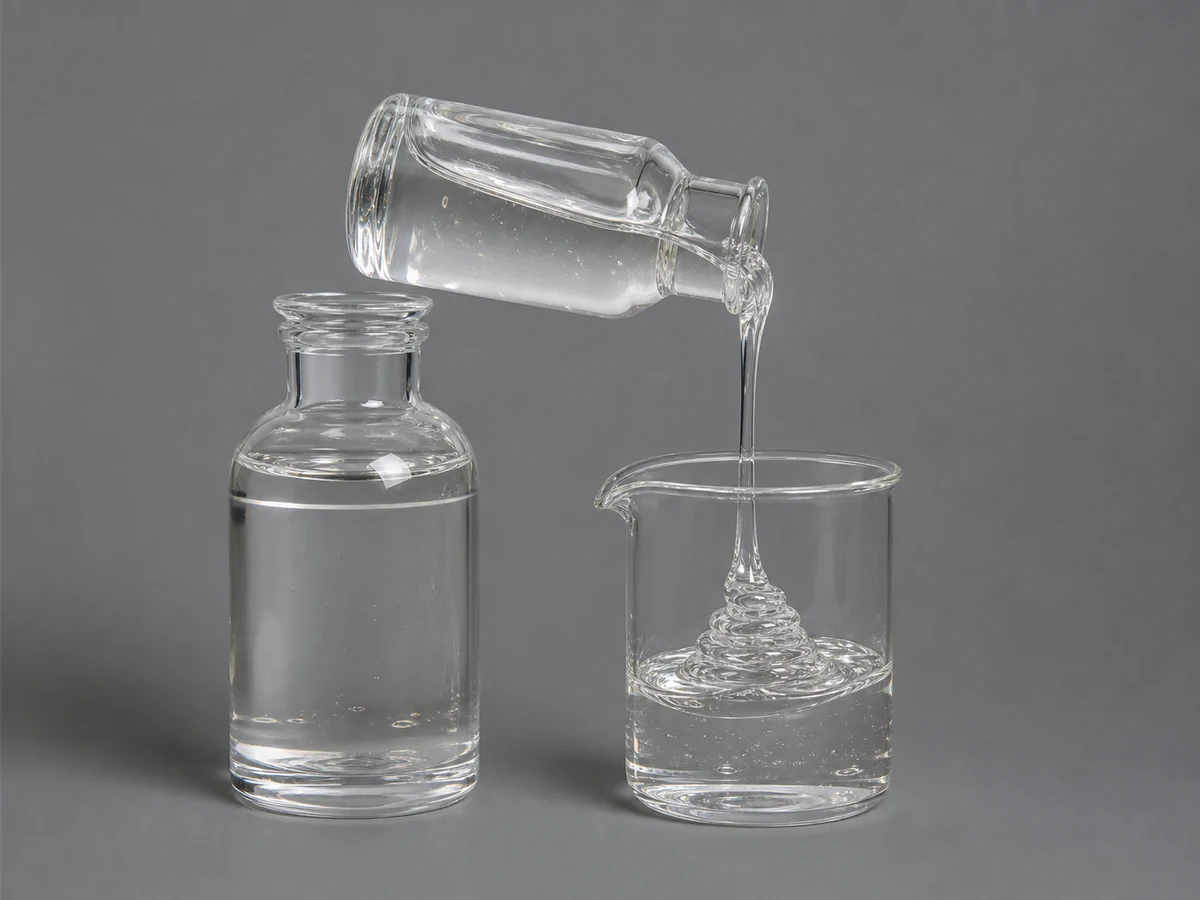
Clear viscous glycerine being poured, showing its syrup-like consistency

Glycerine (Glycerol)

Glycerine is the co-product recovered when fats are split into fatty acids or transesterified into methyl esters; crude glycerine is refined and distilled to technical, USP and pharmaceutical grades. It is a trihydric alcohol prized for its humectancy and solvency.

Know more
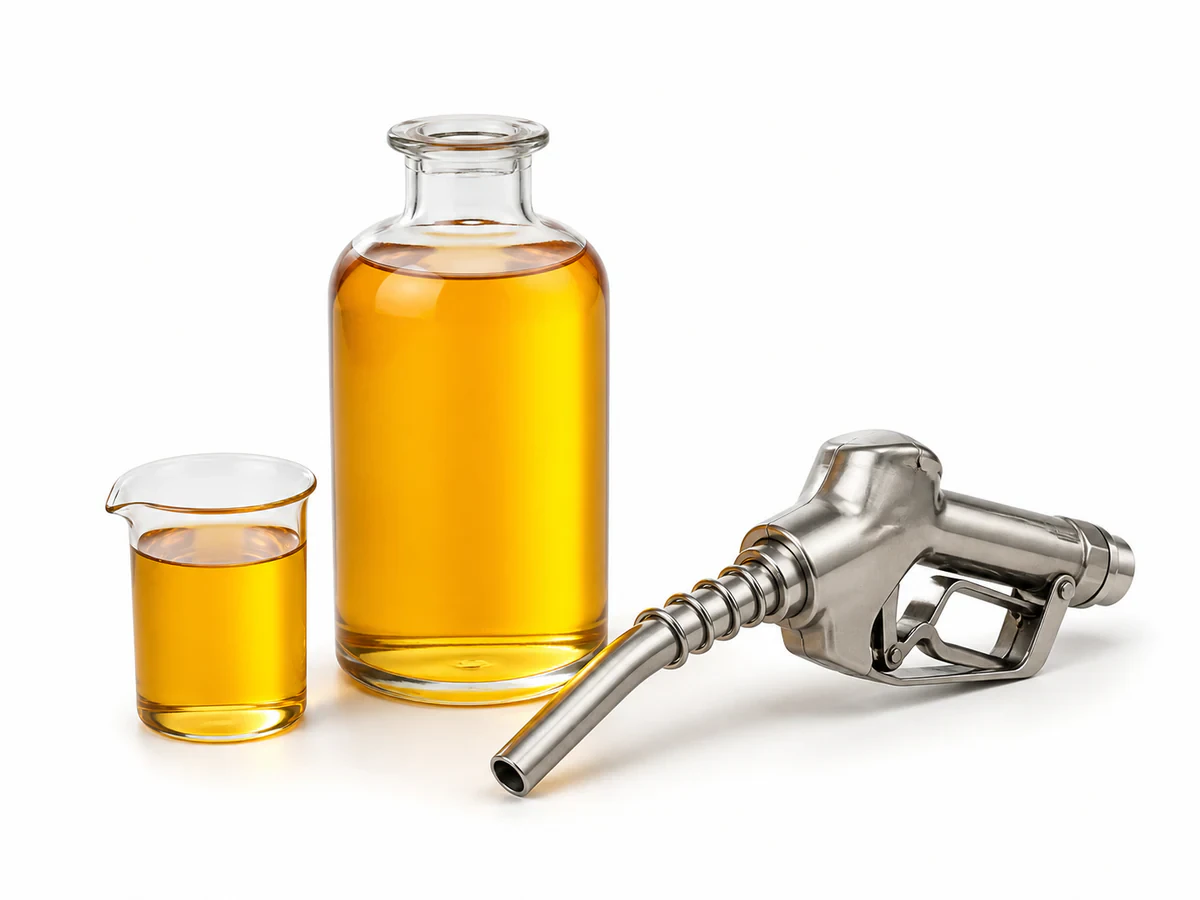
Pale-yellow liquid palm methyl esters in a laboratory sample bottle

Methyl Esters (FAME)

Fatty acid methyl esters are produced by transesterifying palm oil or its fractions with methanol, releasing glycerine as a co-product. As biodiesel they underpin Southeast Asian blending mandates such as Indonesia's B40 (advancing to B50 in 2026) and Malaysia's blend, and they also serve as a cleaner-profile oleochemical intermediate.

Know more
Two sample vials showing clear liquid methyl oleate beside solidified white methyl palmitate

Methyl Oleate & Methyl Palmitate

These are distilled, higher-purity single-cut methyl esters separated from the FAME stream: methyl oleate is the unsaturated C18:1 ester and methyl palmitate the saturated C16 ester. Their defined chain length makes them useful where broad biodiesel blends will not do.

Know more
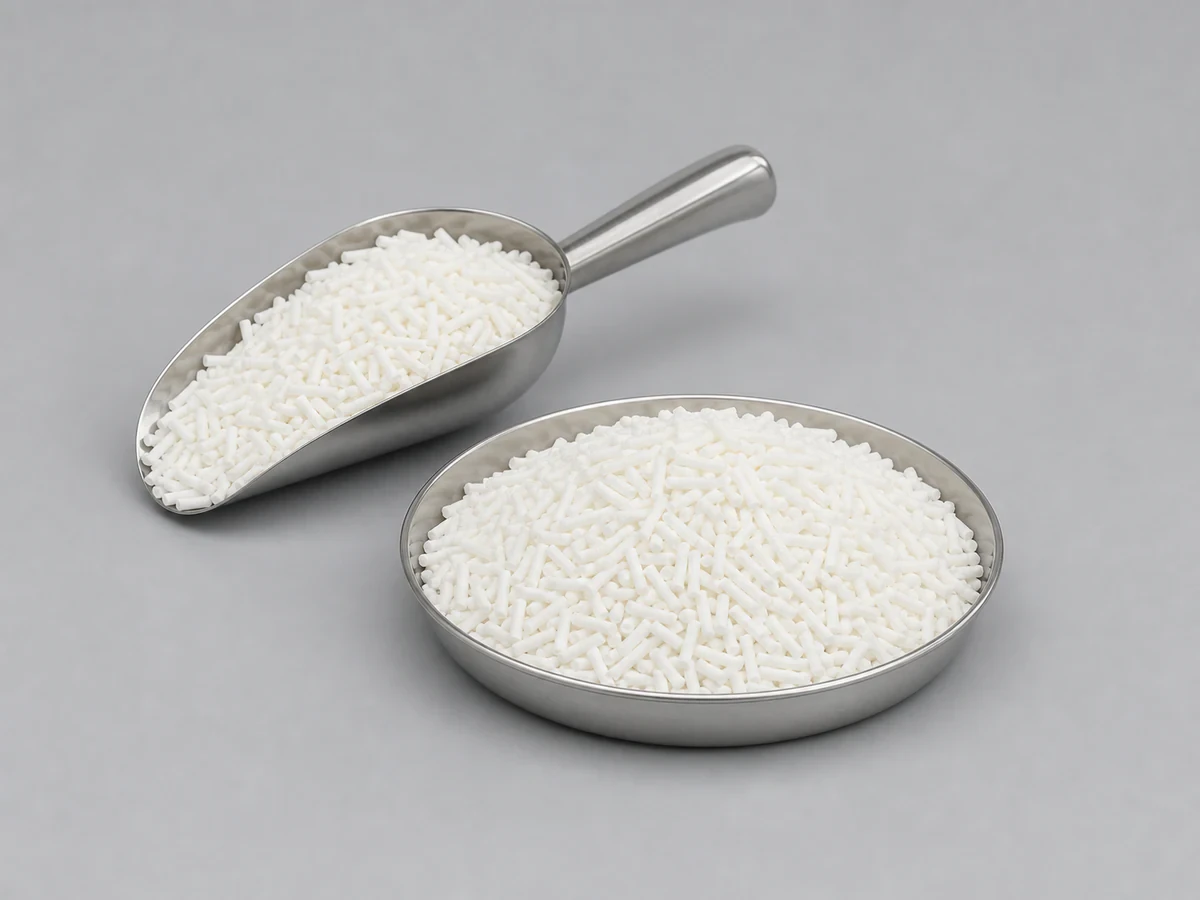
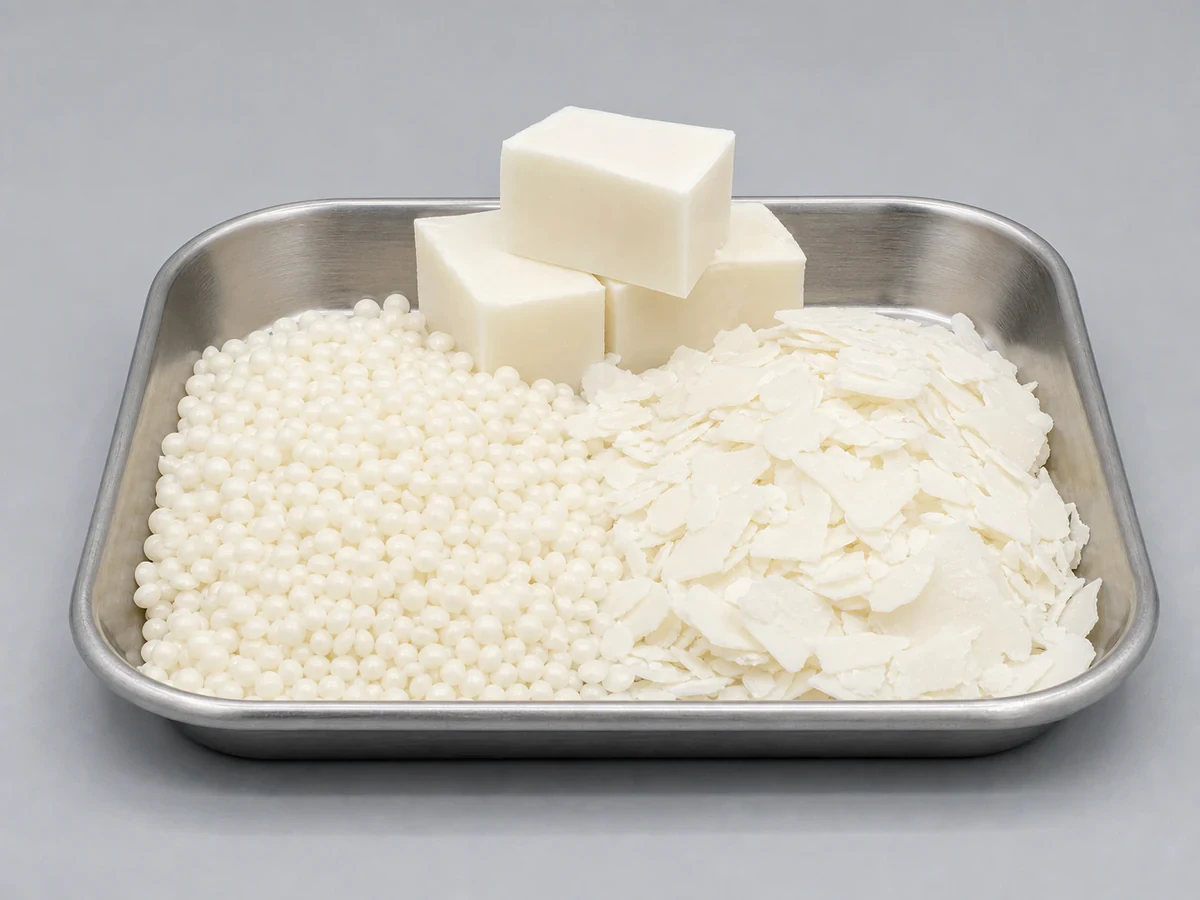
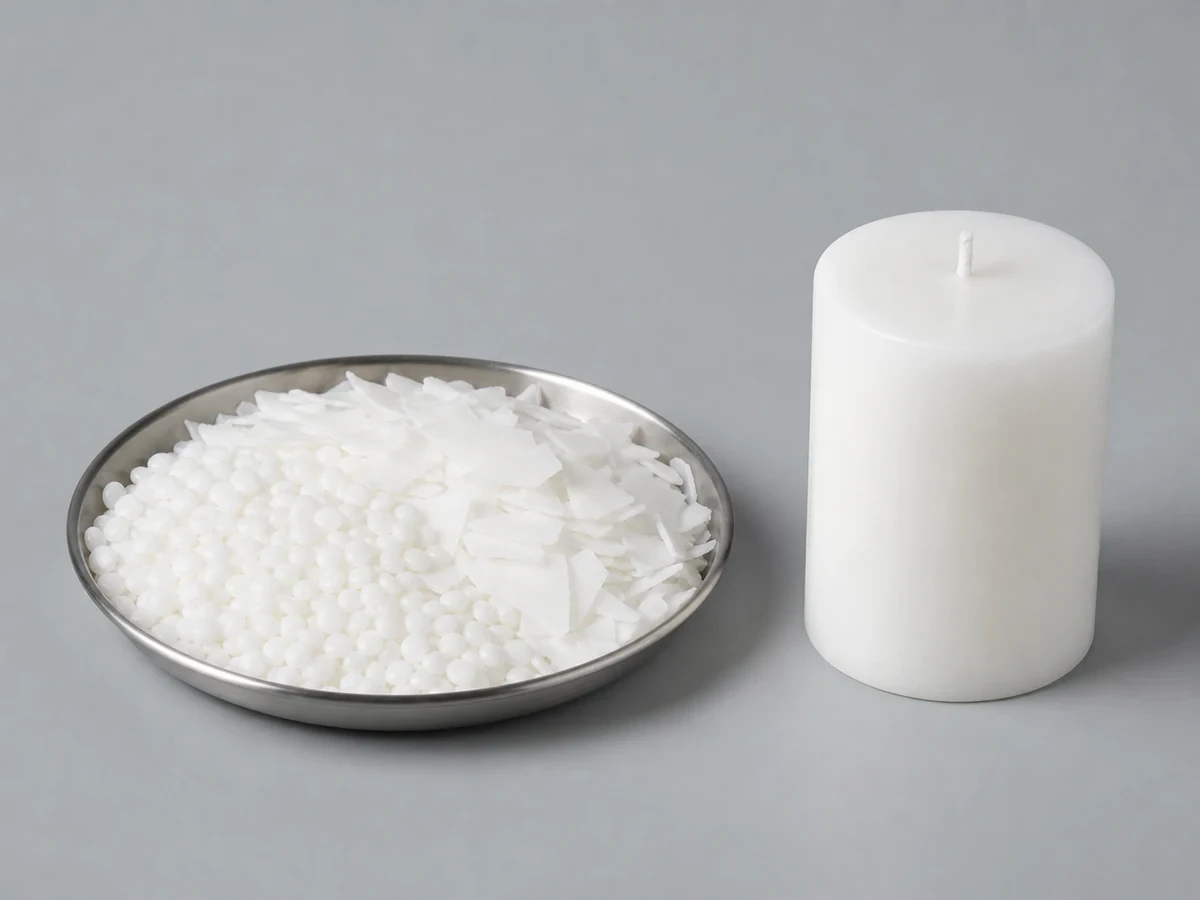
Pile of white extruded soap noodles used as bar-soap base

Soap Noodles

Soap noodles are a semi-finished soap base made by saponifying palm oil and palm kernel oil (commonly sold in blends such as 80/20 palm to palm kernel), then drying the neat soap into pellets. Buyers simply add fragrance, colour and additives before stamping into bars.

Know more
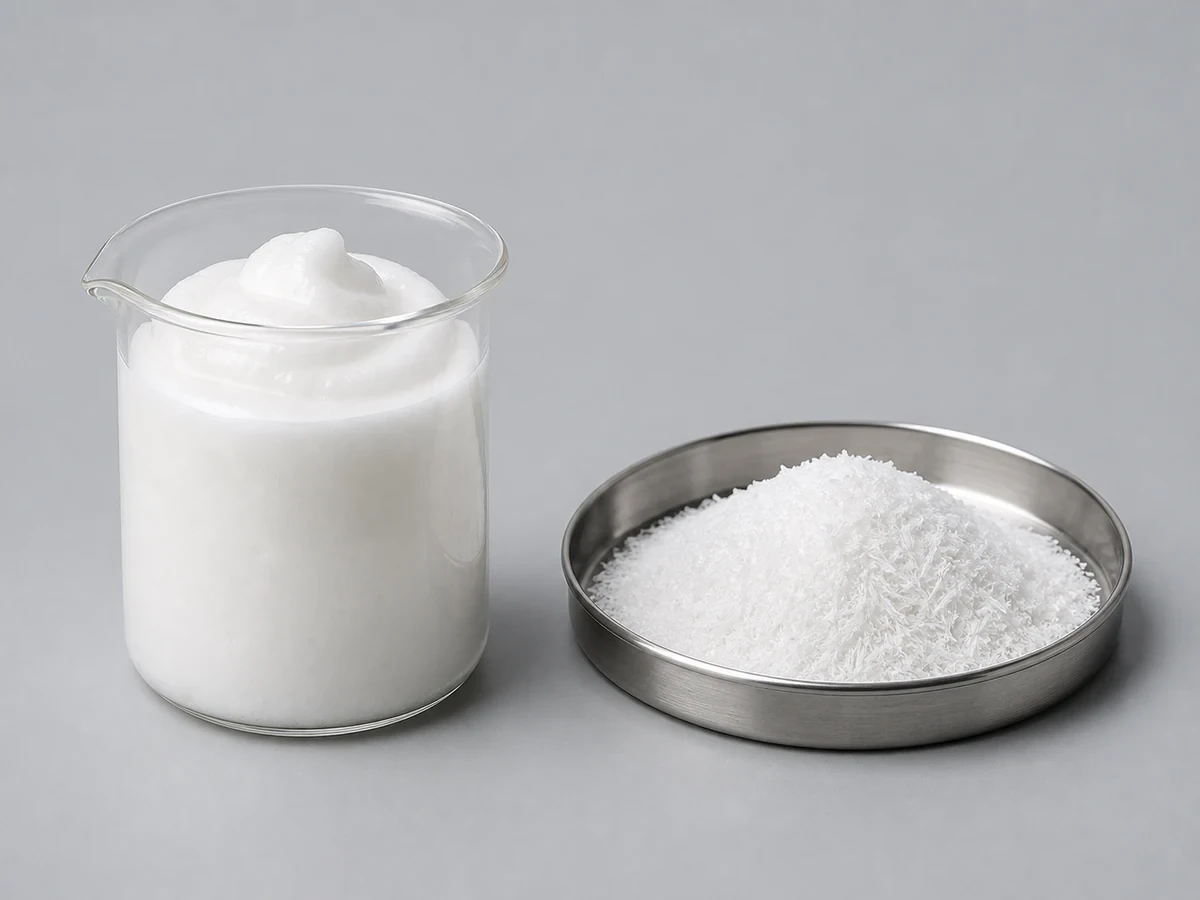
Beaker of foaming surfactant paste beside white surfactant needles

Surfactants & Emulsifiers

Surfactants are made by chemically modifying palm-derived fatty alcohols and methyl esters — for example sulphating fatty alcohols into alkyl sulphates (SLS), ethoxylating then sulphating them into ether sulphates (SLES), or sulphonating methyl esters into MES. They lower surface tension to clean, foam, wet and emulsify.

Know more
White distilled monoglyceride beads and flakes labelled as food emulsifier E471

Mono- & Di-glycerides

Mono- and di-glycerides are produced by reacting (glycerolysis of) palm oil or fully/partially hydrogenated palm fats with glycerine. Registered as food additive E471, they are among the most widely used emulsifiers in processed food.

Know more
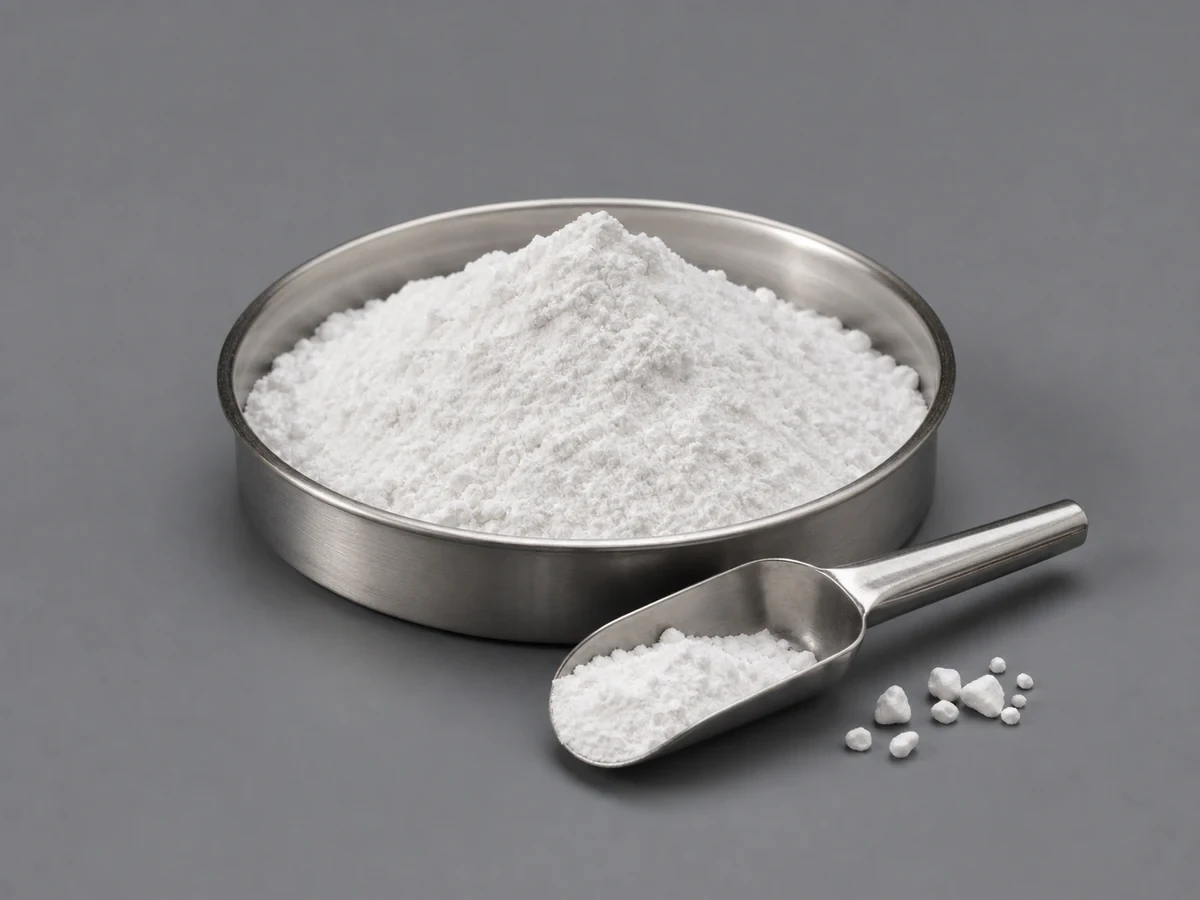
Fine white metallic stearate powder in a dish with a scoop

Metallic Stearates

Metallic stearates are metal salts of stearic (and palmitic) acid, made by precipitation or fusion of the fatty acid with zinc, calcium or magnesium sources. Each metal gives a slightly different function across plastics, rubber, pharma and cosmetics.

Know more

Energy & biofuel

(4 products)

Palm oil and its fractions are among the world's largest feedstocks for liquid biofuels, from mandated biodiesel blends across Southeast Asia to renewable diesel refined in Europe and the US. This category covers the main energy-linked palm derivatives and the co-products that accompany their production.

Co-products, biomass & nutraceuticals

(7 products)

Beyond crude palm and palm kernel oil, every tonne of fresh fruit bunches yields a stream of solid residues and minor components that carry their own markets. These range from lignocellulosic biomass fuels traded into Asian power grids to high-value vitamin E and carotenoid concentrates recovered for the nutraceutical, food and cosmetics sectors.

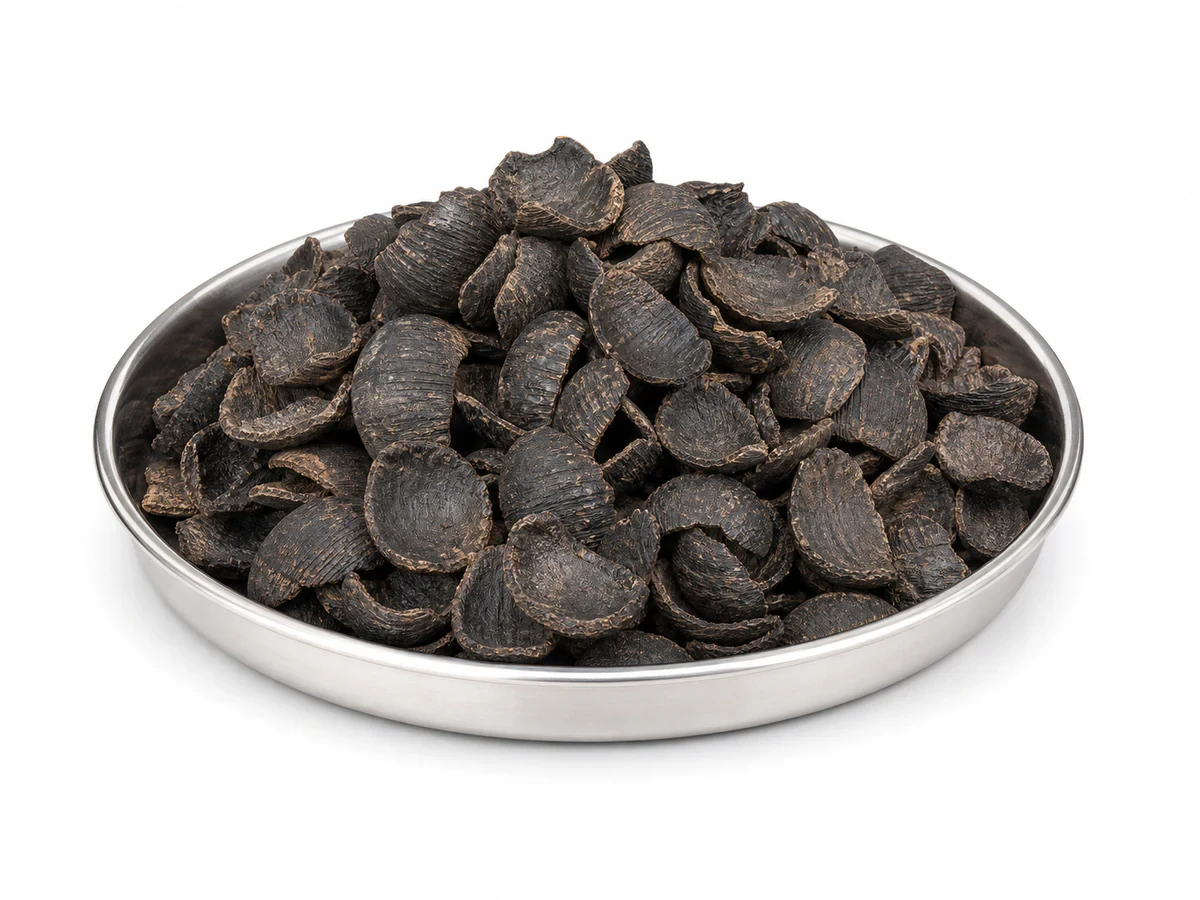
Pile of hard dark-brown palm kernel shell fragments used as biomass fuel

Palm Kernel Shell

The hard woody endocarp fragments left after palm nuts are cracked and the kernels removed at the mill. It is a dry, low-ash, low-sulphur lignocellulosic residue with a relatively high calorific value for a biomass fuel, typically around 4,000–4,500 kcal/kg.

Know more
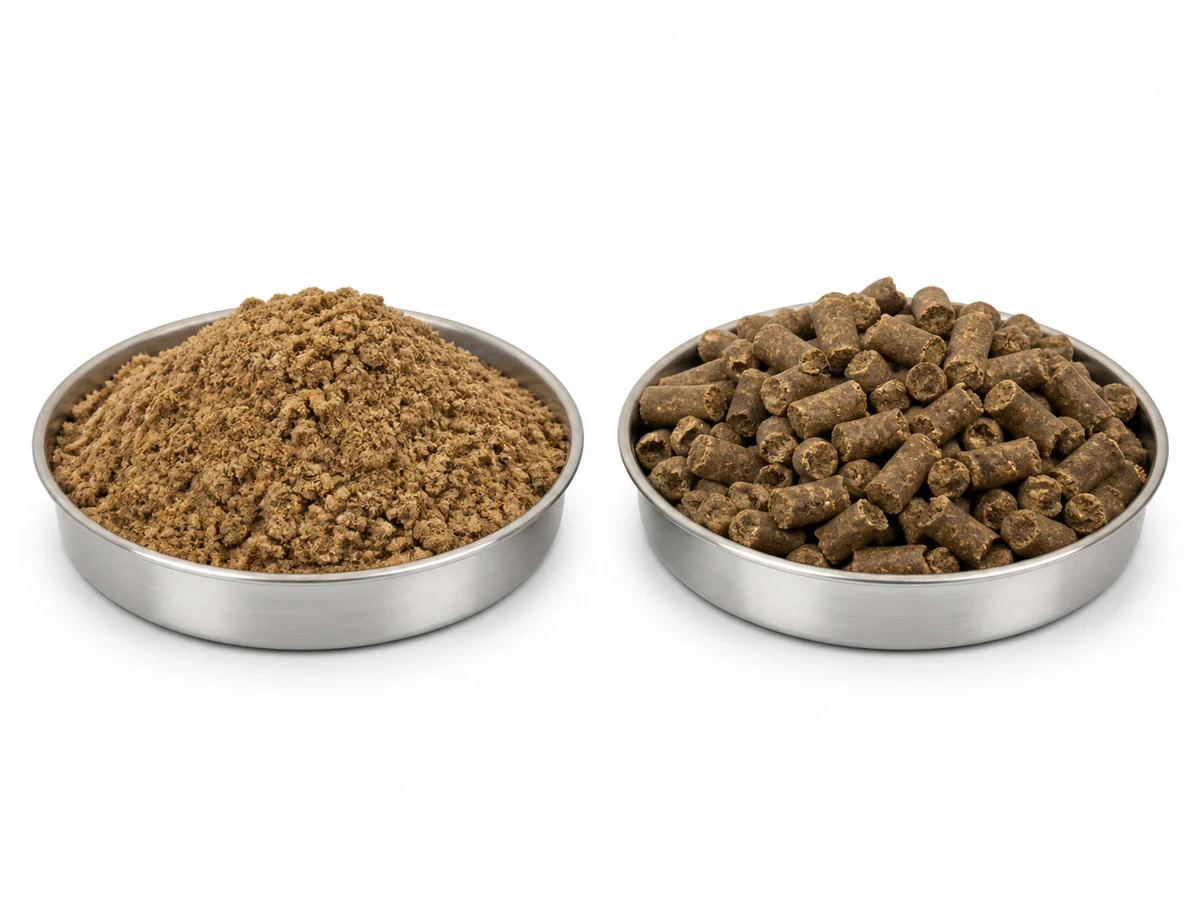
Coarse light-brown palm kernel expeller meal and pellets used as animal feed

Palm Kernel Expeller

The fibrous solid residue remaining after oil is extracted from the palm kernel: mechanical pressing yields the higher-oil expeller, while solvent extraction yields a lower-oil meal or cake. It retains roughly 14–18% crude protein, high crude fibre and some residual oil (more so in the pressed grade).

Know more
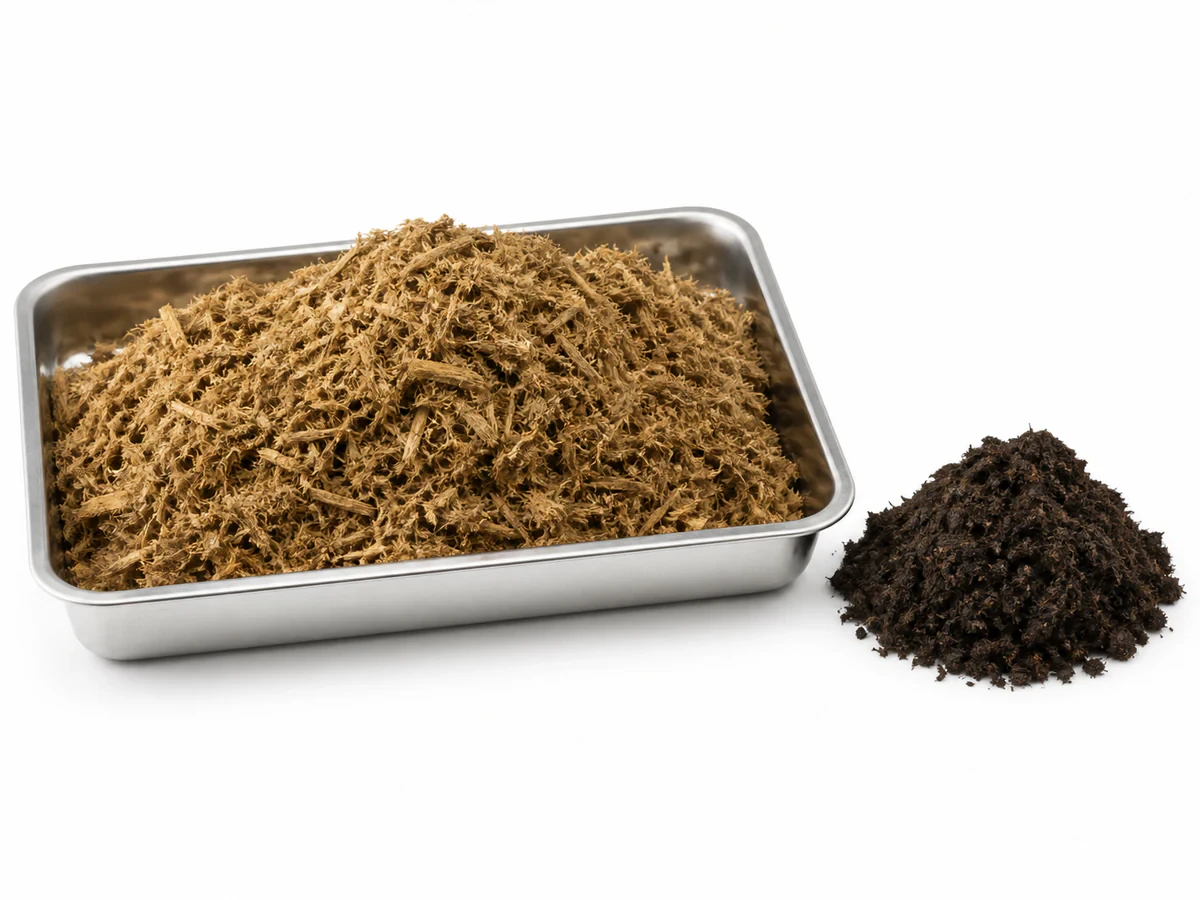
Shredded brown empty fruit bunch fibre alongside dark palm compost

Empty Fruit Bunch Fibre & Compost

The empty bunch stalks left after fresh fruit bunches are sterilised and stripped of their fruitlets. This bulky, moist fibrous biomass is shredded and pressed into fibre, or composted, often with palm oil mill effluent.

Know more
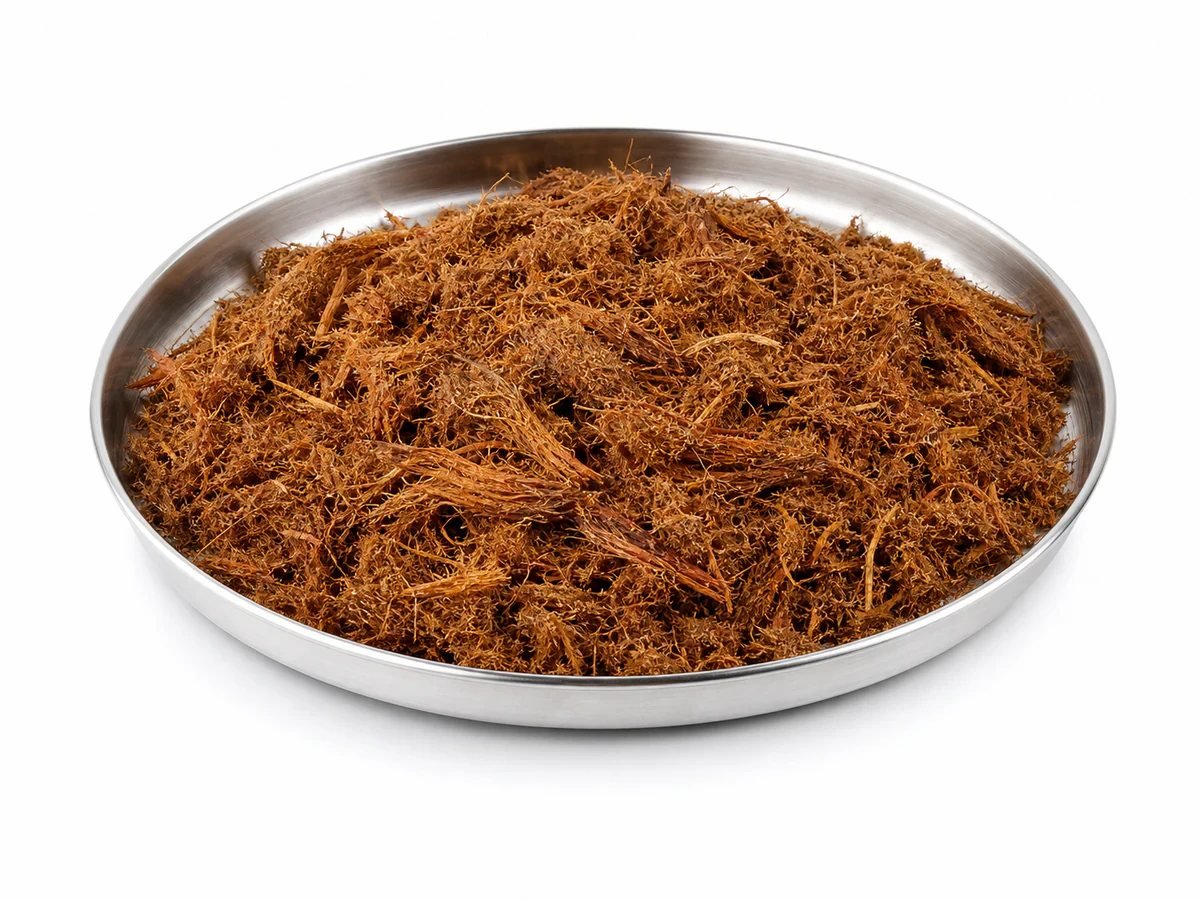
Loose reddish-brown mesocarp press fibre strands from a palm oil mill

Mesocarp Fibre

The fibrous residue separated from the pressed fruit pulp (mesocarp) during crude palm oil extraction. It retains several percent of residual oil and is typically burned on-site to raise steam and power for the mill.

Know more
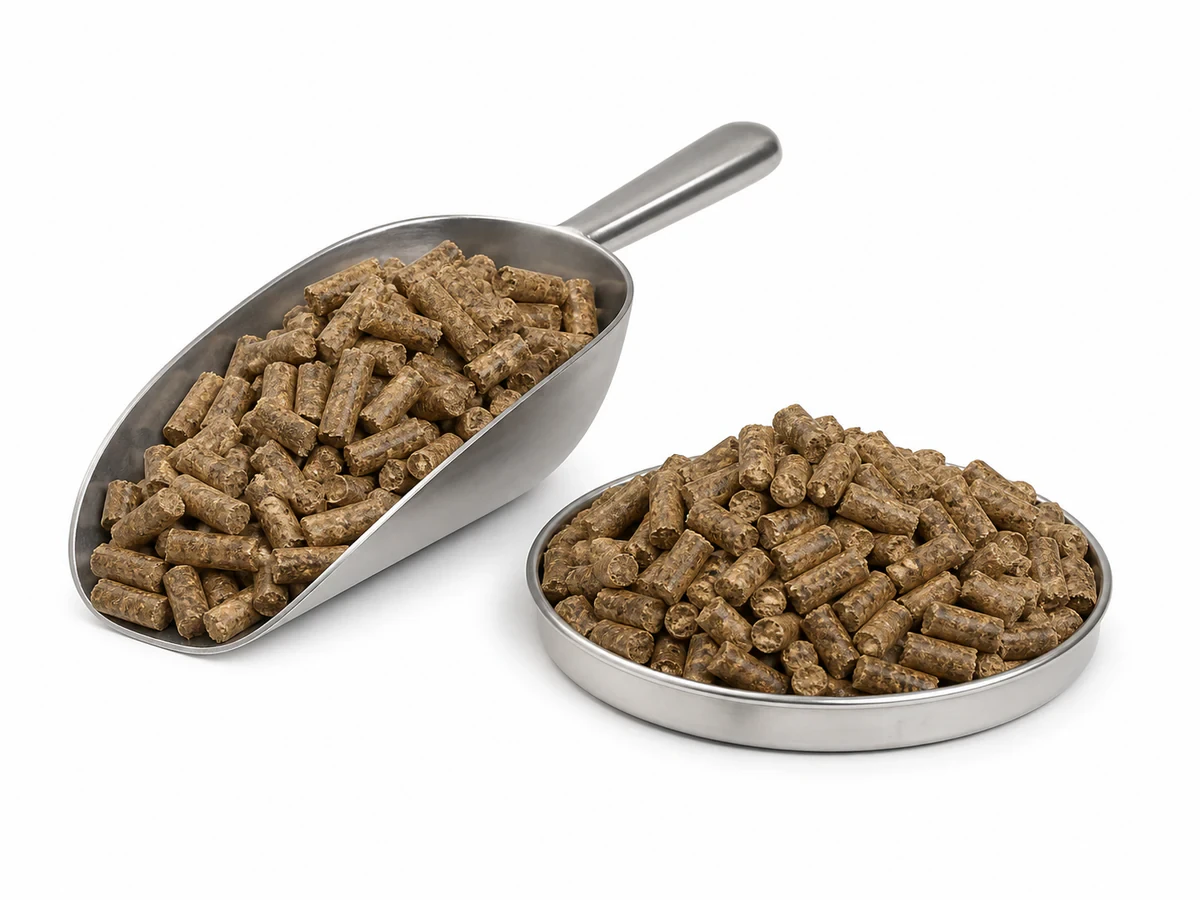
Uniform cylindrical brown palm biomass fuel pellets in bulk

Palm Biomass Pellets

Uniform pellets produced by grinding and compressing palm residues such as empty fruit bunches, mesocarp fibre, kernel shell or fronds. Densification raises energy density and greatly improves handling, storage and export economics versus loose biomass.

Know more
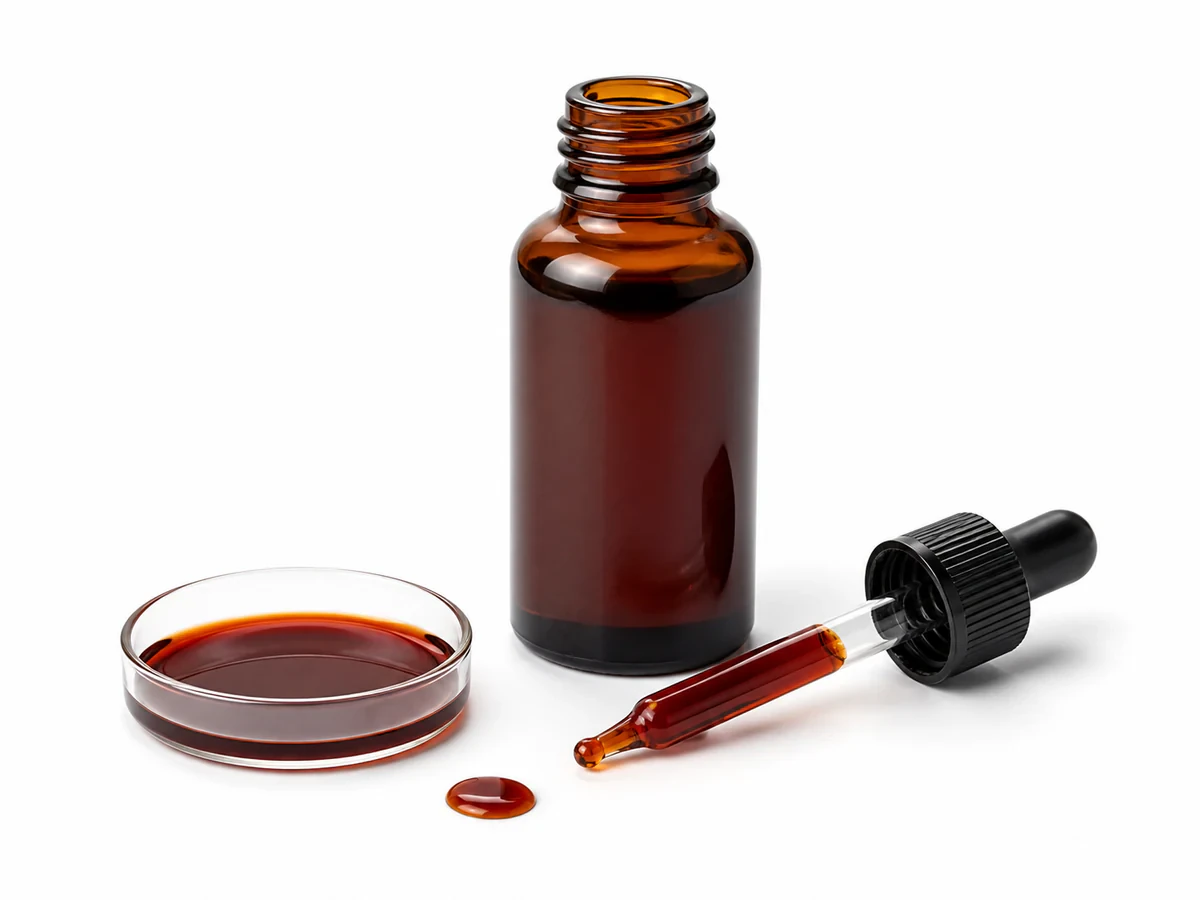
Vial of viscous amber palm tocotrienol vitamin E concentrate

Palm Tocotrienol / Full-Spectrum Vitamin E

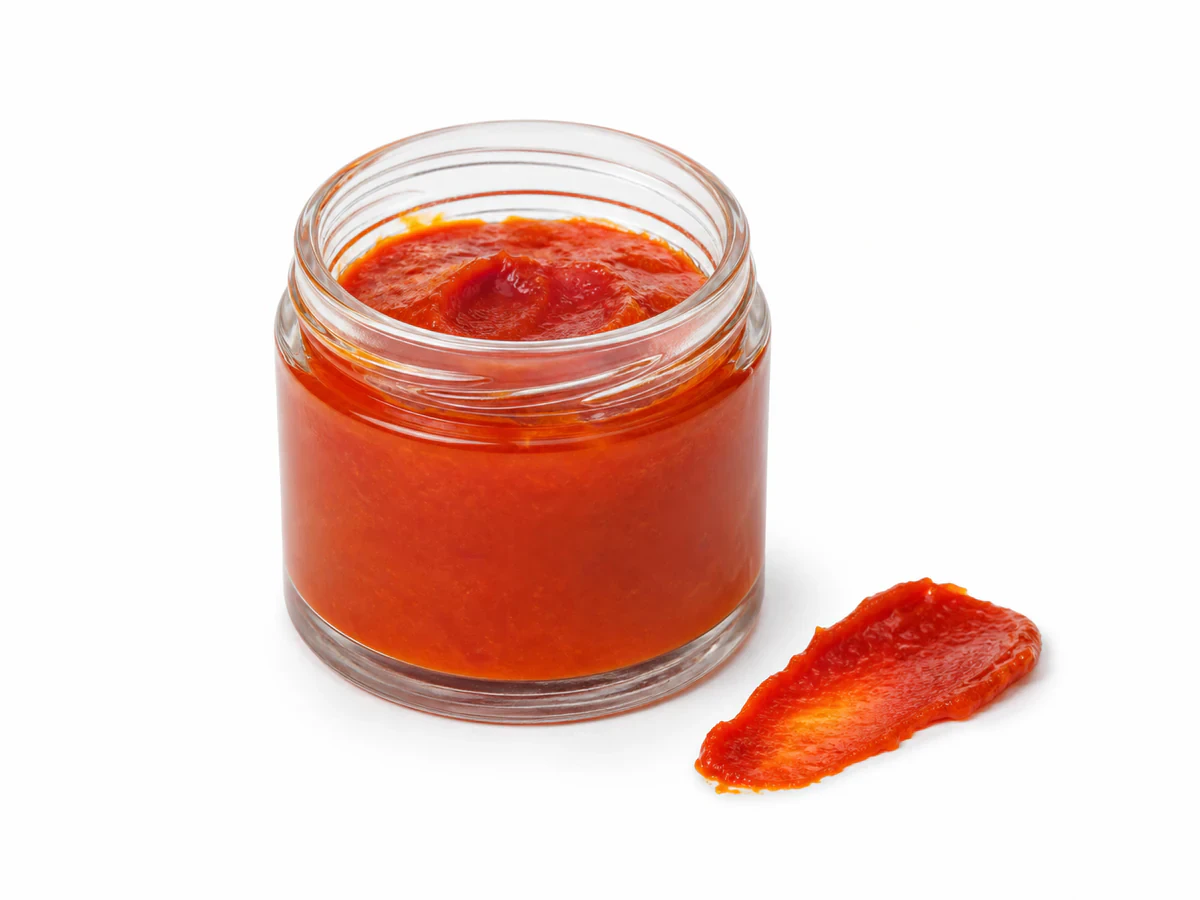
A natural vitamin E concentrate rich in tocotrienols and tocopherols, recovered chiefly from palm fatty acid distillate (into which the volatile tocols distil over during physical refining) or retained in red palm oil, typically via molecular distillation and further purification. Palm is distinctive for supplying vitamin E dominated by tocotrienols rather than tocopherols.

Know more
Deep red-orange viscous palm carotene concentrate in a laboratory flask

Palm Carotene Concentrate

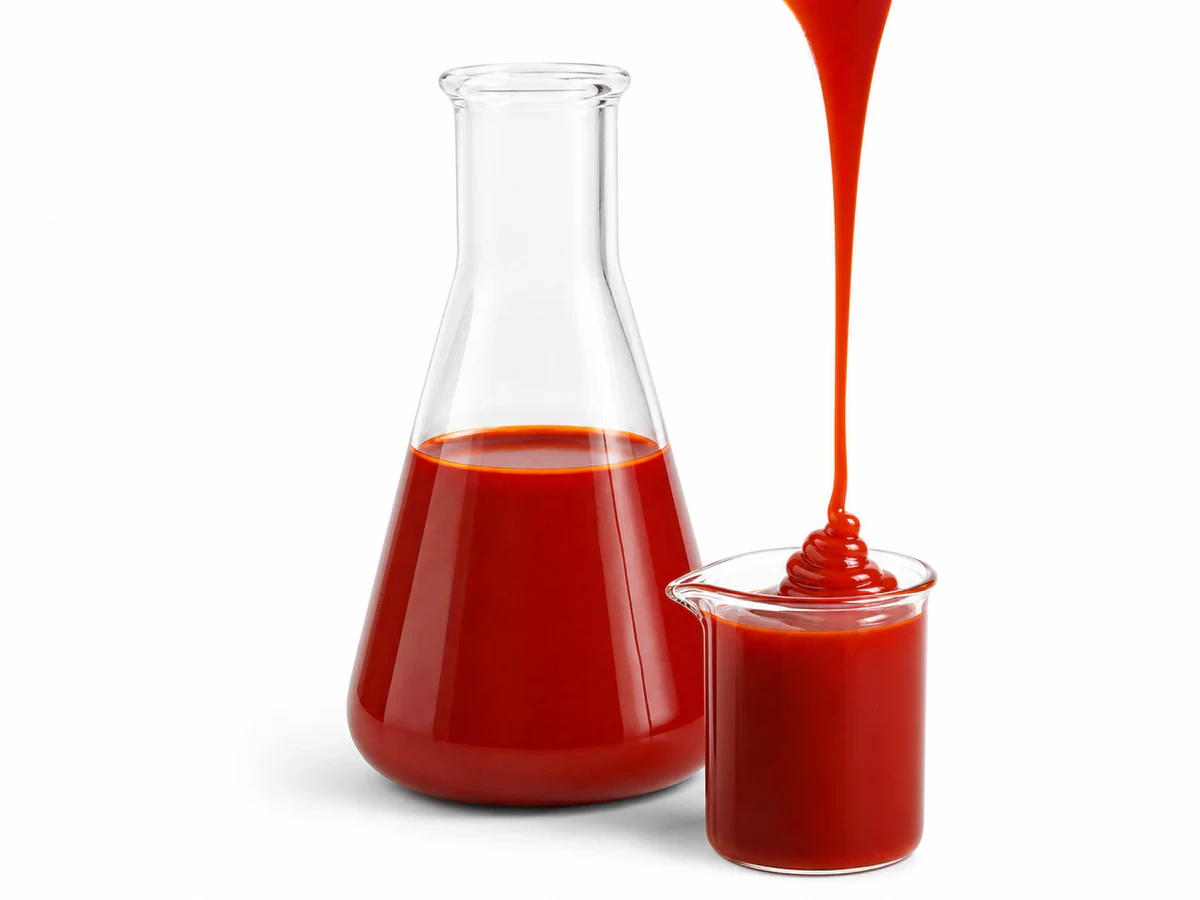
A concentrate of natural carotenoids, predominantly alpha- and beta-carotene, recovered from crude (unrefined) palm oil, which carries roughly 500–700 ppm of these pigments. Because carotenoids are almost entirely destroyed by conventional deodorising heat, concentrates are made by non-destructive routes such as transesterification followed by molecular distillation, or preserved by the mild processing used for red palm oil.

Know more

Product imagery is representative and may vary by grade, temperature and handling. Descriptions are for general information; grades and specifications are confirmed per shipment.

Looking to source these products?

Specify the product type, specifications, and shipment volume — we connect you directly with qualified shipments produced by our verified refineries, factories, and suppliers.

Request Sourcing Quote →