of a fruit
that changed
the world
The Palm Oil History
The global newspaper dedicated to the past, present and future of palm oil
edition
From forest food to global commodity
Five Thousand Years
in a Single Fruit
How one African fruit travelled through ancient trade, Atlantic commerce, industrial Europe and Asian plantation science to become the world’s most widely used vegetable oil.
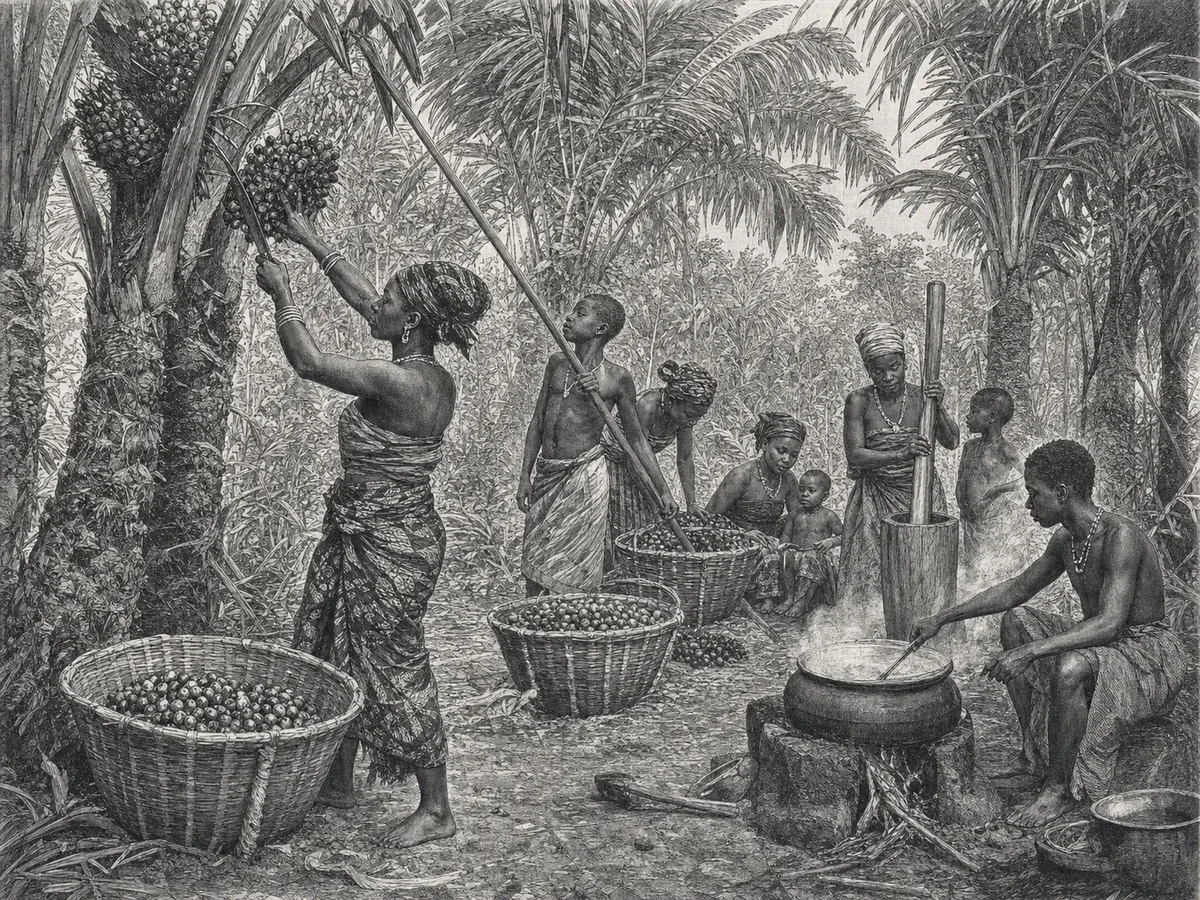
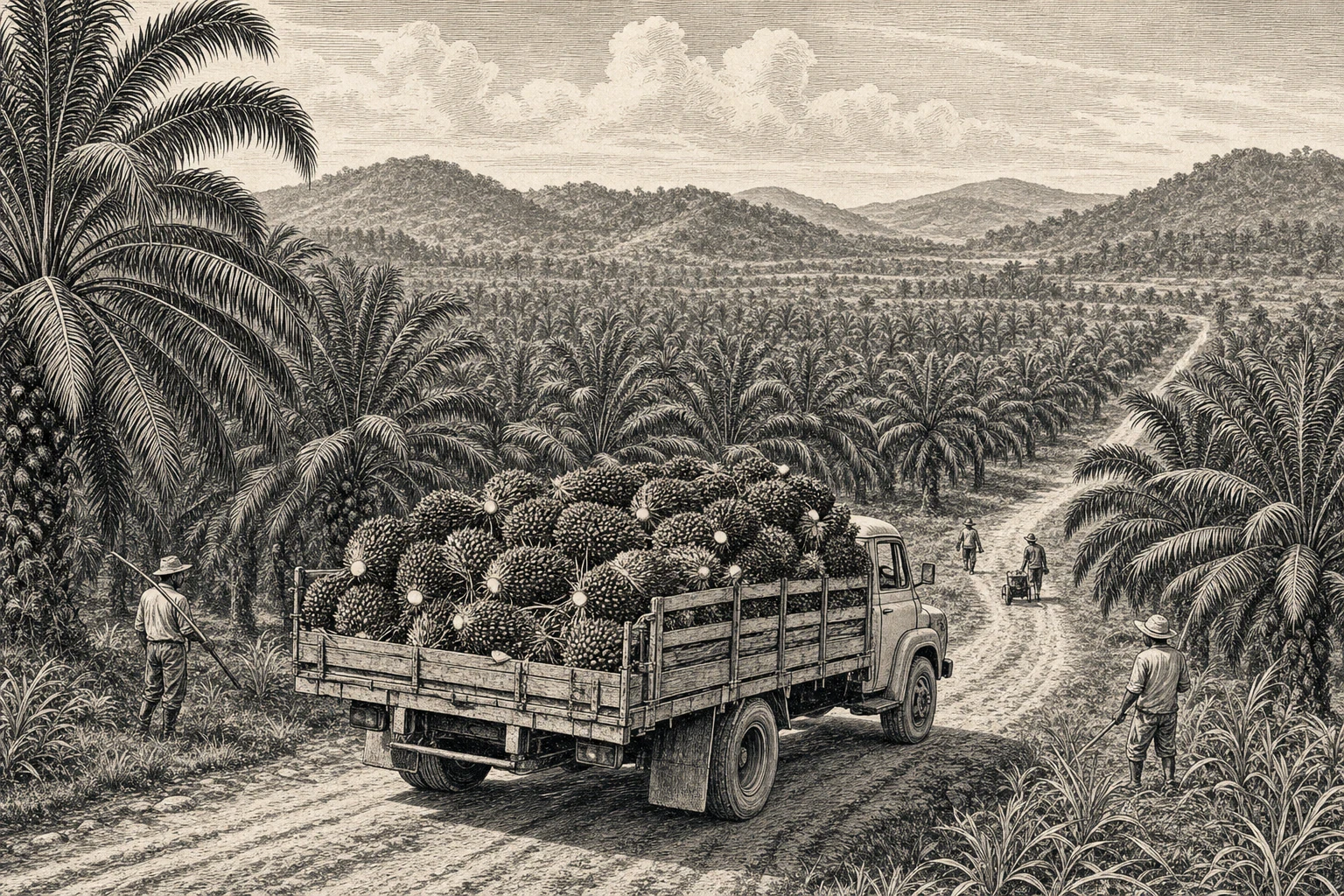
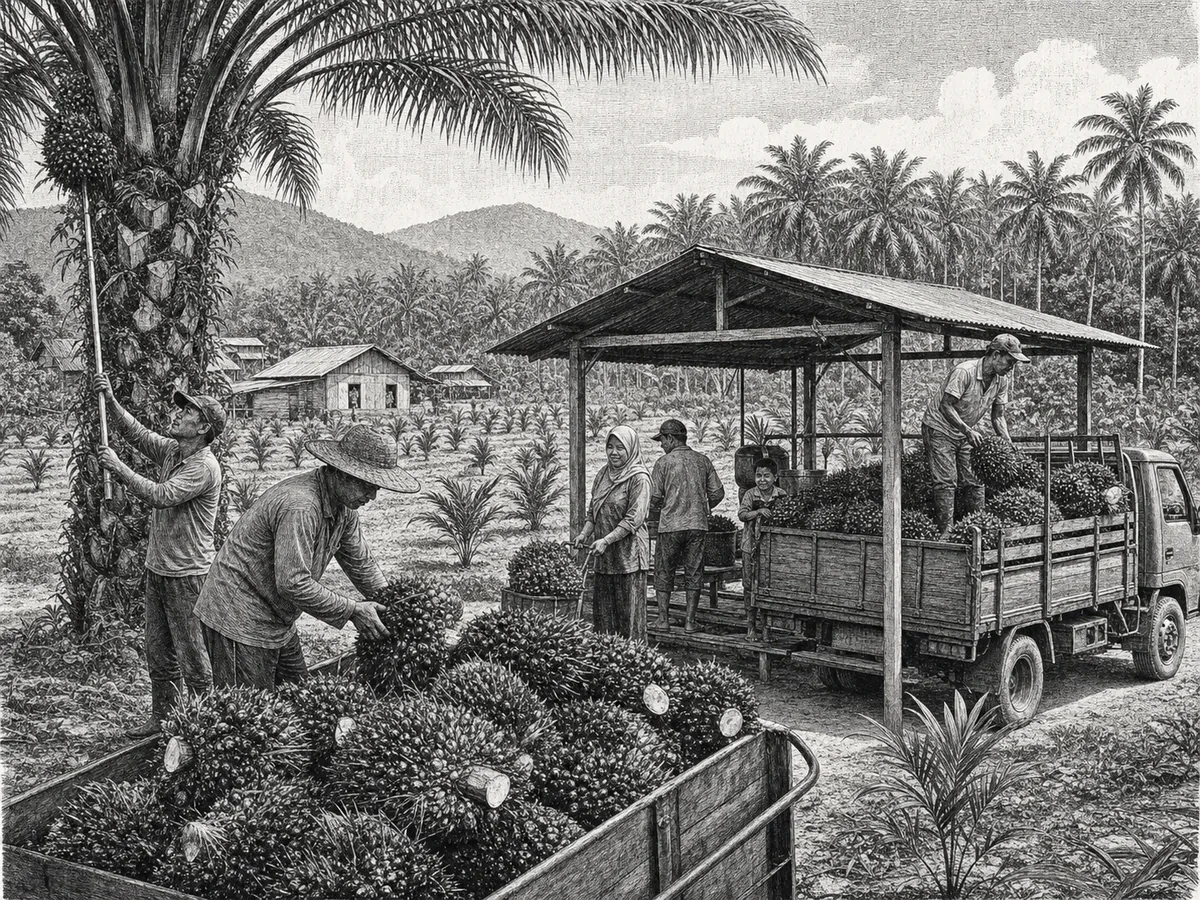
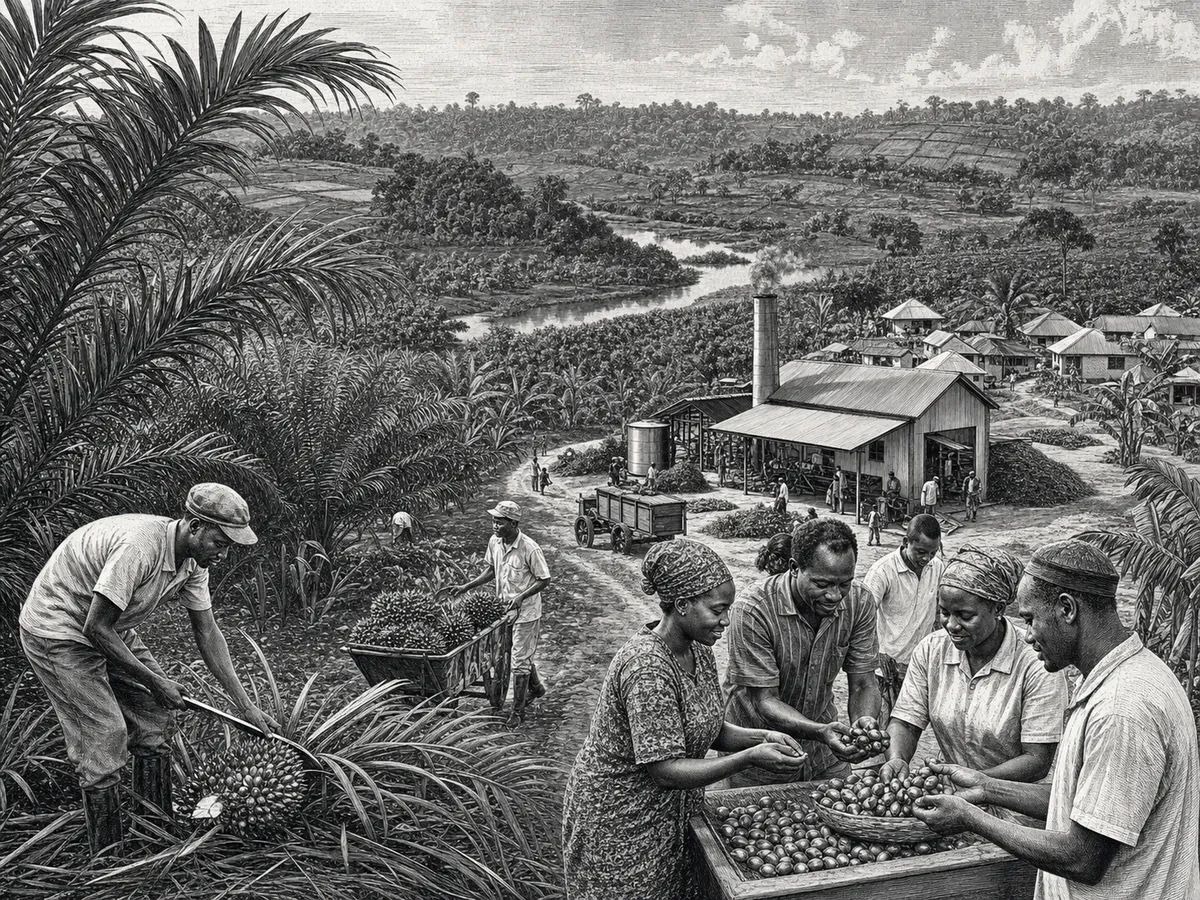
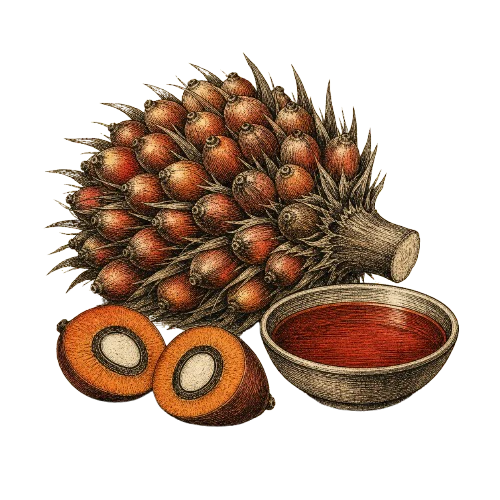
Palm oil begins not with a refinery or a futures exchange, but with a tree in the rainforests of West and Central Africa. Communities learned to boil and pound its fruit, crack its kernels, ferment its sap and weave its fronds long before written records. That knowledge created two oils and a household economy from a single palm.
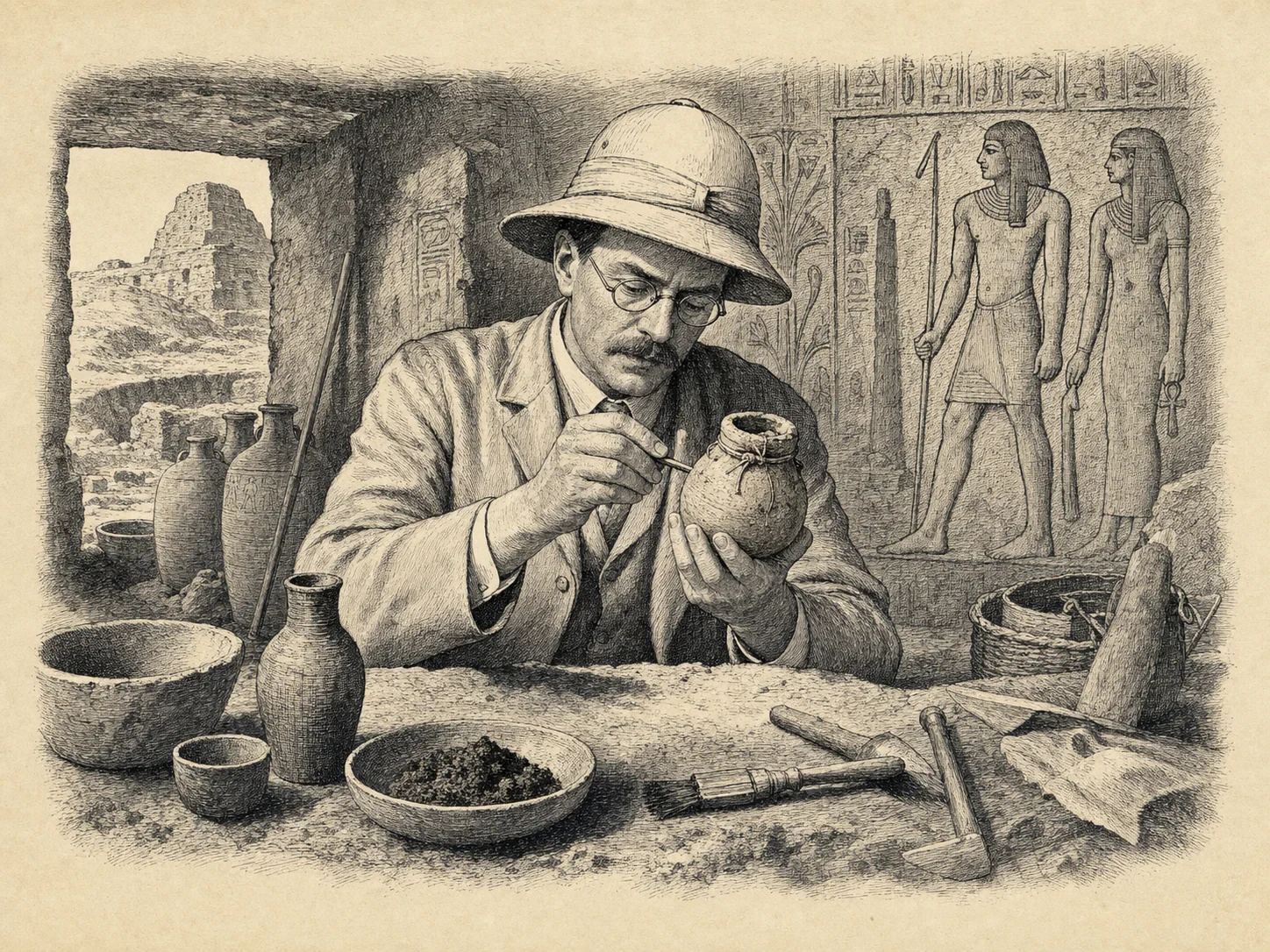
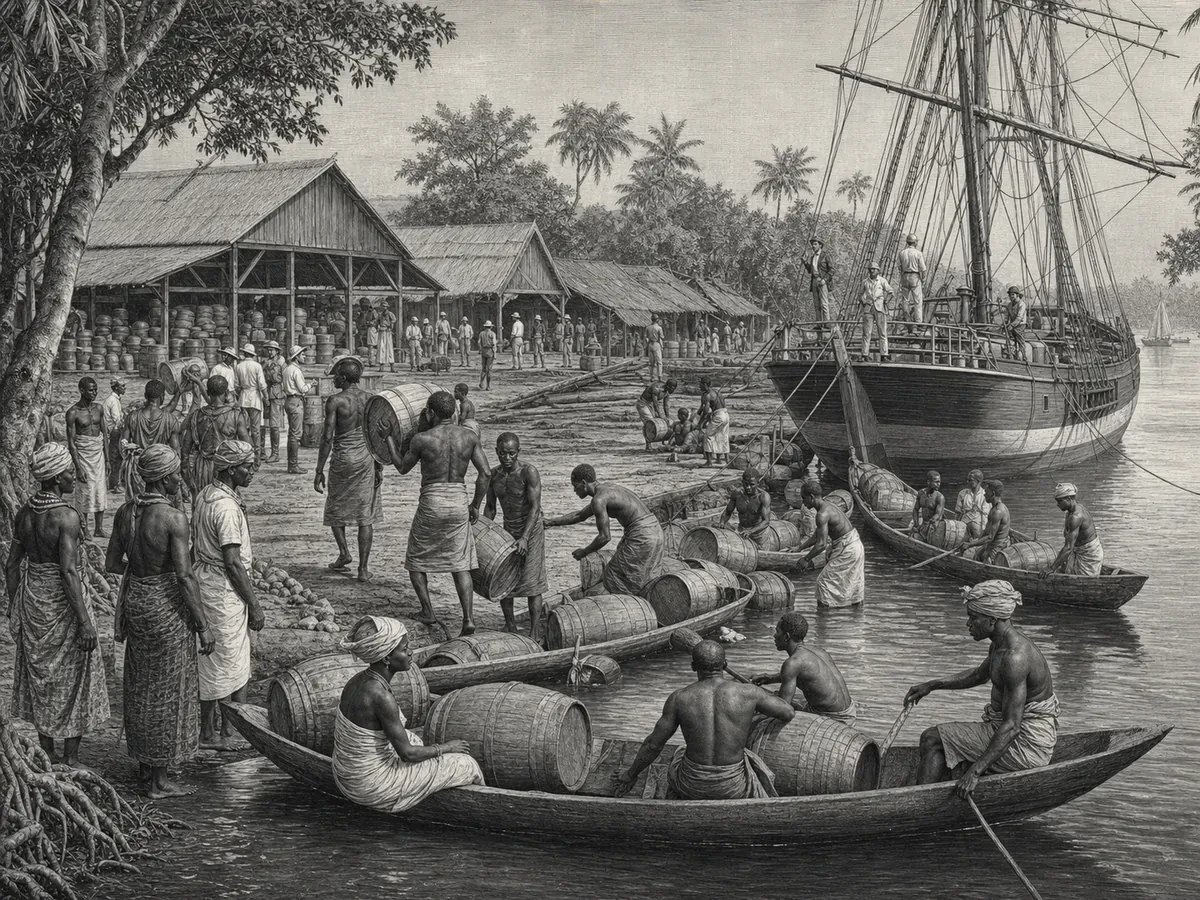
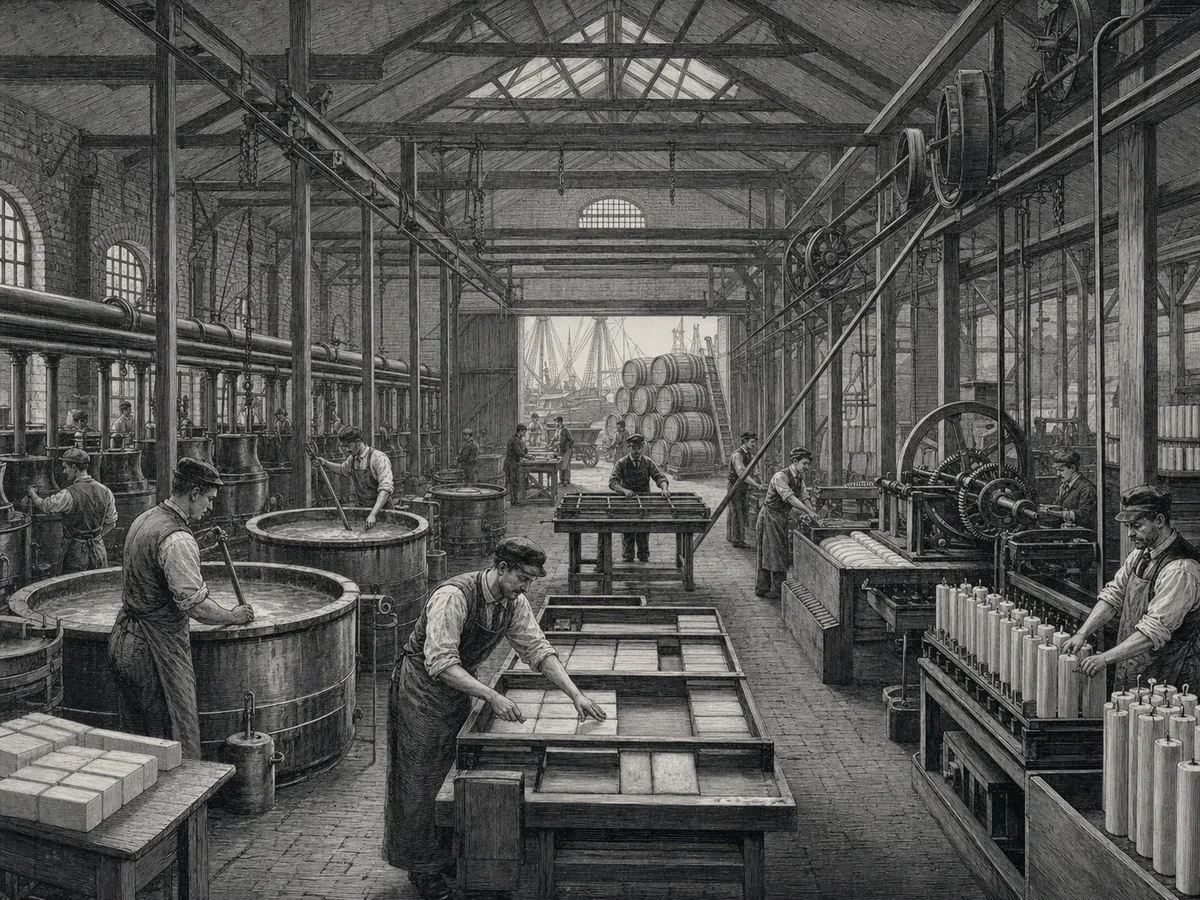
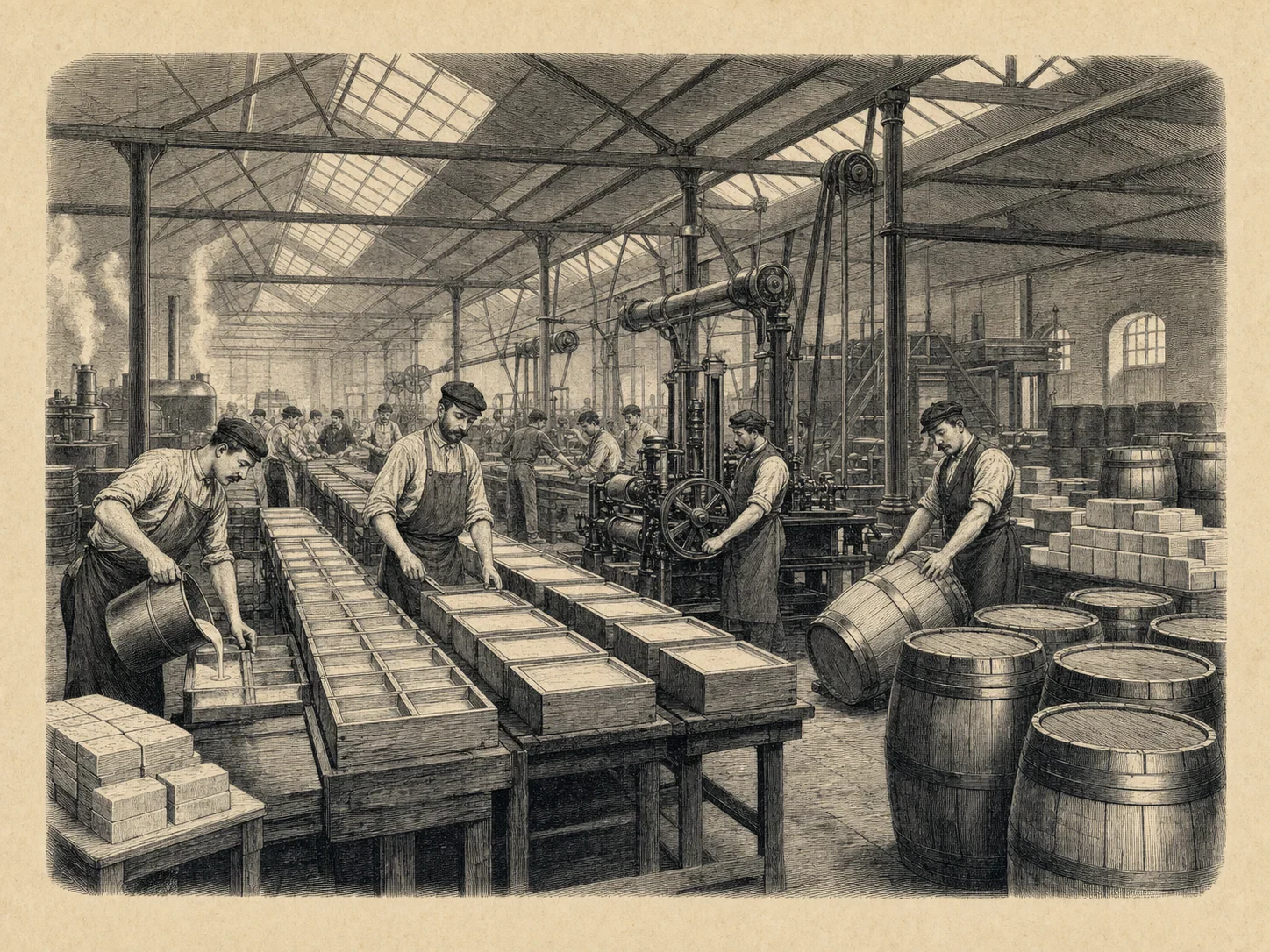
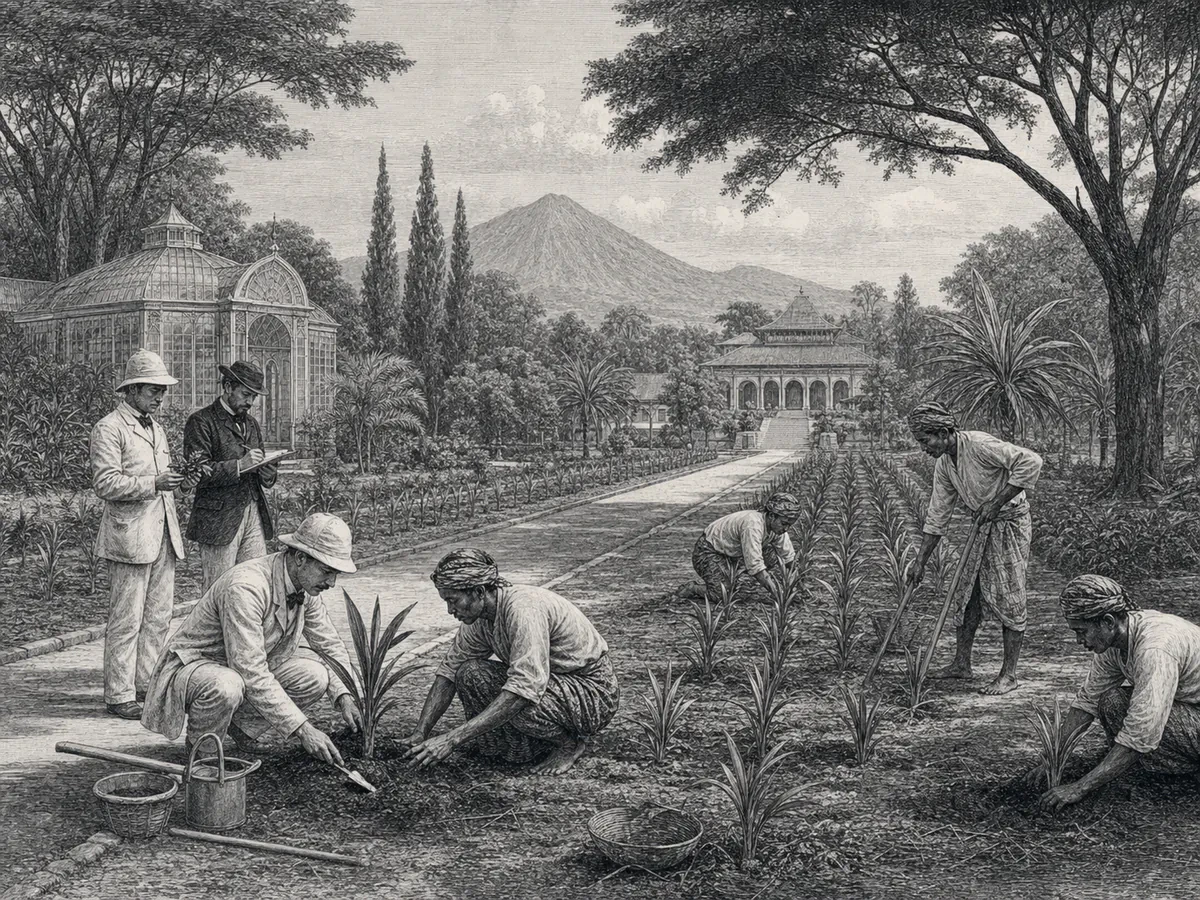
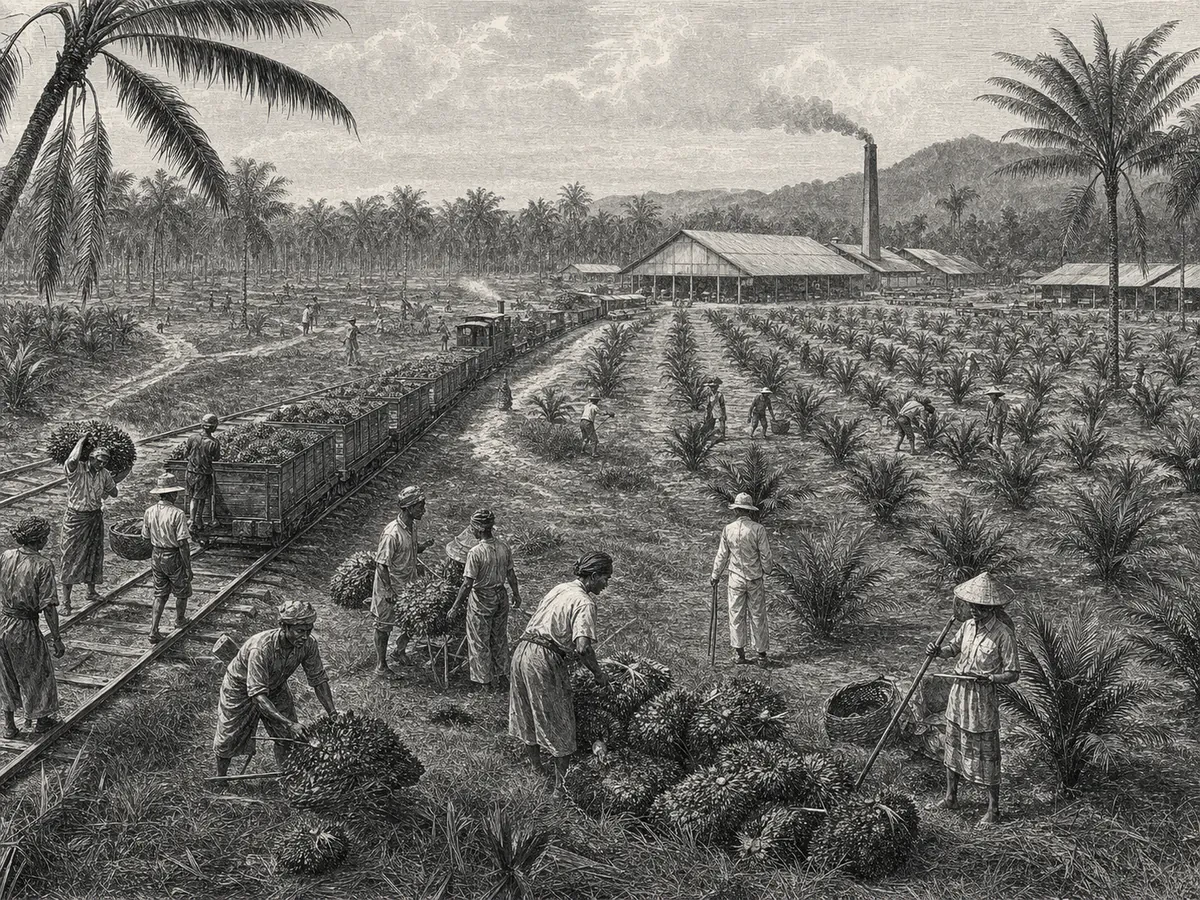
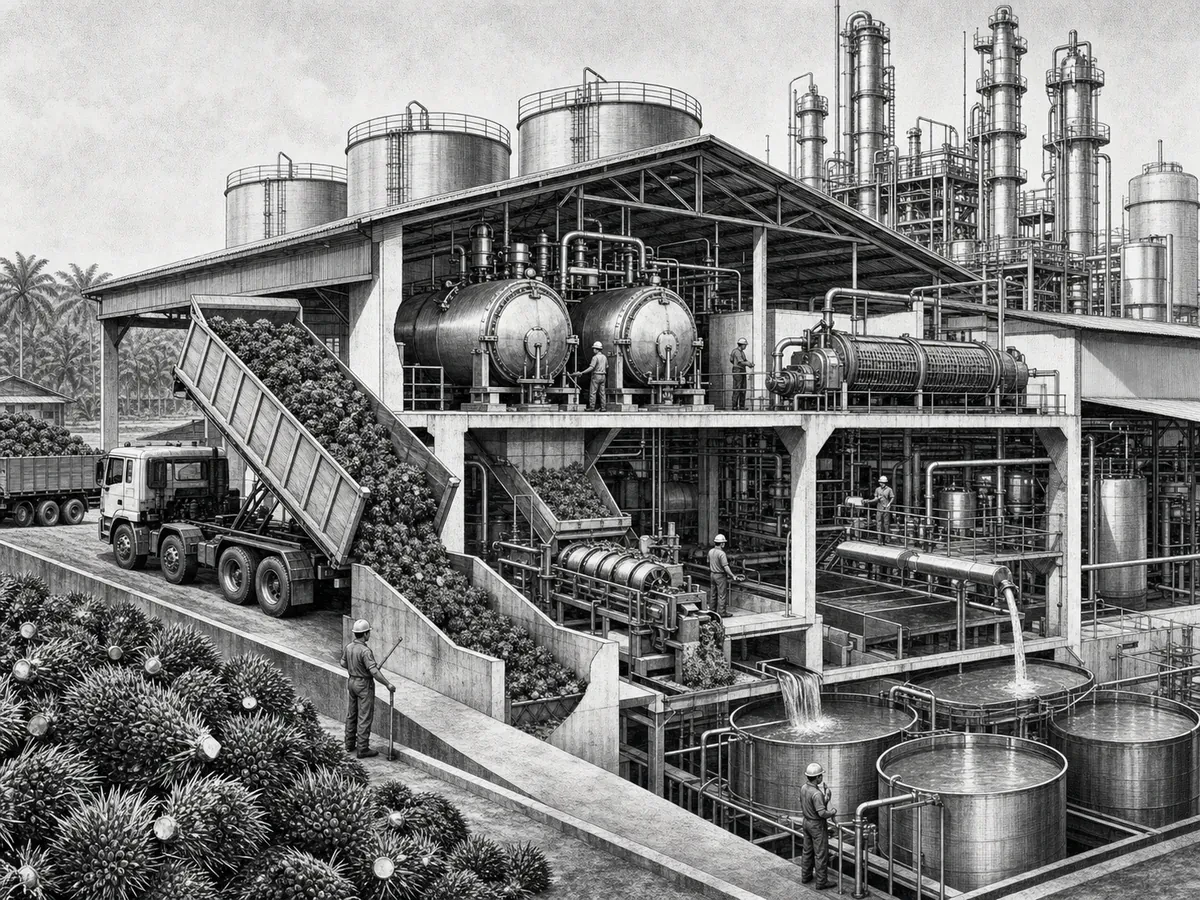
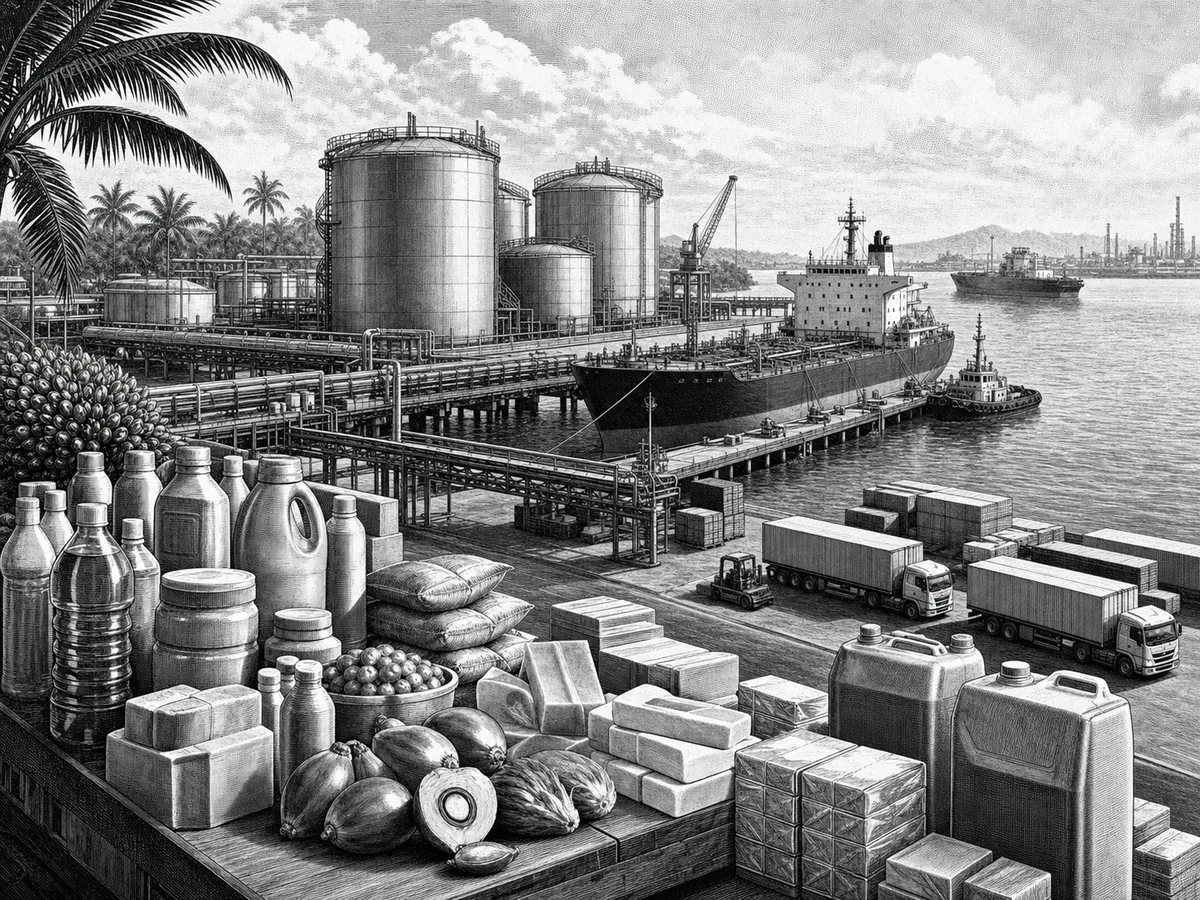
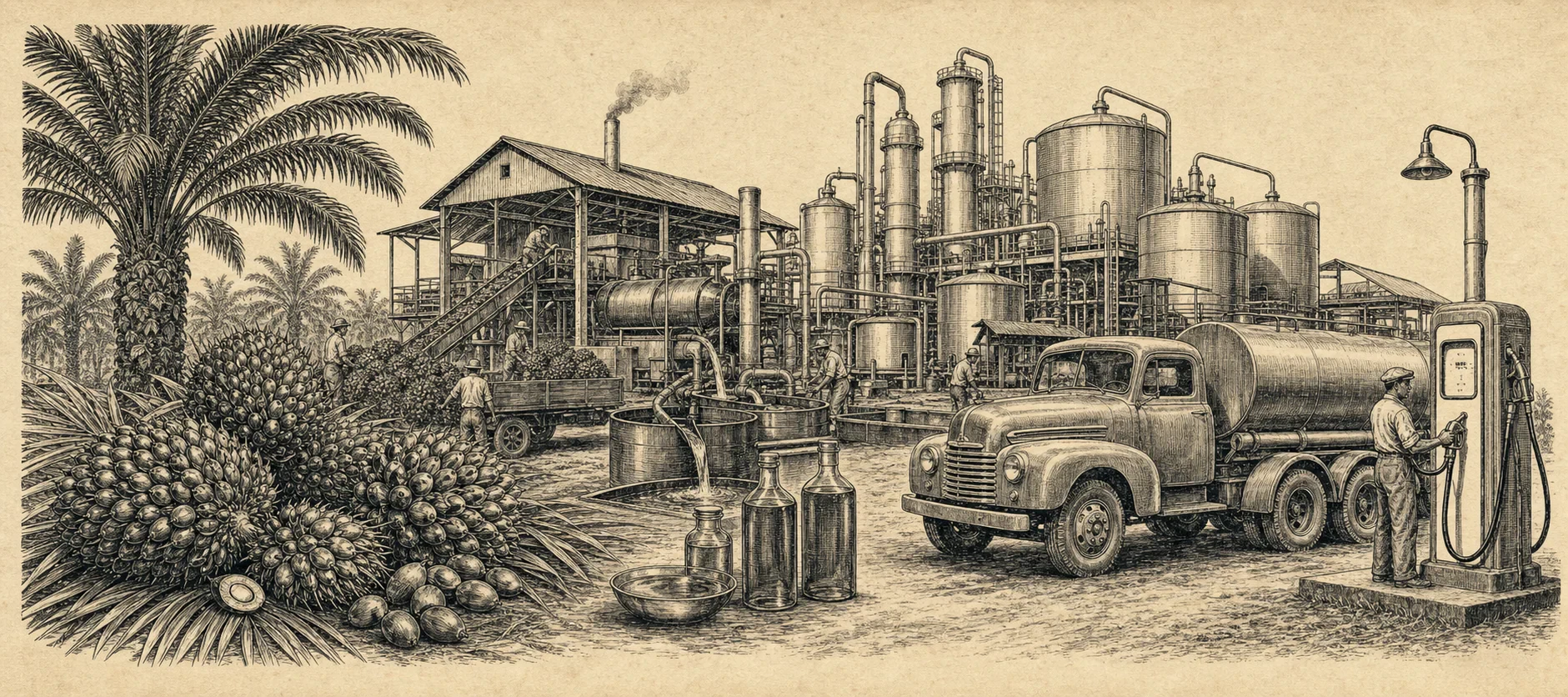
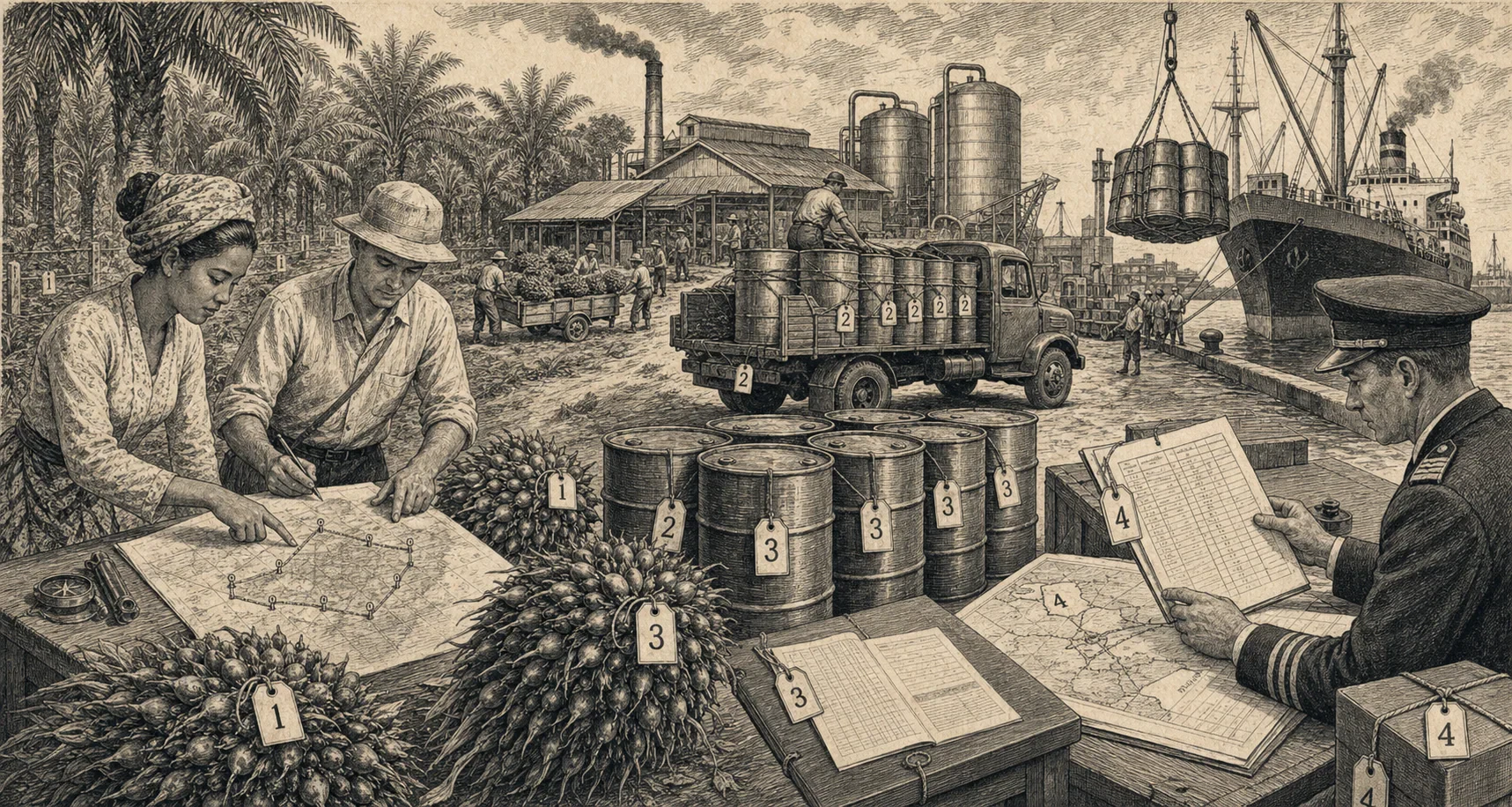
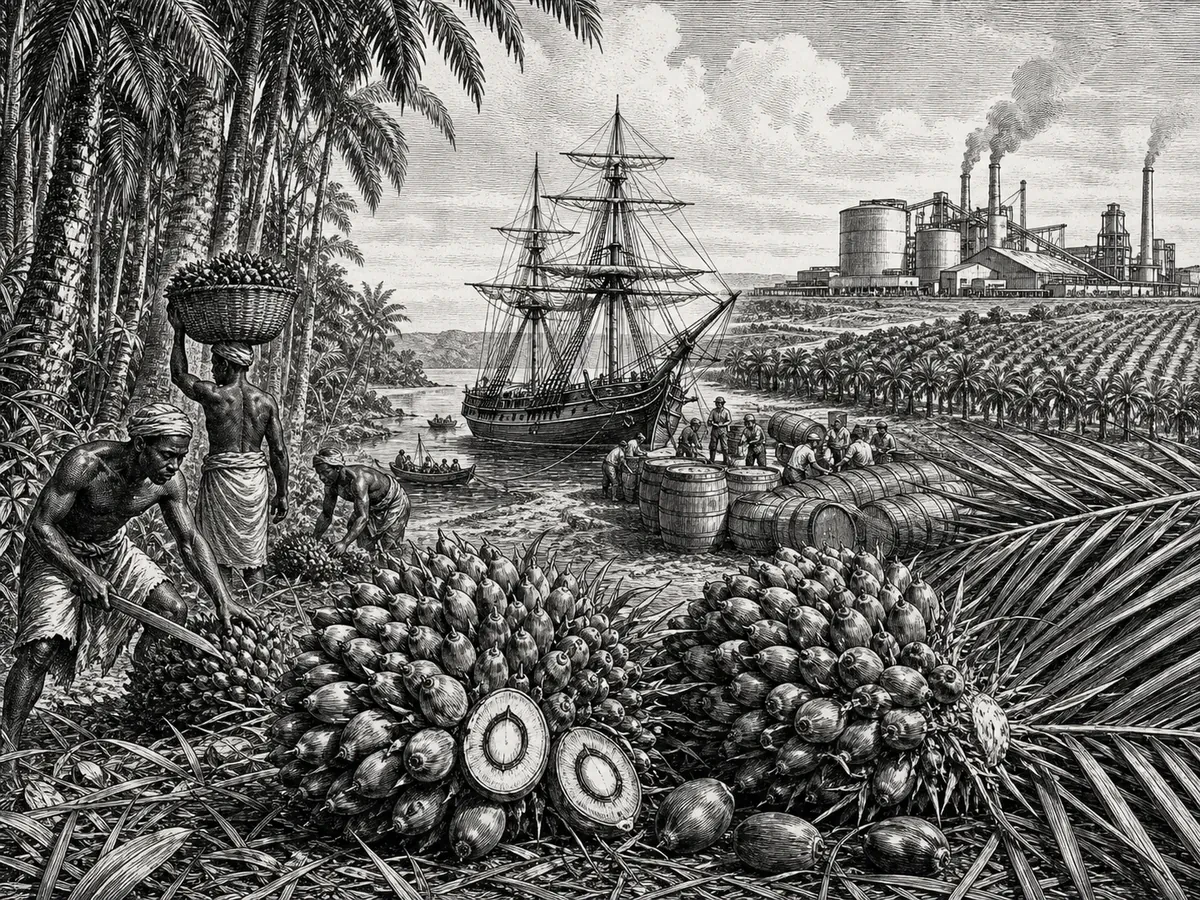
Over centuries the oil moved farther: perhaps to ancient Egypt, certainly along Atlantic routes, then in wooden casks to the soap works and factories of industrial Europe. In 1848 seedlings planted at Bogor in Java opened a second geography. Plantation breeding, mills and refineries eventually made Indonesia and Malaysia the centre of a global trade.
No other oil crop combines such high yield with such a complicated human and environmental history.
This edition follows that history without reducing it to either triumph or indictment. Palm oil has supported food security, industry and millions of livelihoods. Its expansion has also been tied to forest loss, unequal power and difficult labour. Both realities belong in the same newspaper.
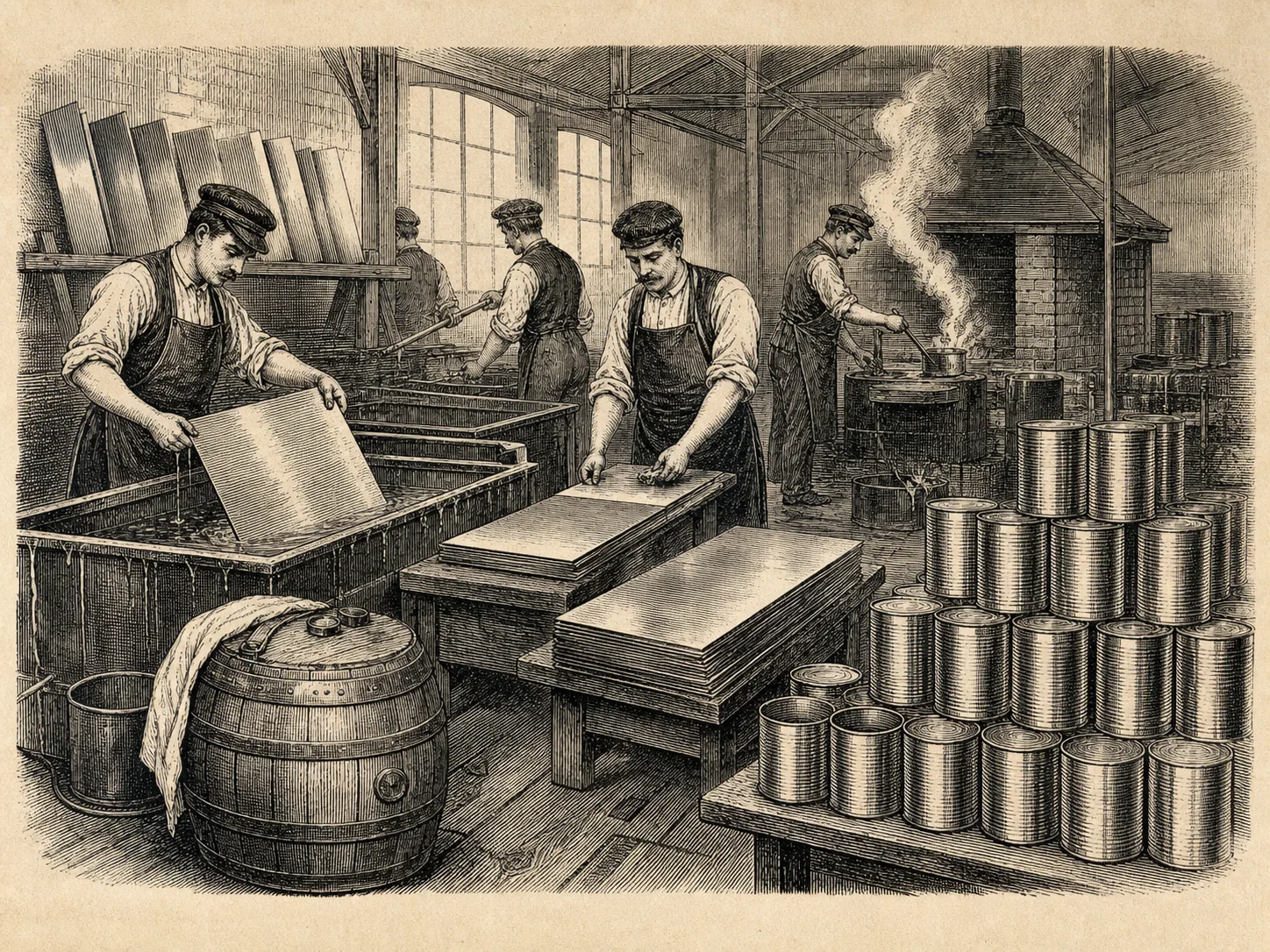
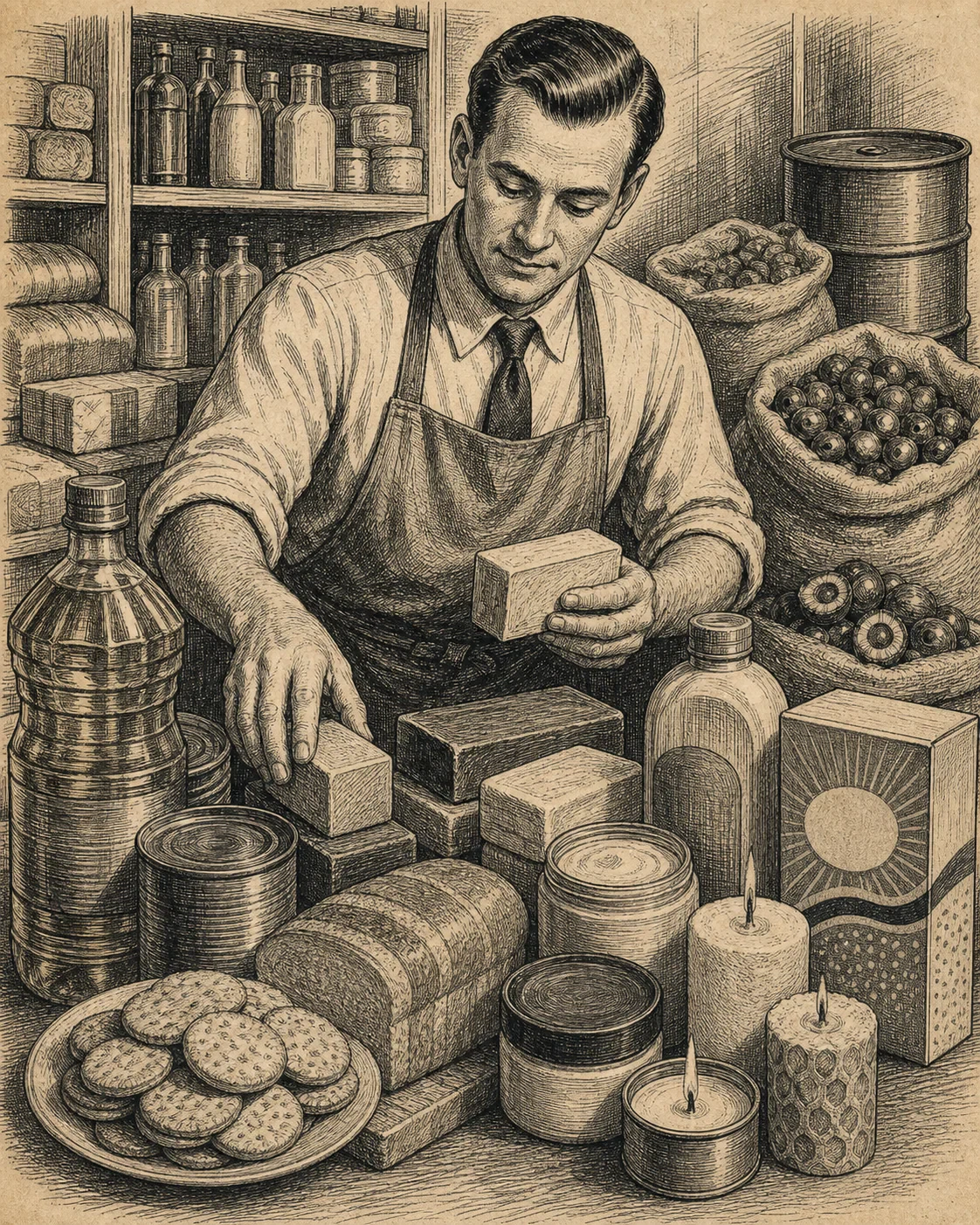
The details matter. The oil in an ancient jar, a cask at an African port, a bar of Victorian soap and a modern packet of biscuits belong to one connected story, but each was produced by different people, institutions and technologies.
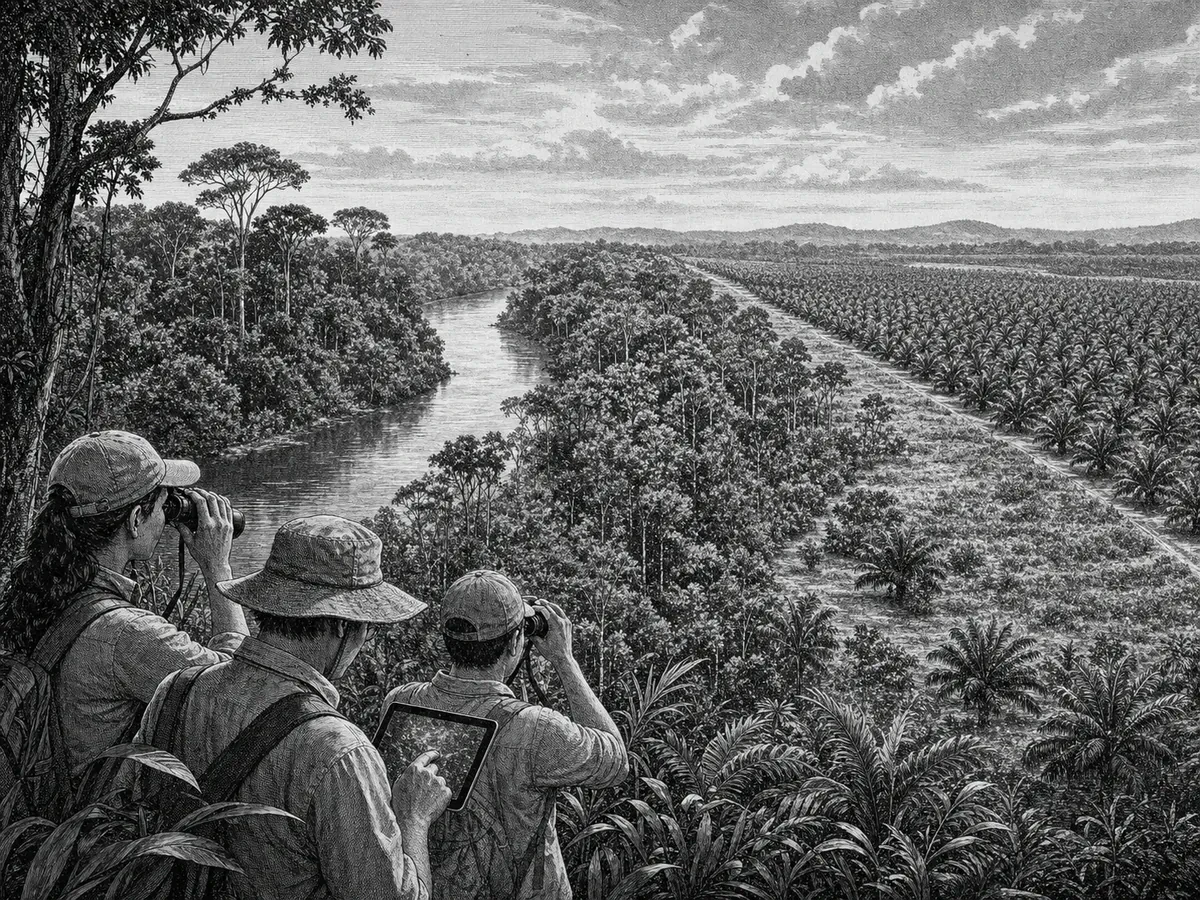
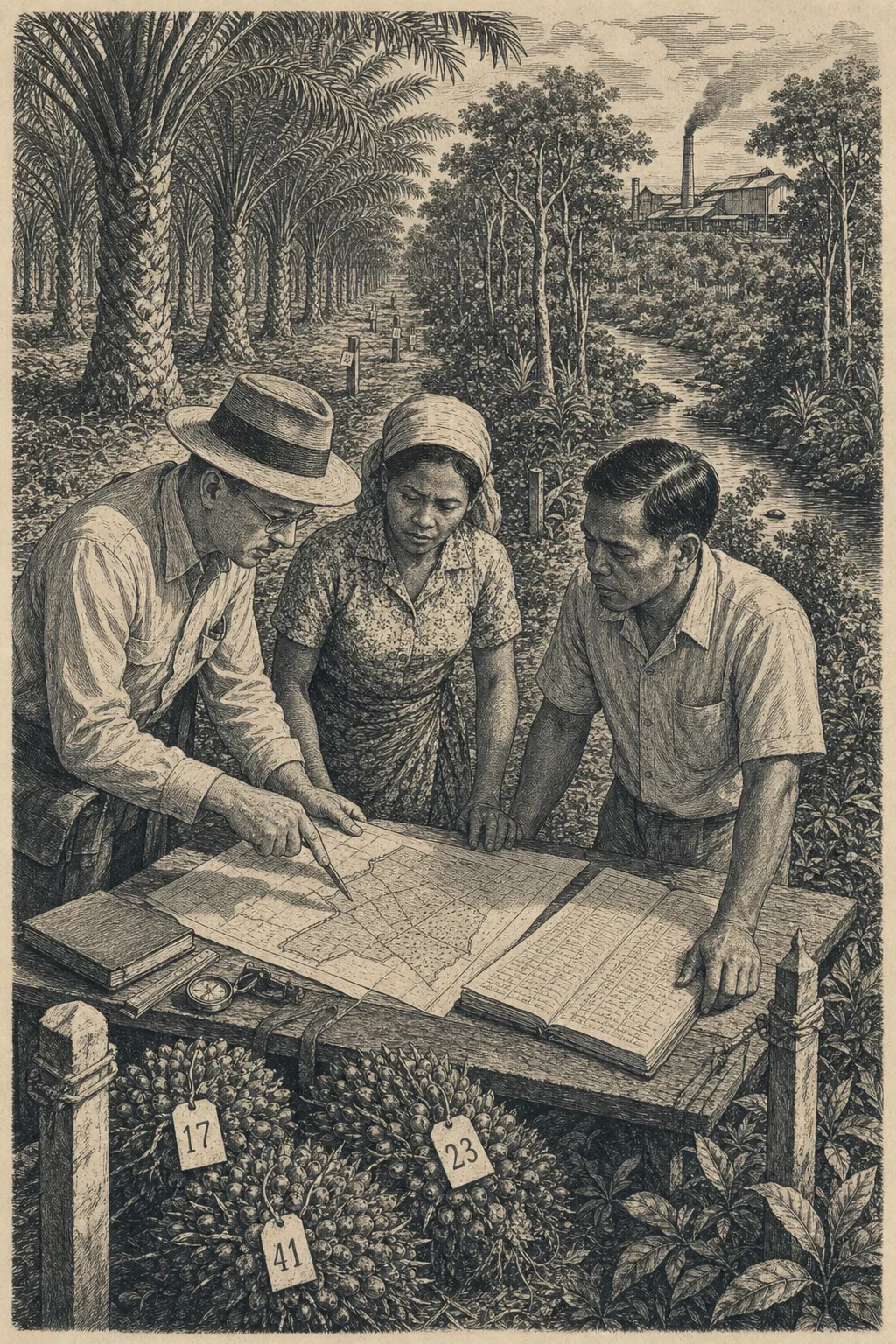
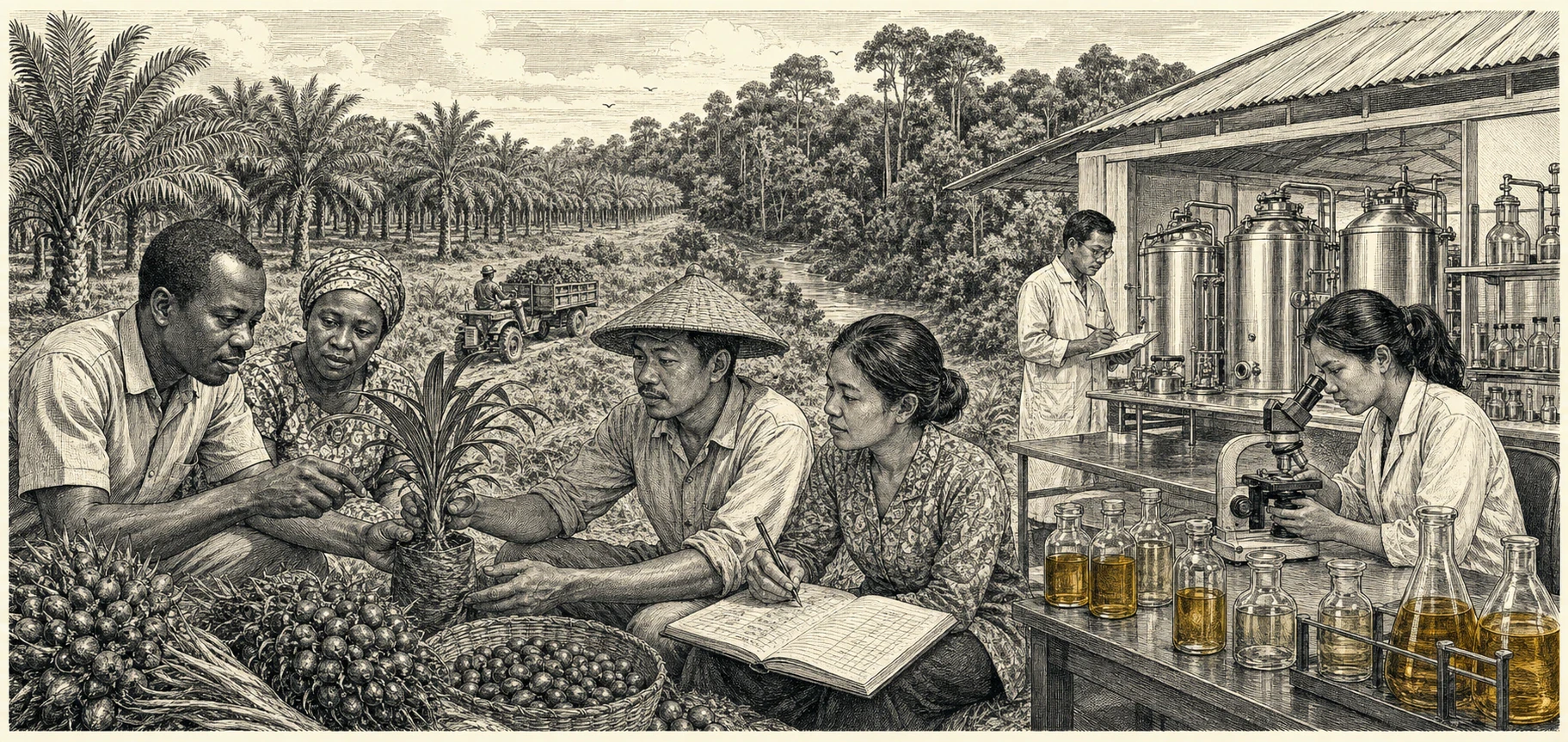
Science multiplied the crop's yield; trade made its origin difficult to see; policy turned it into fuel; and satellite evidence made distant land conversion visible to buyers. At every stage, new uses altered the balance of power along the chain.
Read together, these pages show why palm oil cannot be understood only as a product. It is also a history of indigenous knowledge, empire, industrial chemistry, rural development and the choices made about tropical land.