Palm Oil Steadies Near Highs as Crude, El Niño Supply Risks Offset Inventory Build
Malaysian CPO benchmark rose to RM4,664/MT, with Brent near $98/bbl supporting biodiesel demand, while July stocks climbed 7.2% and August may set a seven-month high.

CPO sits near 52-week highs as a wide BOPO spread, biodiesel economics and El Niño supply risks offset a seasonal stock build and crowded speculative positioning.
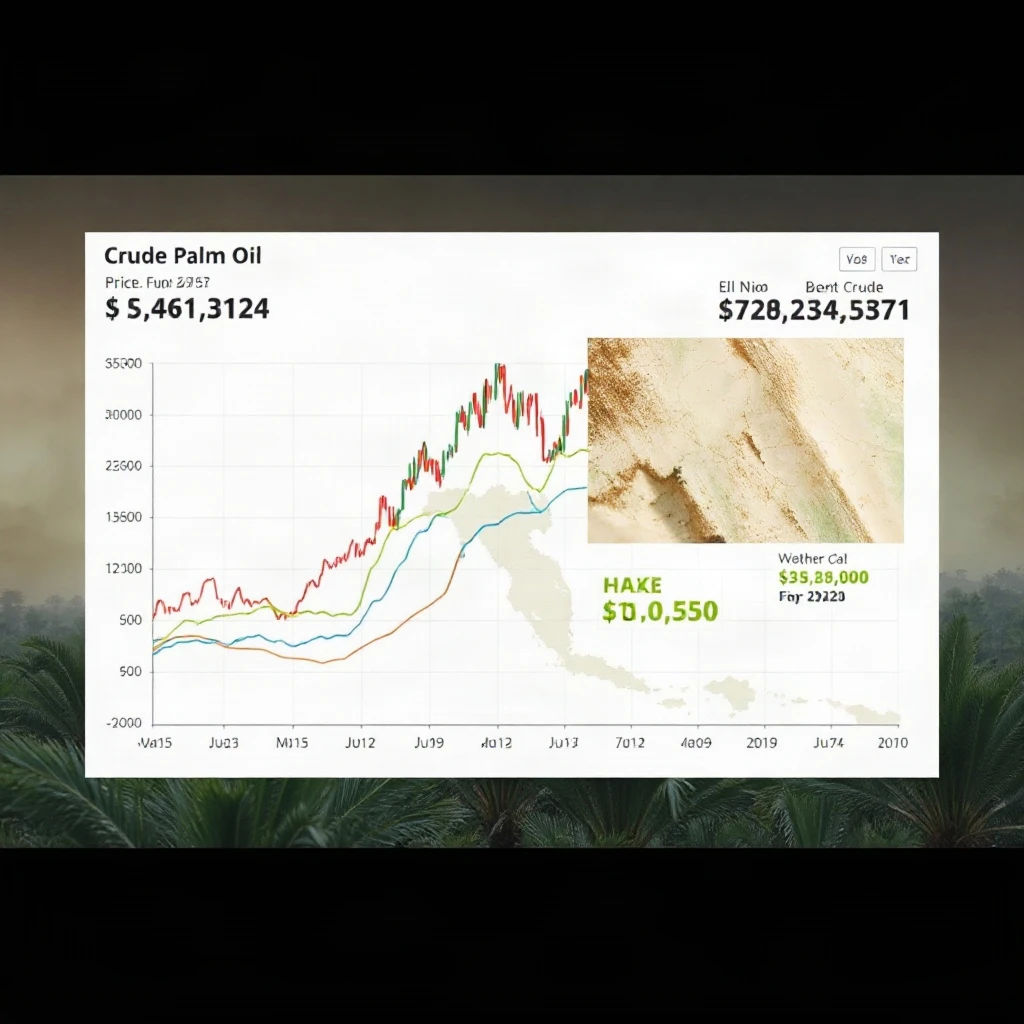
Malaysian CPO benchmark is about $1,152/MT (RM 4,664/MT), up 0.7% on the session. That leaves the contract near 52-week highs, above the World Bank benchmark at $1,117/MT and the Indonesian reference at $1,008/MT. Brent crude is about $98/bbl, up 0.5% on the day and 1.1% over the past week, while USD/MYR is about 4.05.
The widest demand-switching lever is the BOPO spread at $385/MT. Daily CBOT soybean oil at $1,538/MT versus CPO at $1,153/MT means palm trades at a heavy discount to soybean oil. When that gap is wide, food and industrial buyers can save money by switching formulations from soyoil to palm, pulling extra demand into the palm market and putting a cushion under prices even when spot supply is ample.
El Niño remains in play at ONI +1.8°C, and Kalimantan rainfall over the next seven days is only about 10 mm. Dry conditions and haze risk—already cited in a September 7 headline on smoke-haze fears disrupting Indonesian production—raise the chance of lower yields and difficult harvesting/transport. Buyers respond to that supply threat by bidding for current and forward cargoes, supporting the curve.
Brent near $98/bbl keeps biofuel blending unusually attractive. The POGO spread is around -$328/t, in the 1st percentile, meaning palm is cheap relative to gasoil. That makes discretionary biodiesel blending economic before any mandate forces it, creating an additional demand channel for CPO. Indonesia's B50 mandate, in force since July 1 and absorbing an estimated 3–4 million tonnes a year, adds medium-term demand even if near-term El Niño supply questions remain.
The price structure is also positive: MACD histogram positive, a 5/20 SMA golden cross, price above the 5-, 20- and 50-day SMAs, and RSI at 63—not yet overbought—leaving room toward the upper Bollinger band around $1,173/MT.
The heaviest near-term weight is the upcoming MPOB August data, due in about three days. Preview headlines from September 4 already flag a likely seven-month high in inventories. July closing stocks were 1,429,316 tonnes, up 7.2% month on month and 61% above the five-year average, with a stocks-to-use ratio of 12.5%. If the August print confirms that seasonal surplus, it tells buyers there is no immediate shortage; traders may lighten positions before the release rather than chase prices.
September itself is historically weak—averaging -0.9% month on month—and the production seasonal path points about +7.0% one month ahead. Malaysian output is in the July–October peak window. More supply coming to market reduces urgency, so buyers can wait for better offers, pressuring spot CPO.
The veg-oil complex is holding a crowded speculative long. CFTC soybean oil managed-money net length sits at the 85th percentile and rose 21,470 contracts week over week. That positioning is vulnerable to long liquidation if MPOB data or soybean oil disappoints; a liquidation cascade would amplify any bearish news.
The scorecard in our model is five bullish factors against three bearish. The upside currently has the upper hand. Demand-switching via the wide BOPO spread, biodiesel economics, El Niño/haze supply risk, and positive technicals are outweighing the known seasonal stock build. Our model outlook is for a choppy, slightly positive drift, with a likely data-driven dip when the August MPOB release lands; the published path is +1.2% over seven sessions.
To flip the balance, the bearish factors would need to dominate: an August stocks number well above the expected seven-month high, a rapid unwind of the crowded managed-money long in soybean oil, a narrowing BOPO spread that removes the demand-switching cushion, or a rise in the POGO spread that makes discretionary biodiesel blending less economic. If the El Niño/haze supply threat fades or Indonesian export policy materially changes levy burdens, the bull case would also lose some support.
Two neutral factors are worth noting. Indonesia's export reference price is about $1,008/MT, with a $126 levy and $148 export duty; GAPKI has warned against further increases, and if levies are capped, Indonesian exports may not slow enough to redirect demand toward Malaysia. Separately, India's Diwali stocking window opens in about 12 days, but our model finds the pre-Diwali effect historically indistinguishable from zero, so it is calendar context rather than a directional signal.
Malaysian CPO benchmark rose to RM4,664/MT, with Brent near $98/bbl supporting biodiesel demand, while July stocks climbed 7.2% and August may set a seven-month high.
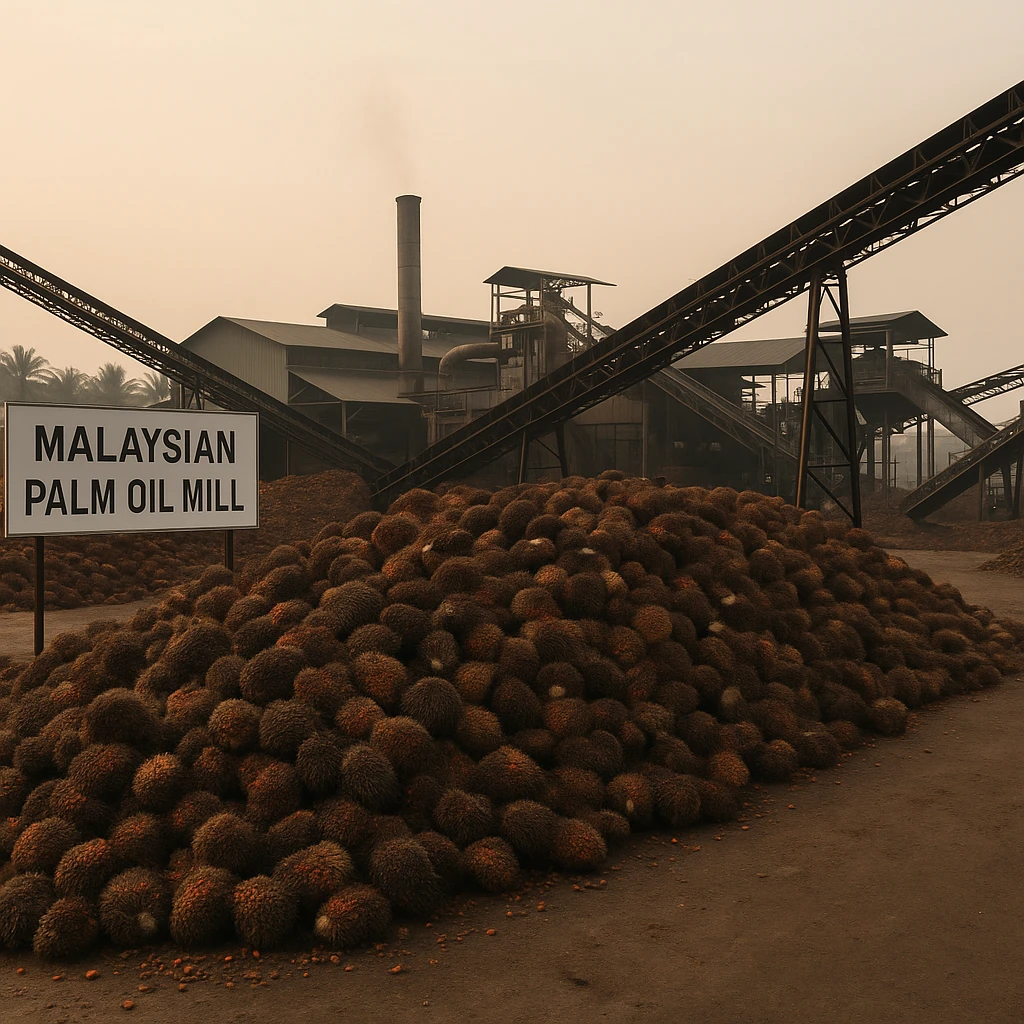
Benchmark Malaysian CPO traded around $1,152 per tonne, up 0.7% from the previous session, equivalent to RM4,664 per tonne. Global palm oil was quoted near $1,117 per tonne, while Indonesia's reference price sat around $1,008 per tonne. Brent crude firmed about 0.5% to near $98 per barrel, a level that keeps biodiesel blending economics relevant for palm oil demand. The ringgit was around 4.05 to the US dollar.
July Malaysian data showed a clear seasonal build. CPO production rose 9.4% month-on-month to 1,792,979 tonnes, and closing stocks increased 7.2% to 1,429,316 tonnes. Exports were the bright spot, up 14.5% to 1,392,178 tonnes, which helped keep the stocks-to-use ratio at 12.5%. Imports fell 51.9% to 49,566 tonnes, while the FFB reference price firmed 1.2% to RM49.50 per tonne.
The near-term supply picture is mixed. August Malaysian inventories are expected to reach a seven-month high, and seasonal peak output adds headwinds. At the same time, El Niño conditions (ONI +1.8) and dry weather in Kalimantan raise concerns about haze-related disruptions to Indonesian production. Recent market action has also responded to stronger rival vegetable oils and firmer crude.
On the policy side, Indonesia's September CPO reference price was reported at $1,007.51 per tonne, while the CPO export levy was kept at $148 per tonne. Industry commentary has highlighted the need for flexibility in the planned B50 biodiesel mandate for 2027, citing feedstock supply challenges. Our model outlook puts CPO near 52-week highs, supported by demand substitution (BOPO spread around $385/MT), elevated crude and biodiesel demand, and El Niño/haze risks, but expects a choppy, slightly positive drift with a likely pullback when August MPOB data lands. The published path is +1.2% over seven sessions.
For buyers: The market is balancing rising Malaysian stocks against genuine weather and biodiesel demand support. Watch the upcoming MPOB August release for confirmation of the seven-month inventory peak, any fresh haze signals from Kalimantan, and whether Brent crude holds near $98/bbl, as these will set the near-term direction for replacement costs.
Sources: NST Online; sawitsetara.co; Bernama; news.futunn.com; Gabungan Pengusaha Kelapa Sawit Indonesia (GAPKI); IDNFinancials
CPO holds above $1,150/MT on crude strength and supply risks, but looming MPOB data and peak output may cap gains.
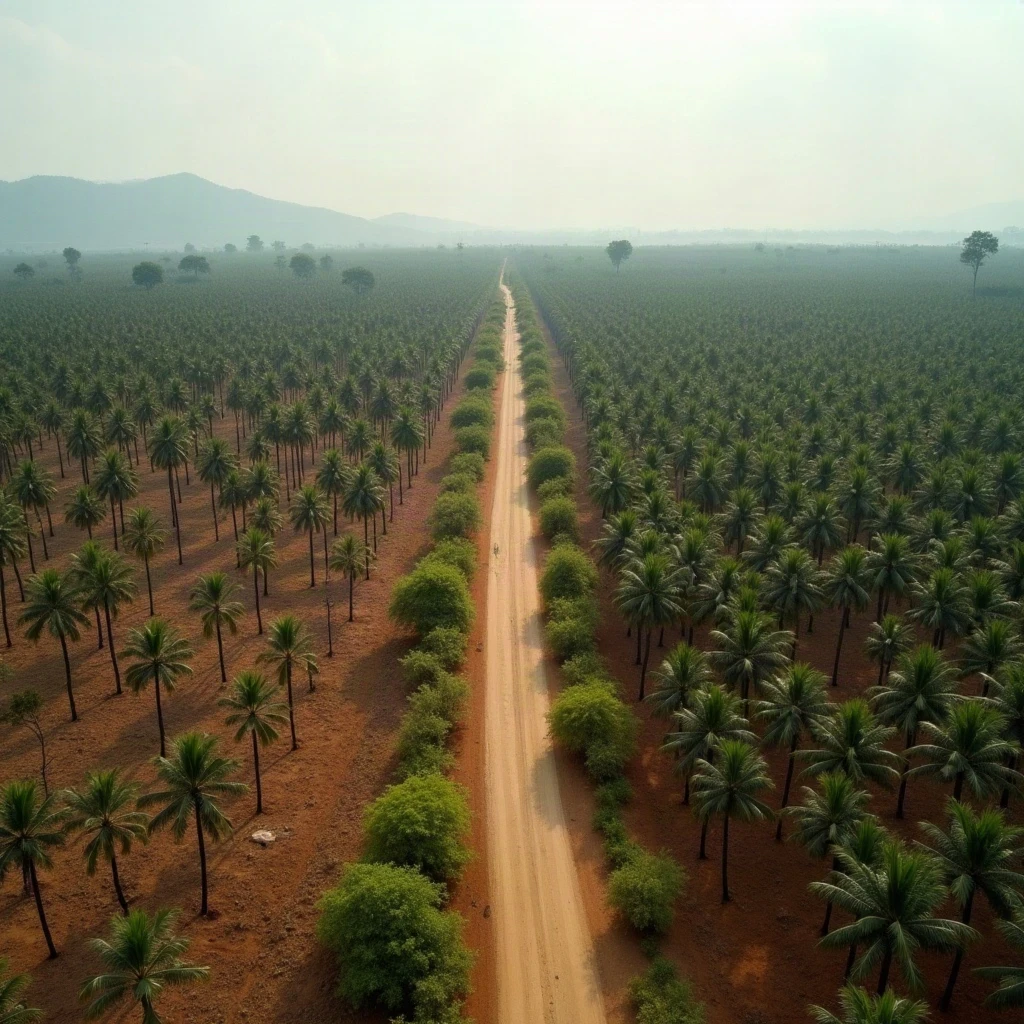
Malaysian crude palm oil futures settled around $1,152/MT on 8 September, up 0.7% on the session, tracking firmer rival vegetable oils and stronger crude prices. Brent crude hovered near $97/bbl, underpinning biodiesel blending economics and supporting palm's energy-linked demand. The global benchmark stood at about $1,117/MT, while Indonesia's reference price for September was set at roughly $1,008/MT, with export levies unchanged at $148/MT despite the higher reference.
Malaysia's July MPOB data showed CPO production at 1,792,979 tonnes, up 9.4% month-on-month, while closing stocks rose 7.2% to 1,429,316 tonnes. Exports jumped 14.5% to 1,392,178 tonnes, reflecting robust buying ahead of seasonal demand. Imports fell sharply to 49,566 tonnes, down 51.9%. The market now awaits August data, which is expected to show stocks at a seven-month high as peak production continues.
Weather remains a key risk. El Niño conditions (ONI +1.8) are still in force, with notably dry weather in Kalimantan raising concerns about output and haze-related disruptions in Indonesia. These worries have supported prices despite the near-term supply build.
Indonesian biodiesel policy continues to underpin demand. The B50 mandate is set to expand in 2027, and the government is preparing for B60 trials. Industry groups warn that palm supply may be a constraint, with 2027 output projected to fall 2.9%. Export growth from Indonesia was reported at 5.49%, and the government is pushing downstream processing. Meanwhile, Malaysia's MPOB has launched PALMS 2030 to boost digitalization and traceability, and a used cooking oil price portal to support circular economy initiatives.
Crude oil strength is a direct support for biodiesel economics, making palm-based fuel more competitive. The spread between palm and gasoil (BOPO) stands at $385, favoring biodiesel blending.
Our model outlook sees CPO near 52-week highs with bullish demand-switching, high crude/biodiesel support, and El Niño/haze supply risks. However, upcoming MPOB August data (expected to show a seven-month high in stocks) and seasonal peak output create near-term headwinds. We expect a choppy, slightly positive drift with a likely data-driven dip. The published path is +1.2% over the next seven sessions.
Watch the MPOB August report for stock levels and export trends, as well as any weather updates from Kalimantan. Also monitor Indonesian biodiesel policy announcements and crude oil movements, as these will drive price direction in the near term.
Sources: HaiSawit; NST Online; sawitsetara.co; Bernama; pontianakpost.jawapos.com; NST Online
Policy signals on higher biodiesel mandates add to bullish palm oil fundamentals despite seasonal output risks.
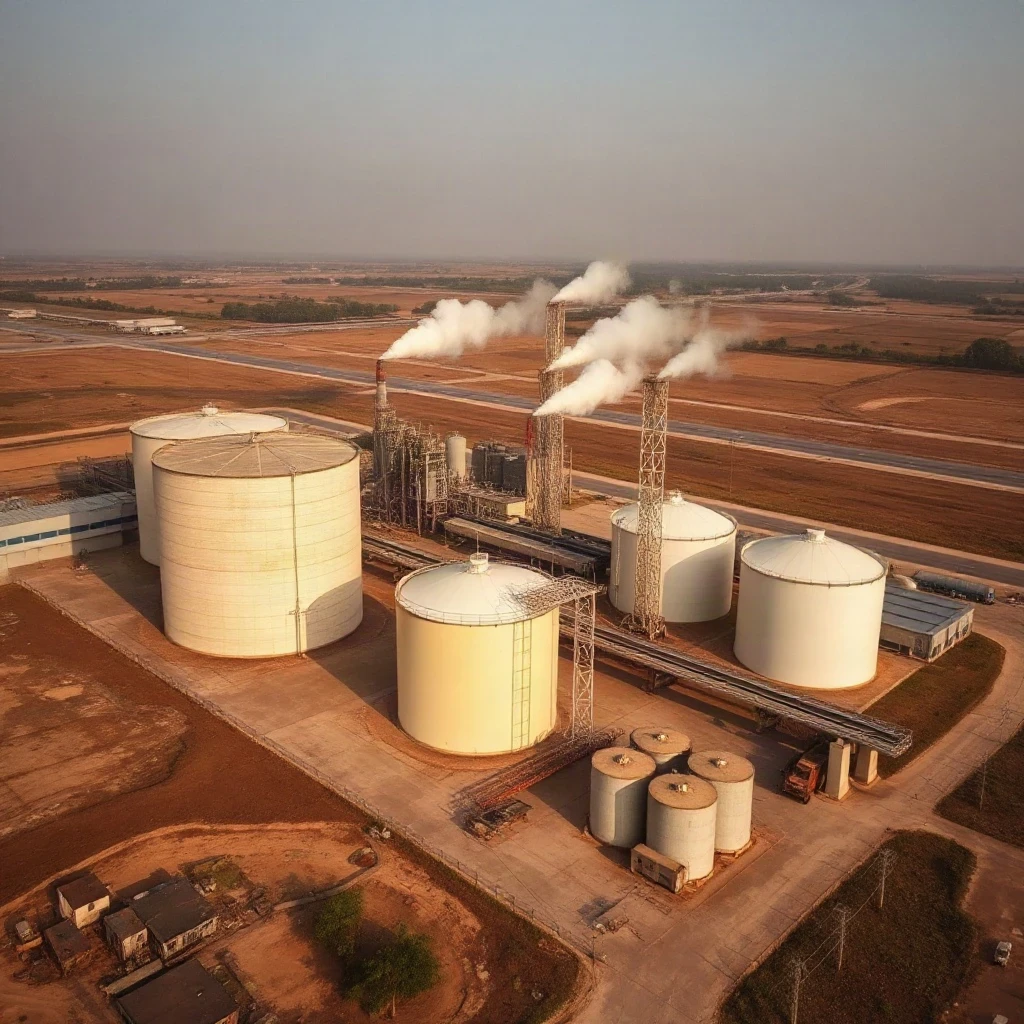
Indonesia's biodiesel policy trajectory is emerging as a key supply-side factor for global palm oil markets, with industry and government signals pointing toward higher blend mandates in the near term. The latest developments reinforce expectations of stronger domestic absorption of crude palm oil, a dynamic that could tighten export availability and support benchmark prices.
Industry statements from the Indonesian Palm Oil Association (GAPKI) highlight that implementing a B50 mandate in 2027 will require supply-chain flexibility, with feedstock availability flagged as a key challenge. Separately, reports indicate Indonesia is stepping up preparations for a B60 mandate in the same year, suggesting policy momentum is building beyond the current B50 phase.
These signals align with recent commentary that Indonesian crude palm oil prices could rise amid growing biodiesel demand. The policy direction points to a sustained increase in domestic offtake, which would reduce the volume of palm oil available for export markets.
For compliance-minded buyers, the policy backdrop adds a layer of uncertainty to supply planning. Stronger domestic absorption in Indonesia—the world's largest palm oil producer—could tighten global availability, particularly if production growth lags mandate-driven demand.
Our model outlook already factors in bullish demand-switching dynamics, with the gasoil-palm oil spread at $385 supporting biodiesel economics. High crude prices near $97 per barrel further improve the competitiveness of palm-based fuel blends, reinforcing the incentive for Indonesia to push ahead with higher mandates.
El Niño conditions, with an ONI of +1.8, continue to pose a supply risk, particularly with dry weather reported in Kalimantan. Reduced rainfall in key producing regions could weigh on future output, compounding the tightening effect of stronger domestic demand.
Malaysian data for July showed production rising 9.4% month-on-month to 1.79 million tonnes, with exports up 14.5%. However, the market is now looking toward upcoming August data from the Malaysian Palm Oil Board, which is expected to show stocks at a seven-month high. Seasonal peak output may provide some near-term relief, but the structural pull from Indonesian biodiesel policy remains a dominant theme.
Expect choppy, slightly positive price drift in the near term, with a possible data-driven dip as August stock figures emerge. Beyond that, the combination of Indonesian mandate implementation, El Niño-related supply risks, and firm energy prices points to a constructive medium-term outlook for palm oil prices.
Buyers should monitor policy announcements closely, as any acceleration in the B60 timeline or tightening of feedstock rules could prompt further upward pressure on prices. The balance between seasonal supply peaks and policy-driven demand will be the key variable in the coming months.
Sources: Majalah Sawit Indonesia; Gabungan Pengusaha Kelapa Sawit Indonesia (GAPKI); UkrAgroConsult; BioEnergy Times
Dry conditions in Indonesia's Kalimantan belt contrast with wetter forecasts elsewhere, adding to El Nino's delayed impact on fruit bunch weights.

The palm oil complex enters the final quarter of 2026 with the ENSO state firmly in El Nino territory, as the ONI index holds at +1.8. For the crop-weather desk, the immediate concern is not the current dryness alone but the lagged effect on yields that typically emerges six to twelve months after the peak of the anomaly. Reduced fruit bunch weights, rather than a collapse in bunch counts, are the hallmark of this lagged stress, and the current dry spell in Indonesia's Kalimantan region is the most visible manifestation of that pattern.
Rainfall over the past seven days has been notably below normal across large parts of Kalimantan, the heart of Indonesia's palm production. This is not yet a crisis for the trees, but it is a yellow flag. Soil moisture deficits in the region can translate into lower pollination success and smaller average bunch weights in the first half of 2027, even if the wet season returns on schedule. Our model outlook incorporates this risk, though it remains secondary to the more immediate logistics issues.
While Kalimantan dries, other parts of the Malaysian and Indonesian belts are seeing the opposite problem. Seasonal convection is bringing heavy rain to parts of Sabah, Sarawak and Sumatra, where downpours are disrupting harvesting schedules and slowing the movement of fruit to mills. Wet ground conditions also raise the risk of crop loss from bunch rot and make field access for fertiliser application more difficult. These are now-crop effects, not lagged ones, and they are a key reason why the market is bracing for a possible dip in the upcoming MPOB August data release.
Malaysia's July MPOB figures showed production at 1.79 million tonnes, up 9.4% month-on-month, with exports rising 14.5%. That strong output is consistent with the seasonal peak that typically runs through the third quarter. However, the output is still being supported by trees that were pollinated before the El Nino's full force was felt. The August data, due shortly, is expected to show stocks at a seven-month high, a reflection of the current peak production cycle rather than a sign that the weather risk has passed.
The weather story is also intersecting with the energy complex. Brent crude is hovering near $97 per barrel, which keeps biodiesel blending economics attractive and supports demand for palm oil as a feedstock. This demand-side cushion is one reason our model outlook sees only a modest, choppy drift higher over the next seven sessions, with a likely data-driven dip when the August MPOB numbers land. The El Nino risk, however, remains a structural overhang for the 2027 crop.
For now, the market is caught between the seasonal peak in output and the lingering threat of El Nino's lagged impact. The dry Kalimantan weather is the clearest signal that the current ENSO state is not merely a historical footnote. Producers in the region will be watching the weekly rainfall anomalies closely, as any extension of the dry spell would harden the case for tighter supply later in 2027.
Practical guidance on booking windows, transit times and planning buffers for palm oil and palm kernel shipments from Indonesia and Malaysia.
Crude palm oil (CPO) and crude palm kernel oil most often move in bulk vessels, flexitanks or ISO tanks. For prompt positions, the time from a confirmed contract to loading at origin is typically about two to four weeks. Forward bookings can be arranged one to three months ahead, which is common for regular buyers who want to lock in vessel space.
Refined products such as RBD palm olein, RBD palm stearin and palm fatty acid distillate are frequently shipped in flexibags or drums, or in bulk for large parcels. Packaged and drummed orders usually require extra production and stuffing time, often adding roughly one to two weeks to the lead time.
Specialty fractions like RBD palm kernel oil, palm mid-fraction and double-fractionated products may have longer lead times because they are produced in smaller campaigns and sometimes require segregated storage or dedicated tanks.
A typical shipment plan follows this sequence:
Transit times vary by destination and routing. Approximate sailing times from Malaysia or Indonesia are:
Containerised flexibag shipments follow liner schedules and often include transshipment, so door-to-door times may be similar to or longer than bulk voyages.
Plan for at least two to three weeks of buffer beyond the nominal transit time. Weather delays, port congestion, berth availability and documentation corrections are regular risks, not rare exceptions. For first-time buyers, add time for supplier onboarding, sample approval and bank instrument setup.
A realistic order-to-delivery cycle for a new buyer should include: production and stuffing lead time, booking window, survey and documentation, ocean transit, customs clearance and inland delivery. Keeping safety stock equal to about one full lead time cycle is a common planning rule of thumb, but each buyer should align stock levels with their own demand variability and storage constraints.
This space reaches palm oil buyers, traders and industry readers every day. Sponsorship and advertising enquiries are welcome — get in touch:
[email protected]Malaysian CPO benchmark rose to RM4,664/MT, with Brent near $98/bbl supporting biodiesel demand, while July stocks climbed 7.2% and August may set a seven-month high.
CPO holds above $1,150/MT on crude strength and supply risks, but looming MPOB data and peak output may cap gains.
Policy signals on higher biodiesel mandates add to bullish palm oil fundamentals despite seasonal output risks.
Dry conditions in Indonesia's Kalimantan belt contrast with wetter forecasts elsewhere, adding to El Nino's delayed impact on fruit bunch weights.
Practical guidance on booking windows, transit times and planning buffers for palm oil and palm kernel shipments from Indonesia and Malaysia.
CPO sits near 52-week highs as a wide BOPO spread, biodiesel economics and El Niño supply risks offset a seasonal stock build and crowded speculative positioning.
Malaysian CPO benchmark is about $1,152/MT (RM 4,664/MT), up 0.7% on the session. That leaves the contract near 52-week highs, above the World Bank benchmark at $1,117/MT and the Indonesian reference at $1,008/MT. Brent crude is about $98/bbl, up 0.5% on the day and 1.1% over the past week, while USD/MYR is about 4.05.
The widest demand-switching lever is the BOPO spread at $385/MT. Daily CBOT soybean oil at $1,538/MT versus CPO at $1,153/MT means palm trades at a heavy discount to soybean oil. When that gap is wide, food and industrial buyers can save money by switching formulations from soyoil to palm, pulling extra demand into the palm market and putting a cushion under prices even when spot supply is ample.
El Niño remains in play at ONI +1.8°C, and Kalimantan rainfall over the next seven days is only about 10 mm. Dry conditions and haze risk—already cited in a September 7 headline on smoke-haze fears disrupting Indonesian production—raise the chance of lower yields and difficult harvesting/transport. Buyers respond to that supply threat by bidding for current and forward cargoes, supporting the curve.
Brent near $98/bbl keeps biofuel blending unusually attractive. The POGO spread is around -$328/t, in the 1st percentile, meaning palm is cheap relative to gasoil. That makes discretionary biodiesel blending economic before any mandate forces it, creating an additional demand channel for CPO. Indonesia's B50 mandate, in force since July 1 and absorbing an estimated 3–4 million tonnes a year, adds medium-term demand even if near-term El Niño supply questions remain.
The price structure is also positive: MACD histogram positive, a 5/20 SMA golden cross, price above the 5-, 20- and 50-day SMAs, and RSI at 63—not yet overbought—leaving room toward the upper Bollinger band around $1,173/MT.
The heaviest near-term weight is the upcoming MPOB August data, due in about three days. Preview headlines from September 4 already flag a likely seven-month high in inventories. July closing stocks were 1,429,316 tonnes, up 7.2% month on month and 61% above the five-year average, with a stocks-to-use ratio of 12.5%. If the August print confirms that seasonal surplus, it tells buyers there is no immediate shortage; traders may lighten positions before the release rather than chase prices.
September itself is historically weak—averaging -0.9% month on month—and the production seasonal path points about +7.0% one month ahead. Malaysian output is in the July–October peak window. More supply coming to market reduces urgency, so buyers can wait for better offers, pressuring spot CPO.
The veg-oil complex is holding a crowded speculative long. CFTC soybean oil managed-money net length sits at the 85th percentile and rose 21,470 contracts week over week. That positioning is vulnerable to long liquidation if MPOB data or soybean oil disappoints; a liquidation cascade would amplify any bearish news.
The scorecard in our model is five bullish factors against three bearish. The upside currently has the upper hand. Demand-switching via the wide BOPO spread, biodiesel economics, El Niño/haze supply risk, and positive technicals are outweighing the known seasonal stock build. Our model outlook is for a choppy, slightly positive drift, with a likely data-driven dip when the August MPOB release lands; the published path is +1.2% over seven sessions.
To flip the balance, the bearish factors would need to dominate: an August stocks number well above the expected seven-month high, a rapid unwind of the crowded managed-money long in soybean oil, a narrowing BOPO spread that removes the demand-switching cushion, or a rise in the POGO spread that makes discretionary biodiesel blending less economic. If the El Niño/haze supply threat fades or Indonesian export policy materially changes levy burdens, the bull case would also lose some support.
Two neutral factors are worth noting. Indonesia's export reference price is about $1,008/MT, with a $126 levy and $148 export duty; GAPKI has warned against further increases, and if levies are capped, Indonesian exports may not slow enough to redirect demand toward Malaysia. Separately, India's Diwali stocking window opens in about 12 days, but our model finds the pre-Diwali effect historically indistinguishable from zero, so it is calendar context rather than a directional signal.