
Benchmark Malaysian CPO traded around $1,152 per tonne, up 0.7% from the previous session, equivalent to RM4,664 per tonne. Global palm oil was quoted near $1,117 per tonne, while Indonesia's reference price sat around $1,008 per tonne. Brent crude firmed about 0.5% to near $98 per barrel, a level that keeps biodiesel blending economics relevant for palm oil demand. The ringgit was around 4.05 to the US dollar.
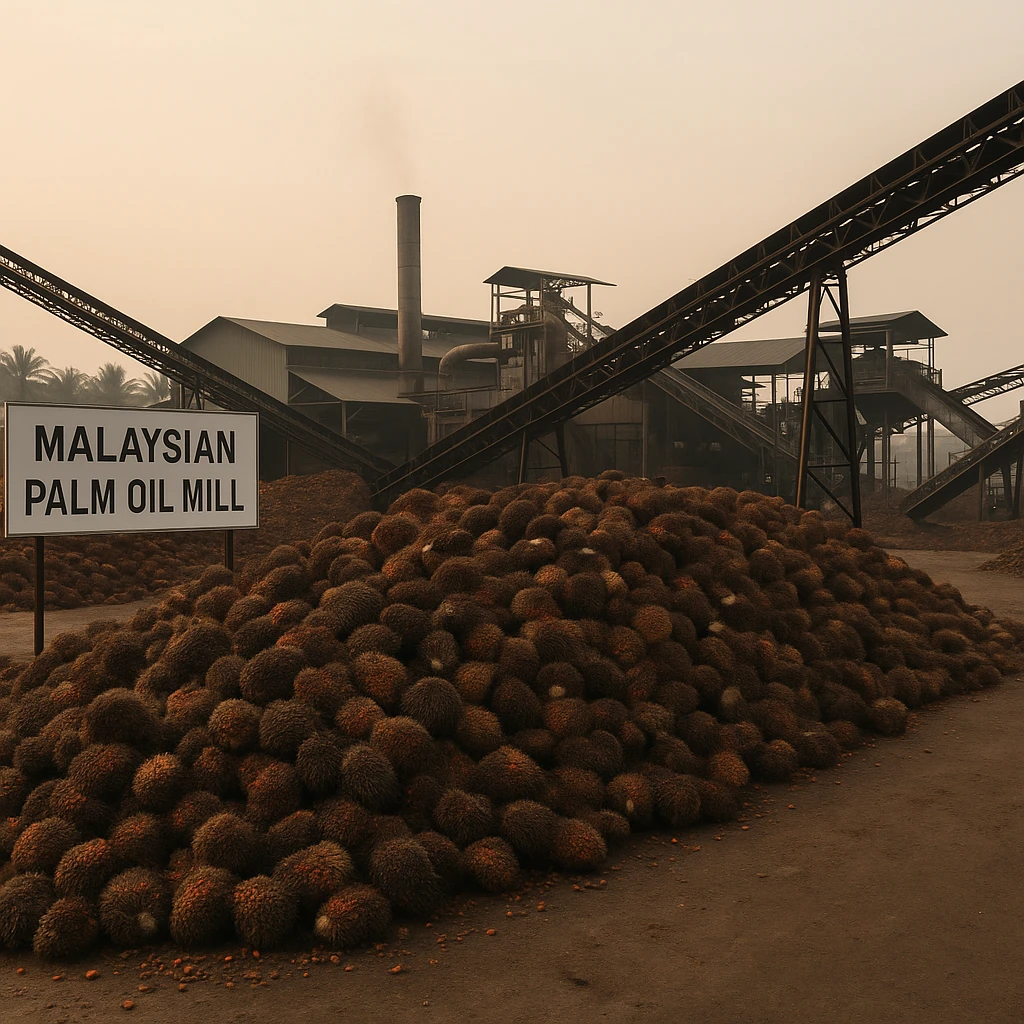
July Malaysian data showed a clear seasonal build. CPO production rose 9.4% month-on-month to 1,792,979 tonnes, and closing stocks increased 7.2% to 1,429,316 tonnes. Exports were the bright spot, up 14.5% to 1,392,178 tonnes, which helped keep the stocks-to-use ratio at 12.5%. Imports fell 51.9% to 49,566 tonnes, while the FFB reference price firmed 1.2% to RM49.50 per tonne.
The near-term supply picture is mixed. August Malaysian inventories are expected to reach a seven-month high, and seasonal peak output adds headwinds. At the same time, El Niño conditions (ONI +1.8) and dry weather in Kalimantan raise concerns about haze-related disruptions to Indonesian production. Recent market action has also responded to stronger rival vegetable oils and firmer crude.
On the policy side, Indonesia's September CPO reference price was reported at $1,007.51 per tonne, while the CPO export levy was kept at $148 per tonne. Industry commentary has highlighted the need for flexibility in the planned B50 biodiesel mandate for 2027, citing feedstock supply challenges. Our model outlook puts CPO near 52-week highs, supported by demand substitution (BOPO spread around $385/MT), elevated crude and biodiesel demand, and El Niño/haze risks, but expects a choppy, slightly positive drift with a likely pullback when August MPOB data lands. The published path is +1.2% over seven sessions.
For buyers: The market is balancing rising Malaysian stocks against genuine weather and biodiesel demand support. Watch the upcoming MPOB August release for confirmation of the seven-month inventory peak, any fresh haze signals from Kalimantan, and whether Brent crude holds near $98/bbl, as these will set the near-term direction for replacement costs.