
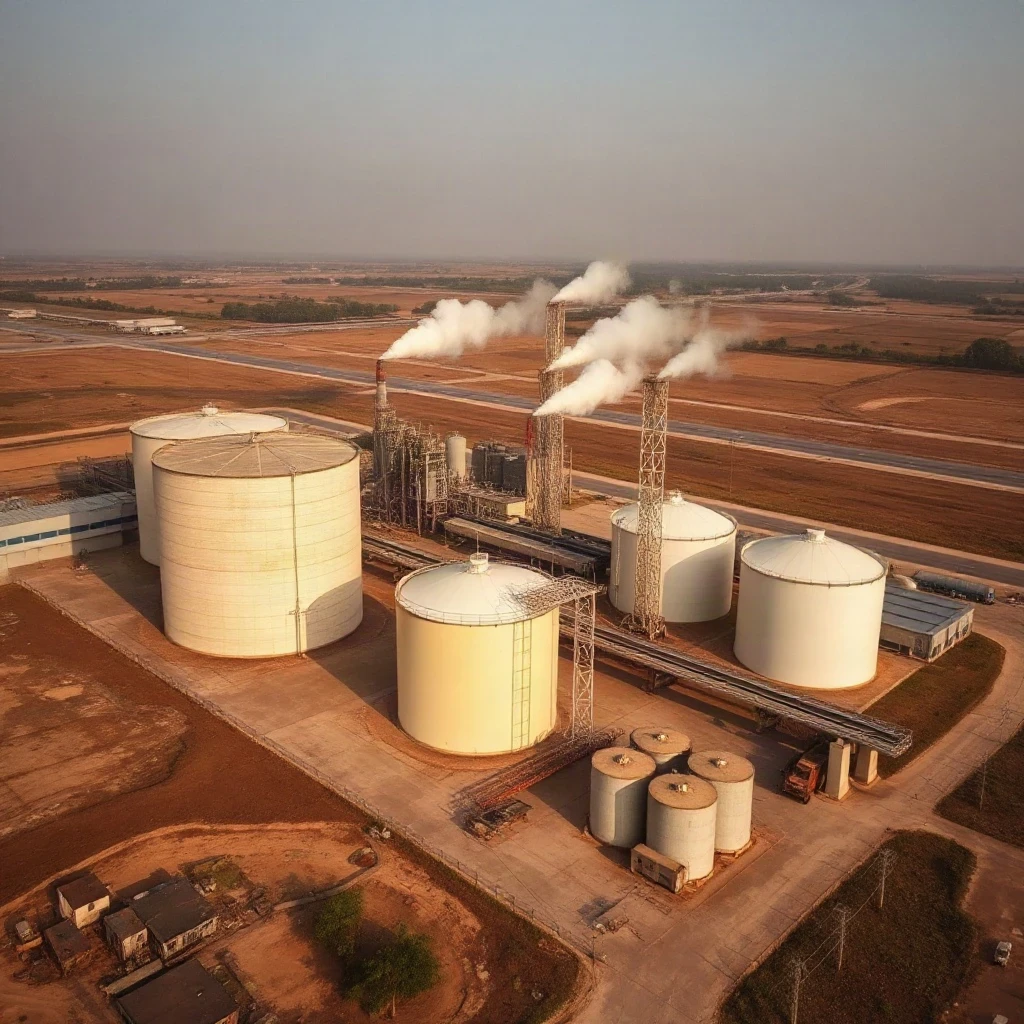
Indonesia's biodiesel policy trajectory is emerging as a key supply-side factor for global palm oil markets, with industry and government signals pointing toward higher blend mandates in the near term. The latest developments reinforce expectations of stronger domestic absorption of crude palm oil, a dynamic that could tighten export availability and support benchmark prices.
Mandate Momentum
Industry statements from the Indonesian Palm Oil Association (GAPKI) highlight that implementing a B50 mandate in 2027 will require supply-chain flexibility, with feedstock availability flagged as a key challenge. Separately, reports indicate Indonesia is stepping up preparations for a B60 mandate in the same year, suggesting policy momentum is building beyond the current B50 phase.
These signals align with recent commentary that Indonesian crude palm oil prices could rise amid growing biodiesel demand. The policy direction points to a sustained increase in domestic offtake, which would reduce the volume of palm oil available for export markets.
Market Implications
For compliance-minded buyers, the policy backdrop adds a layer of uncertainty to supply planning. Stronger domestic absorption in Indonesia—the world's largest palm oil producer—could tighten global availability, particularly if production growth lags mandate-driven demand.
Our model outlook already factors in bullish demand-switching dynamics, with the gasoil-palm oil spread at $385 supporting biodiesel economics. High crude prices near $97 per barrel further improve the competitiveness of palm-based fuel blends, reinforcing the incentive for Indonesia to push ahead with higher mandates.
Supply Risks Persist
El Niño conditions, with an ONI of +1.8, continue to pose a supply risk, particularly with dry weather reported in Kalimantan. Reduced rainfall in key producing regions could weigh on future output, compounding the tightening effect of stronger domestic demand.
Malaysian data for July showed production rising 9.4% month-on-month to 1.79 million tonnes, with exports up 14.5%. However, the market is now looking toward upcoming August data from the Malaysian Palm Oil Board, which is expected to show stocks at a seven-month high. Seasonal peak output may provide some near-term relief, but the structural pull from Indonesian biodiesel policy remains a dominant theme.
Outlook
Expect choppy, slightly positive price drift in the near term, with a possible data-driven dip as August stock figures emerge. Beyond that, the combination of Indonesian mandate implementation, El Niño-related supply risks, and firm energy prices points to a constructive medium-term outlook for palm oil prices.
Buyers should monitor policy announcements closely, as any acceleration in the B60 timeline or tightening of feedstock rules could prompt further upward pressure on prices. The balance between seasonal supply peaks and policy-driven demand will be the key variable in the coming months.