Indonesia B50 biodiesel mandate reshapes palm oil supply-demand outlook
Regulatory shifts in Indonesia and India create new dynamics for palm oil buyers and suppliers.

Market eyes Malaysia's tight supply, Indonesia's biodiesel mandate, and India's festival-driven import surge.
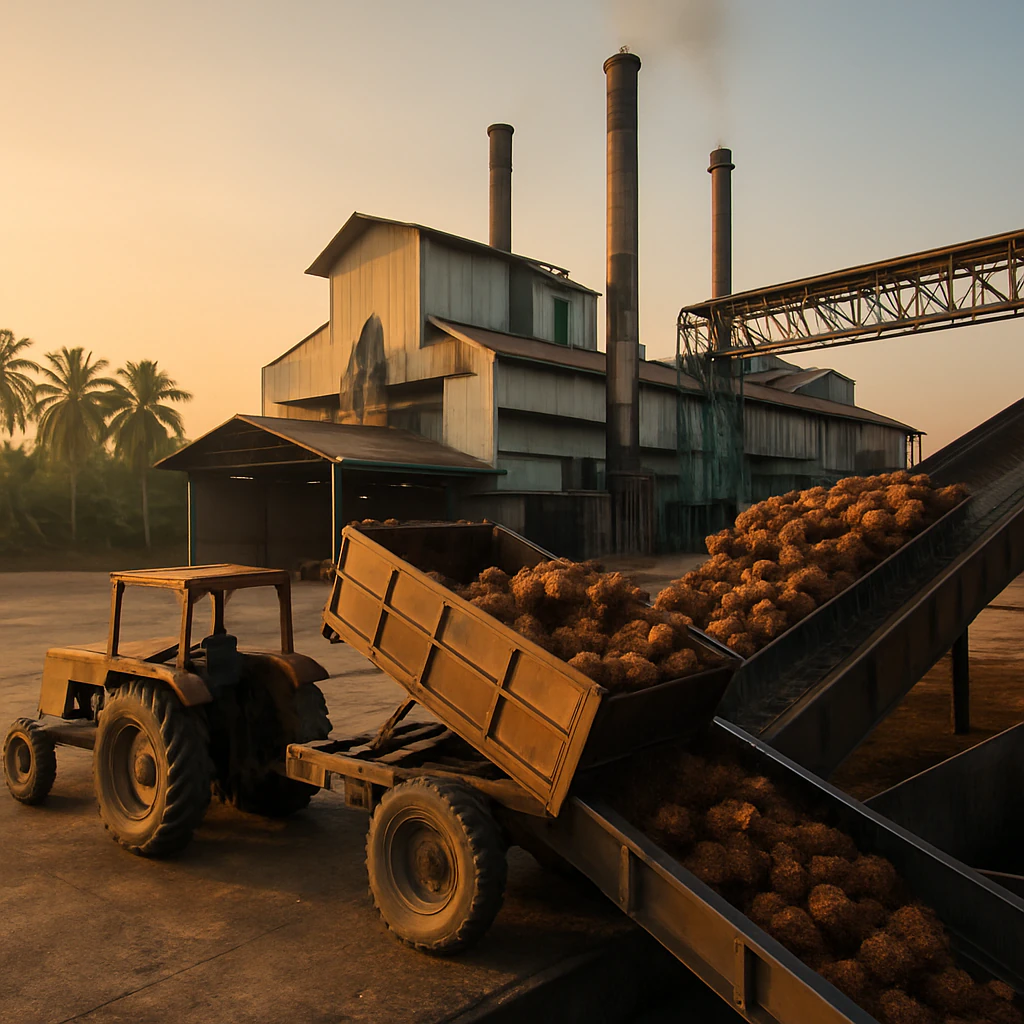
Palm oil futures are trading near three-month highs this week, supported by a confluence of supply-side constraints and policy-driven demand. Malaysian benchmark contracts closed higher on supply squeeze concerns, while the broader vegetable oil complex firmed on stronger crude oil and rival edible oil prices.
Malaysian palm oil production remains under pressure from persistent labour shortages and ageing trees. The Malaysian Palm Oil Council has flagged that crude palm oil prices are likely to stay within a RM4,400–RM4,650 per tonne range for August, reflecting a market that is balanced but vulnerable to weather disruptions. High CPO prices are expected to extend, according to industry analysts, as inventories remain relatively lean heading into the second half of the year.
Indonesia’s formal launch of the B50 biodiesel programme has added a structural demand layer to the market. The mandate, which requires 50% palm oil-based biodiesel blending, is set to absorb additional domestic supply and tighten export availability. India’s central bank has explicitly linked the broad-based rise in edible oil prices to increased biofuel use, citing Indonesia’s move as a key factor.
India, the world’s largest vegetable oil importer, is poised to see a sharp uptick in edible oil imports between July and October as buyers stock up ahead of the festive season. This comes after a 29% year-on-year decline in imports in June. The surge is likely to support palm oil prices, though the country is also grappling with rising duty-free imports from Nepal, which have surged 548%, raising concerns among domestic processors.
Geopolitical risks continue to underscore India’s heavy reliance on imported edible oils, with supply chain disruptions remaining a latent threat. Meanwhile, palm oil’s correlation with crude oil remains intact; stronger crude prices improve the economics of palm-based biodiesel and provide a floor under the vegetable oil complex.
For the coming weeks, the market is likely to remain rangebound but with an upward bias. The convergence of Malaysia’s supply squeeze, Indonesia’s B50 implementation, and India’s pre-festival restocking creates a supportive backdrop. However, any signs of slower-than-expected biodiesel uptake or a rebound in Malaysian production could trigger a correction.
Takeaway for buyers: Track real-time flows under Indonesia’s B50 mandate and Malaysia’s monthly production data—these two variables will determine whether the current price plateau holds or breaks higher.
Sources: Deccan Chronicle; Finimize; Business Recorder; livemint.com; Business Recorder; finance.biggo.com
Regulatory shifts in Indonesia and India create new dynamics for palm oil buyers and suppliers.
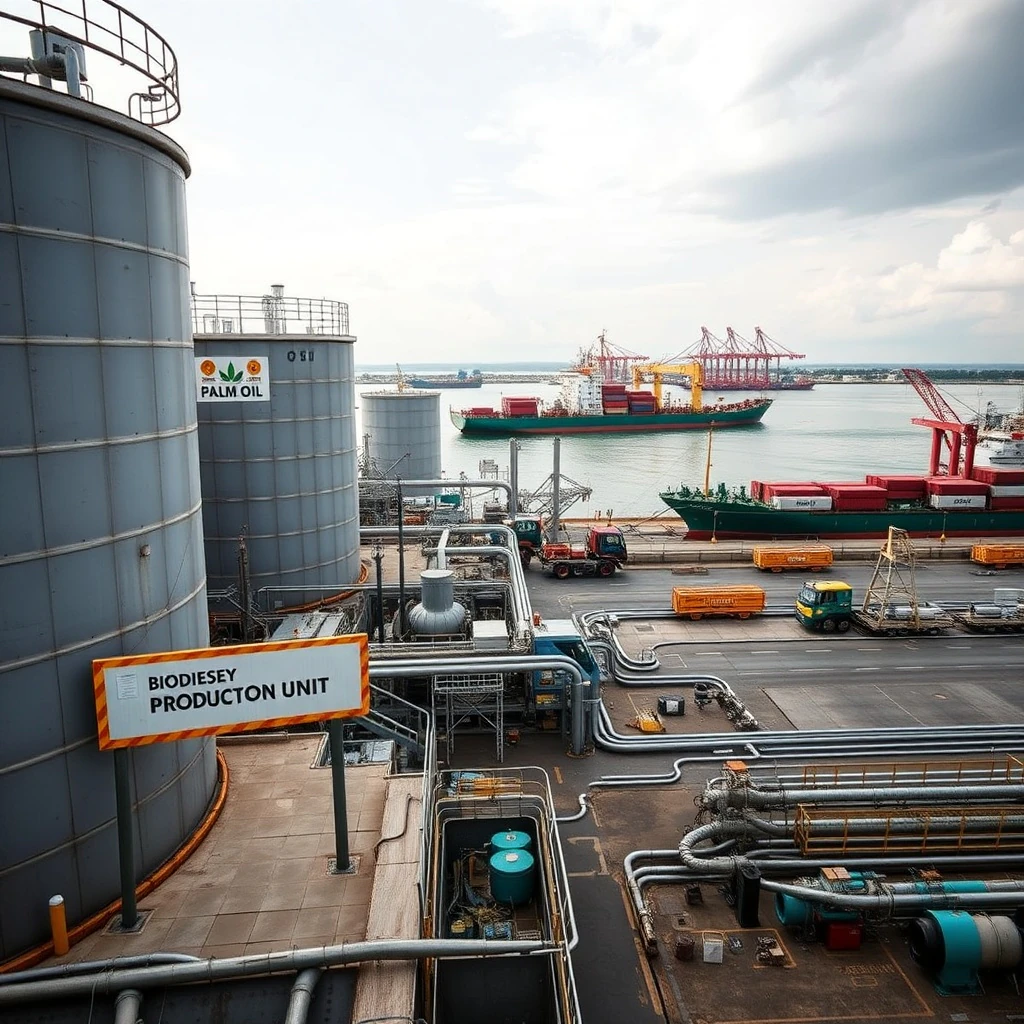
Indonesia’s launch of the B50 biodiesel programme in mid-July marks a decisive step in biofuel policy, locking in structural demand for palm oil as a feedstock. The mandate, which raises the biodiesel blend to 50%, directly boosts domestic palm oil consumption and tightens export availability. This regulatory push is one of the key factors behind palm oil prices hitting a three-month high, as the market prices in sustained demand from Indonesia’s energy sector.
Palm oil futures rallied to levels not seen since April, propelled by supply risks and the biodiesel demand prospects opened by B50. Traders are now weighing how much additional crude palm oil will be diverted from export markets to meet the mandatory blend. The price move reflects a market reassessing the long-term demand baseline for palm oil, with the biofuel channel becoming a non-discretionary consumer.
The Reserve Bank of India recently linked the broad-based rise in edible oil prices to the expansion of biofuel mandates, specifically citing Indonesia’s B50 policy. The central bank’s analysis underscores a growing concern for food-importing nations: when palm oil – the world’s most-traded edible oil – is increasingly channelled into fuel, the spillover effect raises costs for cooking oils across the board. For compliance-minded buyers, this signals a need to hedge against policy-driven price volatility that is not purely weather- or supply-driven.
Meanwhile, Indian palm oil producers face a separate regulatory headache from duty-free edible oil imports routed through Nepal. These imports, which use preferential trade agreements to bypass Indian tariffs, are undercutting domestic processors at a time when global palm oil prices are already elevated. The combination of a rising Indonesian demand floor and competitive pressure from Nepali imports creates a difficult operating environment for Indian refiners and a complex sourcing puzzle for buyers.
For procurement teams, the takeaway is clear: biofuel mandates are no longer a marginal factor but a core driver of palm oil demand. Compliance-minded buyers must now monitor not only crop forecasts and export policies but also fuel-blending targets and their enforcement. The B50 rollout in Indonesia, with its potential for similar moves in other producer countries, means that structural demand from the energy sector will remain a persistent bullish factor. Buyers should consider longer-term contracts and diversification of origins to mitigate concentration risk. The latest policy developments reinforce the need to integrate energy policy analysis into palm oil supply-chain planning.
A technical explainer for buyers: saponification, refining, noodling and commercial factors that shape the soap noodle market.
Palm-based soap noodles are dried, uncoloured soap pellets—the industrial intermediate between refined oils and finished bar soaps. The process begins with crude palm oil (CPO) or palm kernel oil (PKO). PKO is favoured for its high lauric acid content, which produces a hard, fast-lathering bar. CPO provides stearic and oleic acids that contribute to bar structure and mildness.
Both oils undergo physical refining: degumming, bleaching and deodorisation (RBD). The resulting RBD oil is then sent to a saponification reactor. Here, the oil is mixed with a concentrated sodium hydroxide (caustic soda) solution under controlled temperature. The reaction yields neat soap – a semi-solid mass of sodium salts of fatty acids – and crude glycerin as a by-product.
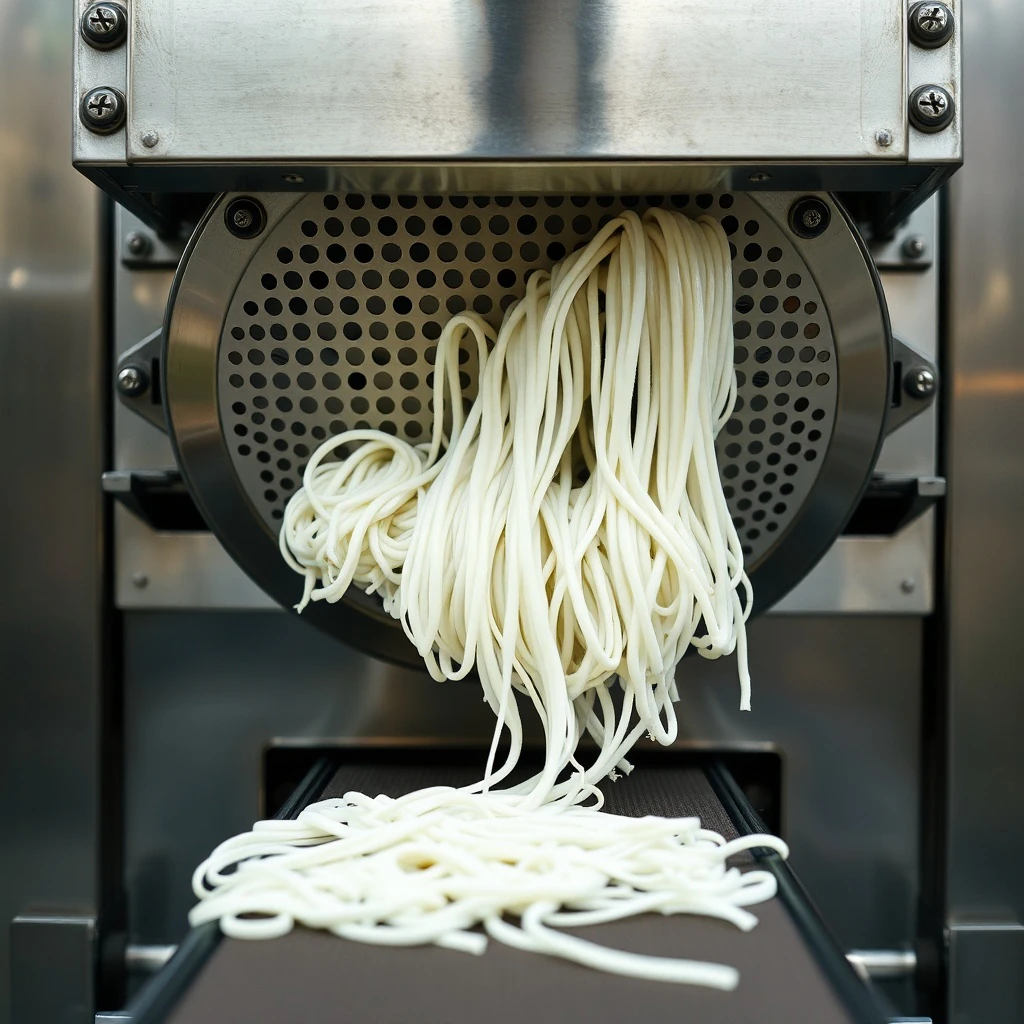
The neat soap is washed with brine to remove residual caustic and impurities, then passed through a centrifuge to separate the soap from the glycerin-rich aqueous phase. The washed soap is dried in a flash-dryer or vacuum dryer to a moisture content of 10–15%. The dried soap is extruded through a perforated plate, forming cylindrical pellets (“noodles”) typically 2–4 mm in diameter and 5–15 mm long.
Soap noodles offer buyers a consistent, transportable feedstock. Volatile fatty acid prices make noodle contracts a hedge against feedstock cost swings. The glycerin recovered during saponification is itself a valuable co-product, improving the economics of the entire process. For procurement managers, understanding the noodle’s fatty acid composition—especially the C12/C14 ratio from PKO—directly affects lathering properties in the final bar.
Key quality parameters include: total fatty matter (TFM) ≥ 78%, free caustic ≤ 0.1%, moisture ≤ 15%, and an unsaponifiable content below 1%. Colour should be uniform (white or off-white for most applications). Trace metals such as iron and nickel must be low to avoid rancidity. Buyers should verify that suppliers operate RSPO-certified supply chains if sustainability claims are required. Consistency in noodle size and bulk density affects blending and processing at the finishing mill.
Palm-based soap noodles represent a mature, capital-efficient link between oil refining and consumer soap production. For industrial buyers, a firm grasp of the process—from saponification through drying and extrusion—enables better specification writing, quality control and cost analysis.
A neutral explainer on how crude palm oil is split into liquid olein and solid stearin, and what that means for procurement decisions.

Fractionation is the process that separates crude palm oil (CPO) into two distinct products: palm olein and palm stearin. Understanding this separation is essential for buyers because each fraction has different physical properties and applications.
Fractionation is a controlled crystallisation and filtration process. The CPO is cooled to a specific temperature, causing the higher-melting-point triglycerides to crystallise. These crystals are then mechanically separated from the liquid fraction. The liquid portion is palm olein; the solid portion is palm stearin. The process does not use chemicals—only temperature control and physical separation.
The exact properties depend on the fractionation conditions and the quality of the crude oil. Buyers often request specific iodine value ranges or slip melting points to match their application.
Procurement managers select olein or stearin based on the end product’s required texture, stability, and processing behaviour.
A buyer who orders the wrong fraction may encounter issues: olein that clouds in cooler storage, or stearin that is too hard for a baking application. Understanding the fractionation process helps avoid costly specification mismatches.
Fractionation is a core technology that turns a single commodity into tailored ingredients. For first-time buyers, working with a knowledgeable supplier and understanding the two basic fractions is the first step toward effective palm oil procurement.
Our market desk connects serious buyers with vetted origin suppliers across Southeast Asia. Indicative pricing, specifications and shipment guidance — free of charge.
Get connected →Regulatory shifts in Indonesia and India create new dynamics for palm oil buyers and suppliers.
A technical explainer for buyers: saponification, refining, noodling and commercial factors that shape the soap noodle market.
A neutral explainer on how crude palm oil is split into liquid olein and solid stearin, and what that means for procurement decisions.
Market eyes Malaysia's tight supply, Indonesia's biodiesel mandate, and India's festival-driven import surge.
Palm oil futures are trading near three-month highs this week, supported by a confluence of supply-side constraints and policy-driven demand. Malaysian benchmark contracts closed higher on supply squeeze concerns, while the broader vegetable oil complex firmed on stronger crude oil and rival edible oil prices.
Malaysian palm oil production remains under pressure from persistent labour shortages and ageing trees. The Malaysian Palm Oil Council has flagged that crude palm oil prices are likely to stay within a RM4,400–RM4,650 per tonne range for August, reflecting a market that is balanced but vulnerable to weather disruptions. High CPO prices are expected to extend, according to industry analysts, as inventories remain relatively lean heading into the second half of the year.
Indonesia’s formal launch of the B50 biodiesel programme has added a structural demand layer to the market. The mandate, which requires 50% palm oil-based biodiesel blending, is set to absorb additional domestic supply and tighten export availability. India’s central bank has explicitly linked the broad-based rise in edible oil prices to increased biofuel use, citing Indonesia’s move as a key factor.
India, the world’s largest vegetable oil importer, is poised to see a sharp uptick in edible oil imports between July and October as buyers stock up ahead of the festive season. This comes after a 29% year-on-year decline in imports in June. The surge is likely to support palm oil prices, though the country is also grappling with rising duty-free imports from Nepal, which have surged 548%, raising concerns among domestic processors.
Geopolitical risks continue to underscore India’s heavy reliance on imported edible oils, with supply chain disruptions remaining a latent threat. Meanwhile, palm oil’s correlation with crude oil remains intact; stronger crude prices improve the economics of palm-based biodiesel and provide a floor under the vegetable oil complex.
For the coming weeks, the market is likely to remain rangebound but with an upward bias. The convergence of Malaysia’s supply squeeze, Indonesia’s B50 implementation, and India’s pre-festival restocking creates a supportive backdrop. However, any signs of slower-than-expected biodiesel uptake or a rebound in Malaysian production could trigger a correction.
Takeaway for buyers: Track real-time flows under Indonesia’s B50 mandate and Malaysia’s monthly production data—these two variables will determine whether the current price plateau holds or breaks higher.