
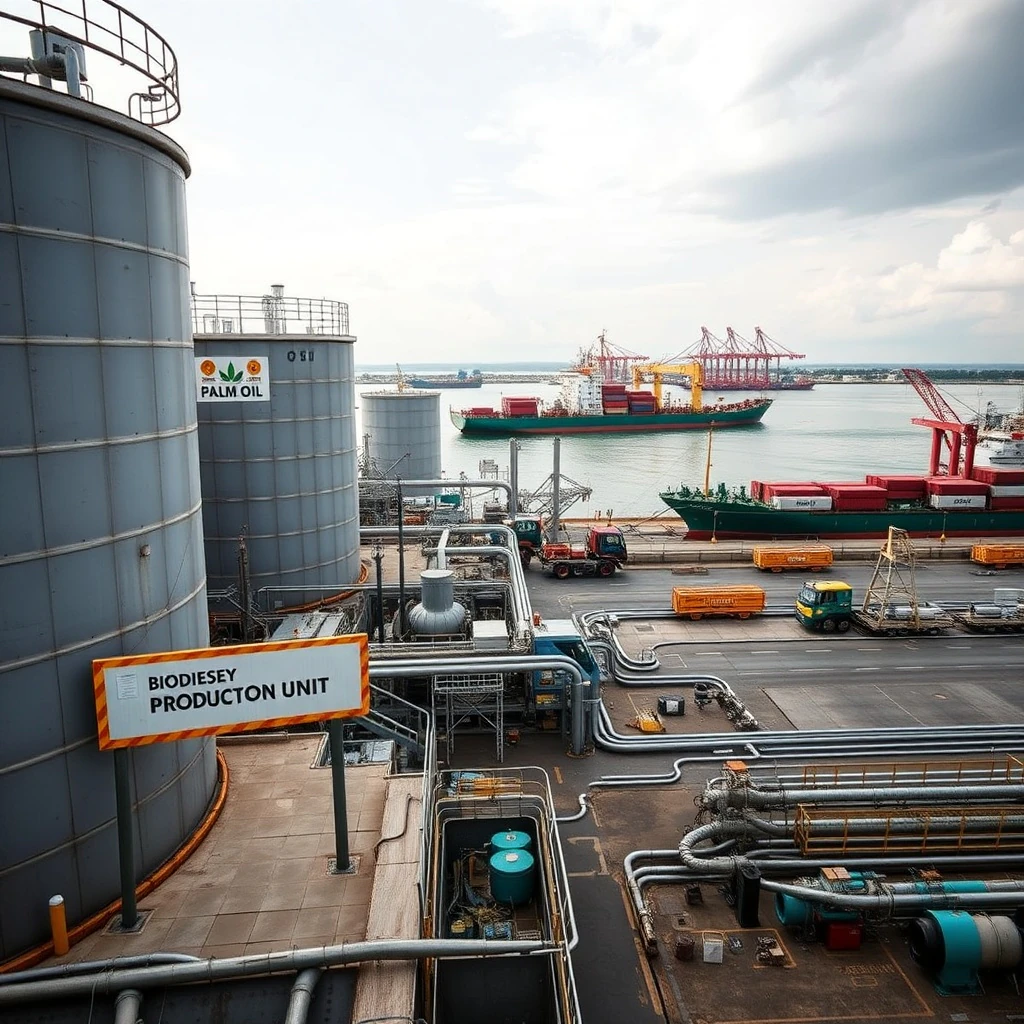
Indonesia’s launch of the B50 biodiesel programme in mid-July marks a decisive step in biofuel policy, locking in structural demand for palm oil as a feedstock. The mandate, which raises the biodiesel blend to 50%, directly boosts domestic palm oil consumption and tightens export availability. This regulatory push is one of the key factors behind palm oil prices hitting a three-month high, as the market prices in sustained demand from Indonesia’s energy sector.
Market reaction and price signals
Palm oil futures rallied to levels not seen since April, propelled by supply risks and the biodiesel demand prospects opened by B50. Traders are now weighing how much additional crude palm oil will be diverted from export markets to meet the mandatory blend. The price move reflects a market reassessing the long-term demand baseline for palm oil, with the biofuel channel becoming a non-discretionary consumer.
RBI flags biofuel-linked price risks
The Reserve Bank of India recently linked the broad-based rise in edible oil prices to the expansion of biofuel mandates, specifically citing Indonesia’s B50 policy. The central bank’s analysis underscores a growing concern for food-importing nations: when palm oil – the world’s most-traded edible oil – is increasingly channelled into fuel, the spillover effect raises costs for cooking oils across the board. For compliance-minded buyers, this signals a need to hedge against policy-driven price volatility that is not purely weather- or supply-driven.
Indian market under additional pressure
Meanwhile, Indian palm oil producers face a separate regulatory headache from duty-free edible oil imports routed through Nepal. These imports, which use preferential trade agreements to bypass Indian tariffs, are undercutting domestic processors at a time when global palm oil prices are already elevated. The combination of a rising Indonesian demand floor and competitive pressure from Nepali imports creates a difficult operating environment for Indian refiners and a complex sourcing puzzle for buyers.
Implications for buyers and compliance
For procurement teams, the takeaway is clear: biofuel mandates are no longer a marginal factor but a core driver of palm oil demand. Compliance-minded buyers must now monitor not only crop forecasts and export policies but also fuel-blending targets and their enforcement. The B50 rollout in Indonesia, with its potential for similar moves in other producer countries, means that structural demand from the energy sector will remain a persistent bullish factor. Buyers should consider longer-term contracts and diversification of origins to mitigate concentration risk. The latest policy developments reinforce the need to integrate energy policy analysis into palm oil supply-chain planning.