
From crude oil to soap base
Palm-based soap noodles are dried, uncoloured soap pellets—the industrial intermediate between refined oils and finished bar soaps. The process begins with crude palm oil (CPO) or palm kernel oil (PKO). PKO is favoured for its high lauric acid content, which produces a hard, fast-lathering bar. CPO provides stearic and oleic acids that contribute to bar structure and mildness.
Both oils undergo physical refining: degumming, bleaching and deodorisation (RBD). The resulting RBD oil is then sent to a saponification reactor. Here, the oil is mixed with a concentrated sodium hydroxide (caustic soda) solution under controlled temperature. The reaction yields neat soap – a semi-solid mass of sodium salts of fatty acids – and crude glycerin as a by-product.
Glycerin separation and drying
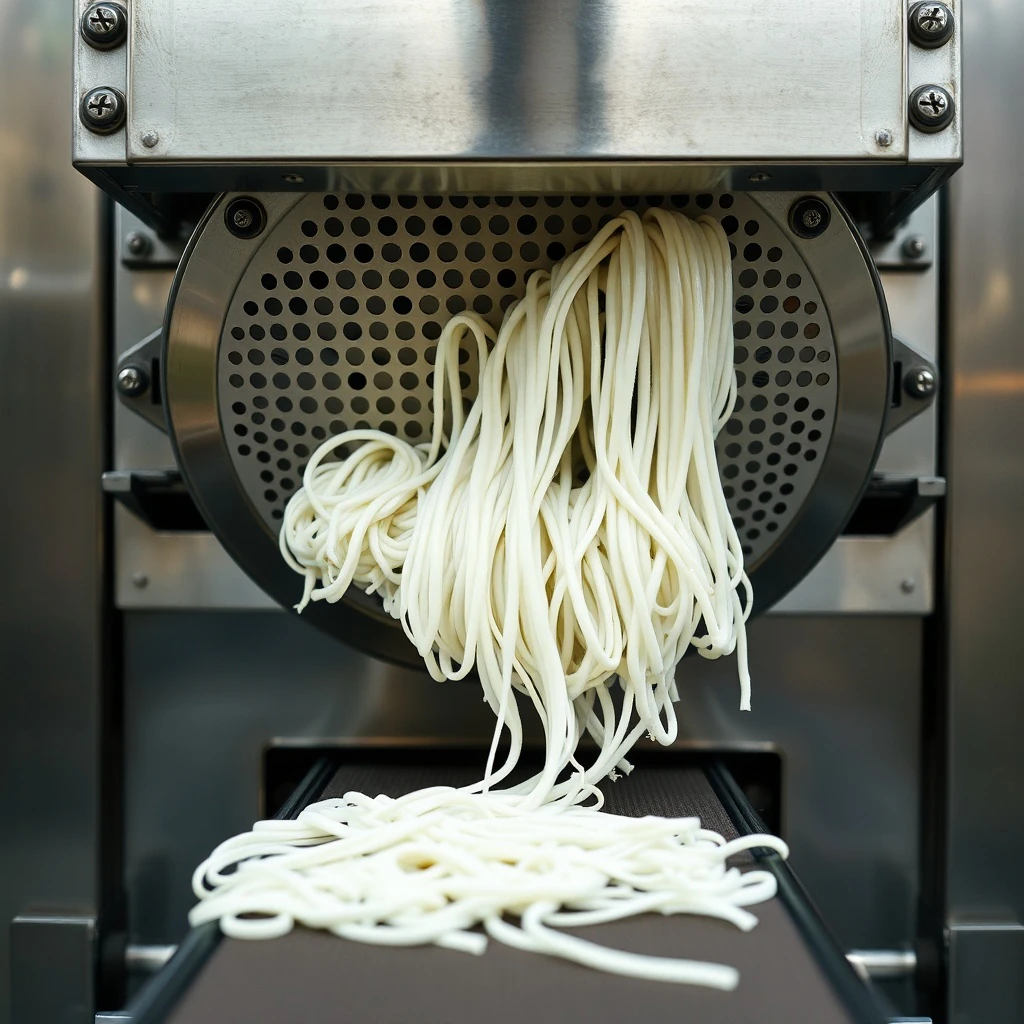
The neat soap is washed with brine to remove residual caustic and impurities, then passed through a centrifuge to separate the soap from the glycerin-rich aqueous phase. The washed soap is dried in a flash-dryer or vacuum dryer to a moisture content of 10–15%. The dried soap is extruded through a perforated plate, forming cylindrical pellets (“noodles”) typically 2–4 mm in diameter and 5–15 mm long.
Why it matters commercially
Soap noodles offer buyers a consistent, transportable feedstock. Volatile fatty acid prices make noodle contracts a hedge against feedstock cost swings. The glycerin recovered during saponification is itself a valuable co-product, improving the economics of the entire process. For procurement managers, understanding the noodle’s fatty acid composition—especially the C12/C14 ratio from PKO—directly affects lathering properties in the final bar.
What to look for when sourcing
Key quality parameters include: total fatty matter (TFM) ≥ 78%, free caustic ≤ 0.1%, moisture ≤ 15%, and an unsaponifiable content below 1%. Colour should be uniform (white or off-white for most applications). Trace metals such as iron and nickel must be low to avoid rancidity. Buyers should verify that suppliers operate RSPO-certified supply chains if sustainability claims are required. Consistency in noodle size and bulk density affects blending and processing at the finishing mill.
Conclusion
Palm-based soap noodles represent a mature, capital-efficient link between oil refining and consumer soap production. For industrial buyers, a firm grasp of the process—from saponification through drying and extrusion—enables better specification writing, quality control and cost analysis.