Palm Oil Holds Near $1,155 as El Niño, B50 Costs Weigh on Outlook
CPO benchmark steadies; MPOC sees prices above MYR 4,600 in September as supply tightens and geopolitical risks persist.

Malaysian CPO edges higher, Indonesian reference holds above $1,000, while dry weather and biodiesel policy support prices against a seasonal stock build.
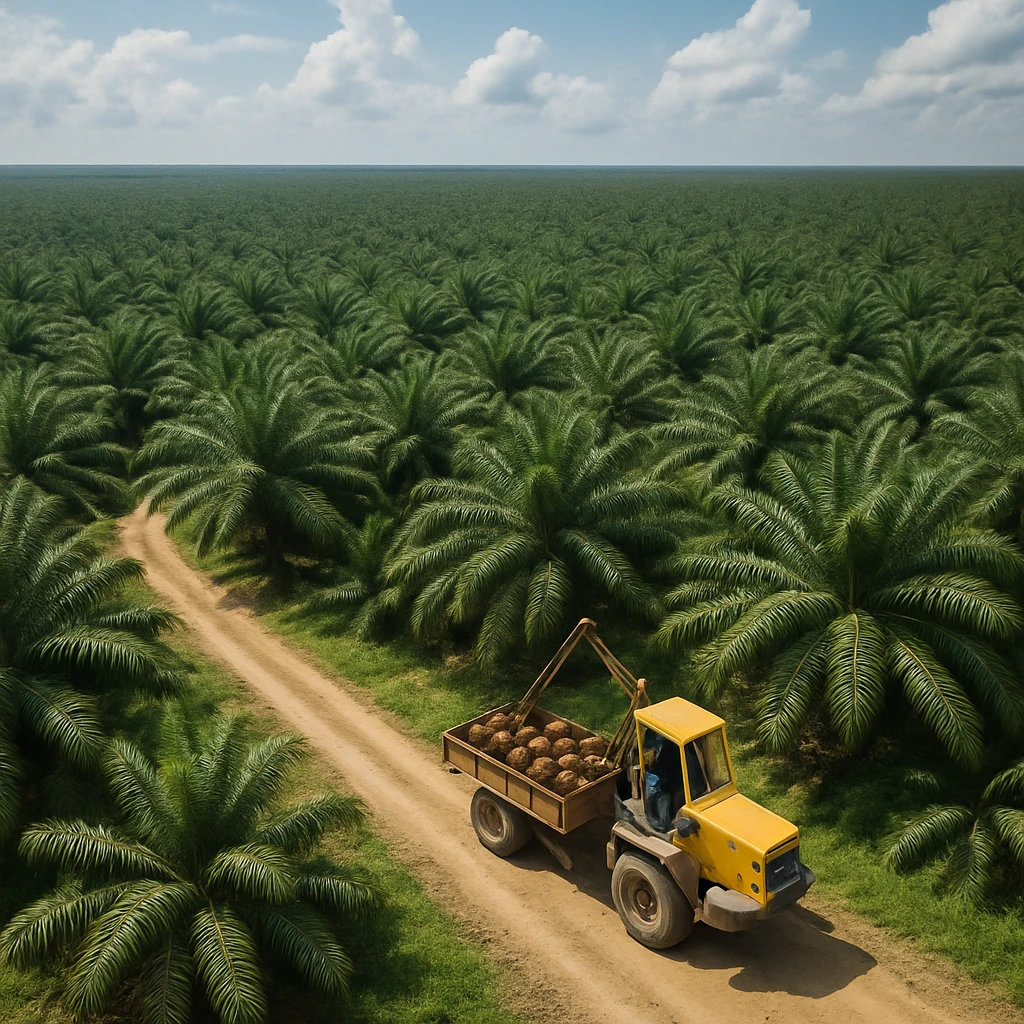
Malaysian benchmark crude palm oil was quoted near $1,146/MT, or about RM4,608/MT, a modest 0.1% rise on the previous session. The World Bank global palm oil benchmark was about $1,101/MT, while Indonesia's September reference price rose by around 1.1% to about $1,008/MT, according to local reports. Brent crude gained 0.2% to roughly $95/bbl, and the ringgit traded near 4.04 per dollar. Indonesia kept its CPO export levy at $148/MT for September.
Malaysia's July production rose 9.4% month-on-month to 1,792,979 tonnes, while closing stocks increased 7.2% to 1,429,316 tonnes. Exports climbed 14.5% to 1,392,178 tonnes and imports fell 51.9% to 49,566 tonnes. The stocks-to-use ratio reached 12.5%, indicating a seasonal supply buffer.
Nevertheless, weather risks are intensifying. The ENSO indicator is at +1.4, consistent with El Niño, and key growing areas in Sumatra/Riau and Kalimantan are described as dry. Industry groups have warned that a severe El Niño could shrink CPO output, and a producer association said Indonesian production may be crimped. Malaysian authorities and MPOB have indicated readiness to help smallholders mitigate the impact.
Indonesia's B50 biodiesel program remains a central demand story. Higher Brent prices improve the financial case for palm-based biodiesel blending. At the same time, experts caution that B50 faces challenges in the upstream plantation sector if production declines. One report cautioned that CPO production could fall to 47.6 million tonnes in 2027, potentially threatening B50. GAPKI reported Indonesian palm oil exports jumped 64% in June 2026, with production and consumption also higher, reflecting firm export interest. Meanwhile, the Malaysian Palm Oil Council was cited as expecting CPO to stay above MYR4,600 in September on tightening supply and geopolitical disruptions.
Our model outlook indicates a modestly bullish near-term bias from a stale anchor and positive El Niño/B50 headlines. Ample July MPOB stocks, typical September seasonal weakness, and a crowded soyoil long position are seen capping upside. The projected path is for CPO to consolidate with an upward drift over the next 7 trading days, with daily volatility near 0.7%. Key risks include faster-than-expected B50 uptake or severe dry weather pushing prices toward $1,180, while profit-taking or weak export demand could test $1,120 support.
Watch Indonesia's B50 implementation pace and rainfall in Sumatra/Riau and Kalimantan. A quicker biodiesel ramp or worsening dryness would tighten supply sentiment, while weak export demand or profit-taking could pressure prices toward support. Track the next Malaysian production and export data and any changes to Indonesian export reference prices or levies.
Sources: DDTCNews; Bisnis.com - Market; bloombergtechnoz.com; Kantor Berita Sawit; Kantor Berita Sawit; BernamaBiz
CPO benchmark steadies; MPOC sees prices above MYR 4,600 in September as supply tightens and geopolitical risks persist.
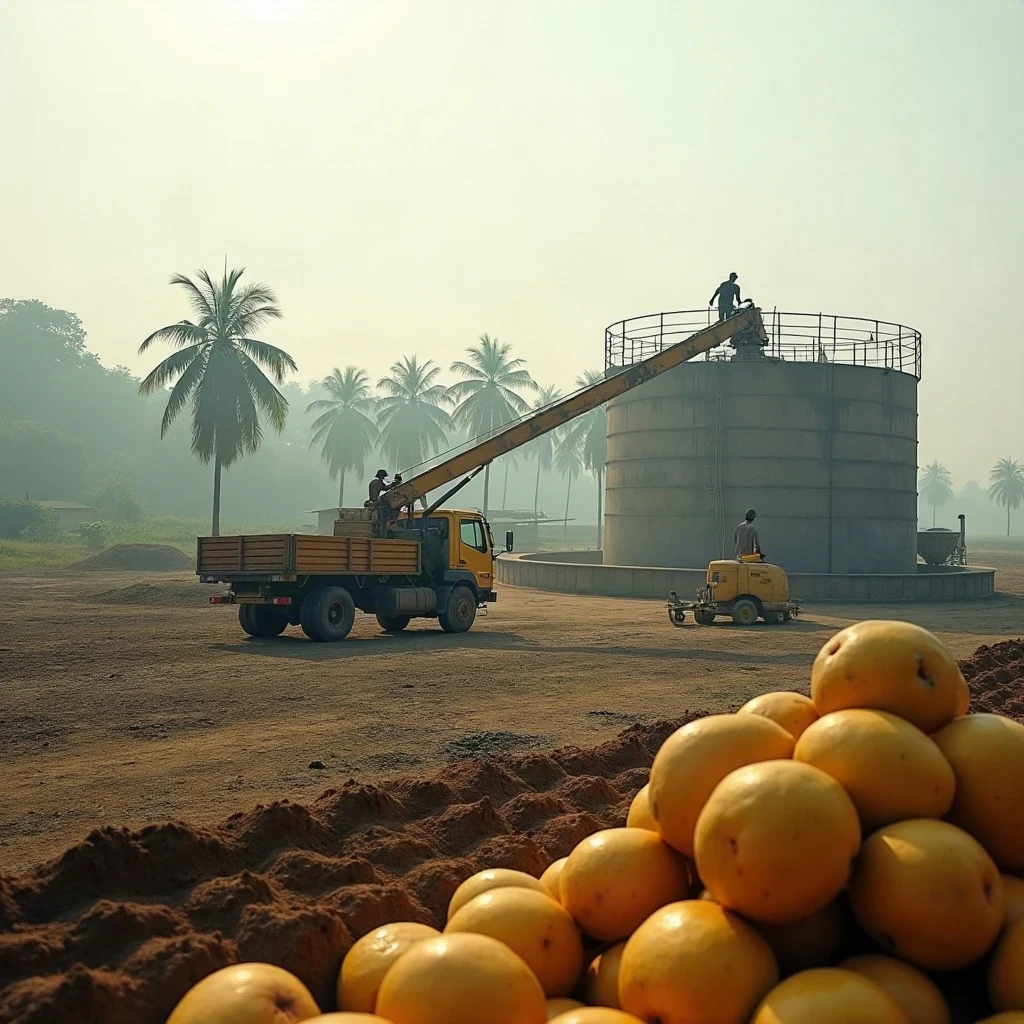
Malaysian crude palm oil futures edged higher on 2 September 2026, with the benchmark contract at about $1,155/MT (RM 4,662), up 0.8% from the previous session. The global World Bank benchmark stood at $1,101/MT, while Indonesia's reference price was around $1,008/MT. Brent crude slipped 0.5% to about $95/bbl, though levels remain supportive of biodiesel blend economics.
MPOB data for July 2026 showed Malaysian CPO production at 1,792,979 tonnes, up 9.4% month-on-month, while closing stocks rose 7.2% to 1,429,316 tonnes. Exports jumped 14.5% to 1,392,178 tonnes, and imports plunged 51.9% to 49,566 tonnes. The FFB reference price edged up 1.2% to RM 49.50.
Despite the stock build, market attention is firmly on the weather. ENSO is in El Niño territory (ONI +1.4), with Sumatra/Riau and Kalimantan experiencing dry conditions. Indonesia's producer group has warned that El Niño will crimp output, adding to concerns over feedstock availability for the country's B50 biodiesel program. Malaysian authorities have offered support to smallholders to mitigate El Niño impacts.
Indonesia's B50 mandate remains a key demand driver, though upstream challenges persist. The country's June export surge of 64% year-on-year, reported by GAPKI, underscores strong overseas demand. Meanwhile, Indonesia's September export levy remains at $148/MT despite a higher reference price, a move that could support farmer margins.
The Malaysian Palm Oil Council (MPOC) expects CPO prices to stay above MYR 4,600 in September, citing tightening supply and geopolitical disruptions. Crude oil strength, rival vegetable oil gains, and geopolitical supply disruptions are providing a floor under palm prices. However, ample July stocks, seasonal September production weakness, and a crowded soyoil long position could limit upside.
Our model outlook suggests a modestly bullish near-term bias, with CPO expected to consolidate and drift upward over the next 7 trading days, with daily volatility around 0.7%. The published path is +2.1% over that period. Risks: faster B50 uptake or severe dry weather could push prices higher; profit-taking or weak export demand could test support levels.
Watch Indonesian weather updates and B50 implementation speed — both are swing factors that could push prices beyond the current range. Also monitor Malaysian export data and China's vegetable oil stocks, as they could cap rallies.
Policy watch: Indonesia's B50 mandate collides with El Niño-driven output risks and strong export demand.
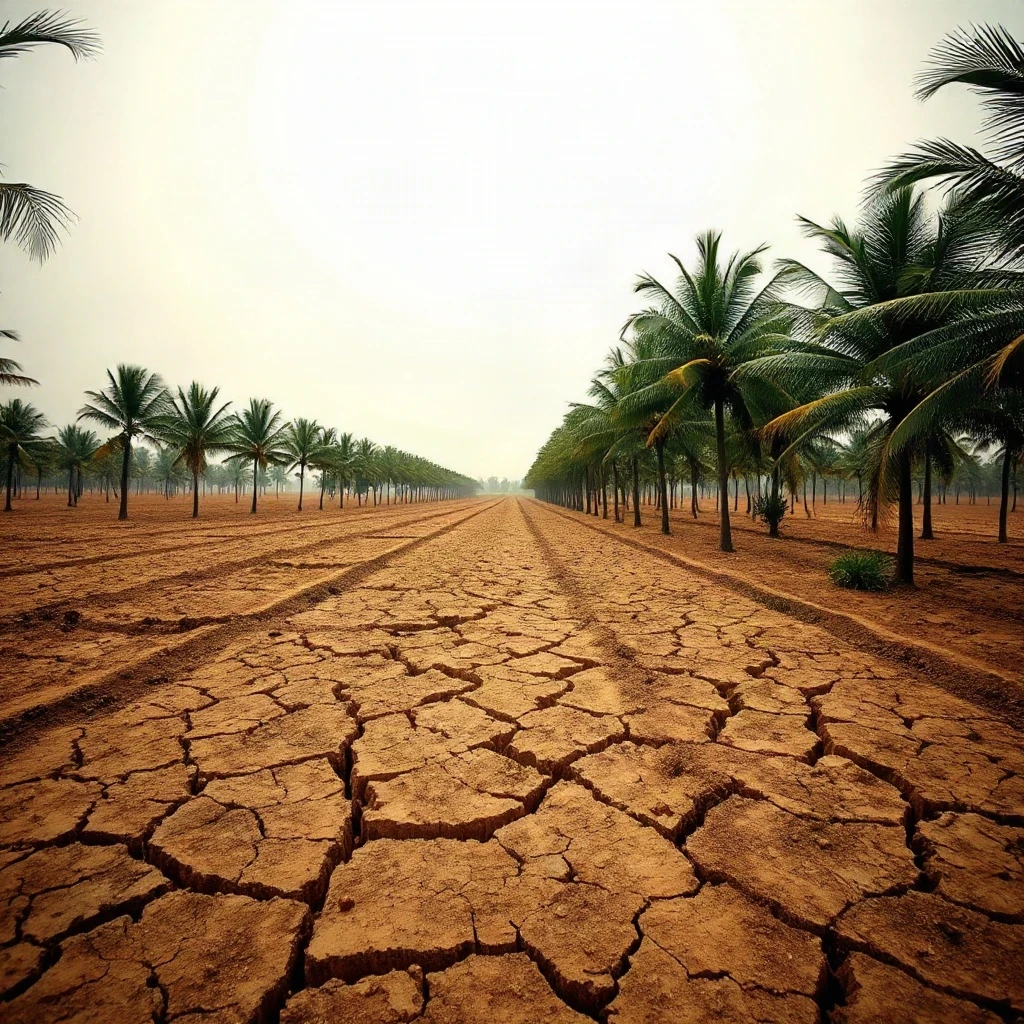
Indonesian palm oil policy is entering a critical stretch as the government pushes its B50 biodiesel mandate against a backdrop of El Niño-related dryness in key growing regions. Recent headlines from Indonesian media and industry groups highlight a growing tension: the upstream sector may struggle to supply both the higher biodiesel blend and robust export demand.
El Niño conditions, with an ONI of +1.4, have brought notably dry weather to Sumatra and Kalimantan, the country's main producing islands. Industry reports cited this week warn that crude palm oil production could fall to around 47.6 million tonnes in 2027, a level that would strain domestic commitments. The dry spell raises the risk of lower yields in the coming months, even as Malaysia's July data showed a seasonal uptick in output.
Industry experts, including those from the Indonesian palm oil association ASPEBINDO, have pointed to upstream challenges in meeting B50 targets. These include aging trees, limited replanting, and the logistical complexity of distributing a higher-blend fuel across the archipelago. The mandate, if fully implemented, would redirect a significant share of domestic CPO supply away from export markets.
For compliance-minded buyers, the policy signals are mixed. On one hand, higher biodiesel uptake in Indonesia reduces the volume of palm oil available for export, supporting global prices. On the other, any shortfall in meeting B50 could lead to policy reversals or delays, creating uncertainty for long-term supply contracts.
Our model outlook suggests a modestly bullish near-term bias, driven by the El Niño narrative and positive B50 headlines. However, ample Malaysian stocks and seasonal weakness in September could cap gains. The model expects CPO to consolidate with an upward drift over the next seven trading days, with volatility around 0.7%. Key risks include faster-than-expected B50 uptake or severe dry weather pushing prices toward $1,180 per tonne, while profit-taking or weak export demand could test support at $1,120.
Malaysian benchmark CPO futures traded at about $1,146 per tonne, roughly unchanged from the previous session. The global World Bank benchmark stood at $1,101, while Indonesia's reference price was about $1,008. Brent crude held near $95 per barrel, making biodiesel blends more competitive against fossil diesel and reinforcing the economic case for B50.
For buyers, the immediate takeaway is to monitor Indonesian policy implementation closely. Any slippage in B50 uptake could ease supply tightness, while a faster rollout would tighten the export balance further. The interplay between weather, policy, and global demand will remain the key driver for palm oil prices in the weeks ahead.
Malaysian production and stocks rose in July, but dry Sumatra, Kalimantan and El Niño conditions cloud the supply path.
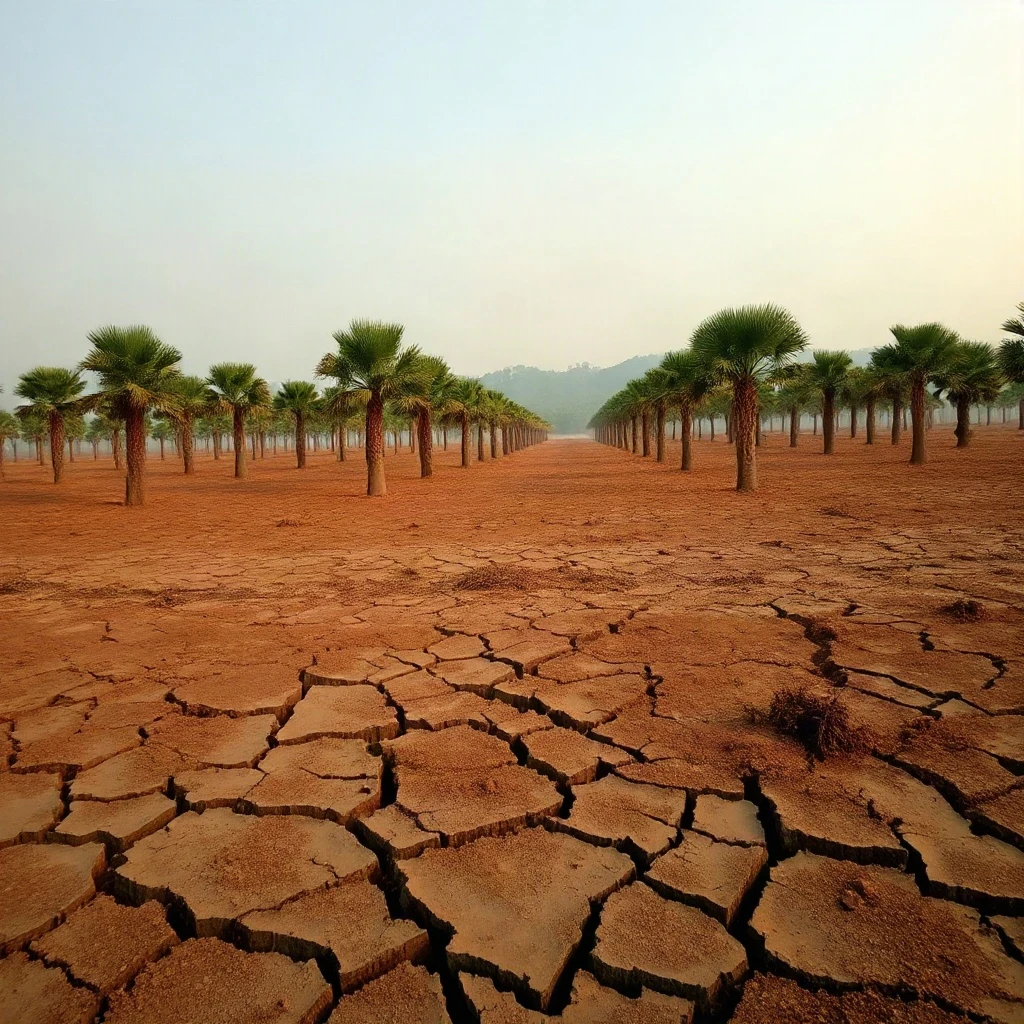
Malaysian crude palm oil futures held near $1,146 per tonne, up 0.1% on the session, with the ringgit at 4.04 per dollar. The market is balancing a firm near-term tone against a supply picture that is more nuanced than headline strength suggests.
Malaysia's July data from MPOB showed CPO output at 1,792,979 tonnes, up 9.4% month-on-month, while closing stocks rose 7.2% to 1,429,316 tonnes. Exports climbed 14.5% to 1,392,178 tonnes, a strong month that helped absorb some of the added supply. Imports fell sharply to 49,566 tonnes, down 51.9% month-on-month, reflecting reduced inter-country flows.
The stock build is notable. Even with robust export demand, inventories expanded, pointing to a market that is not yet tight at the Malaysian level. The FFB reference price rose 1.2% to RM 49.50, a modest gain that suggests upstream returns are improving but not accelerating.
ENSO conditions are firmly in El Niño territory, with an ONI of +1.4. Rainfall anomalies are already visible: Sumatra and Kalimantan are dry, and both are core production zones for Indonesia, the world's largest palm oil producer. Malaysian growing areas are less directly flagged in the current data, but regional dryness tends to spill over.
Dry weather typically curbs yields with a lag of several months. The current trajectory implies that Indonesian output growth could slow into late 2026 and early 2027, while Malaysian production may face similar pressure if dryness persists into the seasonal peak. For now, Malaysia's July numbers show no immediate damage, but the risk is forward-looking.
World palm oil supply remains concentrated. Indonesia and Malaysia together account for roughly 85% of global output. Indonesia's reference price, at about $1,008 per tonne, sits below the Malaysian benchmark and the World Bank's global indicator of around $1,101, reflecting different domestic pricing and export levy structures.
Biodiesel policy is the other major constraint. With Brent crude near $95 per barrel, biodiesel blending economics are more favorable, and Indonesia's push toward higher blends—B50 in particular—could divert more domestic supply away from export markets. That would tighten global availability even if production holds up.
For the supply outlook to turn decisively bearish, Malaysia would need to sustain or beat July's production pace through the seasonal peak, and Indonesia would need normal rains to return quickly. Neither is guaranteed. For a bullish shift, faster B50 implementation or a deepening of dry conditions in Sumatra and Kalimantan could push prices toward $1,180, while profit-taking or weak export demand could test $1,120 support.
Buyers should watch three things: monthly rainfall data for Sumatra and Kalimantan, MPOB's August stocks and production prints, and any official announcements on Indonesian biodiesel mandate timing. Our model outlook sees CPO consolidating with an upward drift over the next seven sessions, with daily volatility near 0.7% and a published path of +1.5% over that period.
A neutral look at the pathogen, detection limits and resistance breeding for oil palm's most costly disease.
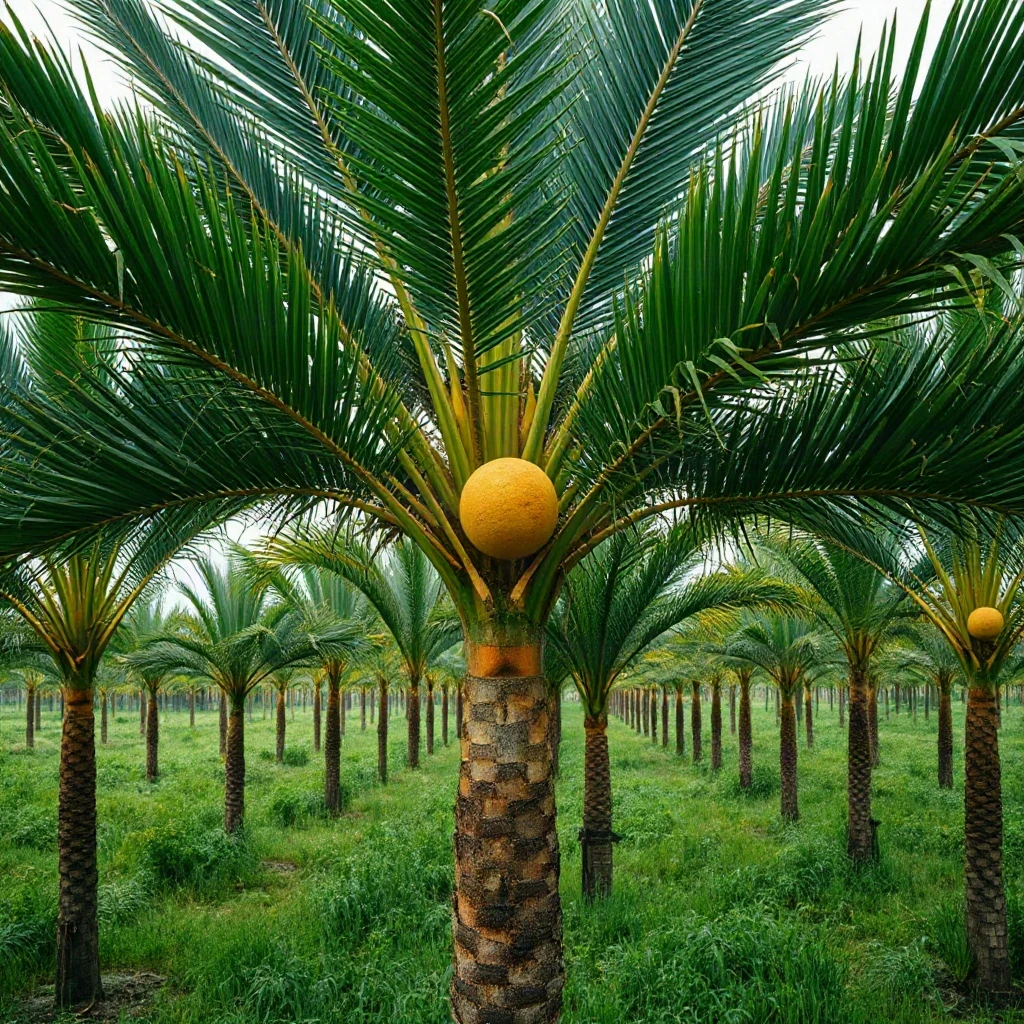
Ganoderma basal stem rot is caused by white-rot fungi of the *Ganoderma* genus, most commonly associated with *Ganoderma boninense* in Southeast Asian oil palm plantings. The fungus is a wood-decayer that colonises the palm's internal tissues, degrading lignin and cellulose and eventually disrupting the vascular system. Infected palms show no reliable external symptoms until the disease is advanced, which is a central problem for management.
Well-established evidence confirms that the pathogen spreads through root-to-root contact between adjacent palms and persists in old palm stumps and root debris left after replanting. Inoculum can remain viable in the soil for years, which explains why disease pressure often rises in second- and third-generation plantings. Beyond that, much of the pathogen's epidemiology is less certain: the relative importance of basidiospore dispersal versus soilborne spread, and the role of different *Ganoderma* species in mixed infections, remain active research questions.
Field detection still relies heavily on visual inspection for symptoms such as unopened spear leaves, yellowing fronds and the formation of fruiting bodies at the palm base. These signs appear late, typically when the internal rot is already extensive, so visual surveys systematically undercount early infections.
Molecular detection methods, including DNA-based assays, can identify the fungus in tissue or soil samples with high sensitivity. However, their practical use is constrained by sampling difficulty: the fungus is unevenly distributed within the palm and in the soil, so a negative sample does not rule out infection. Remote sensing and drone-based imaging are being tested to detect canopy stress, but these methods detect physiological changes that can have many causes, so they are not yet a definitive diagnostic. The state of the art is a combination of visual scouting, targeted molecular testing and spatial mapping of known hotspots, with the honest caveat that no current method reliably finds early infections in a standing crop.
Resistance breeding has produced material with partial tolerance, but no commercially available variety is fully resistant to Ganoderma. Screening trials typically involve artificial inoculation of seedlings, and results from these trials do not always translate to field performance, where inoculum pressure, soil conditions and fungal strain variation interact. There is evidence that some progenies consistently show lower disease incidence, which suggests a genetic component, but the heritability of resistance is not well quantified and the underlying mechanisms are not fully understood.
Industry claims of "Ganoderma-resistant" planting material generally outrun the evidence. What is more accurate is that some crosses show reduced susceptibility under specific conditions, and that tolerance is likely polygenic. No single gene or marker has been validated for reliable marker-assisted selection, and progress is slow because the disease takes years to express in field trials.
For producers, the practical takeaway is that prevention and hygiene remain the most defensible strategy: removing and destroying old stumps, maintaining good drainage and using fallow periods to reduce inoculum. Detection programs should be treated as a tool for slowing spread, not for eliminating the disease, and budgets should reflect that.
For refiners and buyers, the relevance is indirect but real. Ganoderma reduces yield per hectare over a plantation's life and shortens the economic lifespan of affected blocks, which can tighten supply in mature regions. Sustainability certifications increasingly ask about disease management, so credible evidence of monitoring and replanting hygiene matters for market access. The honest summary is that research has clarified the pathogen's basic biology and the limits of current tools, but the gap between what is known and what is needed for reliable early detection and durable resistance remains wide. ---
*This article reflects the position as of 2 September 2026. Research moves on, and later work may revise or supersede what is described here. Please verify the current position, and any changes made after this date, before relying on it.*
A look at the policy-driven shift that reshaped Malaysian agriculture and built the modern palm oil sector.
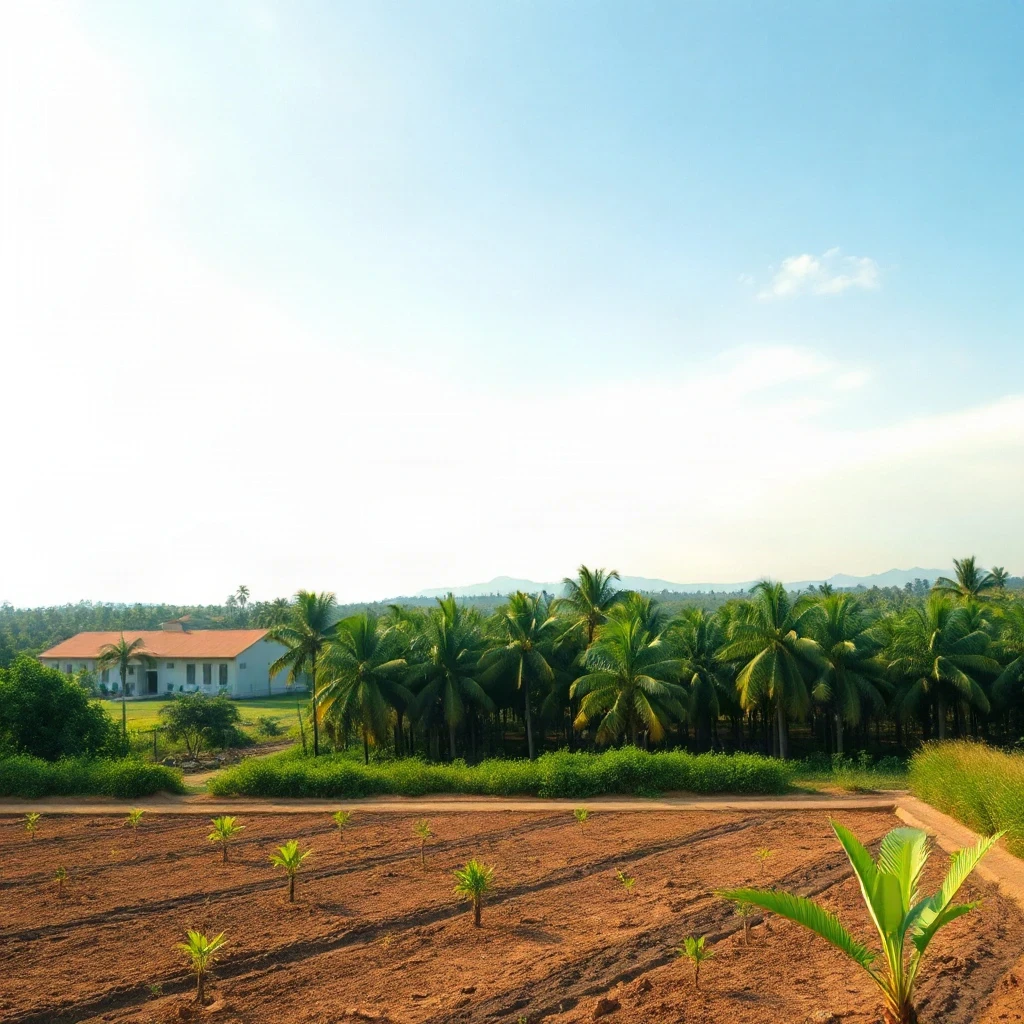
For much of the first half of the 20th century, the Malayan landscape was defined by rubber. The great estates that stretched across the peninsula were planted almost exclusively with Hevea brasiliensis, feeding a global tyre and industrial demand that seemed insatiable. But by the 1960s, that model was showing strain. Low rubber prices, rising production costs, and competition from synthetic rubber and new natural-rubber producers began to erode the economics of the old estate system.
The Malaysian government's response was a deliberate, state-led diversification programme. The key instruments were the Federal Land Development Authority (FELDA) and, later, the Federal Land Consolidation and Rehabilitation Authority (FELCRA). These agencies were tasked with opening new land for smallholder settlement, and crucially, they chose oil palm as the primary crop for many of these schemes. The logic was straightforward: oil palm offered higher and more stable returns per hectare than rubber, and it suited the tropical lowland conditions of the peninsula.
The policy was not merely about replacing one crop with another. It was about restructuring rural society. FELDA schemes were designed to settle landless families on newly cleared land, giving them title to smallholdings within a centrally managed plantation framework. The state provided the capital for land clearing, planting, and the construction of palm oil mills, and the settlers repaid these costs over time from their harvests. This model effectively created a new class of smallholder-planters, integrated into a modern supply chain from the outset.
On the existing private estates, the shift was more gradual but equally profound. As rubber trees aged and became less productive, many estates chose not to replant with rubber but to convert directly to oil palm. This was a commercial decision, encouraged by government incentives and by the demonstrated success of the FELDA schemes. By the late 1970s, oil palm had overtaken rubber as the dominant planted area in Malaysia, a historic reversal that had taken barely two decades to achieve.
This conversion was not without friction. The infrastructure of the rubber industry—smoking sheds, latex collection centres, and the skilled tapping workforce—was not directly transferable. Oil palm required different harvesting techniques, a more intensive use of labour for fruit collection, and the construction of new milling capacity. The transition therefore involved a significant re-skilling of the rural labour force and a major investment in processing facilities.
The policy pivot of the 1960s and 70s did more than change the crop mix. It created the structural template for the modern Malaysian palm oil industry. The FELDA and FELCRA schemes became the backbone of the smallholder sector, which today accounts for a substantial share of national production. The emphasis on integrated plantation-mill complexes, pioneered in those early settlement schemes, remains the standard model for efficient production. And the institutional capacity built to manage land settlement and crop diversification evolved into the regulatory and research bodies that still govern the industry.
In short, the Malaysian palm oil industry is not a natural resource accident. It is the product of a specific, state-directed historical process that converted a struggling rubber economy into a highly productive oil palm economy. Understanding that origin helps explain the industry's structure, its land tenure patterns, and the central role of government-linked agencies—all of which remain defining features of the trade today.
Our market desk connects serious buyers with vetted origin suppliers across Southeast Asia. Indicative pricing, specifications and shipment guidance — free of charge.
Get connected →CPO benchmark steadies; MPOC sees prices above MYR 4,600 in September as supply tightens and geopolitical risks persist.
Policy watch: Indonesia's B50 mandate collides with El Niño-driven output risks and strong export demand.
Malaysian production and stocks rose in July, but dry Sumatra, Kalimantan and El Niño conditions cloud the supply path.
A neutral look at the pathogen, detection limits and resistance breeding for oil palm's most costly disease.
A look at the policy-driven shift that reshaped Malaysian agriculture and built the modern palm oil sector.
Malaysian CPO edges higher, Indonesian reference holds above $1,000, while dry weather and biodiesel policy support prices against a seasonal stock build.
Malaysian benchmark crude palm oil was quoted near $1,146/MT, or about RM4,608/MT, a modest 0.1% rise on the previous session. The World Bank global palm oil benchmark was about $1,101/MT, while Indonesia's September reference price rose by around 1.1% to about $1,008/MT, according to local reports. Brent crude gained 0.2% to roughly $95/bbl, and the ringgit traded near 4.04 per dollar. Indonesia kept its CPO export levy at $148/MT for September.
Malaysia's July production rose 9.4% month-on-month to 1,792,979 tonnes, while closing stocks increased 7.2% to 1,429,316 tonnes. Exports climbed 14.5% to 1,392,178 tonnes and imports fell 51.9% to 49,566 tonnes. The stocks-to-use ratio reached 12.5%, indicating a seasonal supply buffer.
Nevertheless, weather risks are intensifying. The ENSO indicator is at +1.4, consistent with El Niño, and key growing areas in Sumatra/Riau and Kalimantan are described as dry. Industry groups have warned that a severe El Niño could shrink CPO output, and a producer association said Indonesian production may be crimped. Malaysian authorities and MPOB have indicated readiness to help smallholders mitigate the impact.
Indonesia's B50 biodiesel program remains a central demand story. Higher Brent prices improve the financial case for palm-based biodiesel blending. At the same time, experts caution that B50 faces challenges in the upstream plantation sector if production declines. One report cautioned that CPO production could fall to 47.6 million tonnes in 2027, potentially threatening B50. GAPKI reported Indonesian palm oil exports jumped 64% in June 2026, with production and consumption also higher, reflecting firm export interest. Meanwhile, the Malaysian Palm Oil Council was cited as expecting CPO to stay above MYR4,600 in September on tightening supply and geopolitical disruptions.
Our model outlook indicates a modestly bullish near-term bias from a stale anchor and positive El Niño/B50 headlines. Ample July MPOB stocks, typical September seasonal weakness, and a crowded soyoil long position are seen capping upside. The projected path is for CPO to consolidate with an upward drift over the next 7 trading days, with daily volatility near 0.7%. Key risks include faster-than-expected B50 uptake or severe dry weather pushing prices toward $1,180, while profit-taking or weak export demand could test $1,120 support.
Watch Indonesia's B50 implementation pace and rainfall in Sumatra/Riau and Kalimantan. A quicker biodiesel ramp or worsening dryness would tighten supply sentiment, while weak export demand or profit-taking could pressure prices toward support. Track the next Malaysian production and export data and any changes to Indonesian export reference prices or levies.