Palm Oil Balances El Niño Supply Fears Against July Stockbuild
Malaysian CPO edges to $1,143/MT; MPOB July stocks and production rise, but dry weather and B50 demand keep bias slightly positive.

Malaysian CPO edges higher, but our model's balance of factors tilts lower: 4 bullish drivers face 6 bearish ones, with El Niño, B50 and the BOPO spread offset by July stockbuild,
The Indonesia B50 mandate is also a structural demand support. The B40-to-B50 rollout is running smoothly and storage expansion is underway. By absorbing an estimated 3-4 million tonnes per year of palm oil for biodiesel, the policy reduces the amount available for export and food, supporting prices through a tighter supply-demand balance.
The wide BOPO spread keeps palm cheap. Soybean oil trades at a $422/MT premium over palm. That discount encourages buyers to switch from soybean oil to palm in both food and industrial uses, cushioning palm even when supply data are soft.
Finally, the technical uptrend remains intact. The 5/20 SMA golden cross, positive MACD and RSI at 62 keep trend-following flows in the market. Price is above rising SMAs but near the upper Bollinger band, which supports momentum in the short term while leaving it stretched.
September seasonal softness is another drag. Historically September averages minus 0.9% month on month, and Malaysian production usually peaks between July and October. With peak output still arriving, buyers know more supply is coming and tend to hold off, reducing near-term demand.
Crowded speculative longs in soybean oil add a complex-wide risk. CFTC managed money net long positioning is at the 79th percentile but fell by 9,795 contracts week on week. When a complex is crowded long, a small negative catalyst can trigger liquidation; because soybean oil and palm oil are substitutes, selling in soyoil spills over into palm.
Brent crude's decline also matters. Brent fell 5.8% over the last seven days to $88.1/bbl, leaving the energy z-score at about -0.95. Lower petroleum diesel prices weaken the relative economics of biodiesel blending, softening one demand pillar for vegetable oils.
A weak Indonesian rupiah, at USD/IDR 17,696, adds regional supply pressure. A weak rupiah makes Indonesian CPO cheaper in dollar terms, encouraging Indonesian exporters to sell aggressively and compete with Malaysian cargoes.
Finally, the market is positioning for the next MPOB release, due in about 14 days. With traders expecting a continued August stockbuild, buying is cautious and rallies tend to be capped.
For the balance to flip back to bullish, the bearish factors would need to weaken. The clearest trigger would be August MPOB data showing a smaller stockbuild or a draw, rather than another build. A normalization of speculative soyoil positioning after liquidation would reduce cross-market risk. A recovery in Brent crude, a stronger Indonesian rupiah, or a slowdown in Indonesian export selling would each remove a bearish input. On the bullish side, fresh evidence that El Niño is actually cutting Indonesian output, or a larger-than-expected B50 demand pull, would strengthen the supply-tightening case. Until then, our model says the downside has the upper hand.
Malaysian CPO edges to $1,143/MT; MPOB July stocks and production rise, but dry weather and B50 demand keep bias slightly positive.
Malaysian CPO benchmark edged up 0.4% to about $1,143 per tonne, or RM4,613 per tonne, keeping its premium over the World Bank palm oil benchmark near $1,101 and Indonesia’s Kemendag reference around $997. Brent crude was flat at roughly $88 a barrel, while the ringgit hovered near 4.03 to the dollar. That leaves the biodiesel feedstock spread wide enough to support discretionary demand from Indonesian and Malaysian blenders, although soy oil positioning is crowded and could trigger spillover selling.
The latest MPOB July data lean bearish on the surface. Malaysian production climbed 9.4% month-on-month to 1,792,979 tonnes, closing stocks rose 7.2% to 1,429,316 tonnes, and exports jumped 14.5% to 1,392,178 tonnes while imports dropped 51.9% to 49,566 tonnes. FFB reference price ticked up 1.2% to RM49.50 per tonne and the stocks-to-use ratio printed at 12.5%. Indonesian June output also rose 8.59% to 5.28 million tonnes, and GAPKI reported that Indonesian palm exports surged 64% in June, adding to near-term availability. Yet the market is looking beyond this seasonal stockbuild.
That forward view is dominated by El Niño. With ONI at +1.4 and dry conditions reported in Sarawak and Kalimantan, producer groups caution that 2027 output could be clipped. GAPKI is urging faster replanting of smallholder areas, while MPOC has said prices should remain above RM4,600 in September because of tightening supply and geopolitical disruptions. On the demand side, B50 biodiesel promotion continues to widen the domestic offtake story in Indonesia, and CPO futures have reacted positively to these weather-related supply worries even as soybean futures occasionally drag the complex lower. A rebound in CPO futures on El Niño concerns underscores the market’s sensitivity to rainfall headlines.
Our model outlook sees a choppy, slightly positive bias over the next seven days, with a published path of +1.4%. The technical uptrend is intact but CPO sits near its upper Bollinger band, and crowded soyoil positioning raises the risk of a short-term correction. A wide BOPO spread and repeated supply warnings should limit downside, while the July stockbuild and seasonal September softness cap the upside. In that range, pullbacks are likely to be shallow but not completely absent.
For buyers, the near-term triggers are rainfall updates in Sarawak and Kalimantan, any escalation or delay in B50 implementation, movements in soybean oil and Brent, and whether CPO can hold above the RM4,600 area without a corrective flush.
Malaysian CPO edges up 0.4% to $1,143/MT; authorities ready smallholder help, industry warns severe El Niño could shrink output.
Malaysian crude palm oil futures edged up 0.4% to about $1,143/MT (RM 4,613) on Friday, holding near recent highs as El Niño-driven supply concerns and biodiesel demand offset fresh bearish stock data. The global benchmark sits near $1,101/MT, while Indonesia's reference price is $997/MT. Brent crude held at $88/bbl, keeping biodiesel blending economics supportive.
Indonesian and Malaysian authorities are stepping up support for smallholders facing El Niño. The Malaysian Palm Oil Board (MPOB) and the Malaysian Anti-Corruption Commission (KPK) are ready to help smallholders mitigate the impact, according to Plantation and Commodities Minister Noraini. This follows an industry warning that a severe El Niño could shrink crude palm oil output, adding concrete supply-side confirmation to the fears underpinning today's gains.
The current El Niño (ONI +1.4) is curtailing rainfall in key growing regions of Sarawak and Kalimantan, where dryness persists. The authorities' assistance programs—likely including replanting support and best-practice guidance—aim to buffer production losses. This aligns with earlier statements about the risk of a production deficit next year if replanting is not accelerated.
Malaysia's MPOB data for July 2026 showed stockpiles rose 7.2% month-on-month to 1,429,316 tonnes, a modest build that nonetheless adds to near-term bearish pressure. Production climbed 9.4% month-on-month to 1,792,979 tonnes, while exports jumped 14.5% to 1,392,178 tonnes. Imports fell sharply by 51.9% to 49,566 tonnes. The stock increase is a headwind, but the market is looking past it toward tightening supply.
Indonesia's B50 biodiesel program continues to expand, with recent outreach efforts highlighting its role in the energy transition. This is a structural demand boost for palm oil, as is the wider shift of palm oil into energy markets. The program is seen as a potential game-changer, reshaping Indonesia's energy and palm oil landscape.
However, demand signals are mixed. CPO futures closed lower in some sessions amid weaker soybean futures, and China's vegetable oil stocks are rising, pressuring prices. Soybean oil futures fell 7% after the EPA extended the RFS compliance deadline. These factors could cap gains, but the wide BOPO spread and supply warnings may limit pullbacks.
Our model outlook expects a choppy, slightly positive bias over the next 7 days, with a published path of +1.3%. The uptrend is technically intact, but price is near the upper Bollinger band and soyoil positioning is crowded, raising correction risk. Prices are expected to rise on tight supply and biodiesel demand, with MPOC projecting CPO to stay above RM 4,600 in September amid geopolitical disruptions.
Watch El Niño's impact on Southeast Asian rainfall and any policy moves on Indonesia's B50 mandate. The market is balancing near-term stock builds against longer-term supply concerns, so expect volatility with a mild upward bias. Keep an eye on the USD/IDR rate (17,756) and export taxes, as they affect Indonesian competitiveness.
Sources: Kantor Berita Sawit; RiauAktual.com; HaiSawit; bernama; The Edge Malaysia; Oils & Fats International
Indonesia's B50 mandate advances with storage build-out, tightening supply outlook and pressuring buyers.
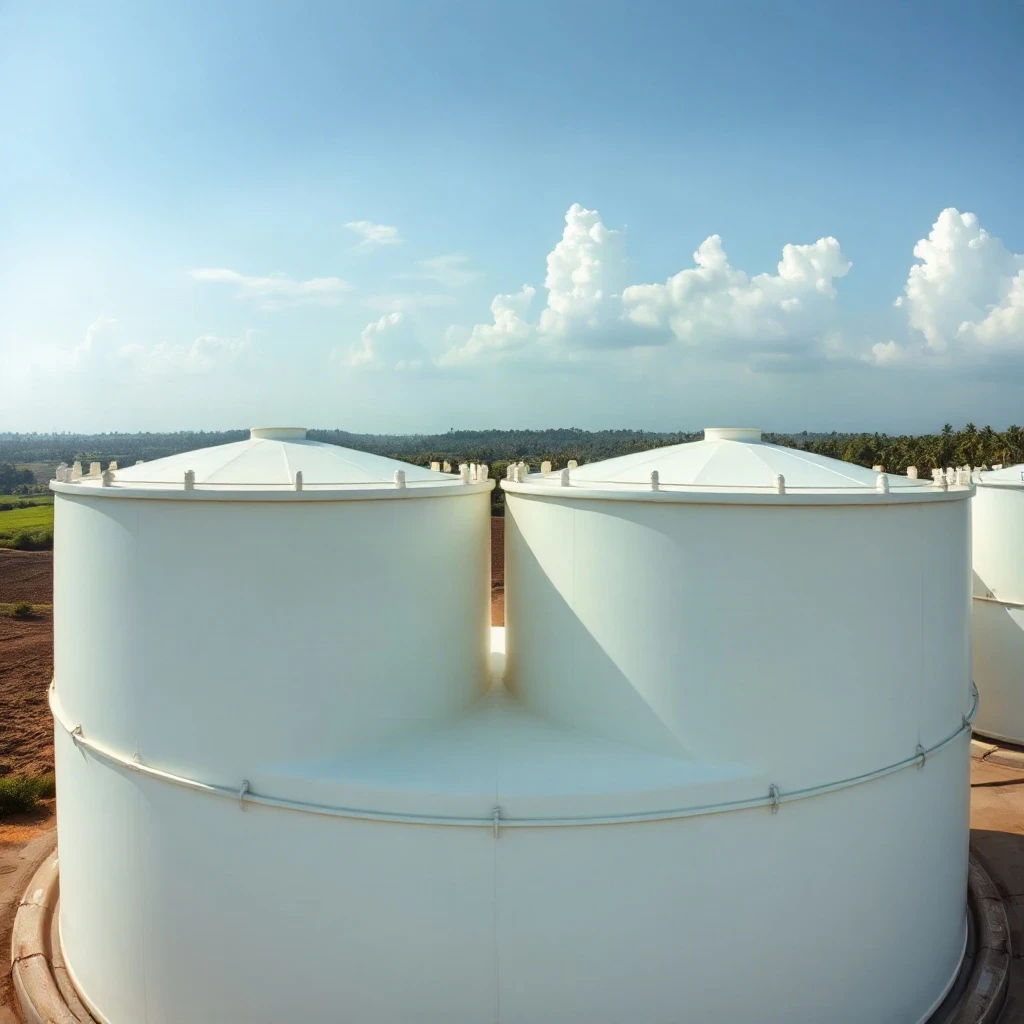
Indonesia's B50 biodiesel program is advancing smoothly, with the upstream regulator BPH Migas pushing to expand FAME storage facilities. The move signals a maturing logistics chain for higher biodiesel blends, which directly raises domestic palm oil consumption and reduces the volume available for export.
B50 mandates a 50% palm-based FAME blend in diesel, a step up from previous blend levels. Each percentage-point increase in the blend rate adds roughly several hundred thousand tonnes of annual palm oil demand, depending on diesel consumption. With B50 running without major hiccups, the market is pricing in sustained domestic absorption, which tightens the balance for overseas buyers.
The push for more FAME storage is a practical response to the logistical demands of higher blends. It reduces bottlenecks at blending facilities and allows refiners to hold larger inventories, smoothing supply during seasonal or price-driven disruptions. For compliance-minded buyers, this means more predictable domestic offtake and less flexibility in Indonesian export availability during peak demand periods.
Supply fundamentals remain tight. Malaysia's July data showed a 9.4% month-on-month rise in CPO production to 1.79 million tonnes, but stocks still climbed only 7.2% to 1.43 million tonnes, reflecting strong export demand. Exports surged 14.5% to 1.39 million tonnes, outpacing the production increase. Imports fell sharply, down 51.9%.
Meanwhile, El Niño conditions persist with an ONI of +1.4, and dry weather in Sarawak and Kalimantan is raising concerns about 2027 output. Dry spells during flowering stages can cut yields months later, adding a forward-looking bullish element to prices.
Malaysian CPO futures settled near $1,143 per tonne, up 0.4%, while the World Bank benchmark is at $1,101 and Indonesia's reference price is $997. The wide spread between Indonesian and Malaysian prices reflects export levy structures and domestic market obligations, but it also limits downside for Malaysian futures.
Our model outlook sees a choppy, slightly positive bias over the next seven days, with a projected gain of 1.4%. The uptrend is intact, but prices are near the upper Bollinger band and soyoil positioning is crowded, raising correction risk. Pullbacks are likely to be limited by the wide BOPO spread and supply warnings.
For buyers, the key takeaway is that Indonesian policy is now a structural demand driver, not just a cyclical one. Compliance with B50 is tightening the market, and supply-side weather risks are adding a premium. Those sourcing palm oil should factor in reduced export flexibility from Indonesia and monitor storage build-out as a signal of how much domestic demand will absorb in coming months.
Sources: Kantor Berita Sawit; Diskursus Network
Edible oil demand growth from population and income gains implies sustained supply expansion, set against El Niño risks and current stockbuilds.
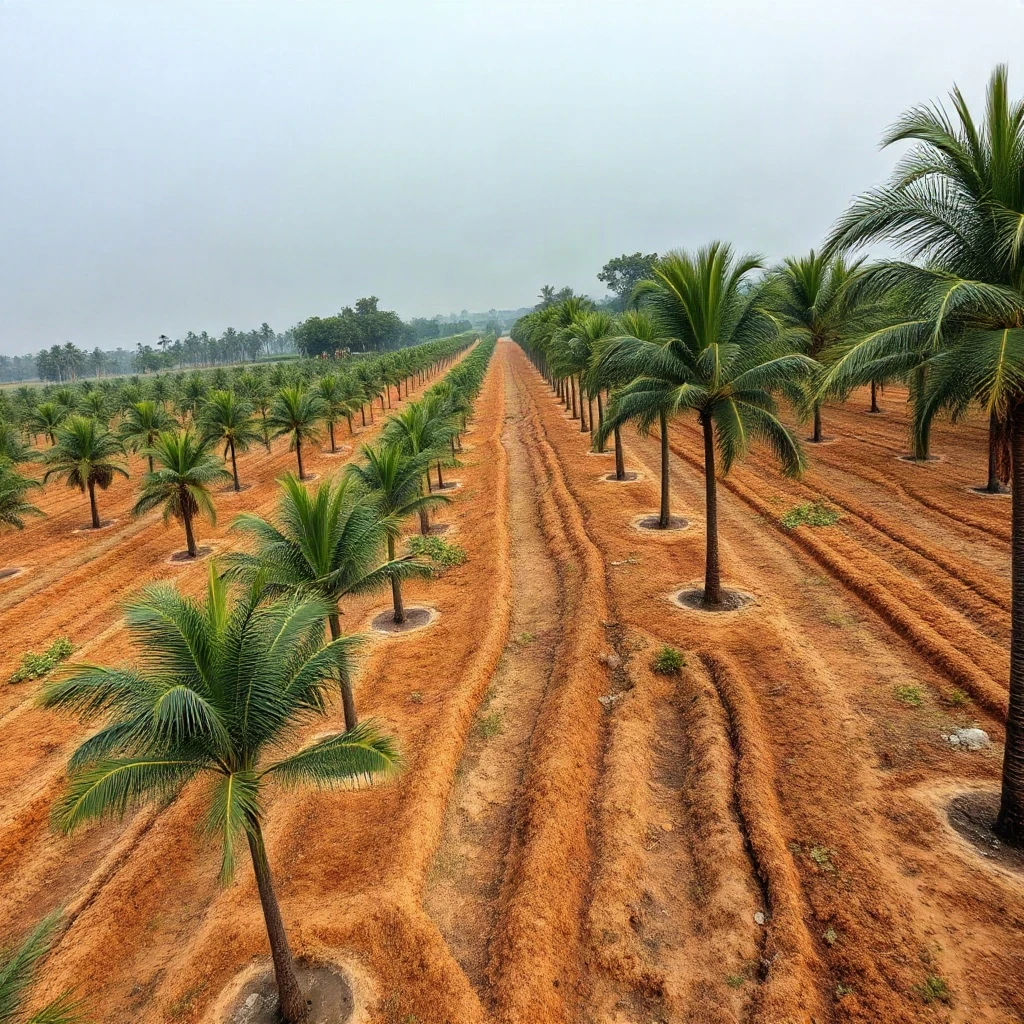
The palm oil market's daily tape is dominated by weather, policy and inventory swings, but the structural question for buyers is simpler and larger: how much new supply must the industry bring to market each year just to keep pace with demand growth from population and rising incomes?
Global population growth adds on the order of 70-80 million people per year, and per-capita edible oil consumption rises with income, particularly in developing Asia and Africa. Palm oil, as the lowest-cost major vegetable oil, captures a disproportionate share of that incremental demand. Industry trackers generally estimate world vegetable oil demand grows by roughly 3-4 million tonnes per year, with palm oil's share of that increment on the order of 40-50%.
Malaysia's July 2026 data show the system can still respond when weather cooperates: CPO production rose 9.4% month-on-month to 1.79 million tonnes, and exports jumped 14.5% to 1.39 million tonnes. But closing stocks of 1.43 million tonnes, up 7.2% from June, are a reminder that near-term supply is adequate — a bearish counterweight to the forward-looking demand story.
The weather picture complicates the supply outlook. The current El Niño (ONI +1.4) has left Sarawak and Kalimantan dry, and dry conditions during the current growing window typically feed through to weaker output nine to twelve months later. That points to a tighter 2027 supply profile, even as the market digests the current stockbuild.
At about $1,143/MT for Malaysian CPO (RM 4,613), the benchmark sits above the World Bank global reference of roughly $1,101/MT and well above Indonesia's $997/MT reference price. The wide gap between palm and other vegetable oils — the BOPO spread — keeps palm competitive in price-sensitive markets, which is exactly where income-driven demand growth is strongest.
Biodiesel policy adds another demand layer. With Brent near $88/bbl, palm-based biodiesel remains economically attractive in producer countries, and Indonesia's B50 programme represents a structural, policy-backed demand source that is largely insensitive to food-market prices.
For the long-run demand story to weaken, one would need to see a sustained slowdown in population growth, a shift in dietary patterns away from vegetable oils, or a structural rise in palm's price relative to competing oils that would push buyers toward rapeseed, soybean or sunflower oil. None of those are visible in current data.
For supply to keep up, the industry needs yield improvements, area expansion in suitable regions, and normal weather. A prolonged El Niño extending into 2027 would tighten the market significantly.
Our model outlook sees the market caught between these forces: choppy with a slightly positive bias over the next seven sessions, with pullbacks limited by supply warnings and the wide spread. The long-run arithmetic, however, remains firmly on the demand side.
A neutral comparison of RBD and crude palm oil across yield, cost, properties, applications, and sustainability.

Crude palm oil (CPO) is the unprocessed oil pressed from the mesocarp of the oil palm fruit. It retains free fatty acids, moisture, and impurities, giving it a deep orange-red color and a characteristic odor. Refined, bleached, and deodorized (RBD) palm oil is CPO that has undergone physical or chemical refining to strip out free fatty acids, pigments, and volatile compounds, yielding a neutral-tasting, pale oil with a longer shelf life.
Refining reduces the total volume of oil available. The refining process removes roughly 3–5% of the crude oil's mass as free fatty acids, gums, and other by-products, which are often sold separately as palm fatty acid distillate (PFAD). On a per-tonne basis, RBD palm oil commands a premium over CPO, reflecting the additional processing steps and the loss of volume. However, the price gap is not fixed; it widens when crude oil quality is poor and narrows when CPO is exceptionally clean.
CPO's high free fatty acid content and strong color make it unsuitable for direct human consumption in most refined food products. It is primarily used as a feedstock for further processing into oleochemicals, biodiesel, and industrial products, or as a raw material for refining. RBD palm oil, with its neutral taste and light color, is the standard form for food manufacturing—used in frying oils, margarines, shortenings, and confectionery. RBD palm olein, the liquid fraction, is particularly prized for frying due to its oxidative stability.
Both forms carry the same environmental footprint at the plantation level, but refining can improve traceability and quality control. Some buyers prefer CPO to maintain full control over the refining process and to capture the value of by-products like PFAD. Others prefer RBD to simplify their supply chain and ensure consistent quality. Sustainability certifications, such as RSPO, can apply to either form, though certified RBD is more common in retail-facing food products.
Choose CPO when you have refining capacity or when your end-use tolerates high free fatty acids—for example, in biodiesel or industrial applications where cost per tonne is the primary driver. Choose RBD when you need a ready-to-use, stable oil for food production, or when your customers require a neutral flavor and consistent color. The decision ultimately hinges on your processing capabilities, end-market requirements, and whether you can monetize the by-products of refining.
Our market desk connects serious buyers with vetted origin suppliers across Southeast Asia. Indicative pricing, specifications and shipment guidance — free of charge.
Get connected →Malaysian CPO edges to $1,143/MT; MPOB July stocks and production rise, but dry weather and B50 demand keep bias slightly positive.
Malaysian CPO edges up 0.4% to $1,143/MT; authorities ready smallholder help, industry warns severe El Niño could shrink output.
Indonesia's B50 mandate advances with storage build-out, tightening supply outlook and pressuring buyers.
Edible oil demand growth from population and income gains implies sustained supply expansion, set against El Niño risks and current stockbuilds.
A neutral comparison of RBD and crude palm oil across yield, cost, properties, applications, and sustainability.
Malaysian CPO edges higher, but our model's balance of factors tilts lower: 4 bullish drivers face 6 bearish ones, with El Niño, B50 and the BOPO spread offset by July stockbuild,
The Indonesia B50 mandate is also a structural demand support. The B40-to-B50 rollout is running smoothly and storage expansion is underway. By absorbing an estimated 3-4 million tonnes per year of palm oil for biodiesel, the policy reduces the amount available for export and food, supporting prices through a tighter supply-demand balance.
The wide BOPO spread keeps palm cheap. Soybean oil trades at a $422/MT premium over palm. That discount encourages buyers to switch from soybean oil to palm in both food and industrial uses, cushioning palm even when supply data are soft.
Finally, the technical uptrend remains intact. The 5/20 SMA golden cross, positive MACD and RSI at 62 keep trend-following flows in the market. Price is above rising SMAs but near the upper Bollinger band, which supports momentum in the short term while leaving it stretched.
September seasonal softness is another drag. Historically September averages minus 0.9% month on month, and Malaysian production usually peaks between July and October. With peak output still arriving, buyers know more supply is coming and tend to hold off, reducing near-term demand.
Crowded speculative longs in soybean oil add a complex-wide risk. CFTC managed money net long positioning is at the 79th percentile but fell by 9,795 contracts week on week. When a complex is crowded long, a small negative catalyst can trigger liquidation; because soybean oil and palm oil are substitutes, selling in soyoil spills over into palm.
Brent crude's decline also matters. Brent fell 5.8% over the last seven days to $88.1/bbl, leaving the energy z-score at about -0.95. Lower petroleum diesel prices weaken the relative economics of biodiesel blending, softening one demand pillar for vegetable oils.
A weak Indonesian rupiah, at USD/IDR 17,696, adds regional supply pressure. A weak rupiah makes Indonesian CPO cheaper in dollar terms, encouraging Indonesian exporters to sell aggressively and compete with Malaysian cargoes.
Finally, the market is positioning for the next MPOB release, due in about 14 days. With traders expecting a continued August stockbuild, buying is cautious and rallies tend to be capped.
For the balance to flip back to bullish, the bearish factors would need to weaken. The clearest trigger would be August MPOB data showing a smaller stockbuild or a draw, rather than another build. A normalization of speculative soyoil positioning after liquidation would reduce cross-market risk. A recovery in Brent crude, a stronger Indonesian rupiah, or a slowdown in Indonesian export selling would each remove a bearish input. On the bullish side, fresh evidence that El Niño is actually cutting Indonesian output, or a larger-than-expected B50 demand pull, would strengthen the supply-tightening case. Until then, our model says the downside has the upper hand.