
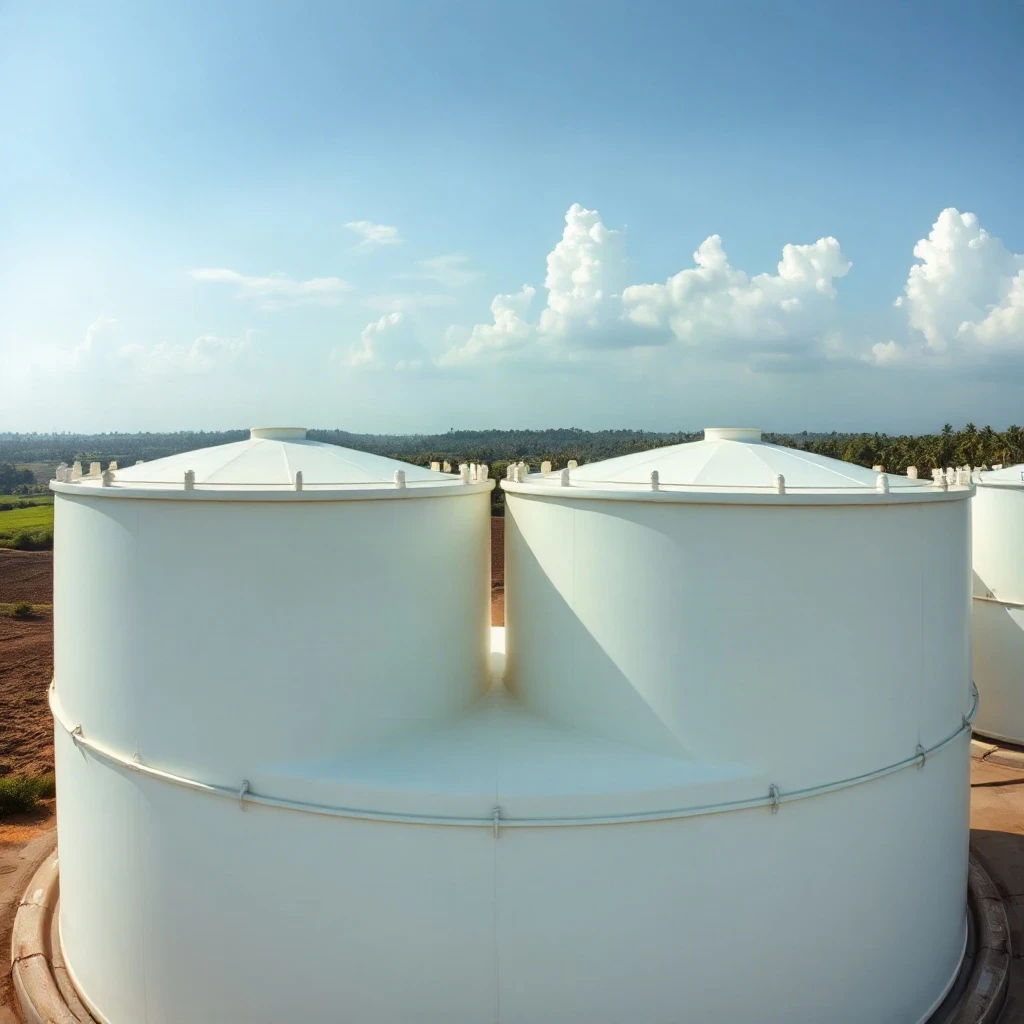
Indonesia's B50 biodiesel program is advancing smoothly, with the upstream regulator BPH Migas pushing to expand FAME storage facilities. The move signals a maturing logistics chain for higher biodiesel blends, which directly raises domestic palm oil consumption and reduces the volume available for export.
Demand implications
B50 mandates a 50% palm-based FAME blend in diesel, a step up from previous blend levels. Each percentage-point increase in the blend rate adds roughly several hundred thousand tonnes of annual palm oil demand, depending on diesel consumption. With B50 running without major hiccups, the market is pricing in sustained domestic absorption, which tightens the balance for overseas buyers.
The push for more FAME storage is a practical response to the logistical demands of higher blends. It reduces bottlenecks at blending facilities and allows refiners to hold larger inventories, smoothing supply during seasonal or price-driven disruptions. For compliance-minded buyers, this means more predictable domestic offtake and less flexibility in Indonesian export availability during peak demand periods.
Supply-side pressure
Supply fundamentals remain tight. Malaysia's July data showed a 9.4% month-on-month rise in CPO production to 1.79 million tonnes, but stocks still climbed only 7.2% to 1.43 million tonnes, reflecting strong export demand. Exports surged 14.5% to 1.39 million tonnes, outpacing the production increase. Imports fell sharply, down 51.9%.
Meanwhile, El Niño conditions persist with an ONI of +1.4, and dry weather in Sarawak and Kalimantan is raising concerns about 2027 output. Dry spells during flowering stages can cut yields months later, adding a forward-looking bullish element to prices.
Price and market outlook
Malaysian CPO futures settled near $1,143 per tonne, up 0.4%, while the World Bank benchmark is at $1,101 and Indonesia's reference price is $997. The wide spread between Indonesian and Malaysian prices reflects export levy structures and domestic market obligations, but it also limits downside for Malaysian futures.
Our model outlook sees a choppy, slightly positive bias over the next seven days, with a projected gain of 1.4%. The uptrend is intact, but prices are near the upper Bollinger band and soyoil positioning is crowded, raising correction risk. Pullbacks are likely to be limited by the wide BOPO spread and supply warnings.
For buyers, the key takeaway is that Indonesian policy is now a structural demand driver, not just a cyclical one. Compliance with B50 is tightening the market, and supply-side weather risks are adding a premium. Those sourcing palm oil should factor in reduced export flexibility from Indonesia and monitor storage build-out as a signal of how much domestic demand will absorb in coming months.