El Niño Fears Offset Ample July Stocks in Palm Oil
Malaysian CPO firms near $1,143/MT while B50 demand and dry weather support prices after MPOB reported larger output and inventories.

Malaysian CPO edges up 0.4% to $1,143/MT, but our model outlook sees three bullish forces losing ground to five bearish ones—keeping the near-term bias tilted lower.
Wide BOPO spread: Soybean oil is around $1,565 per metric ton versus palm at $1,143, leaving a $419 per metric ton discount for palm. That gap strongly favors demand switching from soybean oil to palm in food and industrial uses, funneling incremental orders toward palm and providing a demand-side floor.
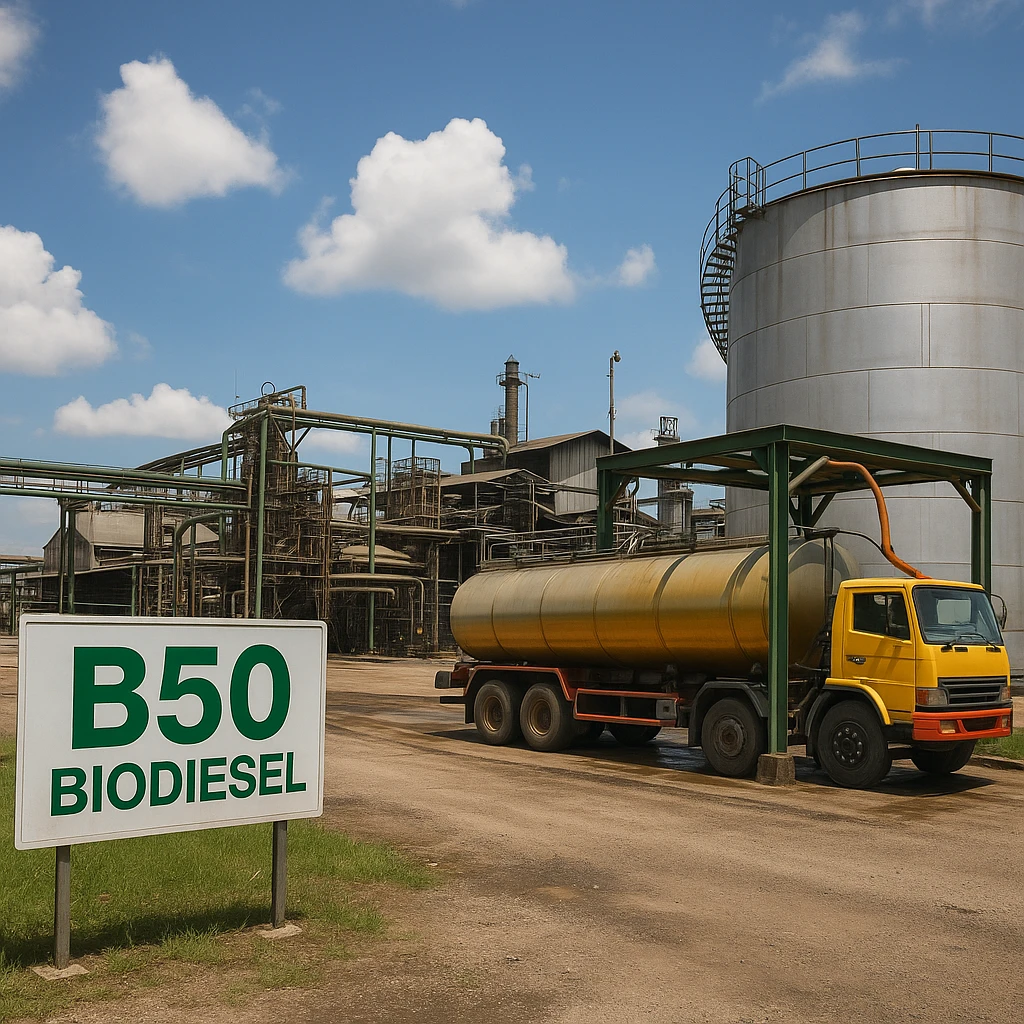
Indonesia B50 mandate: The transition from B40 to B50 is progressing and is expected to absorb 3–4 million tonnes per year of new demand. This is the largest structural demand variable in the market and underpins medium-term consumption, although it does not remove near-term supply pressure.
Peak production seasonality: September historically averages a 0.9% monthly decline in price, and the seasonal production path points to a 7.0% rise next month. Higher output during the peak crop period typically outpaces demand growth, adding seasonal bearish pressure.
Weak Brent crude: Brent fell 6.5% over seven days to $88.3 per barrel, lowering the valuation of palm oil as a biodiesel feedstock. Even though POGO remains negative and technically supportive, the decline in the energy complex weakens a key demand anchor and makes biodiesel blending less compelling at the margin.
Weak Indonesian rupiah: USD/IDR at 17,759 makes Indonesian palm cheaper in dollar terms, prompting aggressive export selling by Indonesian producers. That increases regional supply and undercuts Malaysian CPO prices, adding a bearish regional dynamic.
Crowded speculative long: Managed money in soybean oil sits at the 79th percentile of its net-long positioning, down 9,795 contracts. If sentiment shifts, this crowded position is vulnerable to long liquidation, which could spill over into palm oil and amplify downside moves.
For the balance to flip, we would need to see confirmation that El Niño is actually reducing output, a sustained recovery in Brent to restore biodiesel feedstock valuation, or evidence that the BOPO discount is triggering stronger palm demand in export data. A reset in speculative positioning—either via long liquidation or fresh short cover after a washout—would also help. Key watchpoints are the upcoming MPOB August release in about 14 days and the missing cargo-surveyor export pace; a bearish August stock build or weak exports would reinforce the downside, while a bullish production miss or export surprise could begin to shift the balance.
Malaysian CPO firms near $1,143/MT while B50 demand and dry weather support prices after MPOB reported larger output and inventories.
Malaysian CPO futures firmed on Friday, with the benchmark near $1,143 per tonne, or RM4,613, up 0.4% from the previous session. The World Bank palm oil reference was around $1,101 per tonne, while Indonesia's Kemendag reference price was about $997 per tonne. Brent crude slipped 0.2% to around $88 per barrel, and the ringgit traded at about 4.03 to the dollar. Our model outlook sees CPO consolidating near $1,146 with a mild upward bias, supported by El Niño supply concerns and a wide $419 BOPO discount, while ample July MPOB stocks, peak seasonality and weak Brent crude limit gains.
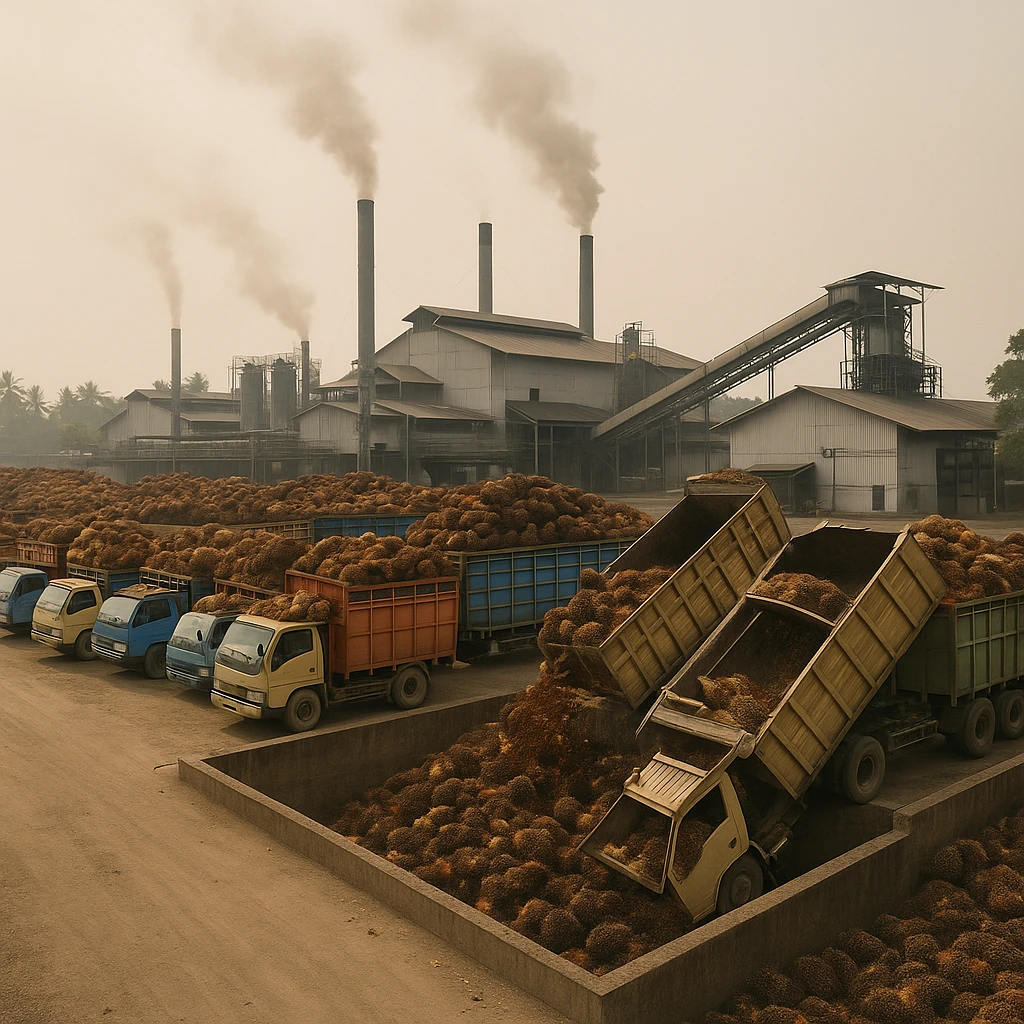
Malaysian supply data for July showed a seasonal build. CPO production rose 9.4% month on month to 1,792,979 tonnes, while closing stocks climbed 7.2% to 1,429,316 tonnes. Exports jumped 14.5% to 1,392,178 tonnes, helping absorb some of the larger crop. Imports fell 51.9% to 49,566 tonnes, and the stocks-to-use ratio stood at 12.5%. The fresh fruit bunch reference price rose 1.2% to RM49.50 per tonne. Despite the heavier inventory, traders focused on weather risks. El Niño conditions are in place with an ONI of +1.4, and reports describe dry conditions in Sarawak and Kalimantan. Producer groups have warned that El Niño could cut Indonesian output, and some industry voices cautioned that without faster replanting, Indonesia could face a production shortage next year.
Demand signals remain mixed. Indonesia's B50 biodiesel programme is reportedly running smoothly, with authorities encouraging more FAME storage capacity. Indonesian palm oil exports jumped 64% in June, while production rose 8.59% and biodiesel consumption reached 1.13 million tonnes that month. The Malaysian Palm Oil Council said it expects CPO prices to hold above RM4,600 in September, citing tightening supply and geopolitical disruptions. However, projections of a bigger stockpile have kept prices steady at times, and weaker soybean futures contributed to an earlier decline in CPO.
Our model outlook points to choppy near-term trade. The published path is +1.1% over seven sessions. Key watchpoints are the upcoming MPOB August release and any missing cargo-surveyor export pace, as well as how El Niño dryness affects harvesting and how Brent crude moves shape biodiesel blend economics.
For buyers, the near-term picture balances a rising tide of Malaysian supply with dry-weather risks and policy-driven domestic demand in Indonesia. Monitor the August MPOB production and inventory report, Indonesian export and biodiesel consumption data, and rainfall updates for Sarawak and Kalimantan. A sustained drop in Brent crude or a surprise build in Malaysian stocks could test the current floor, while worsening dryness or stronger B50 uptake would add upside pressure.
Sources: Kantor Berita Sawit; Gabungan Pengusaha Kelapa Sawit Indonesia (GAPKI); Kantor Berita Sawit; Bernama; The Edge Malaysia; Oils & Fats International
Malaysian CPO edges up 0.4% to $1,143/MT; July stocks rise 7.2%, but El Niño supply worries and B50 biodiesel demand underpin prices.
Malaysian crude palm oil futures settled around $1,143 per tonne (RM 4,613), up 0.4% from the previous session, as the market balanced fresh El Niño-driven supply concerns against a larger-than-expected build in Malaysian inventories. The global benchmark, as tracked by the World Bank, stood at about $1,101 per tonne, while Indonesia's reference price was $997 per tonne, underscoring the wide discount for Indonesian product.
The Malaysian Palm Oil Board's July data showed production at 1,792,979 tonnes, up 9.4% month-on-month, while closing stocks rose 7.2% to 1,429,316 tonnes. Exports jumped 14.5% to 1,392,178 tonnes, a sign of robust buying ahead of peak demand. However, imports fell sharply by 51.9% to 49,566 tonnes, reflecting reduced inter-country flows.
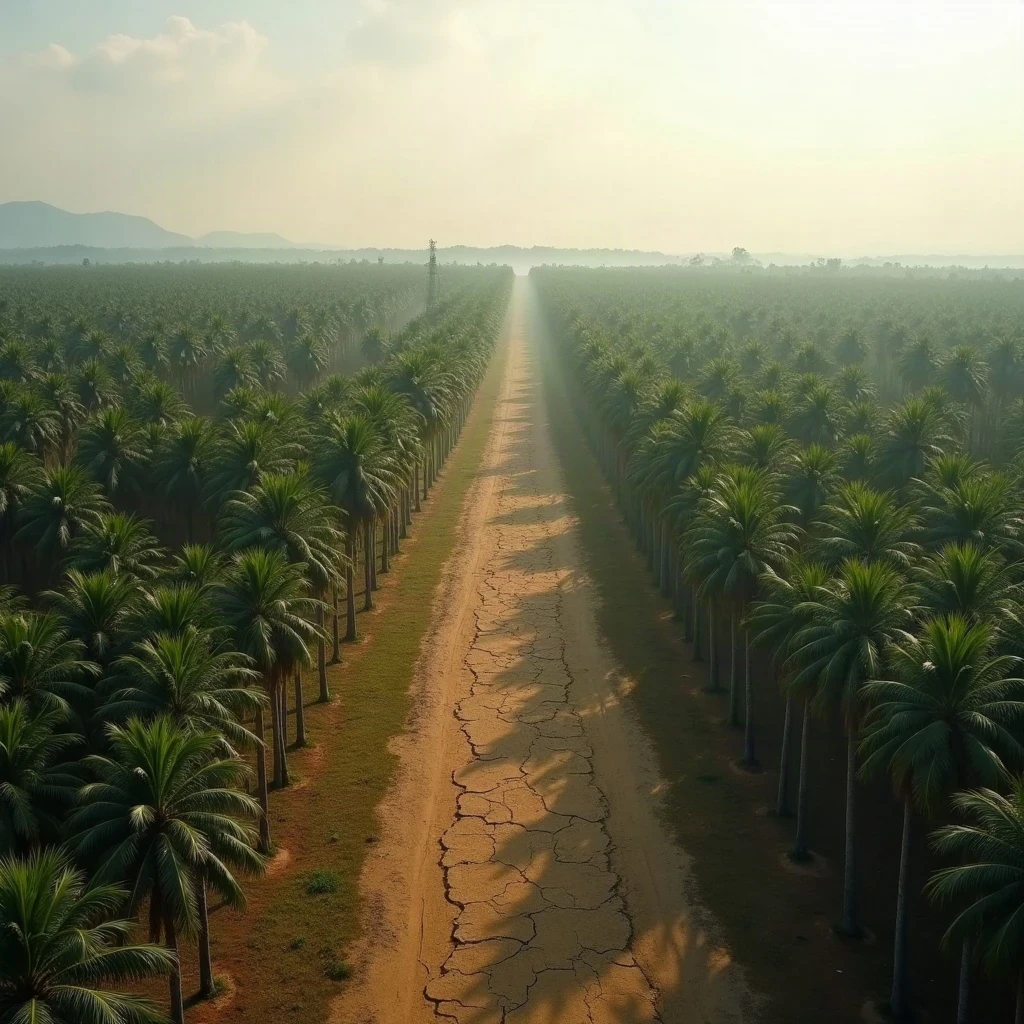
Weather remains a key risk. The El Niño episode (ONI +1.4) is causing dry conditions in key growing regions of Sarawak and Kalimantan. Producer group GAPKI has warned of a potential CPO deficit next year if the plantation replanting program (PSR) is not accelerated, while industry voices caution that a severe El Niño could shrink output. These concerns helped lift futures in the latest session, with Bernama reporting a rebound on El Niño worries. Our model outlook sees CPO consolidating near $1,146 with a mild upward bias, supported by El Niño fears and the wide $419 gap between Malaysian and Indonesian prices, but capped by ample stocks and peak seasonality.
Indonesia's push toward B50 biodiesel remains a structural demand driver. Recent news highlights that B50 is reshaping the energy and industrial landscape, with domestic consumption of palm oil for biodiesel reaching 1.13 million tonnes in June. This, combined with a 64% surge in Indonesia's palm oil exports in June, points to strong overall demand.
Geopolitical disruptions and tighter supply are expected to keep prices above MYR 4,600 in September, according to MPOC. However, weak Brent crude at $88 per barrel (down 0.2%) limits the appeal of biodiesel blends on pure economics, and rising vegetable oil stocks in China are adding pressure.
The Malaysian ringgit traded at 4.03 per dollar, while the rupiah weakened to 17,696 per dollar, affecting competitiveness. Palm oil's price relationship with soybean oil remains in focus; soybean oil futures fell 7% after the EPA extended the RFS compliance deadline, which could indirectly weigh on palm oil.
Expect choppy trade in the near term. Watch the upcoming MPOB August release and cargo-surveyor export data for direction. The El Niño supply narrative and B50 demand provide a floor, but ample stocks and soft energy prices cap upside. Buyers should monitor the spread between Malaysian and Indonesian offers, as the wide discount may present opportunities.
Sources: VOI.ID; Gabungan Pengusaha Kelapa Sawit Indonesia (GAPKI); Kantor Berita Sawit; The Edge Malaysia; Oils & Fats International; Diskursus Network
Expanding FAME capacity and strong biodiesel uptake point to higher domestic palm consumption and new compliance considerations.

Indonesia's higher biodiesel blend continues to advance with operational smoothness and regulatory signals that point toward more infrastructure. Reports indicate the B50 program is running without major disruption, and the downstream regulator is urging additional storage capacity for fatty acid methyl ester. This suggests the supply chain is being asked to handle larger volumes of palm-based fuel component.
From the demand side, the biodiesel producers association has taken steps to familiarise a broad public audience with B50, indicating efforts to build social acceptance as the mandate matures. At a large national scout gathering, the association reached 5,000 participants with information about B50. This kind of outreach suggests that public understanding and acceptance are being treated as prerequisites for the higher blend to remain stable. Policymakers and industry groups describe the shift as more than a fuel change: it reframes the national energy map and the role of the palm oil sector.
The latest production and consumption figures add context. Indonesian palm oil output in June 2026 rose by 8.59 percent compared with the prior period. At the same time, biodiesel consumption reached 1.13 million tonnes in that month. When combined with the push for more FAME storage, these numbers suggest that a growing share of domestic palm supply is being absorbed by the fuel market rather than exported.
For compliance-minded buyers, the implications are twofold. First, higher domestic biodiesel blending increases competition for feedstock, potentially reducing the volume of palm oil available for international buyers of refined products or oleochemicals. Second, the expansion of storage and educational campaigns signals that the policy direction is likely to persist, meaning buyers should track updates to blending rates, sustainability certification schemes and export levies that may accompany the mandate.
The current development pattern leans toward a tighter domestic market for palm oil. For international buyers, this may require broader supplier diversification, more flexible contract terms and closer attention to Indonesian policy signals. The emphasis on storage indicates that authorities are not treating B50 as a temporary measure but are building long-term capacity to make higher blends a permanent feature of the energy system.
Sources: Kantor Berita Sawit; VOI.ID; Diskursus Network; InfoSAWIT
Biodiesel mandate advances and El Niño dryness color near-term CPO trade as buyers weigh supply.
Indonesia’s push toward the B50 biodiesel mandate is moving beyond technical trials and into public outreach, with the industry association APROBI recently introducing the program to thousands of Scouts at a national gathering. The move signals a broader campaign to build social acceptance for higher palm-oil-based fuel blends, even as the policy’s industrial implications continue to reshape domestic supply and demand math.
The B50 agenda is not just a fuel policy; it is increasingly framed as a strategic shift in Indonesia’s energy and palm oil industry landscape. Analysts note that higher blend rates would lock in a larger share of domestic crude palm oil for fuel use, tightening export availability over time. Industry data for June 2026 already showed a rise in palm oil production alongside record biodiesel consumption of 1.13 million tonnes, underscoring how quickly the mandate is absorbing new supply.
For compliance-minded buyers, the key takeaway is that Indonesian export flows may become more sensitive to biodiesel policy announcements. Any delay or acceleration in B50 implementation could swing the volume of palm oil available to international markets, especially as the country’s reference price sits well below global benchmarks.
Separately, the current El Niño episode is keeping supply concerns alive. Dry conditions in Sarawak and Kalimantan have raised worries about near-term yields, even as Malaysia’s July production and stocks came in higher than the previous month. Our model outlook sees prices consolidating near $1,146 per tonne with a mild upward bias, supported by El Niño fears and a wide discount in Indonesia’s export levy reference price, but capped by ample stocks, peak seasonal output, and weak crude oil prices.
Brent crude holding near $88 per barrel offers little tailwind for biodiesel economics, which could temper the pace of mandate expansion if fuel margins tighten. Still, Jakarta’s policy momentum appears politically strong, and market participants will watch for the next MPOB data release and cargo surveyor export figures to gauge whether supply fears are justified.
For those sourcing palm oil, the near-term path looks choppy. The combination of policy-driven domestic absorption in Indonesia and weather-related production risks in Malaysia means export availability could tighten faster than headline stock numbers suggest. Buyers with sustainability commitments should also note that zero-deforestation pledges have had limited measurable impact on forest cover, a reminder that compliance expectations may shift as scrutiny grows.
Overall, the policy and energy landscape is increasingly intertwined with physical market dynamics. The B50 rollout, El Niño dryness, and soft crude prices are all factors that could move the balance between supply and demand in the coming weeks.
Sources: VOI.ID; Diskursus Network; InfoSAWIT; Mongabay; Oils & Fats International
Malaysian CPO benchmark edges up 0.4% on supply fears, but ample stocks and soft Brent cap gains.

Malaysian crude palm oil futures held firm this week, with the benchmark contract settling near $1,143 per metric ton, up 0.4% from the previous session. In ringgit terms, the contract closed at RM 4,613. The global benchmark, as tracked by the World Bank, stood at about $1,101 per ton, while Indonesia's reference price was set at approximately $997 per ton.
Brent crude was flat at around $88 per barrel, offering little directional push for biodiesel blending economics. A weaker ringgit, trading near 4.03 per dollar, provided some support to Malaysian export competitiveness, while the Indonesian rupiah held around 17,696 per dollar.
Malaysia's July supply-demand report, released during the week, showed a 9.4% month-on-month rise in crude palm oil production to 1,792,979 tons, while closing stocks increased 7.2% to 1,429,316 tons. Exports jumped 14.5% to 1,392,178 tons, and imports fell sharply by 51.9% to 49,566 tons. The FFB reference price edged up 1.2% to RM 49.50.
El Niño conditions persisted, with the ONI index at +1.4. Dry weather was noted in Sarawak and Kalimantan, raising concerns about future yields. These supply fears have been a key price driver.
Our model outlook sees CPO consolidating near $1,146 with a mild upward bias. Support comes from El Niño supply fears and a wide $419 discount to gasoil (BOPO), while ample July stocks, peak seasonal production, and weak crude oil cap gains. Near-term trade is expected to be choppy, with a projected path of +1.1% over the next seven sessions.
Market participants will watch for the upcoming MPOB August supply-demand report, due in mid-September, and any cargo-surveyor export data for the first half of August. Seasonal production patterns and weather updates in key growing regions will also be closely monitored. Policy announcements from Indonesia regarding export levies or biodiesel mandates could influence price direction.
This space reaches palm oil buyers, traders and industry readers every day. Sponsorship and advertising enquiries are welcome — get in touch:
[email protected]Malaysian CPO firms near $1,143/MT while B50 demand and dry weather support prices after MPOB reported larger output and inventories.
Malaysian CPO edges up 0.4% to $1,143/MT; July stocks rise 7.2%, but El Niño supply worries and B50 biodiesel demand underpin prices.
Expanding FAME capacity and strong biodiesel uptake point to higher domestic palm consumption and new compliance considerations.
Biodiesel mandate advances and El Niño dryness color near-term CPO trade as buyers weigh supply.
Malaysian CPO benchmark edges up 0.4% on supply fears, but ample stocks and soft Brent cap gains.
Malaysian CPO edges up 0.4% to $1,143/MT, but our model outlook sees three bullish forces losing ground to five bearish ones—keeping the near-term bias tilted lower.
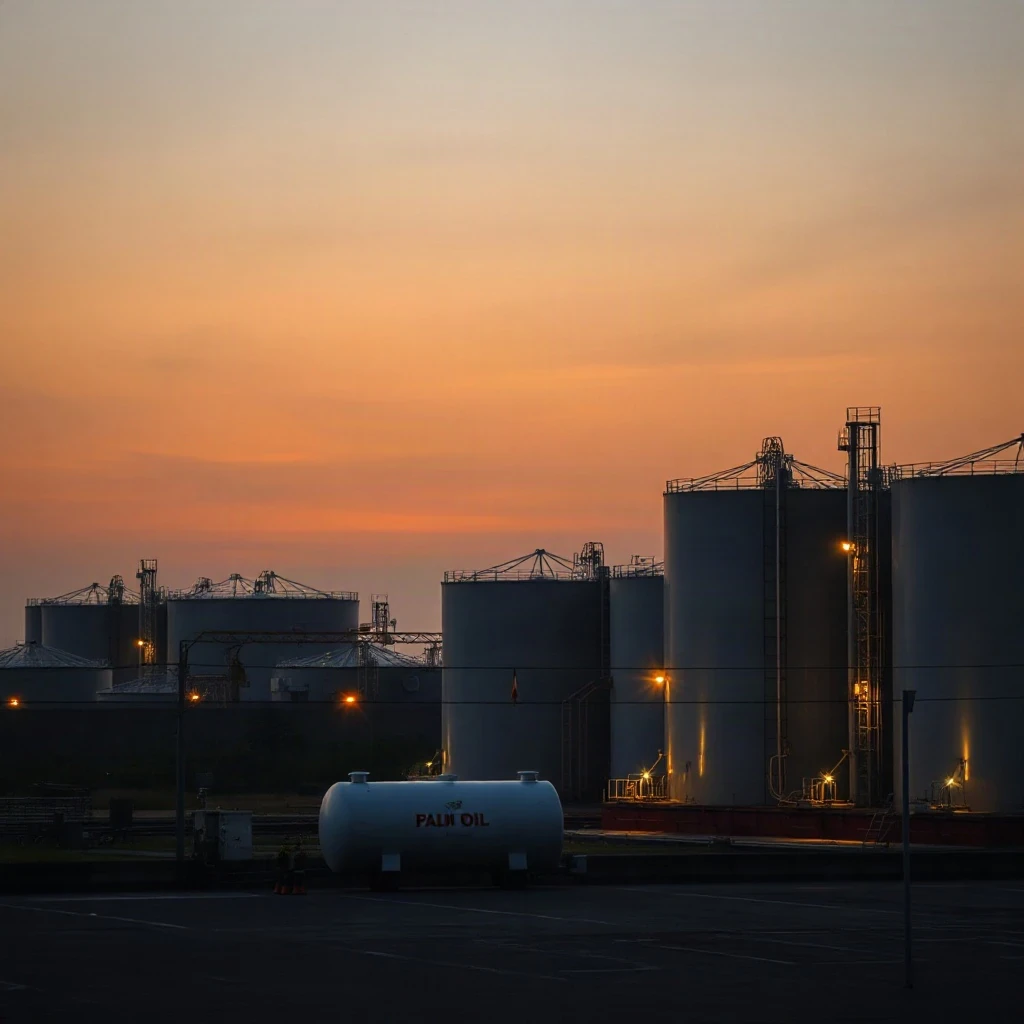
Wide BOPO spread: Soybean oil is around $1,565 per metric ton versus palm at $1,143, leaving a $419 per metric ton discount for palm. That gap strongly favors demand switching from soybean oil to palm in food and industrial uses, funneling incremental orders toward palm and providing a demand-side floor.
Indonesia B50 mandate: The transition from B40 to B50 is progressing and is expected to absorb 3–4 million tonnes per year of new demand. This is the largest structural demand variable in the market and underpins medium-term consumption, although it does not remove near-term supply pressure.
Peak production seasonality: September historically averages a 0.9% monthly decline in price, and the seasonal production path points to a 7.0% rise next month. Higher output during the peak crop period typically outpaces demand growth, adding seasonal bearish pressure.
Weak Brent crude: Brent fell 6.5% over seven days to $88.3 per barrel, lowering the valuation of palm oil as a biodiesel feedstock. Even though POGO remains negative and technically supportive, the decline in the energy complex weakens a key demand anchor and makes biodiesel blending less compelling at the margin.
Weak Indonesian rupiah: USD/IDR at 17,759 makes Indonesian palm cheaper in dollar terms, prompting aggressive export selling by Indonesian producers. That increases regional supply and undercuts Malaysian CPO prices, adding a bearish regional dynamic.
Crowded speculative long: Managed money in soybean oil sits at the 79th percentile of its net-long positioning, down 9,795 contracts. If sentiment shifts, this crowded position is vulnerable to long liquidation, which could spill over into palm oil and amplify downside moves.
For the balance to flip, we would need to see confirmation that El Niño is actually reducing output, a sustained recovery in Brent to restore biodiesel feedstock valuation, or evidence that the BOPO discount is triggering stronger palm demand in export data. A reset in speculative positioning—either via long liquidation or fresh short cover after a washout—would also help. Key watchpoints are the upcoming MPOB August release in about 14 days and the missing cargo-surveyor export pace; a bearish August stock build or weak exports would reinforce the downside, while a bullish production miss or export surprise could begin to shift the balance.