
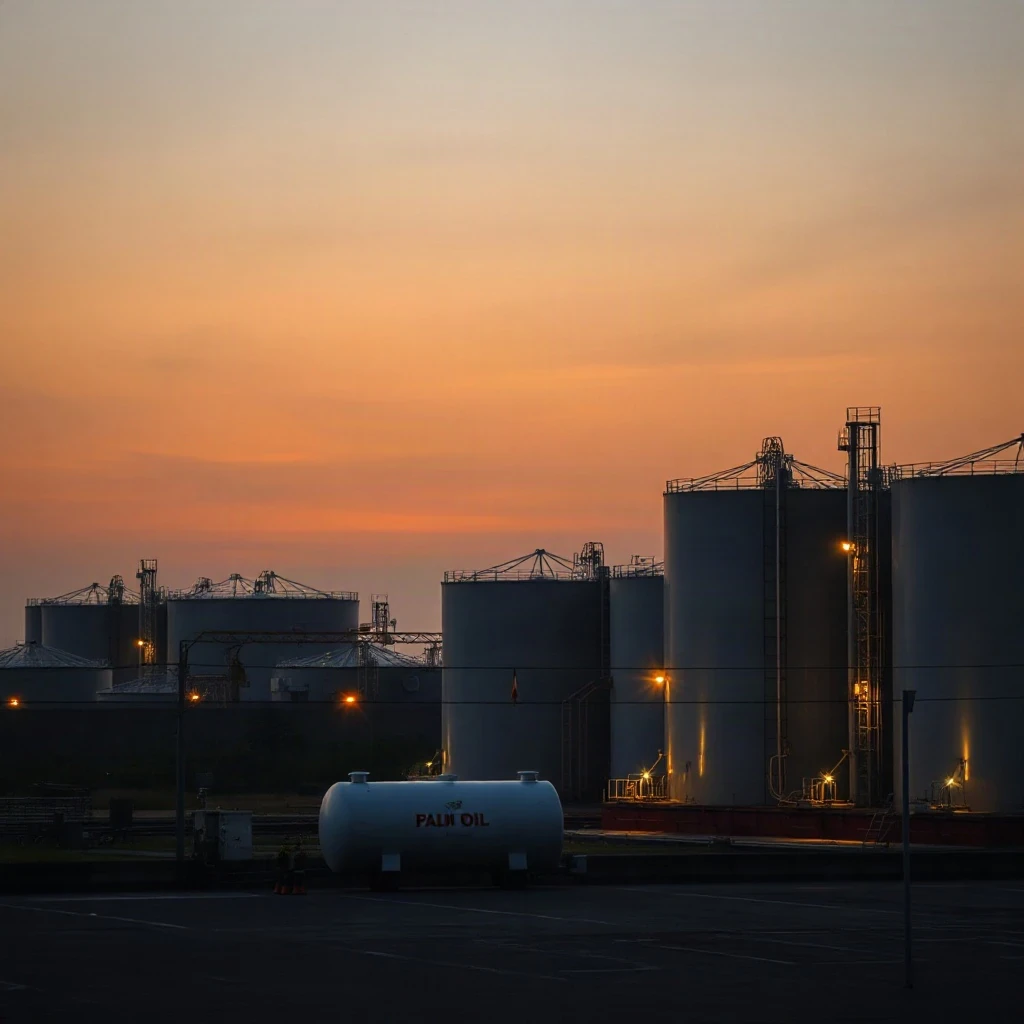
Indonesia’s push toward the B50 biodiesel mandate is moving beyond technical trials and into public outreach, with the industry association APROBI recently introducing the program to thousands of Scouts at a national gathering. The move signals a broader campaign to build social acceptance for higher palm-oil-based fuel blends, even as the policy’s industrial implications continue to reshape domestic supply and demand math.
Policy signals and supply-side effects
The B50 agenda is not just a fuel policy; it is increasingly framed as a strategic shift in Indonesia’s energy and palm oil industry landscape. Analysts note that higher blend rates would lock in a larger share of domestic crude palm oil for fuel use, tightening export availability over time. Industry data for June 2026 already showed a rise in palm oil production alongside record biodiesel consumption of 1.13 million tonnes, underscoring how quickly the mandate is absorbing new supply.
For compliance-minded buyers, the key takeaway is that Indonesian export flows may become more sensitive to biodiesel policy announcements. Any delay or acceleration in B50 implementation could swing the volume of palm oil available to international markets, especially as the country’s reference price sits well below global benchmarks.
Weather and market context
Separately, the current El Niño episode is keeping supply concerns alive. Dry conditions in Sarawak and Kalimantan have raised worries about near-term yields, even as Malaysia’s July production and stocks came in higher than the previous month. Our model outlook sees prices consolidating near $1,146 per tonne with a mild upward bias, supported by El Niño fears and a wide discount in Indonesia’s export levy reference price, but capped by ample stocks, peak seasonal output, and weak crude oil prices.
Brent crude holding near $88 per barrel offers little tailwind for biodiesel economics, which could temper the pace of mandate expansion if fuel margins tighten. Still, Jakarta’s policy momentum appears politically strong, and market participants will watch for the next MPOB data release and cargo surveyor export figures to gauge whether supply fears are justified.
What buyers should watch
For those sourcing palm oil, the near-term path looks choppy. The combination of policy-driven domestic absorption in Indonesia and weather-related production risks in Malaysia means export availability could tighten faster than headline stock numbers suggest. Buyers with sustainability commitments should also note that zero-deforestation pledges have had limited measurable impact on forest cover, a reminder that compliance expectations may shift as scrutiny grows.
Overall, the policy and energy landscape is increasingly intertwined with physical market dynamics. The B50 rollout, El Niño dryness, and soft crude prices are all factors that could move the balance between supply and demand in the coming weeks.