Palm Oil Prices Firm as Supply Risks and B50 Support Persist
Malaysian CPO near RM4,619, July stocks rise but El Niño and biodiesel demand keep the market supported.

Malaysian CPO trades near $1,143/MT after a 3.7% weekly jump. Dry Kalimantan weather, firm crude and a wide discount to soybean oil keep the bias higher, but building stocks and ov
The Malaysian crude palm oil benchmark is trading around $1,143 per tonne on 21 August 2026, up 1.1% from the previous session and equal to RM4,619 per tonne at a USD/MYR rate of 4.04. The move extends a 3.7% rise over the past week and leaves the World Bank palm oil benchmark at about $1,101 per tonne, with Indonesia’s reference price near $997 per tonne. The ringgit exchange rate at 4.04 is a neutral influence, affecting dollar pricing but not driving direction today. Our model outlook is held flat at $1,148 per tonne from the 2026-08-20 close because no model view was available for this run, so we are not signalling a direction beyond that reference.
The most immediate support is price momentum. Because the benchmark has already gained 3.7% over the past week, trend-following buying tends to reinforce the advance in the near term. Behind the move, bullish supply concerns are being priced in from El Niño conditions. With the Oceanic Niño Index at +1.4, palm-producing regions face elevated drought risk, and historical El Niño episodes affect yields with a six- to twelve-month lag. The current dry spell in Kalimantan, which recorded 0 mm of rainfall, is an early signal that fruit formation could be reduced in the months ahead. The seasonal production cycle adds to that argument: after a firmer August, September has historically softened by about 0.9%, so the market is looking past current high output toward a less burdensome supply period.
Energy markets are also helping. Brent crude is trading around $93 per barrel, up 1.5% over seven days despite a 0.1% slip today. Firmer oil raises the economic case for biodiesel blending, and palm oil is a key biodiesel feedstock. When crude stays elevated, biodiesel margins can draw more palm into energy use, tightening food and fuel competition. Finally, the vegetable oil spread is wide: palm oil trades at a $416 per tonne discount to soybean oil. That discount encourages price-sensitive buyers to switch to palm, supporting cash demand.
The main drag is the realised supply picture in Malaysia. MPOB data for July showed CPO production up 9.4% month on month to 1,792,979 tonnes, about 4% above the five-year average. That output helped lift closing stocks by 7.2% to 1,429,316 tonnes, putting the stocks-to-use ratio at 12.5%, roughly 1.5 months of cover and above the usual range. Although July exports rose 14.5% month on month, it was not enough to prevent the stock build. More inventory available to buyers makes it harder for the market to sustain a sharp price premium. The technical picture also looks stretched. The 14-day RSI is at 74.2, above the typical overbought threshold, and the price is near the upper Bollinger band while the MACD histogram remains positive. That combination suggests the rally may be vulnerable to profit-taking or a corrective pullback, even if the broader bias is still positive.
On our factor balance, six drivers are bullish and three are bearish, so the upside currently has the upper hand. The bullish supply-risk story from El Niño and dry Kalimantan weather, combined with firm energy substitution and the deep discount to soybean oil, outweighs the bearish signals from high MPOB inventories, strong production and overbought technicals. For the balance to flip, the next supply data would need to show production accelerating further and stocks rising again without a matching export response, while the technical overbought signal would likely need to trigger a momentum break. A sustained pullback in Brent or a narrowing of the palm-soybean oil discount would also remove some of the supportive energy and demand arguments. Our model outlook remains flat at $1,148 per tonne, pending a fresh model run.
Malaysian CPO near RM4,619, July stocks rise but El Niño and biodiesel demand keep the market supported.
Malaysian CPO benchmark firmed to about $1,143 per tonne (RM4,619) on 21 August, up 1.1% from the prior session, while global and Indonesian reference prices stood at roughly $1,101 and $997 respectively. Brent crude was near $93 a barrel, and the ringgit traded around 4.04 per dollar. Reports noted that Bursa Malaysia CPO touched its highest level in 20 months, with futures finishing higher for a fourth consecutive session on supply concerns and gains in soybean oil.
Malaysia’s July MPOB data showed production rising 9.4% month-on-month to 1,792,979 tonnes, closing stocks up 7.2% to 1,429,316 tonnes, and exports up 14.5% to 1,392,178 tonnes. Imports fell sharply, by 51.9%, to 49,566 tonnes. The stocks-to-use ratio edged to 12.5%. Although the inventory build is seasonally typical, the market is looking beyond current output to supply risks ahead.
El Niño conditions are firmly in place, with an ONI of +1.4 and notably dry weather reported in Kalimantan. Some commentary describes the current event as a Godzilla El Niño and warns the worst impact on Indonesian CPO production may arrive in 2027. That forward supply worry supports prices even as Malaysian output grows.
Indonesia’s push toward a B50 biodiesel mandate remains a central demand pillar. Reports indicate the country may raise export levies by 73% to fund the programme, which could reduce palm oil available for export while increasing domestic absorption. Smallholder replanting assistance has reportedly been lifted to Rp60 million per hectare as part of the same supply-security effort. An Indonesian association has argued B50 would not suppress exports, but export levy and B50 stock dynamics are seen as vulnerable during El Niño.
Analysts and MPOC see prices staying firm above RM4,600 a tonne in September on tightening supply and geopolitical disruptions, with Malaysian research pointing to resilient biodiesel demand. India’s cooking-oil imports are rising for the festival season, though sunflower shipments remain constrained by war-related issues, potentially supporting palm demand.
With Brent near $93, biodiesel blend economics remain supportive, especially for palm-heavy mandates. Indonesian CPO reference at $997 remains cheaper than Malaysian and global benchmarks, but a larger export levy could narrow that discount for overseas buyers.
Our model outlook is held flat at the 2026-08-20 close of $1148 a tonne because no model view was available for this run; we are not signalling a direction we cannot support.
Sources: Validnews; Agricom.id; Suara.com; sawitsetara.co; DagangNews; BernamaBiz
Malaysian CPO benchmark rises 1.1% to $1,143/MT; MPOB data shows output up but stocks still lean; El Niño and biodiesel policy keep market supported.
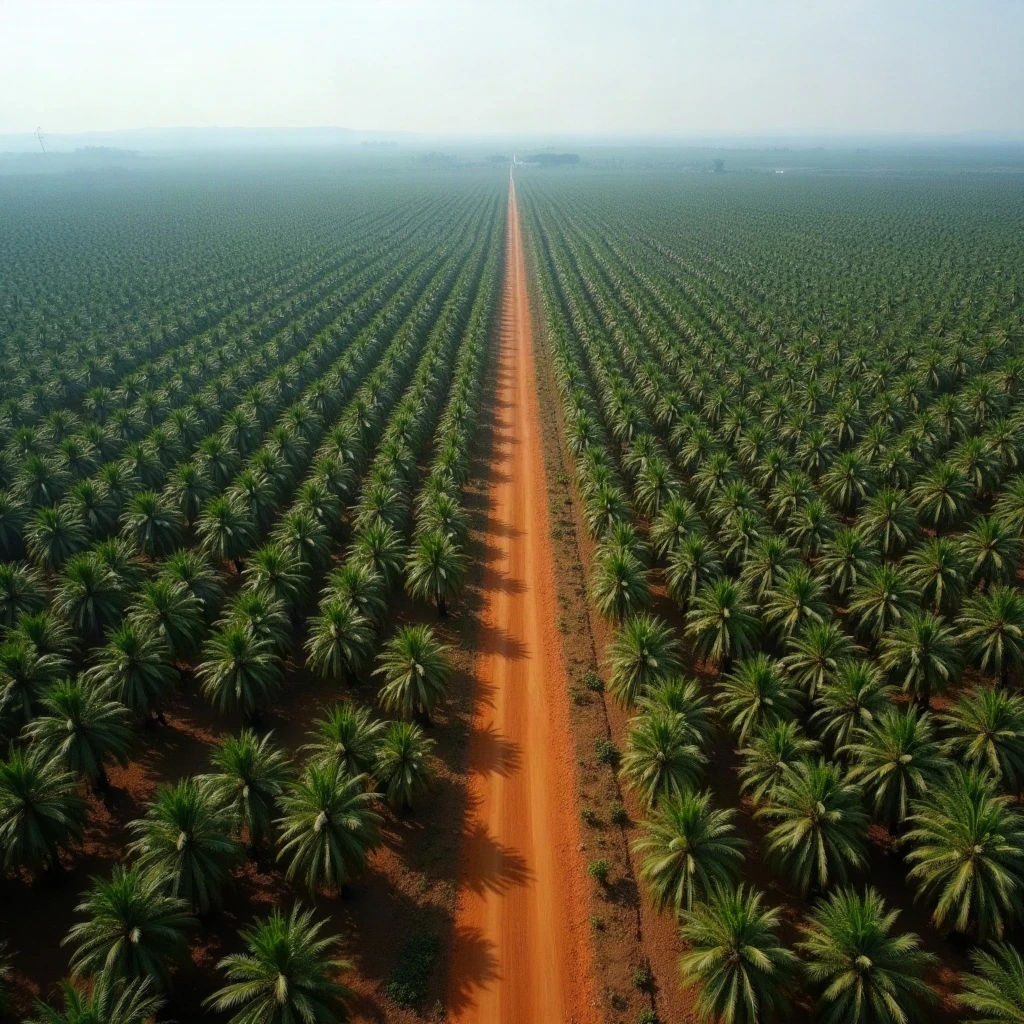
Malaysian crude palm oil futures extended gains for a fourth straight session, with the benchmark contract closing about 1.1% higher at approximately $1,143 per metric ton (RM 4,619). That puts prices near the highest levels in 20 months, supported by supply concerns and firm energy values. Brent crude edged up 0.3% to around $94 per barrel, underpinning biodiesel blending economics and adding a cost floor to vegetable oil markets.
MPOB's July report showed Malaysian CPO production at 1,792,979 tonnes, up 9.4% month-on-month, while exports surged 14.5% to 1,392,178 tonnes. Closing stocks rose 7.2% to 1,429,316 tonnes—still historically tight relative to demand. Imports fell sharply, down 51.9% to 49,566 tonnes. The FFB reference price edged up 1.2% to RM 49.50, reflecting firmer ex-mill values.
Weather remains a key risk. ENSO is in El Niño territory (ONI +1.4), with notable dryness across Kalimantan. Industry voices, including Malaysia's SD Guthrie, warn that El Niño could dent output into 2027-28. Indonesia's own production outlook is also seen as flat, raising concerns about feedstock availability for the B50 biodiesel program.
Indonesia's push to B50 biodiesel is a central theme. The country's export levy rose 73%, according to BPDP, and the replanting subsidy was increased to Rp 60 million per hectare. However, analysts at Bloomberg Technoz caution that El Niño and flat production could erode the biodiesel fund's buffer, potentially straining subsidy payouts. Indonesia's state plantation company is looking to raise yields to secure feedstock.
On the demand side, India's cooking-oil imports are climbing ahead of the festival season, though sunflower oil imports have been hit by war-related disruptions. Soybean oil exports from Argentina and Brazil hit a record high, offering competition but also reflecting strong global vegetable oil appetite.
Multiple Malaysian sources, including MPOC, expect CPO to hold above RM 4,600 per tonne in September, citing tightening supply and geopolitical disruptions. BMI raised its 2026 average CPO price forecast to RM 4,453. Our model outlook holds flat at the 2026-08-20 close of $1,148, as no directional view was available for this run.
Watch Indonesia's biodiesel fund sustainability and weather updates in Kalimantan—both could trigger sharp price moves. With stocks lean and El Niño still in play, the market's risk premium is unlikely to fade quickly.
Sources: Validnews; Agricom.id; Bernama; BernamaBiz; The Star; The Edge Malaysia
Indonesia’s B50 mandate, higher export levies, replanting support and El Niño risk shape a tighter palm oil supply-demand balance for buyers.
Indonesia’s B50 biodiesel mandate is no longer a distant policy target; it is now shaping export levies, replanting budgets and market expectations. The country’s plantation fund body maintains that the higher blend will not suppress palm oil exports, but export levies are reported to rise by 73%. For international buyers, that means the cost of moving Indonesian palm oil through the export system is increasing even if shipment volumes hold up.
The levy increase adds a direct fiscal layer to every tonne of crude palm oil leaving Indonesia. At the same time, replanting assistance has been raised to Rp60 million per hectare as part of the B50 push. The aim is to rejuvenate ageing trees and secure future feedstock, but the near-term effect is more government spending and a stronger policy commitment to domestic biodiesel use.
El Niño is now a central concern. Reports indicate that B50 feedstock stocks and CPO export levy receipts are vulnerable to erosion if dry conditions hit production. Lower fresh fruit bunch yields would reduce the crude palm oil available for both food and fuel, while also shrinking the levy base that funds the biodiesel programme. That is a double squeeze: less supply and less fiscal headroom to manage the mandate.
Biodiesel demand remains firm. One research house notes that palm oil prices could move past RM4,300 if the current demand backdrop holds. Crude palm oil has already climbed to its highest level in 20 months, with El Niño and B50 cited as key drivers. The price strength shows that energy policy is competing directly with food buyers for the same feedstock, and the market is pricing in tighter balances.
For compliance-minded buyers, the main task is to separate stated policy intent from actual stock and levy outcomes. The B50 programme is intended to expand demand, but if El Niño reduces production and export levies rise, the physical market could become more expensive and less predictable.
Sources: Validnews; Suara.com; sawitsetara.co; DagangNews; Bloomberg Technoz
Jakarta raises palm oil export levy and replanting grants to fund B50 biodiesel as El Nino dries Kalimantan and stocks draw down.
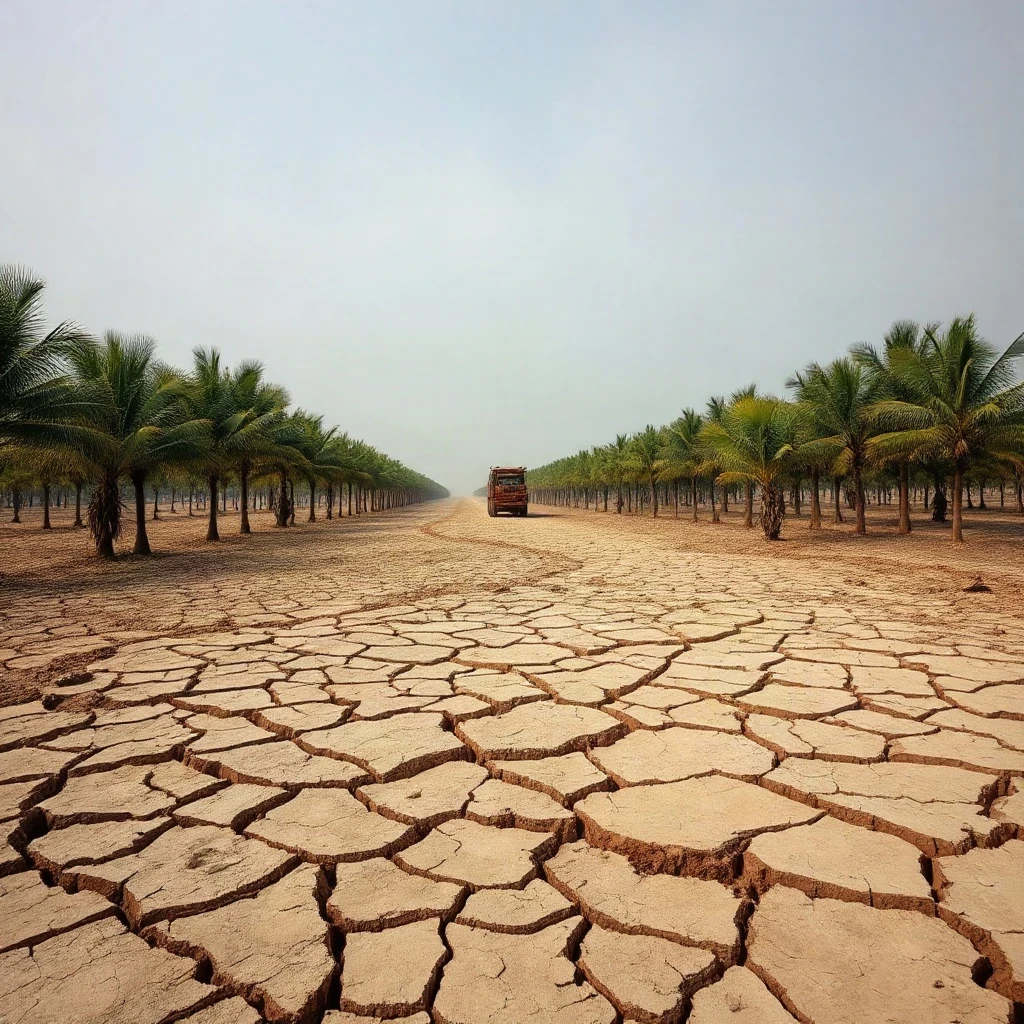
Indonesia is stepping up its B50 biodiesel drive, raising the export levy on palm oil by 73% and increasing replanting assistance to Rp60 million per hectare, according to policy reports published this week. The moves come as the country's biodiesel fund faces pressure from a dry El Nino that has hit Kalimantan and is expected to keep crude palm oil production growth flat.
The higher export levy is designed to replenish the fund that subsidizes the B50 blending program, which requires 50% palm oil in diesel. The levy increase means exporters will pay more per tonne of CPO shipped abroad, effectively transferring more of the cost of the domestic mandate to overseas buyers. In parallel, the government raised replanting grants for smallholders to Rp60 million per hectare, aiming to boost yields and secure long-term feedstock for biodiesel.
The policy push comes against a backdrop of tightening supply. Malaysia's MPOB data for July 2026 showed CPO production up 9.4% month-on-month to 1.79 million tonnes, but closing stocks rose only 7.2% to 1.43 million tonnes as exports jumped 14.5%. Imports fell sharply, down 51.9% month-on-month, reflecting a regional market where demand for palm oil remains robust.
Weather is a key risk. The El Nino event (ONI +1.4) has left Kalimantan notably dry, which could curb Indonesian output in coming months. Analysts cited in the reports warn that B50 stockpiles and the export levy pool are vulnerable to erosion if production stalls. Indonesia's state plantation company is reportedly seeking higher yields to support the biodiesel program, but near-term gains are uncertain.
For compliance-minded buyers, the higher levy raises the cost of Indonesian palm oil exports, potentially widening the discount to Malaysian benchmark CPO. The Malaysian benchmark closed at about $1143/MT, up 1.1%, while Indonesia's reference price is about $997/MT. The gap reflects different pricing mechanisms and the levy burden.
Biodiesel economics are also influenced by crude oil. Brent at about $94/bbl, up 0.3%, provides some support for blending margins, but the higher levy and potential supply tightness could push palm oil prices higher, squeezing blenders.
Our model outlook holds flat at $1148/MT as of the 2026-08-20 close, with no directional signal available for this run.
Indonesia's B50 policy is intensifying, with higher export levies and replanting subsidies aimed at securing feedstock. But El Nino-induced dryness and flat production forecasts pose risks to both the biodiesel fund and export availability. Buyers should monitor levy adjustments and weather developments closely, as these will shape palm oil supply and pricing in the months ahead.
From fruit to frond, the oil palm yields a surprising range of products—here's what buyers should know.
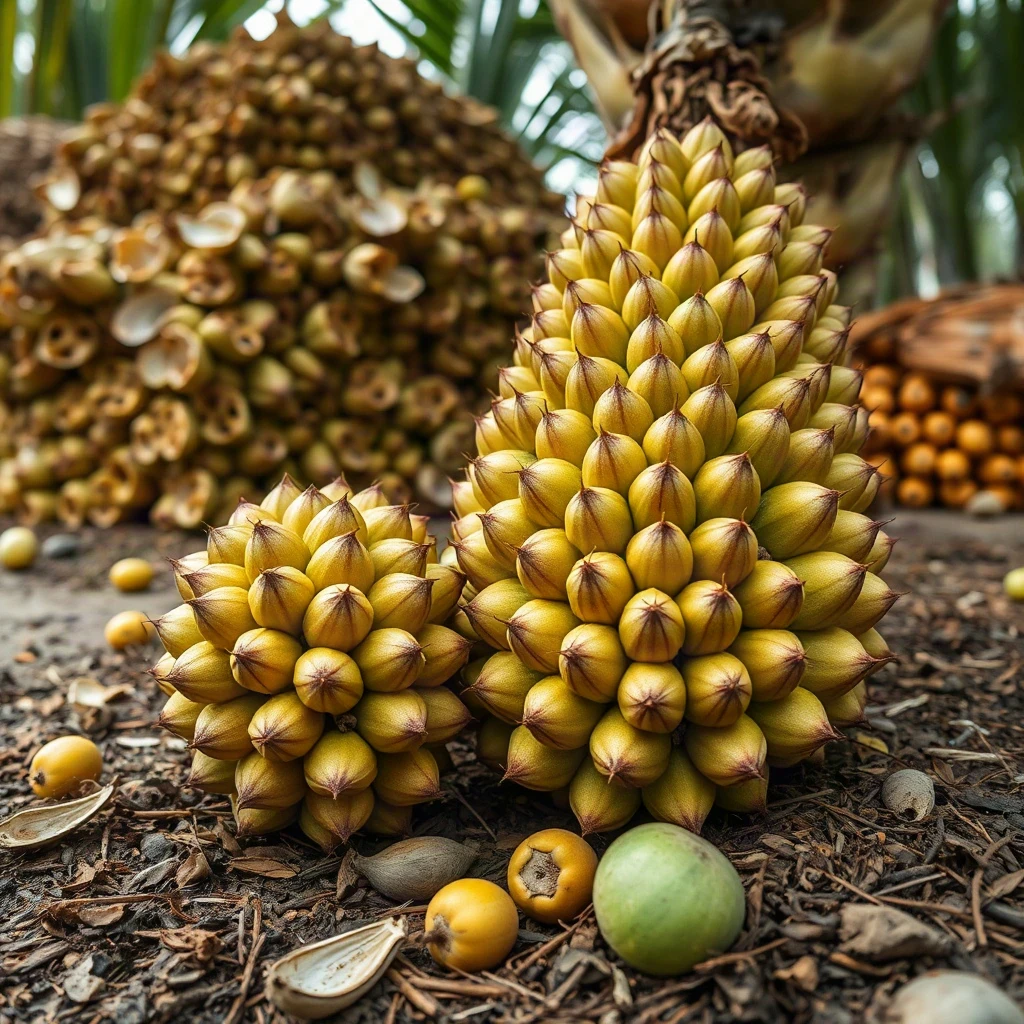
For procurement managers new to palm products, the oil palm is often reduced to just one output: crude palm oil. In practice, the tree is a multi-output crop where nearly every component finds a commercial use. Understanding this helps buyers identify supply opportunities and appreciate why the crop is so widely cultivated.
The fruit itself yields two distinct oils. The fleshy outer mesocarp produces crude palm oil (CPO), used in food, cosmetics, and biodiesel. Inside the hard kernel is palm kernel oil (PKO), with a different fatty-acid profile, prized for confectionery, margarine, and specialty fats. After pressing, the remaining kernel cake becomes a high-protein animal feed ingredient.
Once the fruit is stripped, the empty fruit bunch (EFB) remains. Rather than discarding it, many mills return EFB to plantations as mulch, returning nutrients to the soil. Some facilities also process EFB into biomass fuel, used to generate steam and electricity for the mill itself—often making mills energy self-sufficient.
Palm kernel shells (PKS) are a hard, dry biomass with a high calorific value. They are increasingly traded as a renewable fuel for industrial boilers, particularly in Japan and South Korea. The mesocarp fiber, left after oil extraction, is also burned for energy, with the ash sometimes used as a potassium-rich fertilizer.
When a palm is replanted after a 25- to 30-year cycle, the felled trunk yields a large volume of wood. Though soft and moist, it can be processed into plywood, furniture boards, or further into pulp and paper. Fronds, pruned regularly, are a source of fodder for livestock and also act as ground cover to prevent erosion.
Palm oil mill effluent (POME)—the liquid waste from processing—is rich in organic matter. Treated properly, it can be captured for biogas, reducing methane emissions, and the treated water is often reused for irrigation or land application. This closes the loop on the mill's water cycle.
In short, the oil palm is a model of circular use. For buyers, this means a broader palette of raw materials—and a chance to align procurement with waste-reduction goals.
Our market desk connects serious buyers with vetted origin suppliers across Southeast Asia. Indicative pricing, specifications and shipment guidance — free of charge.
Get connected →Malaysian CPO near RM4,619, July stocks rise but El Niño and biodiesel demand keep the market supported.
Malaysian CPO benchmark rises 1.1% to $1,143/MT; MPOB data shows output up but stocks still lean; El Niño and biodiesel policy keep market supported.
Indonesia’s B50 mandate, higher export levies, replanting support and El Niño risk shape a tighter palm oil supply-demand balance for buyers.
Jakarta raises palm oil export levy and replanting grants to fund B50 biodiesel as El Nino dries Kalimantan and stocks draw down.
From fruit to frond, the oil palm yields a surprising range of products—here's what buyers should know.