
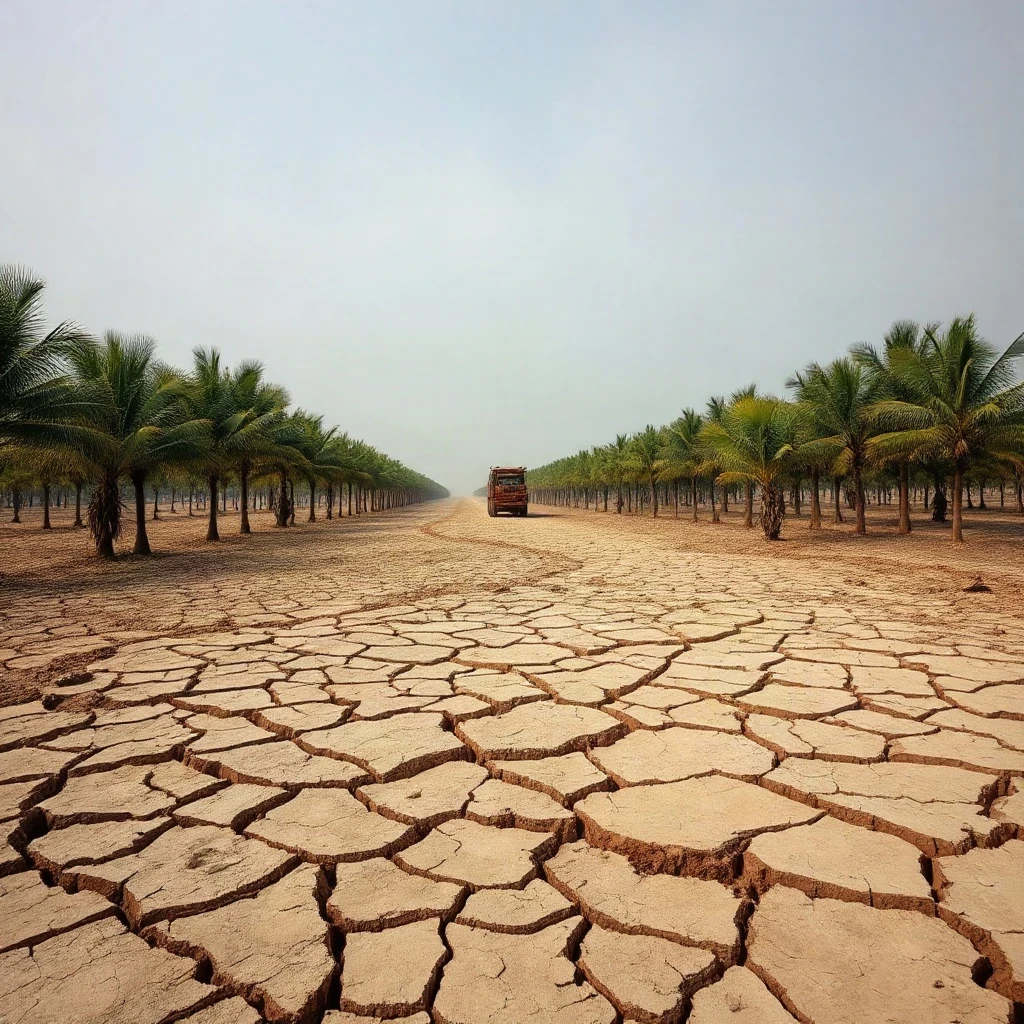
Indonesia is stepping up its B50 biodiesel drive, raising the export levy on palm oil by 73% and increasing replanting assistance to Rp60 million per hectare, according to policy reports published this week. The moves come as the country's biodiesel fund faces pressure from a dry El Nino that has hit Kalimantan and is expected to keep crude palm oil production growth flat.
What changed
The higher export levy is designed to replenish the fund that subsidizes the B50 blending program, which requires 50% palm oil in diesel. The levy increase means exporters will pay more per tonne of CPO shipped abroad, effectively transferring more of the cost of the domestic mandate to overseas buyers. In parallel, the government raised replanting grants for smallholders to Rp60 million per hectare, aiming to boost yields and secure long-term feedstock for biodiesel.
Supply and demand signals
The policy push comes against a backdrop of tightening supply. Malaysia's MPOB data for July 2026 showed CPO production up 9.4% month-on-month to 1.79 million tonnes, but closing stocks rose only 7.2% to 1.43 million tonnes as exports jumped 14.5%. Imports fell sharply, down 51.9% month-on-month, reflecting a regional market where demand for palm oil remains robust.
Weather is a key risk. The El Nino event (ONI +1.4) has left Kalimantan notably dry, which could curb Indonesian output in coming months. Analysts cited in the reports warn that B50 stockpiles and the export levy pool are vulnerable to erosion if production stalls. Indonesia's state plantation company is reportedly seeking higher yields to support the biodiesel program, but near-term gains are uncertain.
Market implications
For compliance-minded buyers, the higher levy raises the cost of Indonesian palm oil exports, potentially widening the discount to Malaysian benchmark CPO. The Malaysian benchmark closed at about $1143/MT, up 1.1%, while Indonesia's reference price is about $997/MT. The gap reflects different pricing mechanisms and the levy burden.
Biodiesel economics are also influenced by crude oil. Brent at about $94/bbl, up 0.3%, provides some support for blending margins, but the higher levy and potential supply tightness could push palm oil prices higher, squeezing blenders.
Our model outlook holds flat at $1148/MT as of the 2026-08-20 close, with no directional signal available for this run.
Bottom line
Indonesia's B50 policy is intensifying, with higher export levies and replanting subsidies aimed at securing feedstock. But El Nino-induced dryness and flat production forecasts pose risks to both the biodiesel fund and export availability. Buyers should monitor levy adjustments and weather developments closely, as these will shape palm oil supply and pricing in the months ahead.