Indonesia B50 Rollout, India Demand Shift Reshape Palm Oil Outlook
Nationwide B50 distribution and RBI-linked edible oil price rises mark a policy-driven demand shift for palm buyers.

Malaysian CPO holds near $1,100/MT as rising stocks and dry weather offset firm India demand and crude rebound.
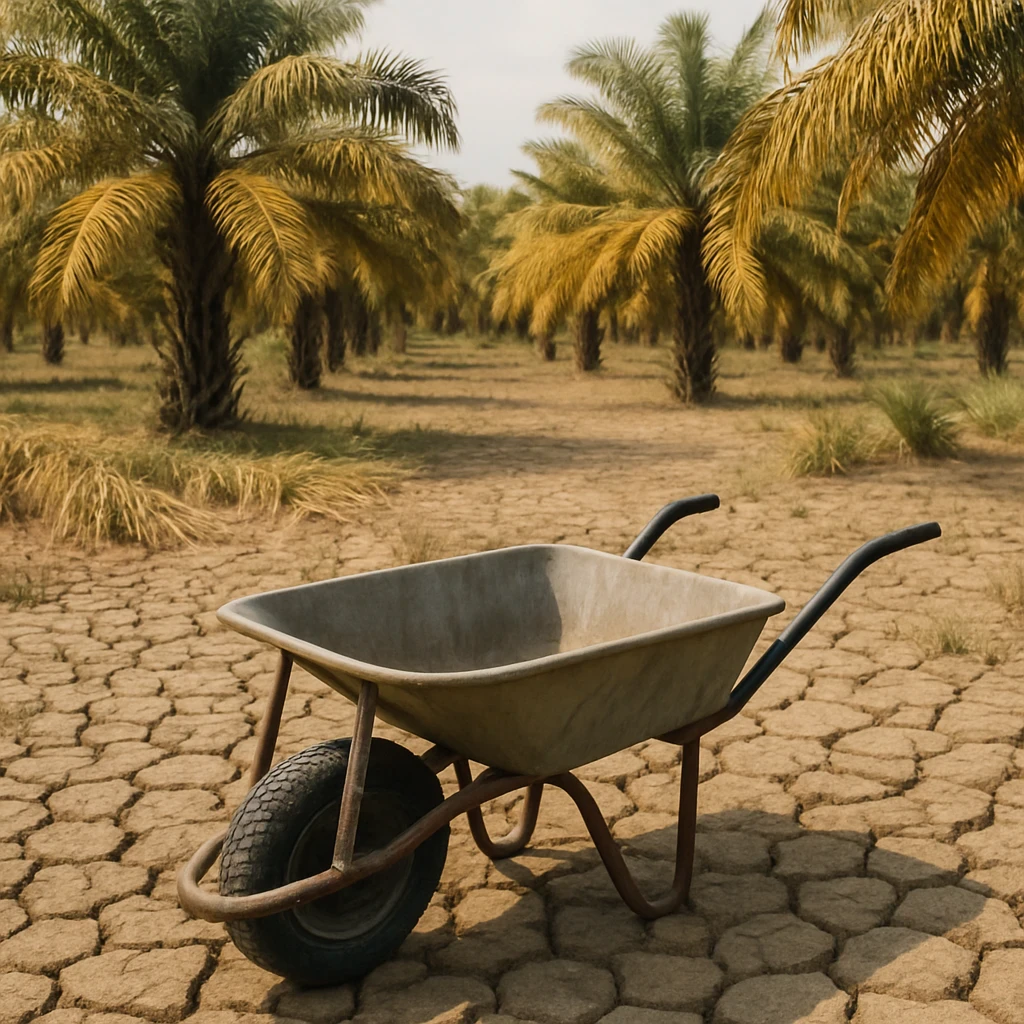
Malaysian crude palm oil futures were little changed on Wednesday, with the benchmark hovering near $1,100/MT (RM 4,507/MT) as the market balanced supportive demand signals against a build in inventories and dry weather across key growing regions.
According to the Malaysian Palm Oil Board's June data, CPO production climbed 8.1% month-on-month to 1,638,777 tonnes, while closing stocks rose 3.7% to 1,332,697 tonnes. Exports increased 5.7% to 1,198,567 tonnes, but imports surged 135.3% to 103,113 tonnes, partly reflecting arbitrage opportunities.
The stock build, though modest, points to a market that is gradually replenishing after earlier tightness. Our model outlook suggests prices are likely to drift slightly lower over the next seven days, pressured by expectations of another month of rising stocks in the upcoming MPOB report.
The current El Niño (ONI +1.0) is bringing notably dry conditions to Sabah, Sarawak and Kalimantan. Dry weather can stress young palms and reduce yields in the medium term, but in the short run it may ease harvesting and logistics constraints. The market appears to be looking past immediate weather concerns, focusing instead on the ample supply picture.
India's edible oil imports hit a 10-month peak in July on higher palm oil buying, according to Business Standard. This robust demand, ahead of the festival season, is a key supportive factor. India is also seeking sunflower oil alternatives amid Black Sea disruptions, which could further boost palm oil demand.
On the biofuels front, Indonesia's B50 biodiesel rollout continues, with Pertamina launching nationwide distribution in late July. This policy underpins domestic consumption and supports global palm oil prices. However, the recent 11.4% plunge in Brent crude (now around $80/bbl, up 1.5% on the day) could weaken the economics of biodiesel blending, potentially reducing demand for palm oil as a feedstock.
The palm-soyoil spread remains wide, making palm oil attractive relative to soyoil. However, soyoil futures have been under pressure on biofuel demand uncertainty, which has dragged on palm oil at times. The Malaysian ringgit is trading around 4.10 per dollar, while the Indonesian rupiah is near 18,036 per dollar, with the rupiah slipping on slower China manufacturing growth.
Watch the upcoming MPOB report for confirmation of another stock build, and monitor crude oil price movements for their impact on biodiesel demand. The dry El Niño weather in Southeast Asia could become a supply risk later in the year, so keep an eye on rainfall forecasts. India's sustained import appetite and the wide palm-soyoil spread are likely to keep a floor under prices in the near term.
Sources: Business Standard; Bernama; Finimize; ANTARA News; Fastmarkets; UkrAgroConsult
Nationwide B50 distribution and RBI-linked edible oil price rises mark a policy-driven demand shift for palm buyers.
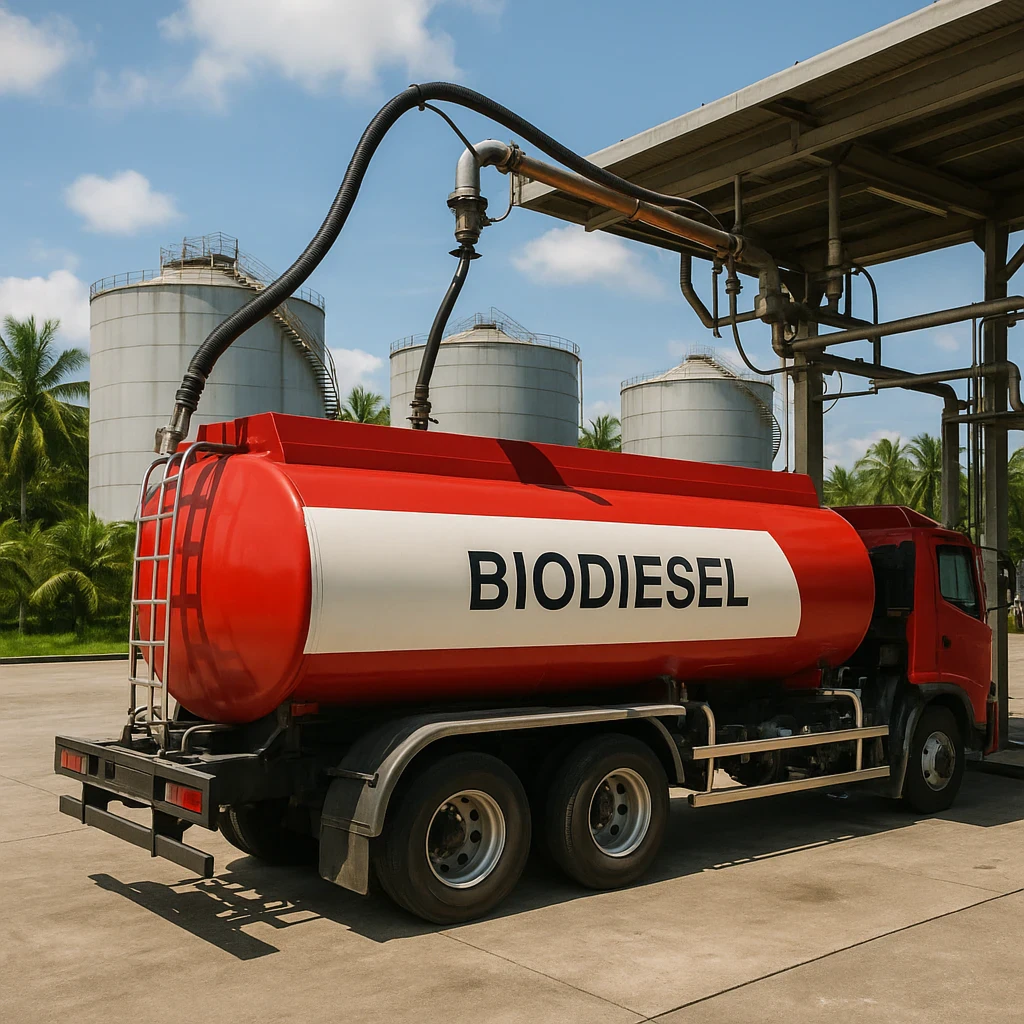
Indonesia's nationwide rollout of the B50 biodiesel mandate, coupled with a reported link to broad-based edible oil price rises in India, marks a material policy-driven demand shift for palm oil buyers, distinct from routine futures moves. The development comes as Malaysian crude palm oil futures hold near $1,100 per metric ton, with the benchmark essentially flat on the session, while global and Indonesian reference prices sit at $1,101 and $1,030 per metric ton, respectively.
Traders have largely focused on near-term supply-side pressures, including peak production and a weak rupiah boosting Indonesian export competitiveness. But the B50 mandate, now in nationwide distribution via Pertamina, represents a structural increase in domestic palm oil consumption for biodiesel blending. This is not a marginal shift: B50 requires roughly double the palm oil feedstock of B30, tightening the pool of crude palm oil available for export markets.
In parallel, reports from the Reserve Bank of India indicate that edible oil prices in the country have risen broadly, with palm oil playing a key role. India's July edible oil imports hit a 10-month peak on higher palm oil buying, underscoring robust demand from the world's largest vegetable oil importer. The combination of mandated domestic absorption in Indonesia and firm Indian import appetite creates a two-pronged demand pull that could offset bearish supply-side momentum.
Despite the policy-driven demand shift, our model outlook for the next seven days remains cautiously bearish. Peak production, weak rupiah-driven Indonesian exports, and subdued crude oil prices weigh on the market, even as Indian demand and the long-term B50 mandate provide support. Market positioning ahead of the next MPOB release adds downside risk, with crowded speculative longs amplifying vulnerability.
The wide soyoil spread provides some support, but not enough to offset near-term supply-side momentum. Traders should watch how quickly B50 offtake translates into reduced export availability, and whether Indian buying sustains its current pace. The policy signal is clear, but the price impact may take time to fully materialize.
Sources: Business Standard; ANTARA News; UkrAgroConsult; Fastmarkets
Malaysian CPO futures held near $1,100/MT amid a tug-of-war between surging Indian imports and mounting pressure from peak production, a weak rupiah, and slumping crude oil, leavin

B50 biodiesel mandate – Indonesia’s nationwide B50 distribution, launched on 27 July, is set to absorb an estimated 3–4 million tonnes of palm oil annually. While the impact is structural and long term, it underpins sentiment by eroding available stocks for export and highlighting policy-driven demand growth.
Attractive soyoil spread – The soybean oil–palm oil (BOPO) discount has widened to $481/MT, making CPO a compelling alternative for price-sensitive buyers. This demand-switching incentive cushions the downside, as refiners in price-sensitive markets (e.g., India, Bangladesh) substitute soyoil with palm oil whenever possible.
El Niño anticipation – An El Niño event (ONI +1.0°C) is developing, which historically cuts Southeast Asian palm yields with a 6–12 month lag. While not a near-term price mover, it fosters a medium-term bullish bias by threatening future supply, limiting aggressive selling by long-term holders.
Upcoming MPOB data – With the July stock report due in about six days, the market braces for a likely inventory build during the peak production season. Positioning ahead of the release is cautious, as a higher-than-expected stocks figure would confirm ample supply, triggering further downside.
Brent crude oil plunge – The 12.6% weekly drop in Brent to $79/bbl significantly deteriorates biodiesel blending economics. Lower crude prices reduce the margins for discretionary biodiesel production, cutting CPO’s attractiveness as a feedstock and easing demand from the energy sector.
Technical weakness – The 5/20 SMA death cross and price trading below all major short-term moving averages point to a developing downtrend. With the RSI at a neutral 47 but momentum eroding, chart-driven traders are likely to favour short positions, adding selling pressure.
Crowded speculative positioning – CFTC data shows soybean oil net longs remain in the 85th percentile, despite a 15,000-contract reduction. This crowded positioning leaves the complex vulnerable to long liquidation if bearish catalysts intensify, amplifying downward price moves.
Seasonal peak production – The July–October period historically sees the highest palm output in Malaysia and Indonesia. Dry weather in key growing regions (Sabah, Sarawak, Kalimantan) currently favours harvesting, accelerating the seasonal supply surge and weighing on prices.
A procurement-focused explainer on how Indonesia's export levy and duty tiers interact with the reference price to affect landed costs.
For buyers of Indonesian crude palm oil (CPO), the price quoted FOB Belawan or Dumai is only the starting point. The full cost to your refinery or end-user includes two government-mandated charges: the export levy and the export duty. Both are calculated from the same official reference price, but they serve different purposes and move in different ways. Understanding the mechanism helps you anticipate landed-cost shifts and negotiate more effectively.
Indonesia's Ministry of Trade publishes a CPO reference price periodically, typically every two weeks. This is not a market price; it is an official benchmark derived from average international price assessments over a preceding period. It is the base from which both the levy and the duty are calculated. The reference price is the single most important number to track because it determines which tiers apply and how much you pay per tonne.
The export levy is a per-tonne charge that goes to the Oil Palm Plantation Fund Management Agency (BPDPKS). This fund is used to subsidize domestic biodiesel blending and support smallholder replanting programs. The levy is structured in progressive tiers: as the reference price rises, the levy per tonne increases stepwise. For example, at a lower reference price band, the levy might be a modest amount, but at a higher band it jumps to a significantly larger figure. The exact thresholds and amounts are set by regulation and can be adjusted by the government, so always check the current schedule.
The export duty is a separate charge, also tiered based on the reference price. It is a classic trade-policy instrument: when the reference price is low, the duty may be zero or minimal; as the reference price climbs, the duty rate rises in steps. This duty is revenue for the central government and is not earmarked for the palm oil sector. Because both the levy and the duty are progressive, their combined effect amplifies the cost impact of rising reference prices.
When the reference price increases, both the levy and the duty can move into higher tiers, meaning the total government charges per tonne can rise faster than the underlying CPO price. For example, if the reference price jumps from a mid-tier to a high-tier band, the levy might increase by, say, $50 per tonne (illustrative) and the duty by another $30, adding $80 to your cost before freight. This is why a $20 move in the reference price can translate into a much larger landed-cost increase.
For procurement managers, these charges are not negotiable, but they are predictable. Build them into your cost models using the current reference price and official schedules. When negotiating contracts, consider whether the seller's quote includes these charges—often they are passed through separately. Also, note that the levy and duty apply to CPO exports; refined products may have different rates, which can make buying refined palm olein more attractive than crude in some periods. Finally, remember that these mechanisms are designed to manage domestic supply and price stability, so they can change with little notice—always verify the latest rules before committing to a shipment.
By understanding how the reference price, levy, and duty interact, you can better forecast your landed costs and avoid surprises in a market where government policy is as influential as weather and demand. ---
*This article reflects the position as of 5 August 2026. Duty structures, levies and mandates change often, sometimes at short notice. Please verify the current position, and any changes made after this date, before relying on it.*
Pertamina's nationwide B50 launch and Indian calls to curb Nepal duty-free imports signal shifting policy winds for palm oil buyers.
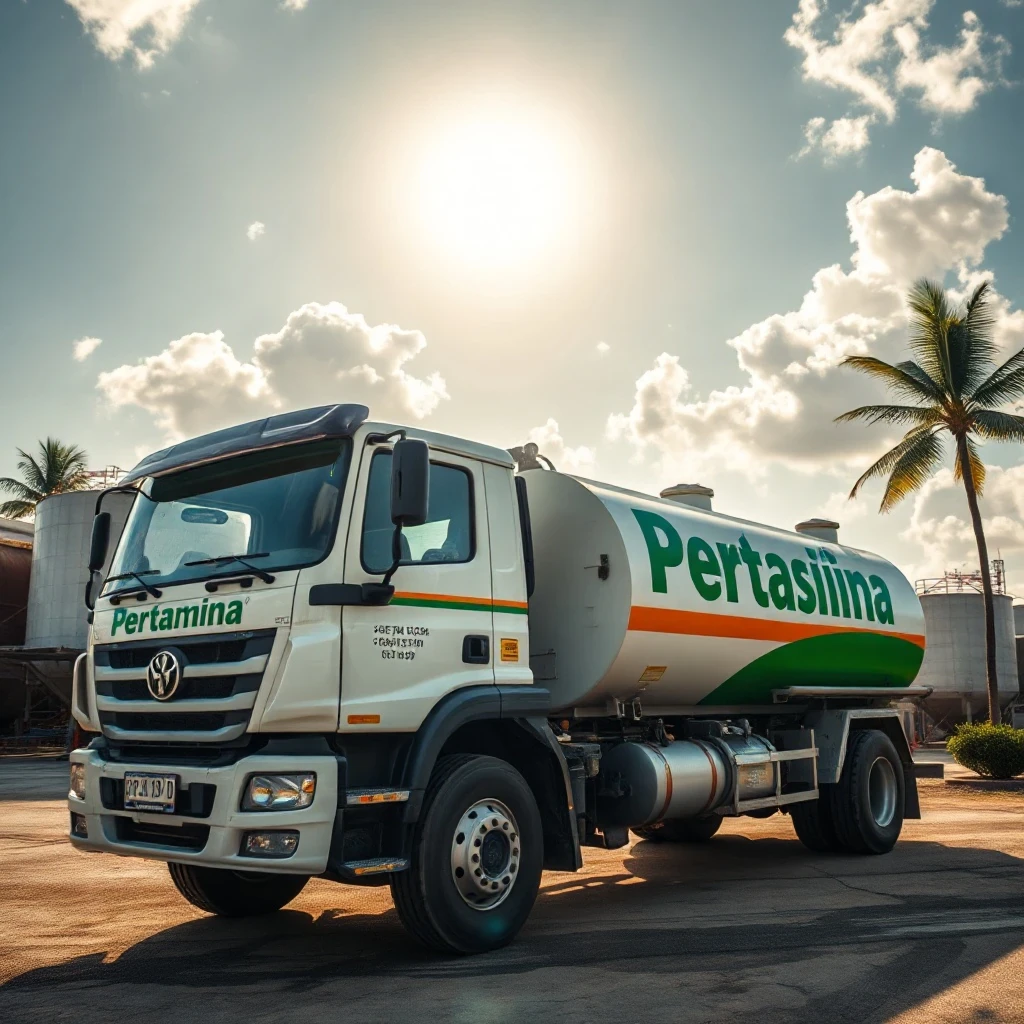
Palm oil policy watchers are parsing two distinct developments this week: Indonesia's nationwide expansion of its B50 biodiesel program and growing pressure in India to restrict duty-free edible oil imports from Nepal. Both carry implications for global palm oil supply, demand and compliance strategies.
State energy firm Pertamina has launched nationwide distribution of B50 biodiesel across Indonesia, a major escalation of the country's mandate to blend 50% palm-oil-based biodiesel into diesel fuel. The move deepens Indonesia's structural demand for crude palm oil as a feedstock, tightening the domestic supply available for export.
For global buyers, the immediate signal is one of reduced export availability from the world's largest palm oil producer. Indonesia's reference price for palm oil stands at about $1030/MT, below the Malaysian benchmark of roughly $1100/MT, reflecting the domestic consumption pull. The B50 mandate also ties Indonesian palm oil prices more closely to crude oil economics; with Brent hovering near $80/bbl, the blend remains commercially viable, though a sharp drop in crude would pressure the program's cost-effectiveness.
Separately, Indian policymakers and industry voices are turning attention to duty-free edible oil imports from Nepal. The Reserve Bank of India has linked broad-based edible oil price rises to biofuel use, specifically citing Indonesia's B50 mandate. Meanwhile, the Indian Vegetable Oil Producers' Association (IVPA) is seeking curbs on duty-free imports from Nepal, which some domestic producers argue undercut local refining.
For palm oil markets, the stakes are twofold. First, any restriction on Nepal-origin imports could redirect demand toward conventional palm oil shipments, supporting prices. Second, the RBI's commentary underscores a global theme: biofuel mandates are now a structural driver of edible oil prices, a factor compliance-minded buyers must factor into sourcing decisions.
Buyers navigating this landscape face a dual challenge. On the supply side, Indonesia's B50 rollout likely means tighter export availability and potentially higher premiums for certified sustainable palm oil. On the policy side, India's evolving import rules could shift trade flows, making it essential for procurement teams to monitor tariff and non-tariff barriers closely.
Our model outlook sees CPO drifting slightly lower over the next seven days, pressured by a recent plunge in Brent crude and expectations of another month of rising Malaysian stocks in the upcoming MPOB report. That bearish tilt is cushioned by robust Indian import demand and a wide palm-soyoil spread, which keeps palm competitively priced against other vegetable oils.
For now, the policy environment remains a net bullish force for palm oil demand, even as macroeconomic headwinds temper the price outlook.
India's edible oil imports hit a 10-month peak in July; duty flexibility and Nepal tariff loopholes shape palm demand outlook.
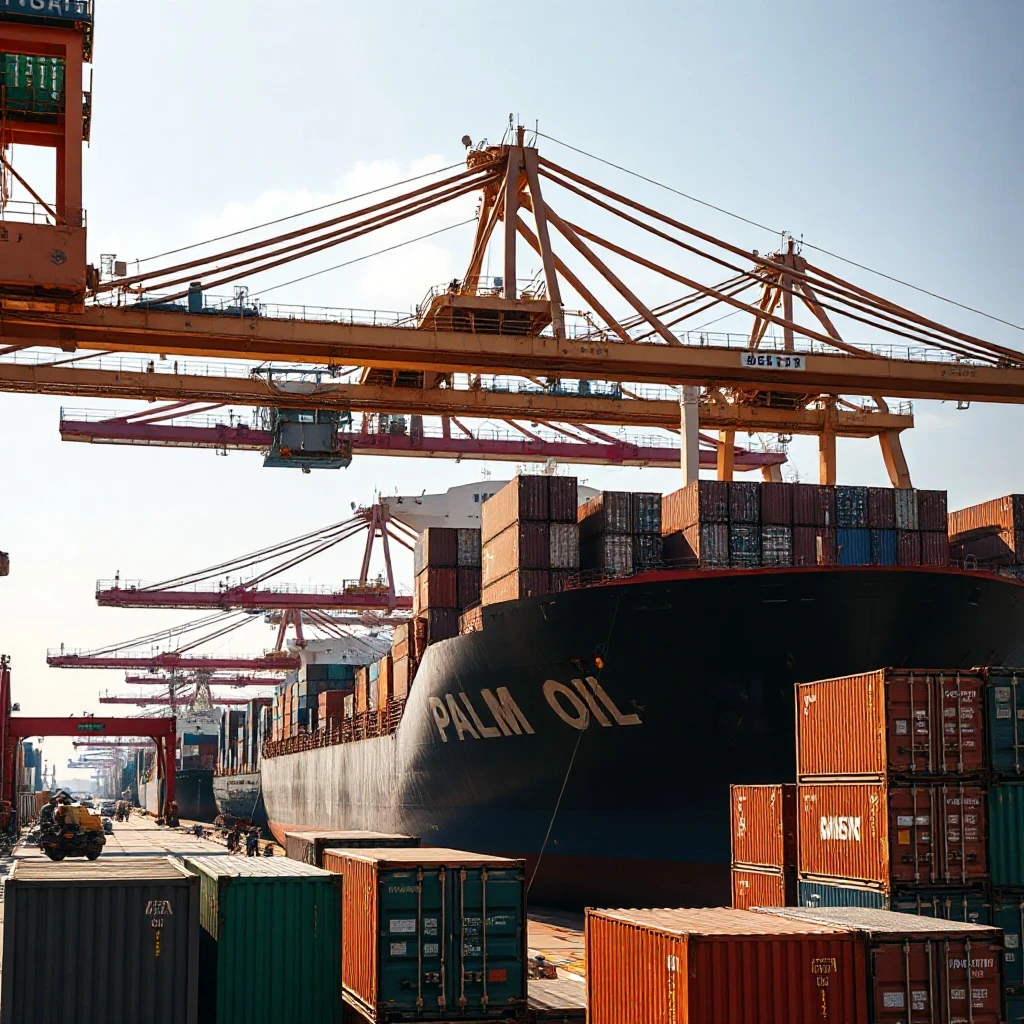
India, the world's largest palm oil buyer, is showing renewed appetite. July edible oil imports climbed to a 10-month high, driven by stronger palm oil purchases, according to trade press reports. The pickup aligns with pre-festival stock-building ahead of the autumn holiday season, when vegetable oil consumption typically peaks. Traders expect imports to stay elevated through October as refiners and distributors secure supplies before Diwali and other festive events.
Policy attention is shifting to import duties. Industry experts are urging New Delhi to make edible oil tariffs more flexible, arguing that rigid levies distort buying decisions and penalize consumers when global prices spike. The government has not announced changes, but the debate is intensifying as domestic crushers face pressure from cheaper imports.
A separate concern is the rising flow of duty-free edible oil from Nepal. Indian producers complain that Nepalese refiners exploit tariff preferences to re-export imported crude oil, undercutting local mills. The government is scrutinizing this trade, with officials examining whether the shipments comply with rules of origin. Any tightening of these loopholes could redirect some demand back to seaborne palm oil.
The July-October window is critical for Indian imports. Domestic mustard and soybean supplies shrink before the rabi harvest, forcing buyers to lean more heavily on imported palm and soft oils. Geopolitical disruptions in the Black Sea region have also complicated sunflower oil supply, pushing Indian buyers toward palm oil as a reliable substitute. That shift is visible in the latest import data and is likely to continue while sunflower cargoes remain uncertain.
Currency dynamics add another layer. The Indian rupee has been relatively stable, but the rupiah's recent weakness against the dollar makes Indonesian palm oil more competitive in rupee terms, supporting Indian buying interest. Meanwhile, the Malaysian ringgit's firmness around 4.10 per dollar keeps Malaysian CPO slightly more expensive than Indonesian offers, but the gap is narrow.
Our model outlook sees Malaysian CPO drifting slightly lower over the next seven days, pressured by an 11.4% plunge in Brent crude—which weakens biodiesel blend economics and the broader vegetable oil complex—and expectations of another month of rising Malaysian stocks in the upcoming MPOB report. However, robust Indian import demand and a wide palm-soyoil spread are providing a floor. With Brent near $80 per barrel and palm's discount to soybean oil still attractive, Indian refiners have little reason to switch away from palm in the near term.
For the coming months, the key variables are duty policy, the pace of festival buying, and whether the Black Sea sunflower disruption persists. Any tariff adjustment or clampdown on Nepalese transshipment could alter India's import mix, but the underlying trend—higher palm shipments into a growing market—remains intact.
Our market desk connects serious buyers with vetted origin suppliers across Southeast Asia. Indicative pricing, specifications and shipment guidance — free of charge.
Get connected →Nationwide B50 distribution and RBI-linked edible oil price rises mark a policy-driven demand shift for palm buyers.
Malaysian CPO futures held near $1,100/MT amid a tug-of-war between surging Indian imports and mounting pressure from peak production, a weak rupiah, and slumping crude oil, leavin
A procurement-focused explainer on how Indonesia's export levy and duty tiers interact with the reference price to affect landed costs.
Pertamina's nationwide B50 launch and Indian calls to curb Nepal duty-free imports signal shifting policy winds for palm oil buyers.
India's edible oil imports hit a 10-month peak in July; duty flexibility and Nepal tariff loopholes shape palm demand outlook.
Malaysian CPO holds near $1,100/MT as rising stocks and dry weather offset firm India demand and crude rebound.
Malaysian crude palm oil futures were little changed on Wednesday, with the benchmark hovering near $1,100/MT (RM 4,507/MT) as the market balanced supportive demand signals against a build in inventories and dry weather across key growing regions.
According to the Malaysian Palm Oil Board's June data, CPO production climbed 8.1% month-on-month to 1,638,777 tonnes, while closing stocks rose 3.7% to 1,332,697 tonnes. Exports increased 5.7% to 1,198,567 tonnes, but imports surged 135.3% to 103,113 tonnes, partly reflecting arbitrage opportunities.
The stock build, though modest, points to a market that is gradually replenishing after earlier tightness. Our model outlook suggests prices are likely to drift slightly lower over the next seven days, pressured by expectations of another month of rising stocks in the upcoming MPOB report.
The current El Niño (ONI +1.0) is bringing notably dry conditions to Sabah, Sarawak and Kalimantan. Dry weather can stress young palms and reduce yields in the medium term, but in the short run it may ease harvesting and logistics constraints. The market appears to be looking past immediate weather concerns, focusing instead on the ample supply picture.
India's edible oil imports hit a 10-month peak in July on higher palm oil buying, according to Business Standard. This robust demand, ahead of the festival season, is a key supportive factor. India is also seeking sunflower oil alternatives amid Black Sea disruptions, which could further boost palm oil demand.
On the biofuels front, Indonesia's B50 biodiesel rollout continues, with Pertamina launching nationwide distribution in late July. This policy underpins domestic consumption and supports global palm oil prices. However, the recent 11.4% plunge in Brent crude (now around $80/bbl, up 1.5% on the day) could weaken the economics of biodiesel blending, potentially reducing demand for palm oil as a feedstock.
The palm-soyoil spread remains wide, making palm oil attractive relative to soyoil. However, soyoil futures have been under pressure on biofuel demand uncertainty, which has dragged on palm oil at times. The Malaysian ringgit is trading around 4.10 per dollar, while the Indonesian rupiah is near 18,036 per dollar, with the rupiah slipping on slower China manufacturing growth.
Watch the upcoming MPOB report for confirmation of another stock build, and monitor crude oil price movements for their impact on biodiesel demand. The dry El Niño weather in Southeast Asia could become a supply risk later in the year, so keep an eye on rainfall forecasts. India's sustained import appetite and the wide palm-soyoil spread are likely to keep a floor under prices in the near term.