
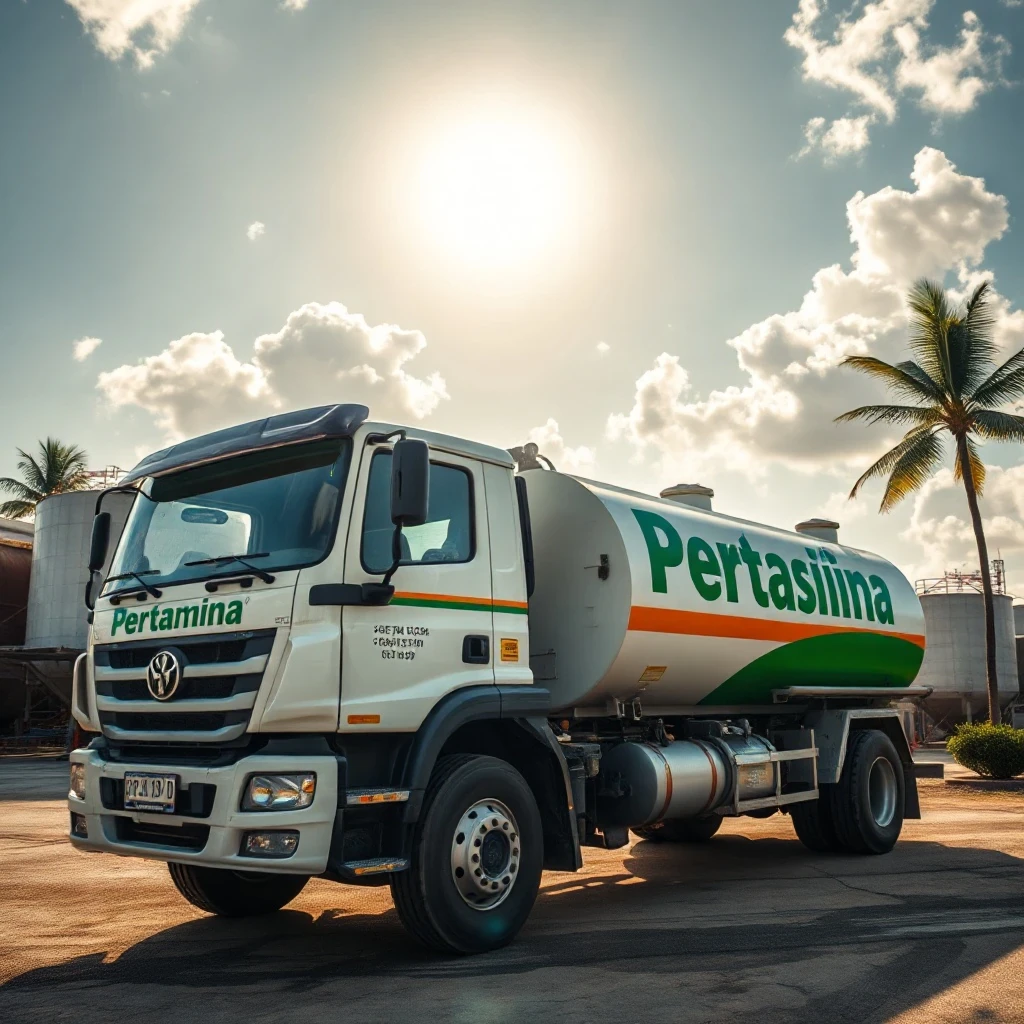
Palm oil policy watchers are parsing two distinct developments this week: Indonesia's nationwide expansion of its B50 biodiesel program and growing pressure in India to restrict duty-free edible oil imports from Nepal. Both carry implications for global palm oil supply, demand and compliance strategies.
Indonesia's B50 push
State energy firm Pertamina has launched nationwide distribution of B50 biodiesel across Indonesia, a major escalation of the country's mandate to blend 50% palm-oil-based biodiesel into diesel fuel. The move deepens Indonesia's structural demand for crude palm oil as a feedstock, tightening the domestic supply available for export.
For global buyers, the immediate signal is one of reduced export availability from the world's largest palm oil producer. Indonesia's reference price for palm oil stands at about $1030/MT, below the Malaysian benchmark of roughly $1100/MT, reflecting the domestic consumption pull. The B50 mandate also ties Indonesian palm oil prices more closely to crude oil economics; with Brent hovering near $80/bbl, the blend remains commercially viable, though a sharp drop in crude would pressure the program's cost-effectiveness.
India's import scrutiny
Separately, Indian policymakers and industry voices are turning attention to duty-free edible oil imports from Nepal. The Reserve Bank of India has linked broad-based edible oil price rises to biofuel use, specifically citing Indonesia's B50 mandate. Meanwhile, the Indian Vegetable Oil Producers' Association (IVPA) is seeking curbs on duty-free imports from Nepal, which some domestic producers argue undercut local refining.
For palm oil markets, the stakes are twofold. First, any restriction on Nepal-origin imports could redirect demand toward conventional palm oil shipments, supporting prices. Second, the RBI's commentary underscores a global theme: biofuel mandates are now a structural driver of edible oil prices, a factor compliance-minded buyers must factor into sourcing decisions.
Compliance and procurement implications
Buyers navigating this landscape face a dual challenge. On the supply side, Indonesia's B50 rollout likely means tighter export availability and potentially higher premiums for certified sustainable palm oil. On the policy side, India's evolving import rules could shift trade flows, making it essential for procurement teams to monitor tariff and non-tariff barriers closely.
Our model outlook sees CPO drifting slightly lower over the next seven days, pressured by a recent plunge in Brent crude and expectations of another month of rising Malaysian stocks in the upcoming MPOB report. That bearish tilt is cushioned by robust Indian import demand and a wide palm-soyoil spread, which keeps palm competitively priced against other vegetable oils.
For now, the policy environment remains a net bullish force for palm oil demand, even as macroeconomic headwinds temper the price outlook.