
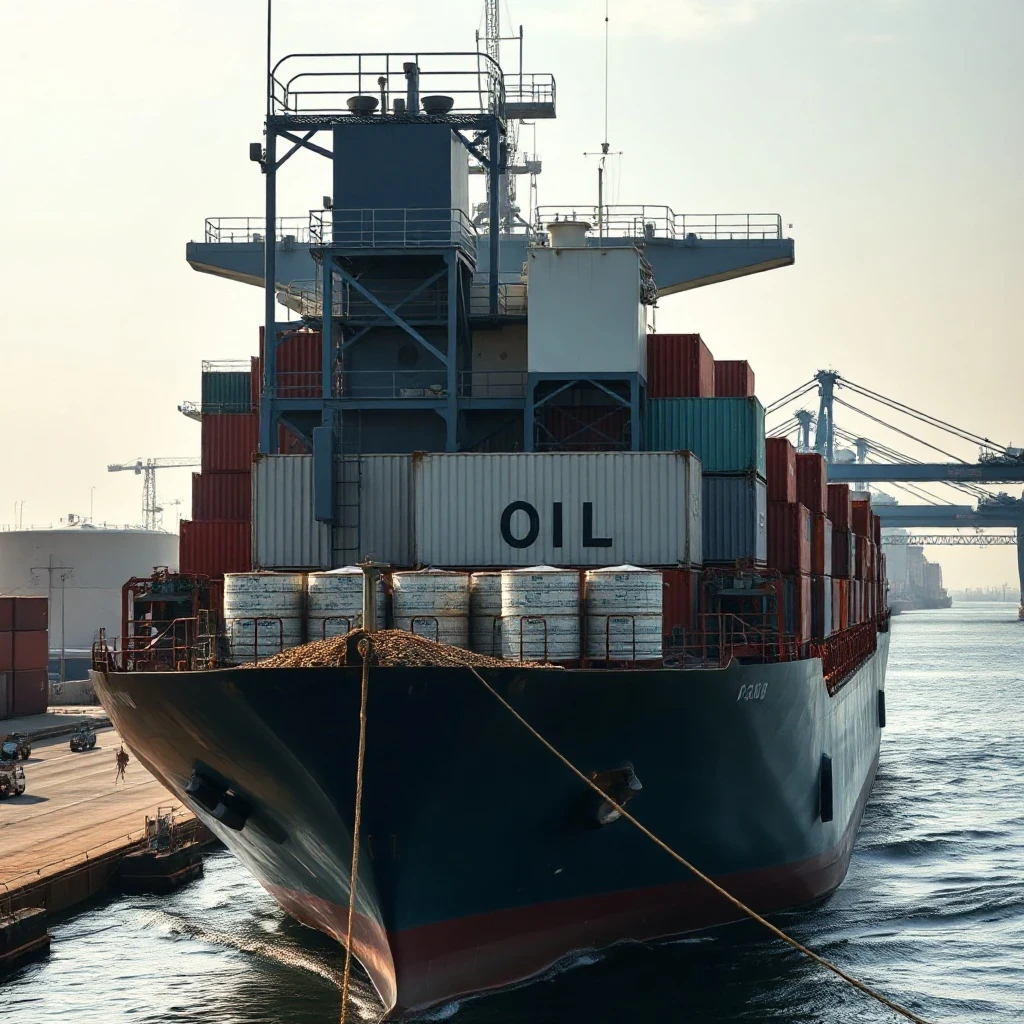
For buyers of Indonesian crude palm oil (CPO), the price quoted FOB Belawan or Dumai is only the starting point. The full cost to your refinery or end-user includes two government-mandated charges: the export levy and the export duty. Both are calculated from the same official reference price, but they serve different purposes and move in different ways. Understanding the mechanism helps you anticipate landed-cost shifts and negotiate more effectively.
The Reference Price: The Anchor
Indonesia's Ministry of Trade publishes a CPO reference price periodically, typically every two weeks. This is not a market price; it is an official benchmark derived from average international price assessments over a preceding period. It is the base from which both the levy and the duty are calculated. The reference price is the single most important number to track because it determines which tiers apply and how much you pay per tonne.
The Export Levy: Funding the BPDPKS
The export levy is a per-tonne charge that goes to the Oil Palm Plantation Fund Management Agency (BPDPKS). This fund is used to subsidize domestic biodiesel blending and support smallholder replanting programs. The levy is structured in progressive tiers: as the reference price rises, the levy per tonne increases stepwise. For example, at a lower reference price band, the levy might be a modest amount, but at a higher band it jumps to a significantly larger figure. The exact thresholds and amounts are set by regulation and can be adjusted by the government, so always check the current schedule.
The Export Duty: A Trade Policy Tool
The export duty is a separate charge, also tiered based on the reference price. It is a classic trade-policy instrument: when the reference price is low, the duty may be zero or minimal; as the reference price climbs, the duty rate rises in steps. This duty is revenue for the central government and is not earmarked for the palm oil sector. Because both the levy and the duty are progressive, their combined effect amplifies the cost impact of rising reference prices.
How They Interact: The Combined Burden
When the reference price increases, both the levy and the duty can move into higher tiers, meaning the total government charges per tonne can rise faster than the underlying CPO price. For example, if the reference price jumps from a mid-tier to a high-tier band, the levy might increase by, say, $50 per tonne (illustrative) and the duty by another $30, adding $80 to your cost before freight. This is why a $20 move in the reference price can translate into a much larger landed-cost increase.
What Buyers Should Watch
- Reference price announcements: Monitor the bi-weekly release—it is the trigger for all changes.
- Regulatory updates: The government can revise levy and duty schedules independently of the reference price. Watch for ministerial decrees.
- Tier thresholds: Know the exact bands; a small reference price move can push you into a new tier, causing a disproportionate cost jump.
- Biodiesel policy: Changes in domestic blending mandates directly affect BPDPKS fund needs and can prompt levy adjustments.
Commercial Implications
For procurement managers, these charges are not negotiable, but they are predictable. Build them into your cost models using the current reference price and official schedules. When negotiating contracts, consider whether the seller's quote includes these charges—often they are passed through separately. Also, note that the levy and duty apply to CPO exports; refined products may have different rates, which can make buying refined palm olein more attractive than crude in some periods. Finally, remember that these mechanisms are designed to manage domestic supply and price stability, so they can change with little notice—always verify the latest rules before committing to a shipment.
By understanding how the reference price, levy, and duty interact, you can better forecast your landed costs and avoid surprises in a market where government policy is as influential as weather and demand. ---
*This article reflects the position as of 5 August 2026. Duty structures, levies and mandates change often, sometimes at short notice. Please verify the current position, and any changes made after this date, before relying on it.*