
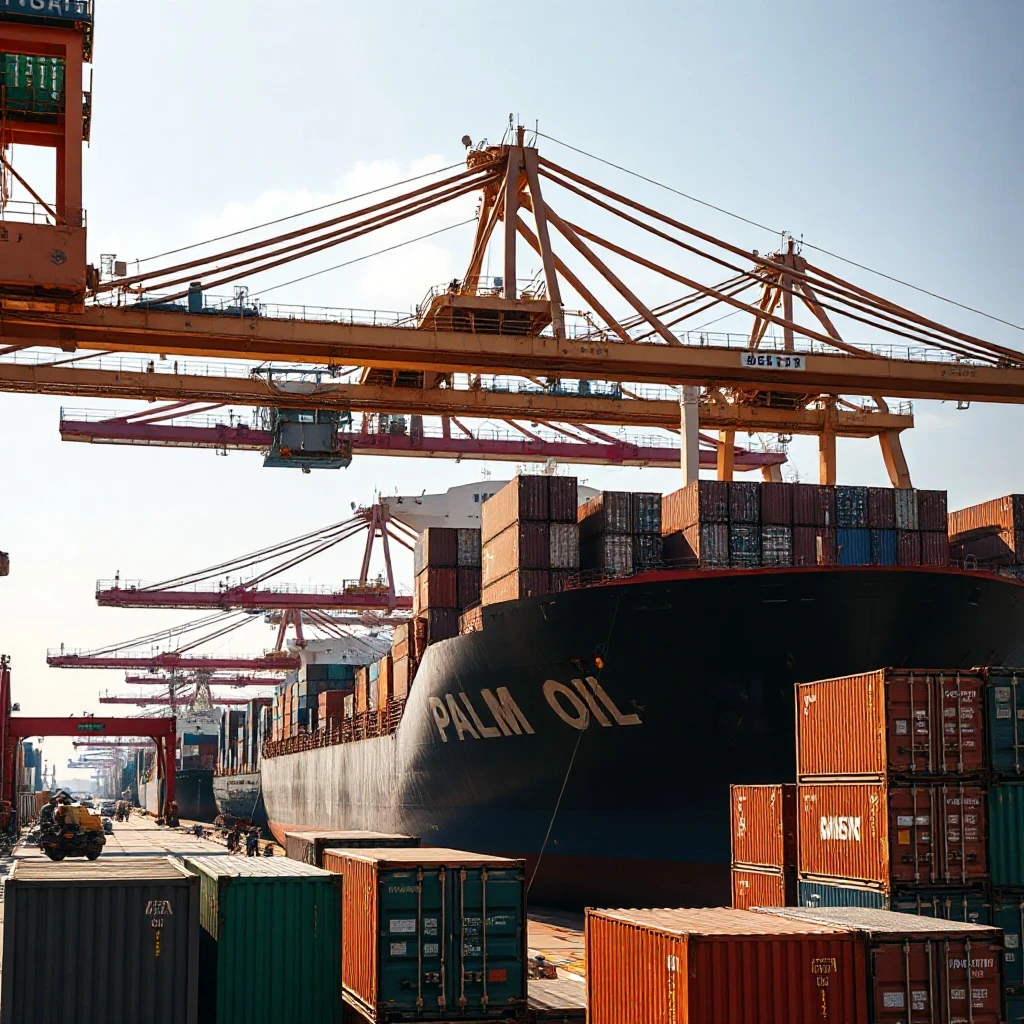
India, the world's largest palm oil buyer, is showing renewed appetite. July edible oil imports climbed to a 10-month high, driven by stronger palm oil purchases, according to trade press reports. The pickup aligns with pre-festival stock-building ahead of the autumn holiday season, when vegetable oil consumption typically peaks. Traders expect imports to stay elevated through October as refiners and distributors secure supplies before Diwali and other festive events.
Duty and policy watch
Policy attention is shifting to import duties. Industry experts are urging New Delhi to make edible oil tariffs more flexible, arguing that rigid levies distort buying decisions and penalize consumers when global prices spike. The government has not announced changes, but the debate is intensifying as domestic crushers face pressure from cheaper imports.
A separate concern is the rising flow of duty-free edible oil from Nepal. Indian producers complain that Nepalese refiners exploit tariff preferences to re-export imported crude oil, undercutting local mills. The government is scrutinizing this trade, with officials examining whether the shipments comply with rules of origin. Any tightening of these loopholes could redirect some demand back to seaborne palm oil.
Seasonal and currency factors
The July-October window is critical for Indian imports. Domestic mustard and soybean supplies shrink before the rabi harvest, forcing buyers to lean more heavily on imported palm and soft oils. Geopolitical disruptions in the Black Sea region have also complicated sunflower oil supply, pushing Indian buyers toward palm oil as a reliable substitute. That shift is visible in the latest import data and is likely to continue while sunflower cargoes remain uncertain.
Currency dynamics add another layer. The Indian rupee has been relatively stable, but the rupiah's recent weakness against the dollar makes Indonesian palm oil more competitive in rupee terms, supporting Indian buying interest. Meanwhile, the Malaysian ringgit's firmness around 4.10 per dollar keeps Malaysian CPO slightly more expensive than Indonesian offers, but the gap is narrow.
Price outlook
Our model outlook sees Malaysian CPO drifting slightly lower over the next seven days, pressured by an 11.4% plunge in Brent crude—which weakens biodiesel blend economics and the broader vegetable oil complex—and expectations of another month of rising Malaysian stocks in the upcoming MPOB report. However, robust Indian import demand and a wide palm-soyoil spread are providing a floor. With Brent near $80 per barrel and palm's discount to soybean oil still attractive, Indian refiners have little reason to switch away from palm in the near term.
For the coming months, the key variables are duty policy, the pace of festival buying, and whether the Black Sea sunflower disruption persists. Any tariff adjustment or clampdown on Nepalese transshipment could alter India's import mix, but the underlying trend—higher palm shipments into a growing market—remains intact.