Policy Watch: B50 Rollout, Nepal Trade Flows Reshape Palm Oil Demand Outlook
Indonesia's B50 mandate lifts biodiesel demand while Nepal export scrutiny and crude weakness cloud the CPO demand picture.

Malaysian CPO benchmark holds above $1,100/MT despite softer crude and higher output; buyers eye pre-festival restocking.
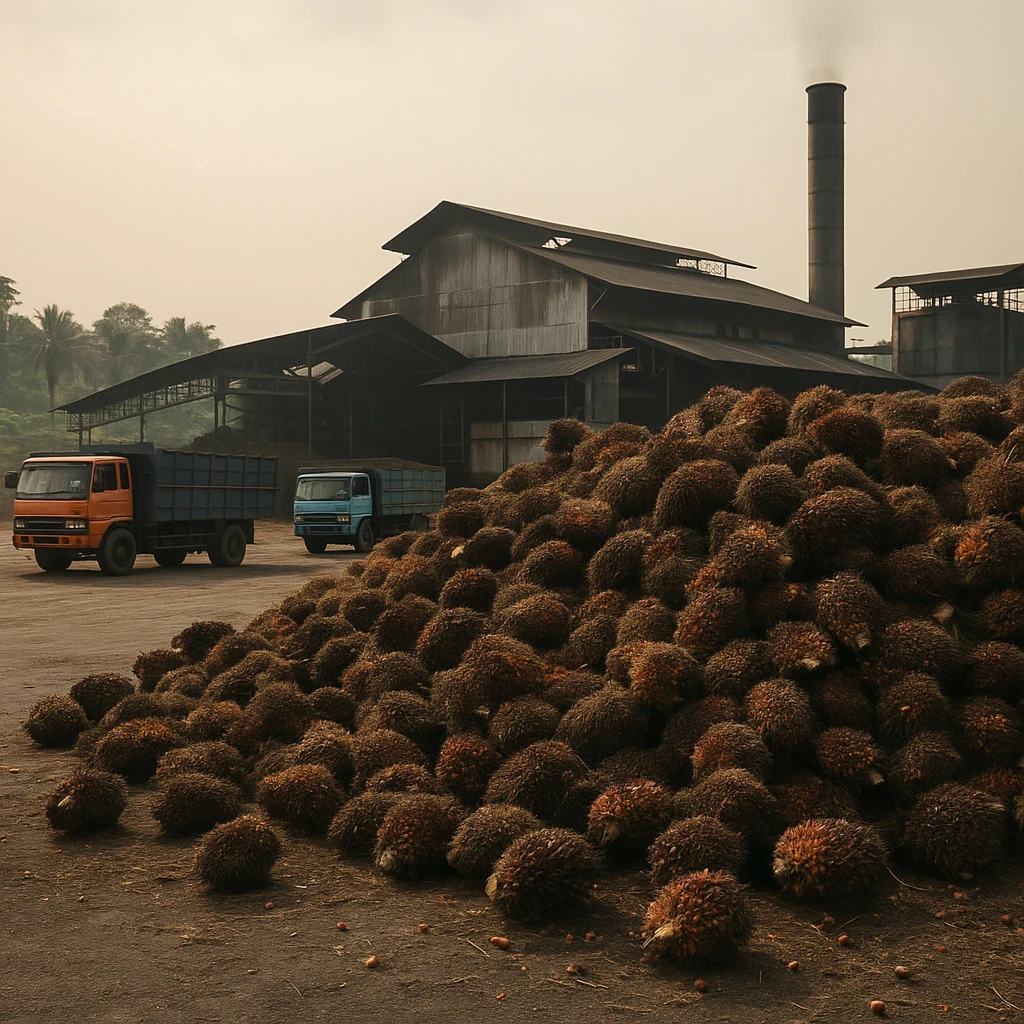
The Malaysian crude palm oil benchmark settled at about $1,101 per metric ton (RM 4,498) on 31 July, down 0.3% from the previous session. The global World Bank benchmark stood at roughly $1,105/MT, while Indonesia's reference price was around $1,030/MT. The narrow gap between Malaysian and Indonesian pricing reflects continued competition in export markets.
Malaysia's June 2026 MPOB report, released mid-July, showed CPO production at 1,638,777 tonnes, up 8.1% month-on-month. Closing stocks rose 3.7% to 1,332,697 tonnes, while exports increased 6.2% to 1,204,013 tonnes. Imports surged 135.3% to 103,113 tonnes, an unusual spike that may reflect arbitrage flows from Indonesia or temporary logistical adjustments. The FFB reference price eased 1.3% to RM 48.90, signalling softer fresh fruit bunch values at the farm gate.
Weather remains a key swing factor. The ENSO state is El Niño, with an ONI reading of +1.0, and notable dryness is reported in Kalimantan. Dry conditions in Indonesian growing regions can pressure yields in the coming months, though Malaysian production has so far trended higher. Buyers should watch whether El Niño intensifies into the fourth quarter, as that could tighten supply faster than current stock builds suggest.
India's edible oil imports fell 30% in June, but trade reports indicate imports are expected to surge from July through October as buyers rebuild inventories ahead of the festival season. This restocking window is a key support for near-term palm demand. Meanwhile, India is seeking sunflower oil alternatives amid Black Sea disruptions, which could redirect some demand toward palm and soy oils.
Indonesia's B50 biodiesel mandate, rolled out in July, continues to underpin structural palm demand. However, Brent crude fell 1.5% to about $88 per barrel, narrowing the incentive for biodiesel blending. A weaker crude complex tends to cap palm oil's energy-linked premium, and some analysts have flagged that a sharp oil decline could reprice the biodiesel story. The current wide BOPO spread, however, still favours blending economics.
The ringgit traded at about 4.09 per US dollar, while the rupiah was around 18,067 per dollar. A firmer ringgit can dampen export competitiveness for Malaysian palm, though the move has been modest. Palm futures have shown two-way volatility this week, rebounding on firmer crude and rival edible oils in some sessions, then slipping when energy prices weakened.
Our model outlook points to slight downward drift in a volatile regime. Near-term bearish pressure comes from softer crude, but support is visible from the wide BOPO spread, pre-festival restocking, and El Niño-related supply concerns. For buyers, the key signals are Brent's trajectory, Indonesia's B50 implementation pace, and any fresh MPOB data confirming whether the June stock build extends into July. Watch the ringgit and rupiah for currency-driven price swings, and monitor Kalimantan rainfall as the dry season progresses.
Sources: ChemAnalyst; Bernama; Oils & Fats International; Finimize; Business Recorder; UkrAgroConsult
Indonesia's B50 mandate lifts biodiesel demand while Nepal export scrutiny and crude weakness cloud the CPO demand picture.

Palm oil markets enter August with a policy backdrop that is pulling demand in opposing directions. Indonesia's formal launch of its B50 biodiesel programme, confirmed in mid-July, is the single most bullish structural development for palm oil consumption this year. The higher blend rate, which raises the share of palm-based methyl ester in diesel, is expected to absorb a significantly larger volume of domestic palm oil supply, tightening the exportable surplus from the world's largest producer.
For compliance-minded buyers, the B50 rollout adds a new layer of complexity to supply planning. With more crude palm oil diverted into the domestic energy pool, exporters may face tighter availability of certified sustainable material, particularly during peak blending months. Buyers with sustainability commitments should monitor how Indonesian authorities allocate feedstock between food, fuel and export channels, as this will influence both premiums and lead times.
The sharp decline in Brent crude, which fell around 1.5% to roughly $88 per barrel in the latest session, has complicated the biodiesel economics that underpin the B50 push. Lower crude prices narrow the incentive for biodiesel blending, as the fuel's competitiveness against conventional diesel weakens. This dynamic is already visible in market repricing, with recent commentary pointing to palm oil's rally stalling as oil prices slipped below $70 in some benchmarks, prompting traders to reassess the biodiesel story.
Our model outlook suggests near-term CPO faces bearish pressure from this crude weakness, but the wide spread between palm oil and gasoil, combined with pre-festival restocking, should provide a floor. The base case is for a slight downward drift in a volatile trading regime, with policy headlines likely to drive sudden swings.
On the trade policy front, India's scrutiny of duty-free edible oil imports from Nepal has emerged as a fresh concern. Reports indicate Nepal's Rs146 billion edible oil exports to India are being examined over tariff advantages, with Indian producers raising alarms about the impact of these preferential flows. If India tightens rules of origin or imposes safeguards, it could redirect refined palm oil trade routes, potentially easing competitive pressure on domestic Indian refiners while altering regional price dynamics.
For buyers, the key takeaway is that policy risk is now a two-way street. Indonesia's B50 mandate supports long-term demand, but crude oil volatility and trade-policy adjustments in South Asia could offset those gains in the near term. Staying agile on sourcing and contract timing will be essential as these forces play out.
Sources: The Kathmandu Post; AgroSpectrum India; livemint.com; livemint.com; Oils & Fats International; The Jakarta Post
A practical look at the biology and economics behind palm oil's unmatched land efficiency.
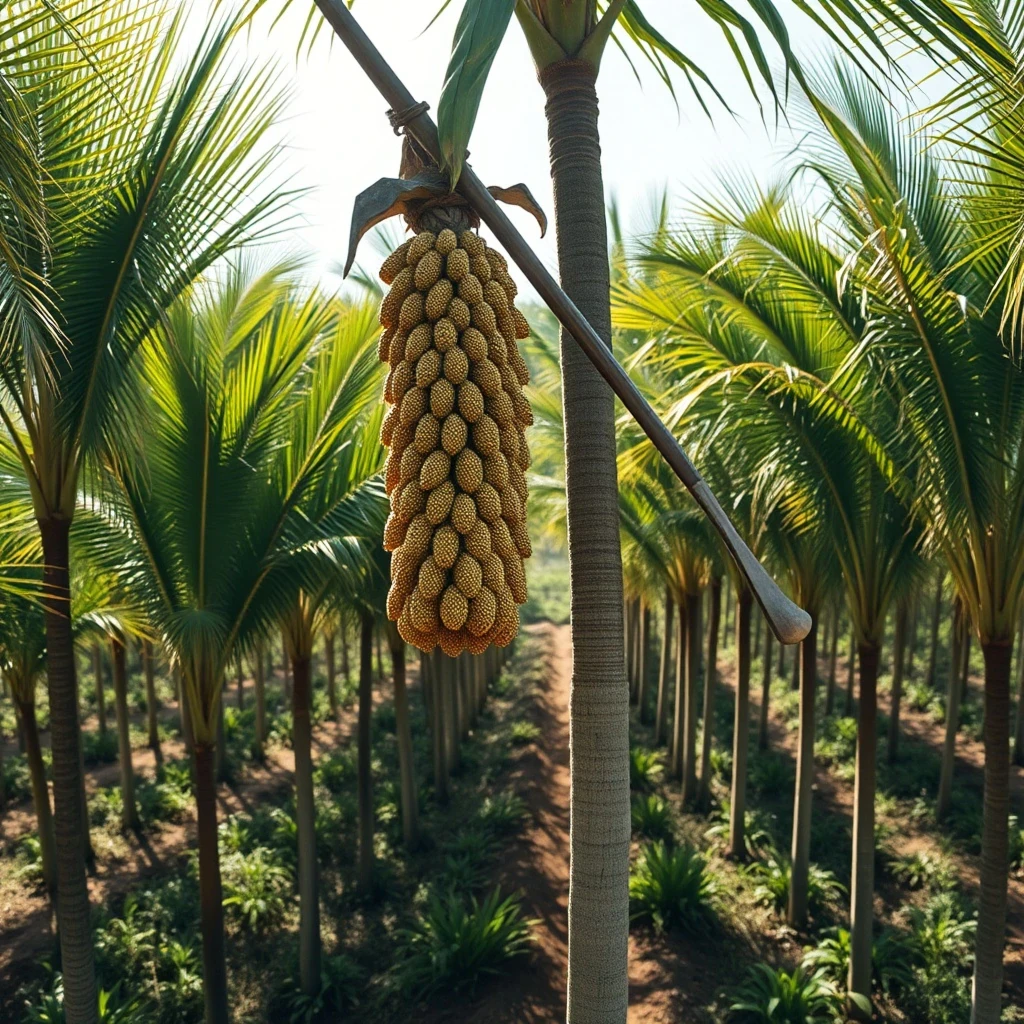
For procurement managers and first-time buyers, the single most important fact about vegetable oils is land use. Oil palm is the most productive oil crop in the world, and the gap is not marginal. On a per-hectare basis, oil palm produces roughly four to five times more oil than rapeseed, sunflower, or soybean. This is not a marketing claim but a function of plant biology and cultivation practice.
The oil palm is a perennial tree, not an annual field crop. While soybeans, rapeseed, and sunflowers must be replanted every season, a single oil palm tree continues producing for 25 to 30 years. Each tree bears multiple fruit bunches year-round, with peak production occurring between years 5 and 15. This continuous, multi-year harvest cycle means the plant spends far less energy on vegetative regrowth and far more on fruit and oil formation.
The oil palm fruit yields two distinct oils. The fleshy mesocarp produces crude palm oil, while the kernel inside the nut yields palm kernel oil. No other major oil crop offers this dual output from a single harvest. This effectively doubles the oil yield per hectare compared to crops that produce only seed or fruit oil.
A fresh oil palm fruit bunch typically contains about 20 to 25 percent oil by weight. In contrast, a soybean seed contains roughly 18 to 20 percent oil, and a rapeseed seed about 40 to 45 percent. However, the palm fruit's much larger biomass per tree and year-round fruiting far outweigh the higher oil concentration in small seeds.
For a buyer, the yield gap translates directly into land footprint. Producing one tonne of soybean oil requires about two hectares of farmland. The same tonne of palm oil needs only about 0.4 hectares. This efficiency is why palm oil is consistently the lowest-cost major vegetable oil on the global market, and why it dominates the edible oils trade.
Higher yield per hectare also means less land is needed overall to meet global demand. If all palm oil were replaced by soybean oil, the world would need roughly double the current oil-crop area. This is the central argument in favor of palm oil's land efficiency. However, the crop's expansion into tropical rainforest and peatlands has created serious environmental concerns, and buyers increasingly require certified sustainable sources.
For procurement, the yield advantage means palm oil offers price stability and supply security that other oils cannot match. But it also means your sourcing decisions carry a land-use footprint. Understanding the yield gap helps you negotiate better, compare life-cycle costs, and explain to stakeholders why palm oil remains the backbone of the global edible oils market.
Our market desk connects serious buyers with vetted origin suppliers across Southeast Asia. Indicative pricing, specifications and shipment guidance — free of charge.
Get connected →Indonesia's B50 mandate lifts biodiesel demand while Nepal export scrutiny and crude weakness cloud the CPO demand picture.
A practical look at the biology and economics behind palm oil's unmatched land efficiency.
Malaysian CPO benchmark holds above $1,100/MT despite softer crude and higher output; buyers eye pre-festival restocking.
The Malaysian crude palm oil benchmark settled at about $1,101 per metric ton (RM 4,498) on 31 July, down 0.3% from the previous session. The global World Bank benchmark stood at roughly $1,105/MT, while Indonesia's reference price was around $1,030/MT. The narrow gap between Malaysian and Indonesian pricing reflects continued competition in export markets.
Malaysia's June 2026 MPOB report, released mid-July, showed CPO production at 1,638,777 tonnes, up 8.1% month-on-month. Closing stocks rose 3.7% to 1,332,697 tonnes, while exports increased 6.2% to 1,204,013 tonnes. Imports surged 135.3% to 103,113 tonnes, an unusual spike that may reflect arbitrage flows from Indonesia or temporary logistical adjustments. The FFB reference price eased 1.3% to RM 48.90, signalling softer fresh fruit bunch values at the farm gate.
Weather remains a key swing factor. The ENSO state is El Niño, with an ONI reading of +1.0, and notable dryness is reported in Kalimantan. Dry conditions in Indonesian growing regions can pressure yields in the coming months, though Malaysian production has so far trended higher. Buyers should watch whether El Niño intensifies into the fourth quarter, as that could tighten supply faster than current stock builds suggest.
India's edible oil imports fell 30% in June, but trade reports indicate imports are expected to surge from July through October as buyers rebuild inventories ahead of the festival season. This restocking window is a key support for near-term palm demand. Meanwhile, India is seeking sunflower oil alternatives amid Black Sea disruptions, which could redirect some demand toward palm and soy oils.
Indonesia's B50 biodiesel mandate, rolled out in July, continues to underpin structural palm demand. However, Brent crude fell 1.5% to about $88 per barrel, narrowing the incentive for biodiesel blending. A weaker crude complex tends to cap palm oil's energy-linked premium, and some analysts have flagged that a sharp oil decline could reprice the biodiesel story. The current wide BOPO spread, however, still favours blending economics.
The ringgit traded at about 4.09 per US dollar, while the rupiah was around 18,067 per dollar. A firmer ringgit can dampen export competitiveness for Malaysian palm, though the move has been modest. Palm futures have shown two-way volatility this week, rebounding on firmer crude and rival edible oils in some sessions, then slipping when energy prices weakened.
Our model outlook points to slight downward drift in a volatile regime. Near-term bearish pressure comes from softer crude, but support is visible from the wide BOPO spread, pre-festival restocking, and El Niño-related supply concerns. For buyers, the key signals are Brent's trajectory, Indonesia's B50 implementation pace, and any fresh MPOB data confirming whether the June stock build extends into July. Watch the ringgit and rupiah for currency-driven price swings, and monitor Kalimantan rainfall as the dry season progresses.