Asia’s biodiesel mandates tighten supply as Nepal tariff row adds to policy noise
Indonesia’s B50 rollout and rising regional mandates curb discretionary blending, while Nepal’s duty-free exports to India face scrutiny.

Malaysian CPO edges up 0.2% to $1104/MT; MPOB data shows rising production and stocks while crude oil and biodiesel mandates lend support.
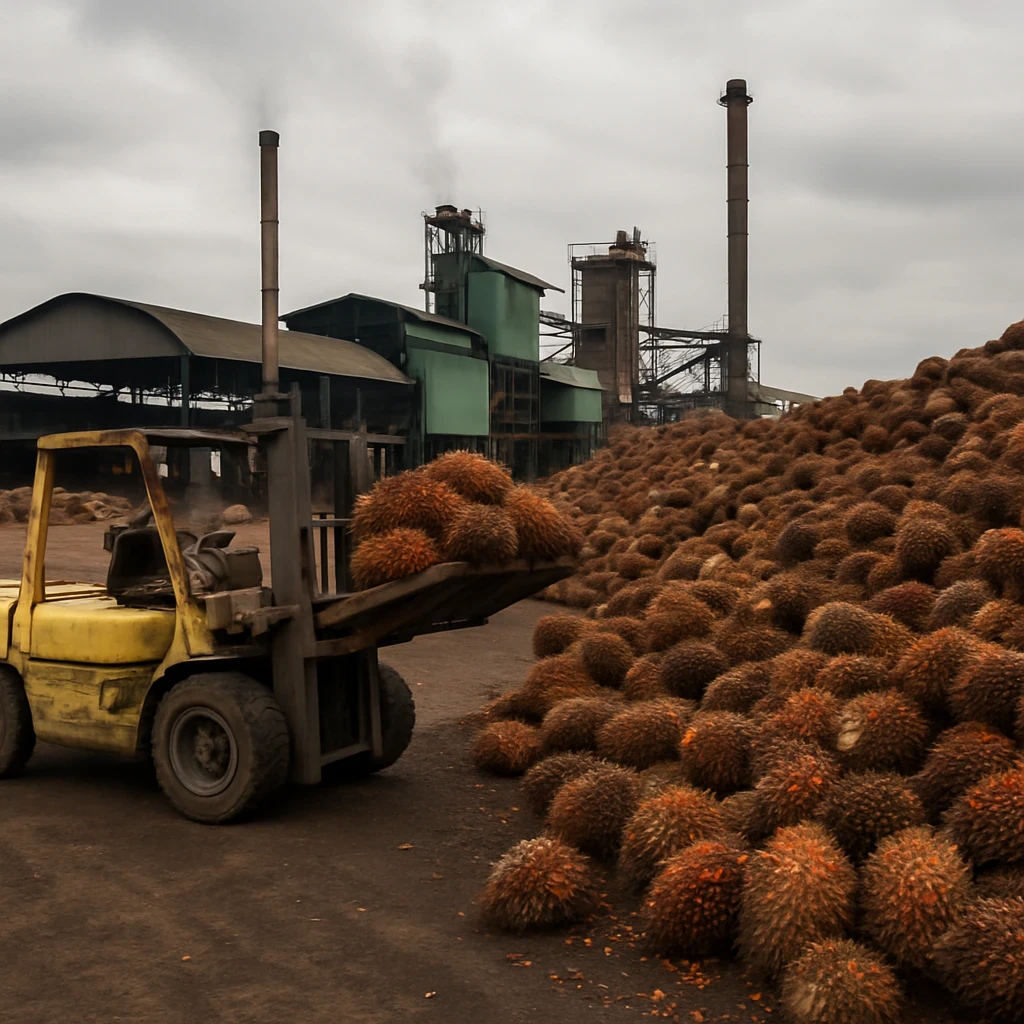
Malaysian crude palm oil futures held near the $1104/MT mark on Thursday, gaining 0.2% from the prior session as a firmer crude oil market and bargain buying provided a floor. The global benchmark stood at about $1105/MT, while Indonesia's reference price was set around $1030/MT. The ringgit traded at 4.09 per dollar, adding a layer of cost support for ringgit-denominated contracts.
The latest MPOB data for June 2026 showed Malaysian CPO production at 1,638,777 tonnes, up 8.1% month-on-month, pushing closing stocks to 1,332,697 tonnes (+3.7% MoM). Exports rose 6.2% to 1,204,013 tonnes, while imports more than doubled to 103,113 tonnes, reflecting active regional arbitrage. Fresh fruit bunch reference prices slipped 1.3% to RM 48.90. The ongoing El Niño (ONI +1.0) continues to bring dry conditions to parts of Kalimantan, though key growing regions in Malaysia have so far avoided severe stress.
Brent crude fell 1.3% to about $89/bbl, yet remained elevated enough to sustain biodiesel blending economics. Indonesia's rollout of the B50 biodiesel mandate — confirmed in recent weeks — underpins structural demand growth for palm oil as a fuel feedstock. However, India's edible oil imports dropped 30% in June, with palm and soybean oil shipments both declining sharply, capping near-term buying momentum. Reports of Nepal's duty-free edible oil exports to India also continue to stir tariff-arbitrage concerns among Indian crushers.
Our model outlook sees CPO trading in a choppy, slightly upward-biased range over the next seven days. A wide palm-soyoil spread is encouraging demand switching, while crowded speculative longs in the soy complex limit upside. Traders are positioning ahead of the mid-August MPOB release, which could inject additional volatility. The interplay between firm crude, biodiesel mandates, and ample Malaysian stocks will keep prices in a tight band.
Watch for further cues from crude oil direction and any shifts in Indian import pace ahead of the festival season. The B50 mandate in Indonesia remains a structural demand driver, but near-term price gains may be capped by high stocks and subdued Indian buying.
Sources: bernama; Substack; Oils & Fats International; The Kathmandu Post; NST Online; Business Recorder
Indonesia’s B50 rollout and rising regional mandates curb discretionary blending, while Nepal’s duty-free exports to India face scrutiny.
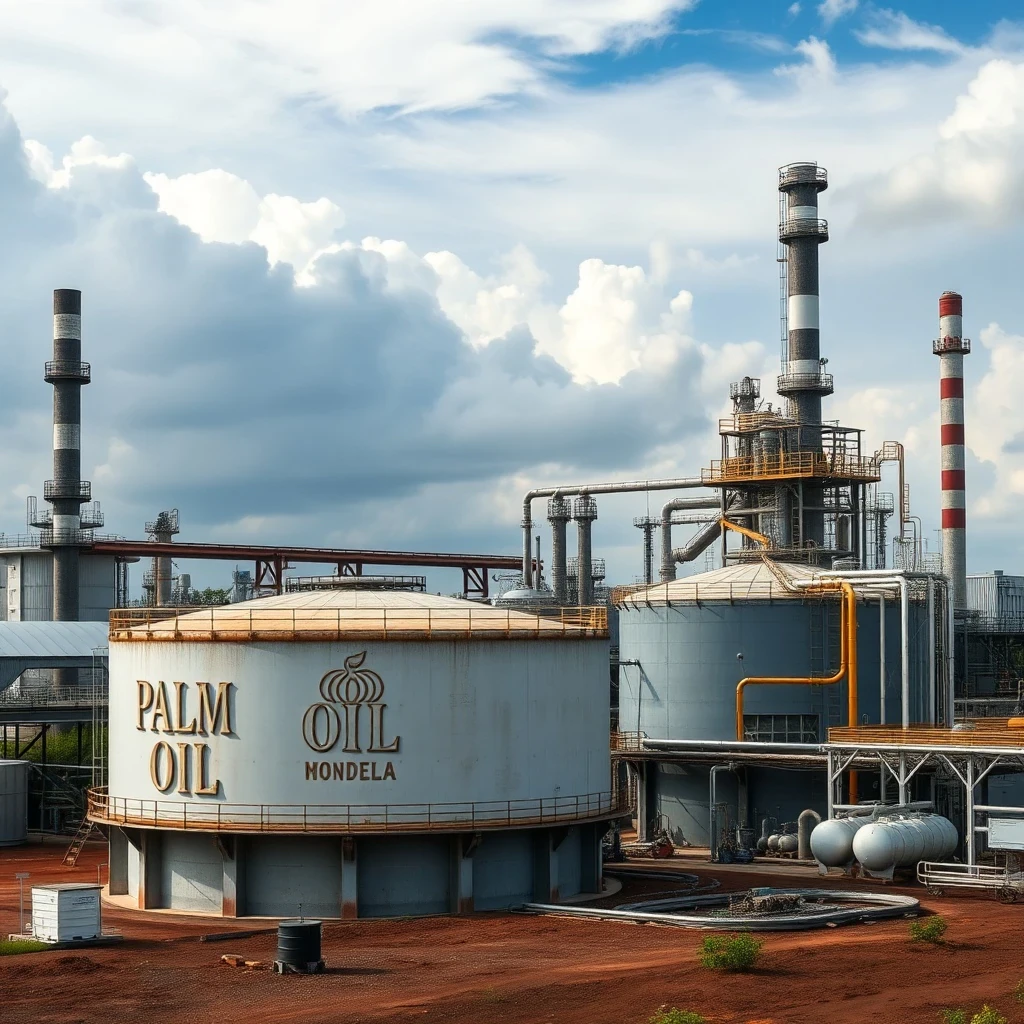
Southeast Asia’s biofuel mandates are tightening the palm oil supply outlook, with Indonesia’s B50 programme now operational and other Asian economies moving to raise their blend rates. The shift is reducing the volume of palm oil available for discretionary blending, as sources note that rising mandated use leaves little room for flexible allocation.
Indonesia formally launched its B50 biodiesel mandate in mid-July, requiring a 50% palm-oil-based biodiesel blend in diesel fuel. The policy is expected to lift domestic palm oil consumption by several million tonnes per year, tightening exportable supplies and providing a structural floor under CPO prices. The move has been flagged by India’s central bank as a key factor behind the broad-based rise in edible oil prices, with the RBI linking Indonesia’s mandate to global price spillovers.
Meanwhile, the sharp decline in crude oil prices — Brent crude fell 1.3% to around $89 per barrel in the latest session — has complicated the economics of biodiesel blending. A sustained drop below $70, as flagged in recent market commentary, would reduce the incentive for voluntary blending outside mandated programmes. However, because mandates are legally binding in Indonesia and increasingly elsewhere, the demand impact from lower crude is limited to non-mandated markets.
On the trade policy front, Nepal’s duty-free edible oil exports to India are under renewed scrutiny. Indian producers have raised concerns that refined palm oil products routed through Nepal are entering India at a tariff advantage, undermining domestic processors. The issue has gained traction in policy circles, with multiple media reports highlighting the tension between regional trade preferences and the need to protect India’s own refining capacity.
For compliance-minded buyers, the combination of rising Asian mandates and potential tariff adjustments in the Indian subcontinent means supply chains are facing both volume constraints and regulatory uncertainty. The MPOB’s June data showed Malaysian stocks rising to 1.33 million tonnes, offering some near-term buffer, but the structural demand shift from biodiesel policy is likely to keep the market tight over the medium term.
Our model outlook expects CPO to trade in a choppy, slightly upward-biased range over the next seven days, with support from crude oil’s recent rebound and a firm ringgit, while ample Malaysian stocks and a sharp decline in Indian June imports cap gains. Market positioning ahead of the mid-August MPOB release may add volatility.
Sources: The Kathmandu Post; AgroSpectrum India; Quantum Commodity Intelligence; livemint.com; Oils & Fats International; The Jakarta Post
Dry conditions in key Indonesian growing zones contrast with normal rains in Malaysia, pointing to lagged yield losses from the ongoing El Niño event.
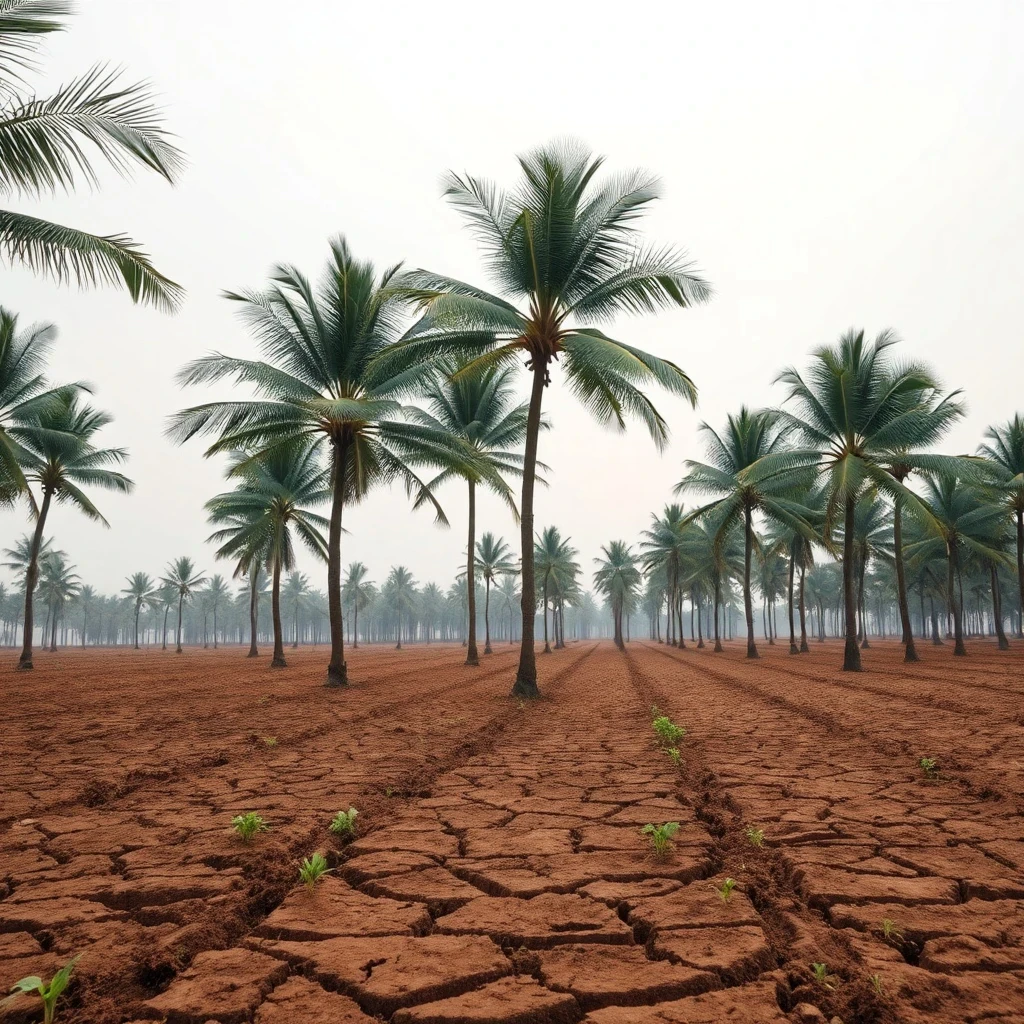
The current El Niño episode, with an ONI of +1.0, continues to influence rainfall patterns across the Malaysian and Indonesian palm belts, posing a mixed near-term outlook for fresh fruit bunch yields and harvest logistics.
Indonesia’s key producing region of Kalimantan is experiencing notably dry conditions, according to recent rainfall data. This is consistent with the typical El Niño footprint, which suppresses convective activity over parts of the archipelago. While the immediate impact on harvesting is limited—dry weather aids field access and fruit collection—the lack of soil moisture is a concern for fruit development over the coming months.
Palm oil yields respond to water stress with a lag of 6-12 months, as reduced rainfall during the flowering and fruit-set stages leads to smaller bunch weights at harvest. The current dryness in Kalimantan suggests that output from this region could face downward pressure in late 2026 and early 2027, particularly if the El Niño persists or transitions slowly.
In contrast, rainfall across Peninsular Malaysia and Sabah/Sarawak has been near normal in the past week. This supports ongoing harvesting and mill operations, though any sudden heavy downpours could disrupt collection and transport. Malaysian production is currently at seasonal peak, with MPOB June data showing CPO output of 1.64 million tonnes, up 8.1% month-on-month. Stocks have risen to 1.33 million tonnes, reflecting ample supply in the near term.
Sumatra, Indonesia’s largest palm-producing island, has seen a mixed rainfall pattern. Some areas received adequate precipitation, while others are beginning to show signs of moisture deficit. The region remains a key watch point; any sustained dry spell would amplify the lagged yield impact from the broader El Niño event.
Our model outlook expects CPO to trade in a choppy, slightly upward-biased range over the next seven days. A firm ringgit and recovering crude oil prices provide support, while ample Malaysian stocks and weaker Indian import demand cap gains. The wide palm-soyoil spread continues to encourage demand switching, but the underlying weather risk from El Niño could tighten fundamentals into late 2026.
Traders will watch the mid-August MPOB data release for confirmation of production trends. Any further deterioration in Kalimantan’s rainfall will reinforce the narrative of a lagged output decline, potentially supporting forward premiums. For now, the market remains balanced between near-term supply abundance and medium-term weather risk.
A practical guide to FFA, IV, M&I and colour for procurement managers entering the palm oil market.
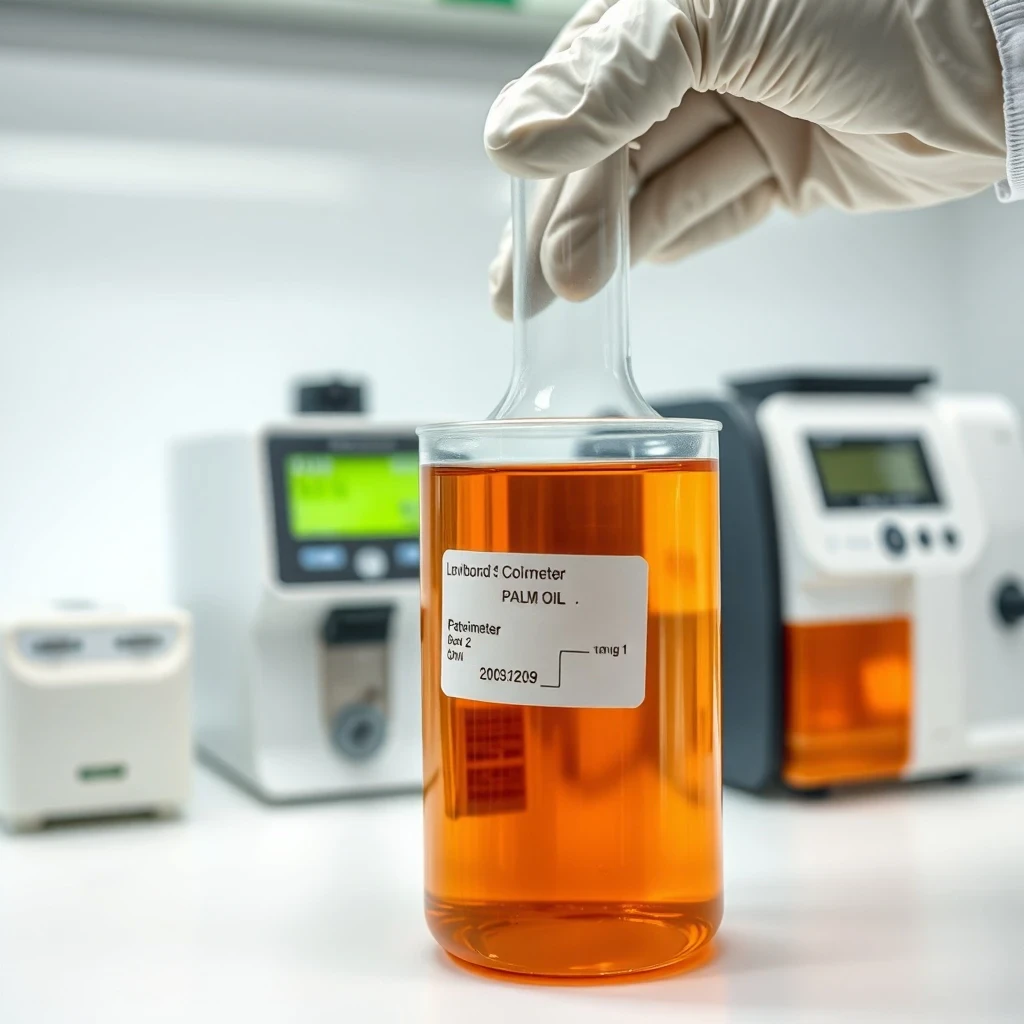
For first-time buyers of crude or refined palm oil, understanding a few core specifications is essential to avoid costly mismatches between delivered product and intended use. Palm oil is a commodity traded on physical characteristics, not just brand or origin. Four parameters — free fatty acid (FFA), iodine value (IV), moisture and impurities (M&I), and colour — form the foundation of most purchase contracts.
FFA measures the degree of oil breakdown. High FFA indicates hydrolysis, often from poor harvesting or storage. Crude palm oil (CPO) typically has an FFA of about 3-5%, while refined, bleached and deodorised (RBD) palm oil requires FFA below 0.1%. Buyers must specify the maximum FFA allowed at the time of loading; a higher FFA may mean a price discount or rejection. For food applications, low FFA is critical for shelf life and flavour stability.
IV indicates the degree of unsaturation in the oil, which correlates with melting point and hardness. Palm oil IV typically ranges from about 50-55. A higher IV means softer oil, better for liquid blends; a lower IV gives harder fat suitable for shortenings. First-time buyers should confirm the IV range that matches their end product. Mismatched IV can cause processing difficulties or final product defects.
M&I covers water content and solid contaminants like dirt, fibre or metal traces. Standard contracts for CPO limit M&I to a combined maximum of about 0.5%. Excess moisture promotes microbial growth and accelerates FFA rise; impurities can damage refining equipment. Buyers should insist on a certificate of analysis from an independent surveyor at loading and discharge.
Colour is assessed using the Lovibond scale (red units). CPO is typically dark red-brown, while RBD palm oil is specified at a maximum of about 3 red units. Colour affects marketability in food and oleochemical applications. A darker-than-agreed colour may indicate oxidation or poor refining. First-time buyers should specify the maximum colour at destination and include a re-test clause if visual inspection suggests non-compliance.
Understanding these four parameters gives first-time buyers the confidence to negotiate fair contracts and avoid common pitfalls in the palm oil trade.
Our market desk connects serious buyers with vetted origin suppliers across Southeast Asia. Indicative pricing, specifications and shipment guidance — free of charge.
Get connected →Indonesia’s B50 rollout and rising regional mandates curb discretionary blending, while Nepal’s duty-free exports to India face scrutiny.
Dry conditions in key Indonesian growing zones contrast with normal rains in Malaysia, pointing to lagged yield losses from the ongoing El Niño event.
A practical guide to FFA, IV, M&I and colour for procurement managers entering the palm oil market.
Malaysian CPO edges up 0.2% to $1104/MT; MPOB data shows rising production and stocks while crude oil and biodiesel mandates lend support.
Malaysian crude palm oil futures held near the $1104/MT mark on Thursday, gaining 0.2% from the prior session as a firmer crude oil market and bargain buying provided a floor. The global benchmark stood at about $1105/MT, while Indonesia's reference price was set around $1030/MT. The ringgit traded at 4.09 per dollar, adding a layer of cost support for ringgit-denominated contracts.
The latest MPOB data for June 2026 showed Malaysian CPO production at 1,638,777 tonnes, up 8.1% month-on-month, pushing closing stocks to 1,332,697 tonnes (+3.7% MoM). Exports rose 6.2% to 1,204,013 tonnes, while imports more than doubled to 103,113 tonnes, reflecting active regional arbitrage. Fresh fruit bunch reference prices slipped 1.3% to RM 48.90. The ongoing El Niño (ONI +1.0) continues to bring dry conditions to parts of Kalimantan, though key growing regions in Malaysia have so far avoided severe stress.
Brent crude fell 1.3% to about $89/bbl, yet remained elevated enough to sustain biodiesel blending economics. Indonesia's rollout of the B50 biodiesel mandate — confirmed in recent weeks — underpins structural demand growth for palm oil as a fuel feedstock. However, India's edible oil imports dropped 30% in June, with palm and soybean oil shipments both declining sharply, capping near-term buying momentum. Reports of Nepal's duty-free edible oil exports to India also continue to stir tariff-arbitrage concerns among Indian crushers.
Our model outlook sees CPO trading in a choppy, slightly upward-biased range over the next seven days. A wide palm-soyoil spread is encouraging demand switching, while crowded speculative longs in the soy complex limit upside. Traders are positioning ahead of the mid-August MPOB release, which could inject additional volatility. The interplay between firm crude, biodiesel mandates, and ample Malaysian stocks will keep prices in a tight band.
Watch for further cues from crude oil direction and any shifts in Indian import pace ahead of the festival season. The B50 mandate in Indonesia remains a structural demand driver, but near-term price gains may be capped by high stocks and subdued Indian buying.