
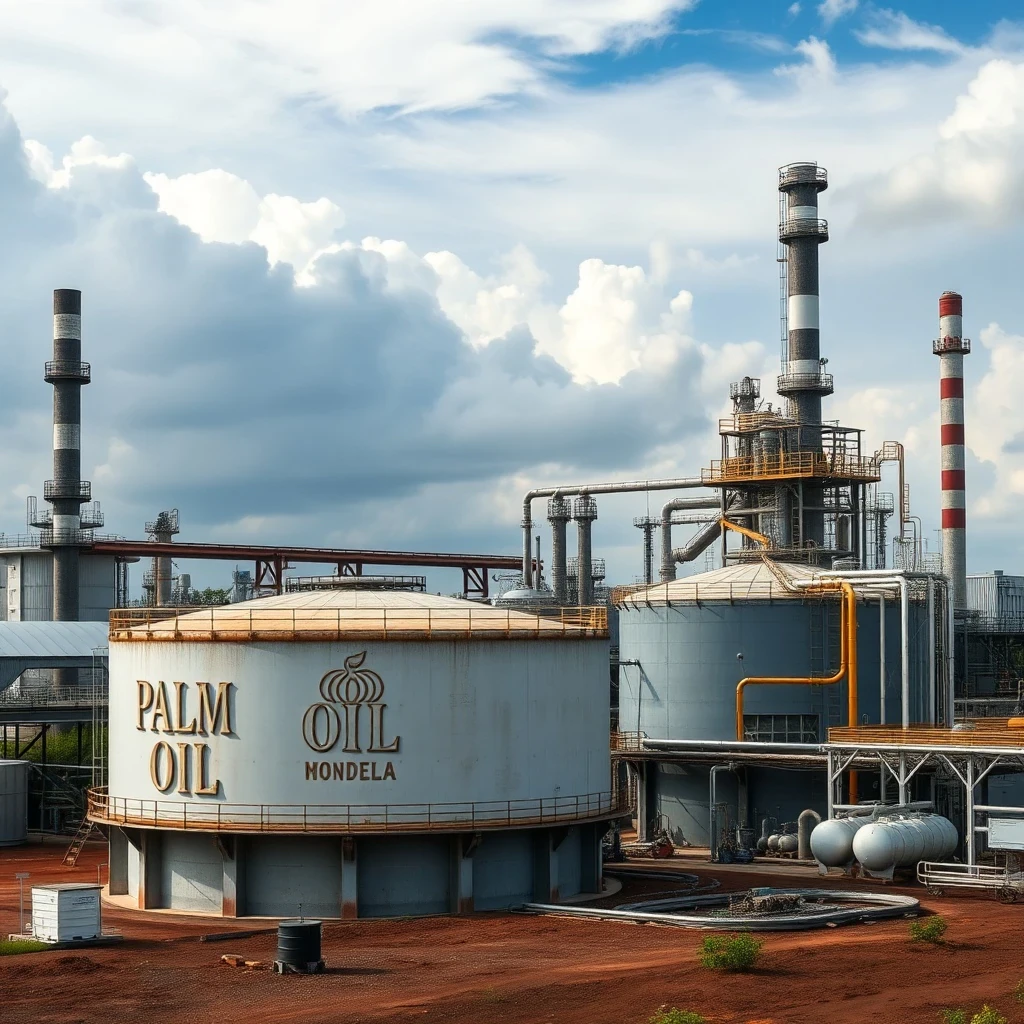
Southeast Asia’s biofuel mandates are tightening the palm oil supply outlook, with Indonesia’s B50 programme now operational and other Asian economies moving to raise their blend rates. The shift is reducing the volume of palm oil available for discretionary blending, as sources note that rising mandated use leaves little room for flexible allocation.
Indonesia formally launched its B50 biodiesel mandate in mid-July, requiring a 50% palm-oil-based biodiesel blend in diesel fuel. The policy is expected to lift domestic palm oil consumption by several million tonnes per year, tightening exportable supplies and providing a structural floor under CPO prices. The move has been flagged by India’s central bank as a key factor behind the broad-based rise in edible oil prices, with the RBI linking Indonesia’s mandate to global price spillovers.
Meanwhile, the sharp decline in crude oil prices — Brent crude fell 1.3% to around $89 per barrel in the latest session — has complicated the economics of biodiesel blending. A sustained drop below $70, as flagged in recent market commentary, would reduce the incentive for voluntary blending outside mandated programmes. However, because mandates are legally binding in Indonesia and increasingly elsewhere, the demand impact from lower crude is limited to non-mandated markets.
On the trade policy front, Nepal’s duty-free edible oil exports to India are under renewed scrutiny. Indian producers have raised concerns that refined palm oil products routed through Nepal are entering India at a tariff advantage, undermining domestic processors. The issue has gained traction in policy circles, with multiple media reports highlighting the tension between regional trade preferences and the need to protect India’s own refining capacity.
For compliance-minded buyers, the combination of rising Asian mandates and potential tariff adjustments in the Indian subcontinent means supply chains are facing both volume constraints and regulatory uncertainty. The MPOB’s June data showed Malaysian stocks rising to 1.33 million tonnes, offering some near-term buffer, but the structural demand shift from biodiesel policy is likely to keep the market tight over the medium term.
Our model outlook expects CPO to trade in a choppy, slightly upward-biased range over the next seven days, with support from crude oil’s recent rebound and a firm ringgit, while ample Malaysian stocks and a sharp decline in Indian June imports cap gains. Market positioning ahead of the mid-August MPOB release may add volatility.