Policy & Energy Watch: Indonesia B50, Nepal Trade, EUDR Exemptions Shape Palm Oil Demand
Biodiesel mandates, trade disputes and regulatory shifts redefine market dynamics for palm oil buyers

Malaysian CPO benchmark falls 1.6% to $1108/MT, pressured by profit-taking and weaker crude oil.
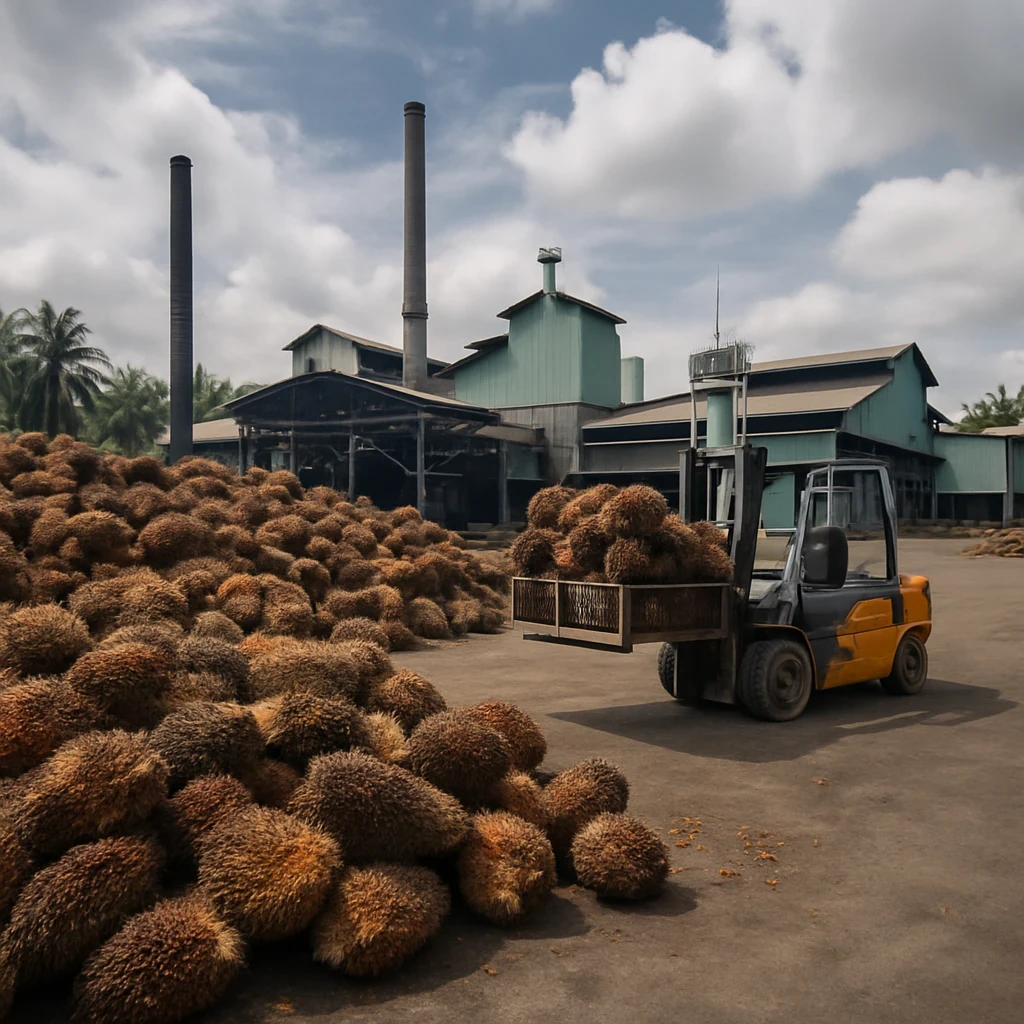
Malaysian crude palm oil futures closed lower on Tuesday, with the benchmark contract slipping 1.6% to about $1108 per metric ton, as profit-taking after a recent rally and weaker rival oils weighed on sentiment. Brent crude fell 1.8% to $86 per barrel, dampening biodiesel blend economics and adding to bearish pressure.
MPOB June data showed Malaysian CPO production rose 8.1% month-on-month to 1.64 million tons, while closing stocks increased 3.7% to 1.33 million tons. Exports grew 6.2% to 1.20 million tons, but imports surged 135.3% to 103,113 tons, reflecting active inter-market flows. The fresh fruit bunch reference price eased 1.3% to RM 48.90.
Despite the current weakness, demand prospects remain supportive. India's edible oil imports are expected to surge from July through October as buyers build stocks ahead of festivals, according to recent reports. The wide palm-soybean oil spread continues to make palm oil competitively priced in key markets. However, India's June imports fell 30% year-on-year, suggesting some near-term demand softness.
Indonesia's rollout of the B50 biodiesel mandate, noted in recent headlines, is a structural demand booster for palm oil, though rising feedstock consumption has also been flagged by India's central bank as a factor behind elevated edible oil prices. The current El Niño (ONI +1.0) has not significantly disrupted rainfall across key growing regions, keeping production outlooks stable.
Our model outlook points to modest downside in the coming week, with profit-taking and weaker crude oil likely to cap gains. However, the palm-soybean oil spread and anticipated Indian festival buying provide a floor. Mean-reverting dynamics prevail amid low volatility.
Takeaway for buyers: Watch for shifts in crude oil prices and Indian import pace; the current dip may offer near-term buying opportunities ahead of festival-driven demand recovery.
Biodiesel mandates, trade disputes and regulatory shifts redefine market dynamics for palm oil buyers
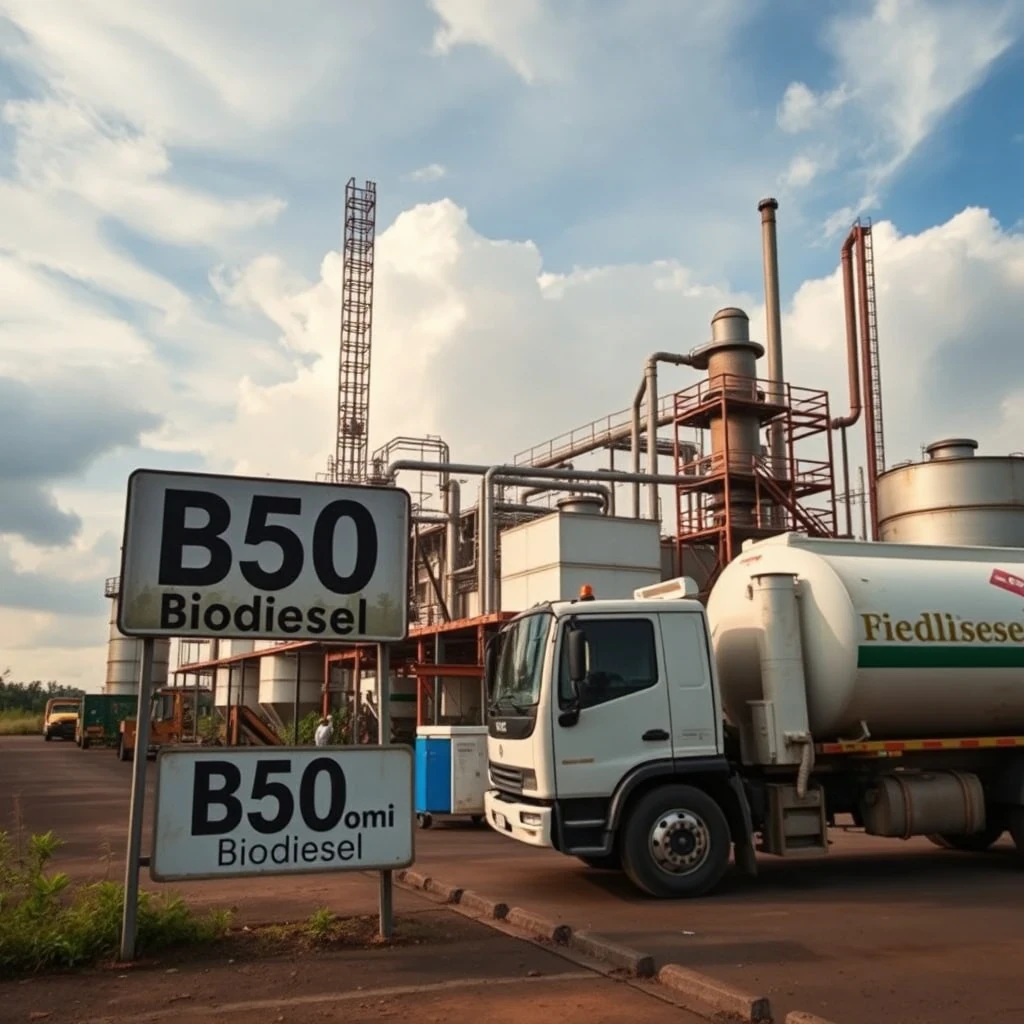
The palm oil market is navigating a complex policy landscape this week, with developments in biodiesel mandates, trade flows and regulatory exemptions influencing supply-demand balances.
Indonesia's rollout of the B50 biodiesel programme, effective mid-July, is a significant demand driver for palm oil. The mandate requires a 50% palm oil-based biodiesel blend, up from previous levels, and is expected to absorb additional domestic supply. This reduces export availability and supports global prices, though the full impact will take months to materialise as blending infrastructure ramps up.
Sources indicate that rising Asian mandates are curtailing discretionary biodiesel blending opportunities, as obligated volumes leave less room for market-driven blending. The B50 policy aligns with Indonesia's broader energy security goals but tightens global palm oil supplies.
Nepal's Rs146 billion edible oil exports to India face scrutiny over tariff advantages. India allows duty-free imports from Nepal under a bilateral trade treaty, but Indian producers argue this is being exploited to re-export refined palm oil sourced from third countries. This could lead to policy adjustments that alter regional trade flows, potentially shifting demand toward direct Malaysian or Indonesian exports.
The EU Deforestation Regulation (EUDR) excludes palm oil waste, highlighting its use in agriculture as a soil amendment or animal feed. This exemption may encourage more waste-derived products, but does not directly affect crude palm oil demand. Compliance-minded buyers are monitoring how waste streams are certified to avoid deforestation-linked supply chains.
Falling crude oil prices, with Brent below $70/bbl in recent sessions, undermine biodiesel blend economics. Cheaper fossil diesel reduces the incentive for biodiesel consumption, potentially capping palm oil's demand from the energy sector. However, mandated volumes under B50 in Indonesia and similar policies in other Asian nations provide a floor.
Our model outlook suggests modest downside pressure on CPO in the near term, driven by profit-taking and weaker crude oil. However, support comes from a wide palm-soybean oil spread and expectations of rising Indian imports ahead of festivals. The mean-reverting regime and low volatility point to range-bound trading, with policy developments as key swing factors.
Sources: The Kathmandu Post; FoodNavigator.com; Quantum Commodity Intelligence; livemint.com; livemint.com; Oils & Fats International
Neutral rainfall across Malaysia and Indonesia offers near-term harvest relief, but lagged El Niño effects on fruit bunch weight remain a watch point.
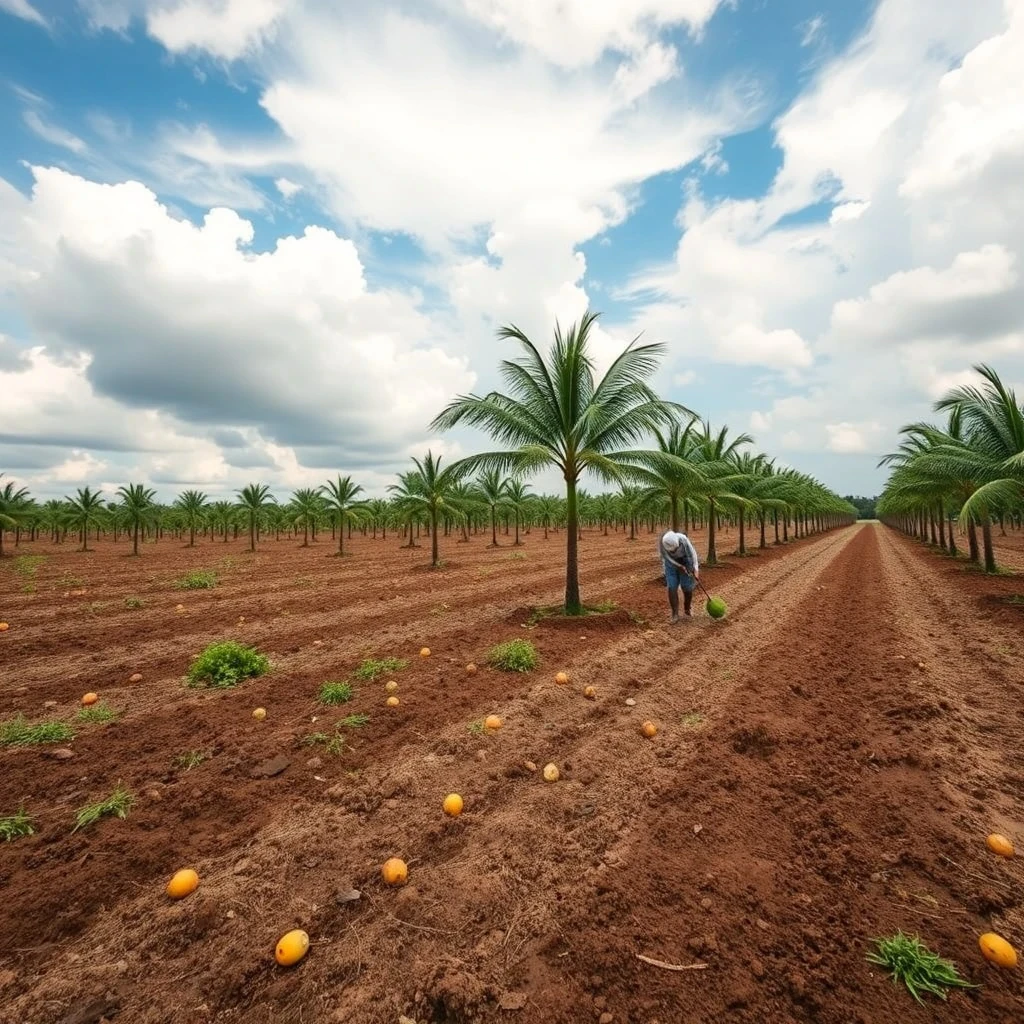
The palm oil producing regions of Malaysia and Indonesia are currently experiencing broadly normal rainfall, according to the latest weather data. This neutral precipitation pattern provides a window for harvesting and logistics to proceed without the disruptions that heavy rain often brings.
The El Niño event, with an ONI index of +1.0, remains in place. The key concern for palm oil production is the well-documented 6-12 month lag between dry conditions and reduced fruit bunch weight. While the current rainfall is adequate, the stress from earlier dry months may still be feeding through into lower yields in the coming quarters. Producers should monitor fruit bunch development closely, as the full impact of the 2025/26 El Niño may not yet be fully reflected in production figures.
For the immediate outlook, the absence of heavy rain is a positive. Harvesting teams can access fields without waterlogging, and fruit collection and transport to mills face fewer delays. This supports a steady flow of fresh fruit bunches (FFB) to processing facilities, which is critical for maintaining crude palm oil (CPO) quality and output.
In Malaysia, the MPOB June data showed CPO production rising 8.1% month-on-month to 1.64 million tonnes, partly aided by favourable weather. The normal rainfall pattern is likely to sustain this operational momentum in July and August.
Indonesia’s main producing regions on Sumatra and Kalimantan are also experiencing normal rainfall. This supports the ongoing harvest season and helps maintain the country's robust export supply chain. The absence of extreme weather reduces the risk of sudden production dips that can tighten global supply.
The neutral weather backdrop comes at a time when CPO prices are under modest pressure. The Malaysian benchmark fell 1.6% to around $1,108 per tonne, influenced by weaker crude oil prices and profit-taking after a recent spike. However, the wide palm-soybean oil spread and expectations of rising Indian imports ahead of festivals provide underlying support.
Our model outlook suggests CPO is likely to see modest downside in the coming week, but mean-reverting conditions and low volatility prevail. The normal rainfall regime reduces the chance of weather-driven supply shocks, keeping the market focused on demand-side factors and broader vegetable oil dynamics.
For now, the palm belt’s weather is a non-factor for near-term yields. The focus should remain on the lagged effects of El Niño and any shift in the ENSO forecast toward La Niña, which would bring wetter conditions and potentially disrupt harvesting later in the year. Producers and traders should watch for any change in the rainfall outlook that could alter the current balanced supply picture.
Our market desk connects serious buyers with vetted origin suppliers across Southeast Asia. Indicative pricing, specifications and shipment guidance — free of charge.
Get connected →Biodiesel mandates, trade disputes and regulatory shifts redefine market dynamics for palm oil buyers
Neutral rainfall across Malaysia and Indonesia offers near-term harvest relief, but lagged El Niño effects on fruit bunch weight remain a watch point.
Malaysian CPO benchmark falls 1.6% to $1108/MT, pressured by profit-taking and weaker crude oil.
Malaysian crude palm oil futures closed lower on Tuesday, with the benchmark contract slipping 1.6% to about $1108 per metric ton, as profit-taking after a recent rally and weaker rival oils weighed on sentiment. Brent crude fell 1.8% to $86 per barrel, dampening biodiesel blend economics and adding to bearish pressure.
MPOB June data showed Malaysian CPO production rose 8.1% month-on-month to 1.64 million tons, while closing stocks increased 3.7% to 1.33 million tons. Exports grew 6.2% to 1.20 million tons, but imports surged 135.3% to 103,113 tons, reflecting active inter-market flows. The fresh fruit bunch reference price eased 1.3% to RM 48.90.
Despite the current weakness, demand prospects remain supportive. India's edible oil imports are expected to surge from July through October as buyers build stocks ahead of festivals, according to recent reports. The wide palm-soybean oil spread continues to make palm oil competitively priced in key markets. However, India's June imports fell 30% year-on-year, suggesting some near-term demand softness.
Indonesia's rollout of the B50 biodiesel mandate, noted in recent headlines, is a structural demand booster for palm oil, though rising feedstock consumption has also been flagged by India's central bank as a factor behind elevated edible oil prices. The current El Niño (ONI +1.0) has not significantly disrupted rainfall across key growing regions, keeping production outlooks stable.
Our model outlook points to modest downside in the coming week, with profit-taking and weaker crude oil likely to cap gains. However, the palm-soybean oil spread and anticipated Indian festival buying provide a floor. Mean-reverting dynamics prevail amid low volatility.
Takeaway for buyers: Watch for shifts in crude oil prices and Indian import pace; the current dip may offer near-term buying opportunities ahead of festival-driven demand recovery.