
The palm oil market is navigating a complex policy landscape this week, with developments in biodiesel mandates, trade flows and regulatory exemptions influencing supply-demand balances.
Indonesia's B50 Mandate Boosts Domestic Demand
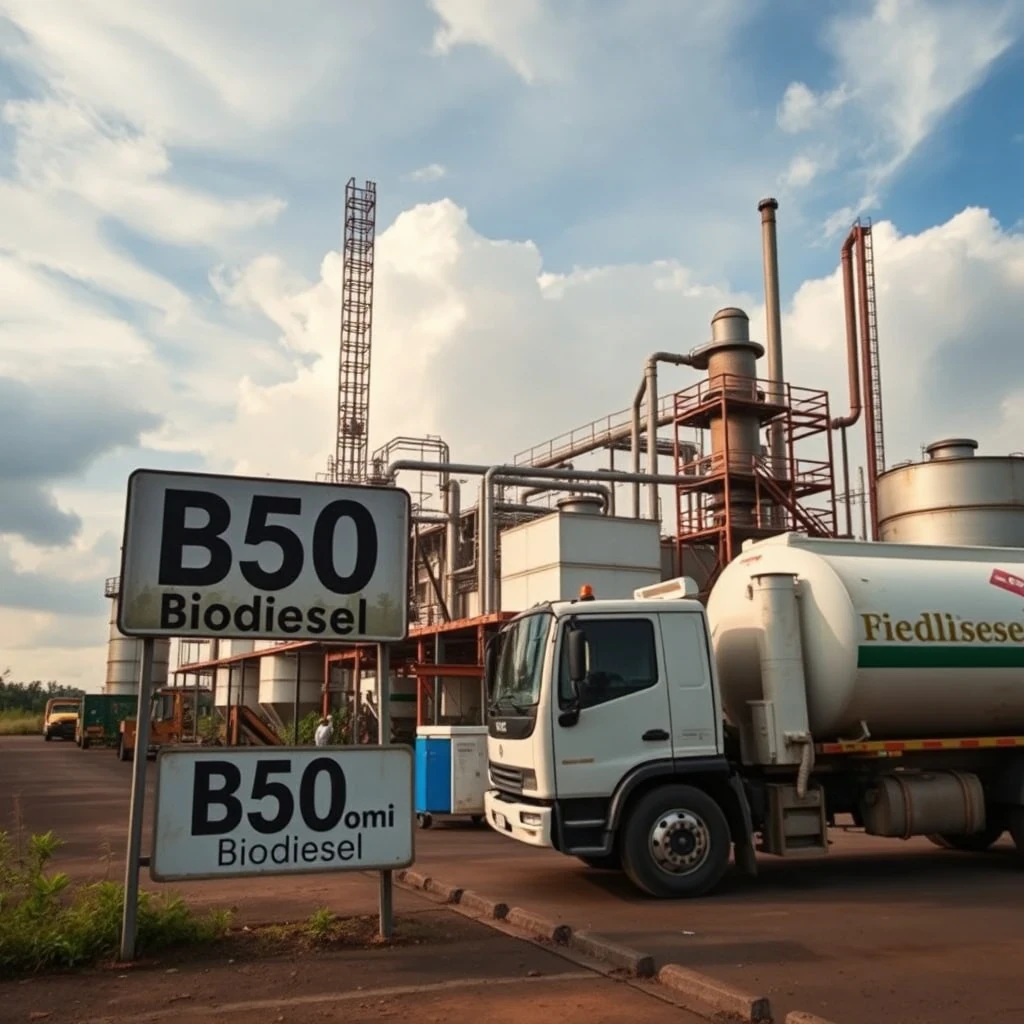
Indonesia's rollout of the B50 biodiesel programme, effective mid-July, is a significant demand driver for palm oil. The mandate requires a 50% palm oil-based biodiesel blend, up from previous levels, and is expected to absorb additional domestic supply. This reduces export availability and supports global prices, though the full impact will take months to materialise as blending infrastructure ramps up.
Sources indicate that rising Asian mandates are curtailing discretionary biodiesel blending opportunities, as obligated volumes leave less room for market-driven blending. The B50 policy aligns with Indonesia's broader energy security goals but tightens global palm oil supplies.
Nepal Edible Oil Exports Under Scrutiny
Nepal's Rs146 billion edible oil exports to India face scrutiny over tariff advantages. India allows duty-free imports from Nepal under a bilateral trade treaty, but Indian producers argue this is being exploited to re-export refined palm oil sourced from third countries. This could lead to policy adjustments that alter regional trade flows, potentially shifting demand toward direct Malaysian or Indonesian exports.
EUDR Exemptions for Palm Oil Waste
The EU Deforestation Regulation (EUDR) excludes palm oil waste, highlighting its use in agriculture as a soil amendment or animal feed. This exemption may encourage more waste-derived products, but does not directly affect crude palm oil demand. Compliance-minded buyers are monitoring how waste streams are certified to avoid deforestation-linked supply chains.
Crude Oil Weakness and Biodiesel Economics
Falling crude oil prices, with Brent below $70/bbl in recent sessions, undermine biodiesel blend economics. Cheaper fossil diesel reduces the incentive for biodiesel consumption, potentially capping palm oil's demand from the energy sector. However, mandated volumes under B50 in Indonesia and similar policies in other Asian nations provide a floor.
Market Outlook
Our model outlook suggests modest downside pressure on CPO in the near term, driven by profit-taking and weaker crude oil. However, support comes from a wide palm-soybean oil spread and expectations of rising Indian imports ahead of festivals. The mean-reverting regime and low volatility point to range-bound trading, with policy developments as key swing factors.