Indonesia’s B50 Mandate Fuels Palm Oil Rally, Policy Scrutiny Intensifies
Biodiesel demand prospects and supply concerns push palm oil to three-month high.

CPO futures steady on biodiesel demand prospects and supply squeeze concerns, with the market eyeing India’s import surge ahead of festivals.
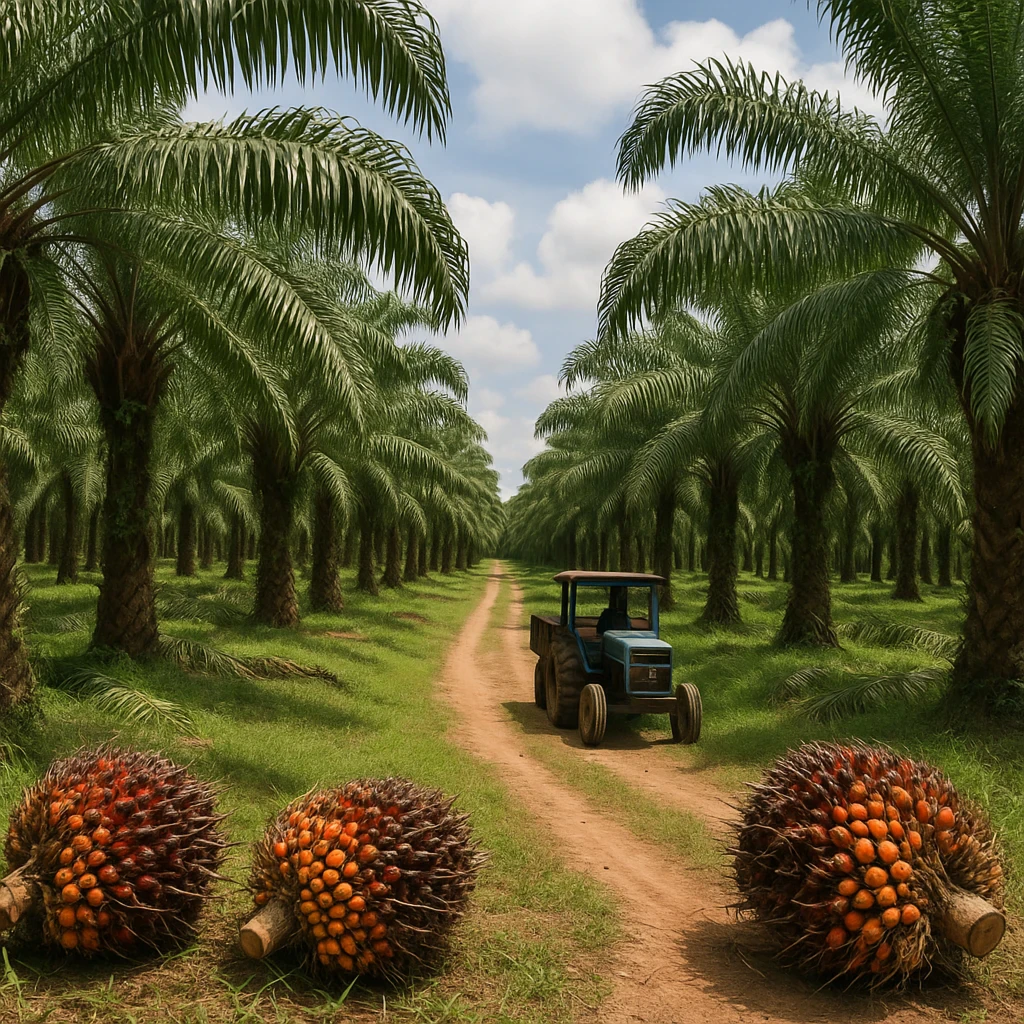
Crude palm oil (CPO) futures held near a three-month high on Thursday, supported by a confluence of supply risks and robust biodiesel demand signals. The benchmark contract on Bursa Malaysia Derivatives remained elevated after climbing in the previous session, as traders weighed Indonesia’s B50 biodiesel rollout against tightening supply expectations.
Indonesia’s B50 biodiesel mandate, launched earlier this month, continues to underpin the market. The policy is expected to absorb additional palm oil volumes, tightening global availability. The Reserve Bank of India flagged biofuel production as a key driver of elevated edible oil prices, citing Indonesia’s mandate in a recent report. The RBI’s commentary reinforces the structural demand shift from energy policy, which analysts say could keep prices elevated even as other vegetable oils ease.
Malaysian palm oil futures have rallied on concerns over a supply squeeze, with production in the world’s second-largest producer facing seasonal headwinds. The Malaysian Palm Oil Council projected CPO prices to stay in a RM4,400–RM4,650 per tonne range for August, reflecting a market caught between tight supply and cautious demand. Meanwhile, rival edible oils and crude oil have firmed, providing additional support to palm oil. The Middle East conflict continues to inject volatility into crude markets, strengthening the correlation between vegetable oil and energy prices.
India, the world’s largest vegetable oil importer, is expected to see edible oil imports surge from July through October as buyers stock up ahead of the festival season. This seasonal demand spike comes at a time when global supplies are already stretched. However, concerns over duty-free imports from Nepal are creating friction for domestic Indian producers. Experts have urged India to make import duties more flexible to balance the needs of consumers and crushers. The country’s heavy reliance on imports, highlighted by recent geopolitical risks, remains a key vulnerability for the market.
Despite the futures rally, physical market demand remains constrained. Buyers on the spot market are showing limited appetite at current elevated levels, with end-users preferring to draw down inventories rather than chase prices. This divergence between paper and physical markets suggests that the upside may be capped unless fresh supply disruptions emerge.
Buyers should monitor Indonesia’s B50 implementation pace and any further supply-side shocks from weather or geopolitical events. India’s import pace ahead of Diwali will be a key demand indicator, while any shift in crude oil prices could quickly spill over into vegetable oil markets.
Sources: Deccan Chronicle; Business Recorder; livemint.com; Business Recorder; finance.biggo.com; The Economic Times
Biodiesel demand prospects and supply concerns push palm oil to three-month high.
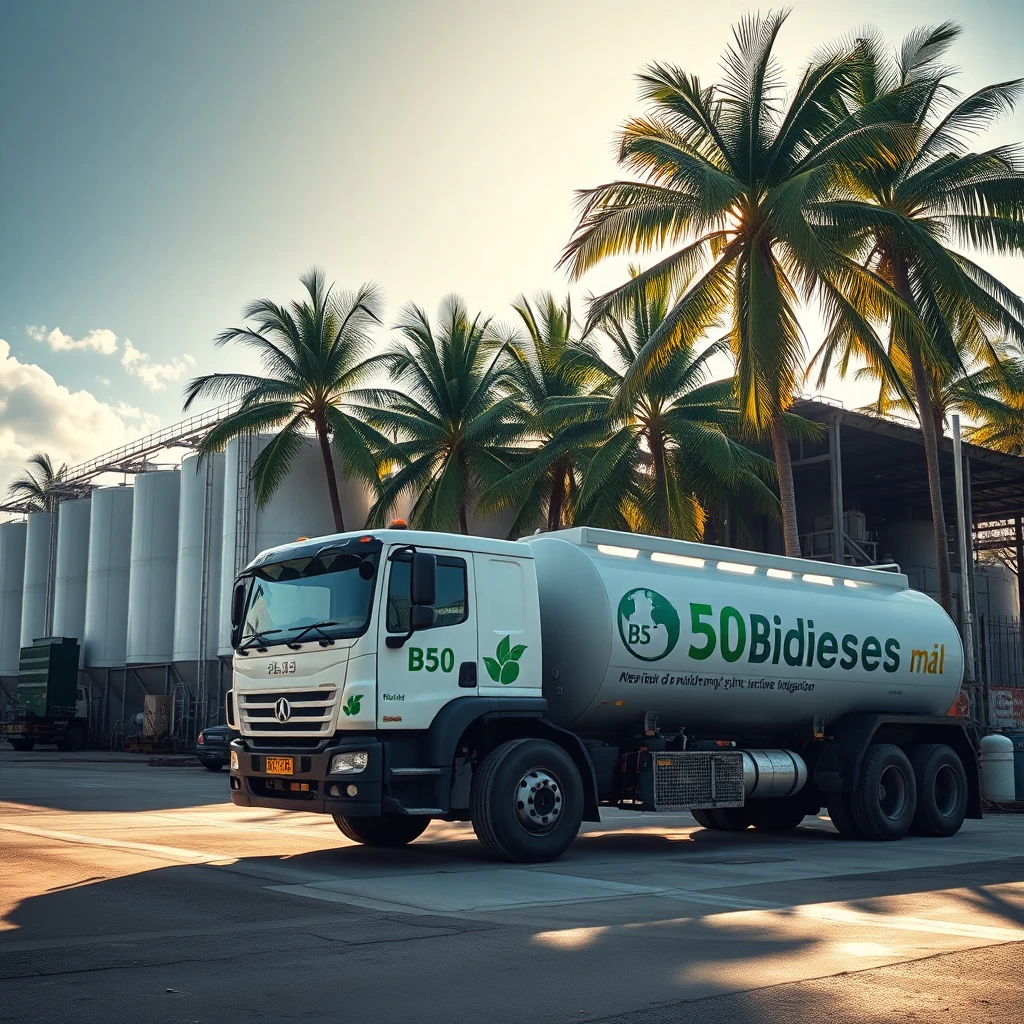
Palm oil futures climbed to a three-month high this week, driven by mounting supply risks and renewed biodiesel demand prospects following Indonesia’s rollout of its B50 biodiesel programme.
The mandatory B50 blend—requiring 50% palm oil-based biodiesel in diesel fuel—was officially launched in mid-July, with implementation details still being phased in. Analysts expect the mandate to absorb an additional 2-3 million tonnes of crude palm oil annually, tightening global availability at a time when production growth in key regions remains subdued.
India’s central bank, the Reserve Bank of India, has linked the broad-based rise in edible oil prices to expanding biofuel mandates, specifically citing Indonesia’s B50 policy. In its latest monetary policy report, the RBI noted that diversion of vegetable oils for fuel production is exerting upward pressure on cooking oil prices across Asia, raising food inflation concerns.
This marks a rare direct acknowledgment by a major central bank of the structural demand shift biofuels are creating in edible oil markets. Compliance-minded buyers, particularly in price-sensitive importing nations, are now reassessing their procurement strategies amid expectations of sustained higher prices.
Beyond policy-driven demand, physical supply constraints are adding to the bullish narrative. Seasonal production patterns in Malaysia and Indonesia have been uneven, while labour shortages and ageing trees continue to cap output growth. The combination of tighter supply and policy-induced demand has pushed benchmark palm oil contracts to levels not seen since April.
For palm oil importers and downstream users, the B50 mandate signals a structural shift in the market’s demand base. Buyers focused on sustainability compliance face the dual challenge of securing certified sustainable palm oil volumes in a tightening market while managing cost exposure.
Regulatory attention is also growing. India’s scrutiny of duty-free edible oil imports from Nepal—which some producers say are being used to circumvent tariffs—highlights the complex trade flows emerging as palm oil prices rise. Meanwhile, Indonesia’s policy could prompt other biodiesel adopters to review their blending targets, potentially amplifying demand further.
Market participants will closely watch Indonesia’s B50 implementation pace and any adjustments to export levies that might accompany the programme. For now, the policy-driven demand shock is the dominant force shaping palm oil’s near-term trajectory.
A step-by-step look at the critical first day of an oil palm fruit bunch, from field to mill.
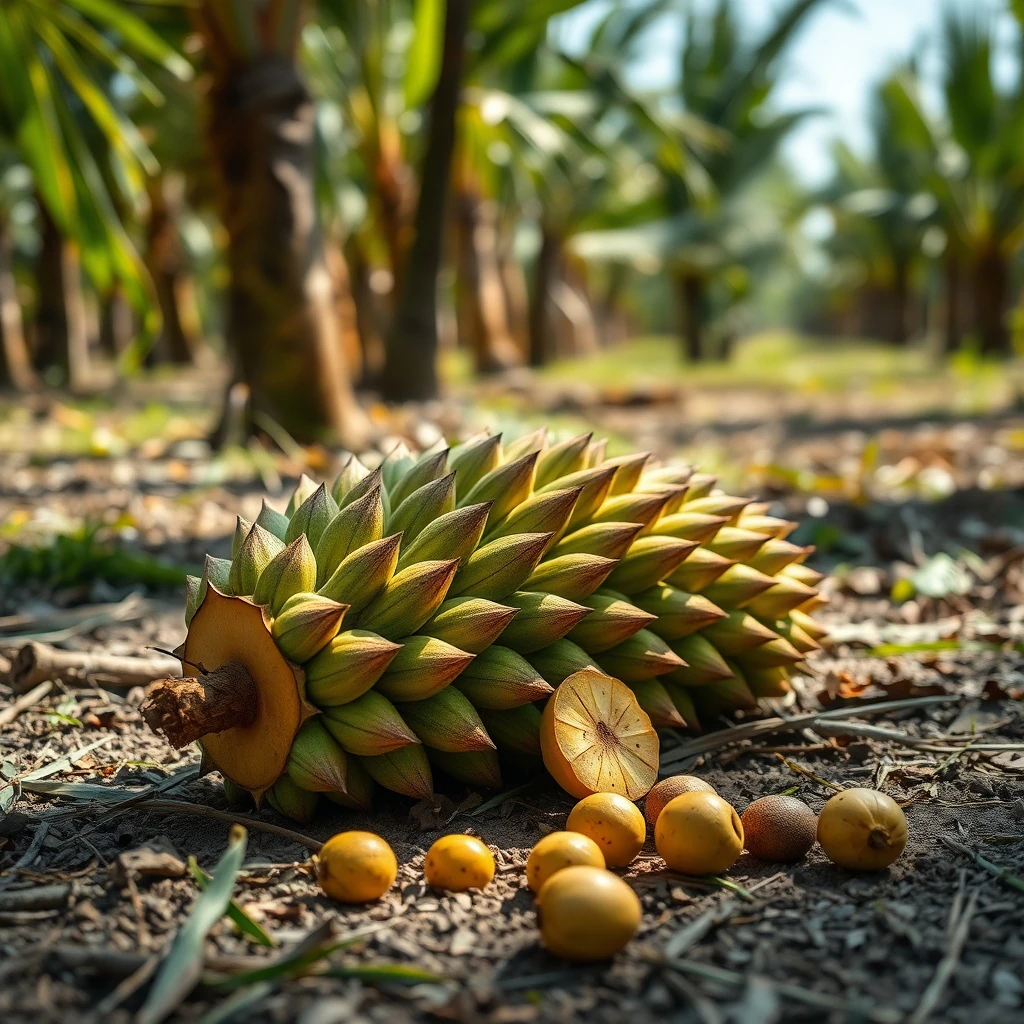
For procurement managers and first-time buyers, understanding the immediate post-harvest handling of the oil palm fruit is essential. The quality of crude palm oil (CPO) is largely determined in the first 24 hours after the fresh fruit bunches (FFB) are cut.
Harvesting begins when the fruit bunches are ripe, indicated by a few loose fruits on the ground. Workers cut the bunch using a long-handled chisel or sickle. The bunch is then placed on the ground, and loose fruits are gathered. This is a manual process, even on large plantations.
Time is the enemy of oil quality. The cut bunch continues to respire, generating heat. If left too long, the natural oil begins to break down, raising free fatty acid (FFA) levels. A high FFA content reduces oil quality and yield. Therefore, FFB are typically transported to the mill within 24 hours of harvest, often much sooner. Trucks or small tractors move the bunches from the field to a central collection point, then to the mill.
At the mill, the FFB are first weighed and inspected. They are then loaded into large horizontal cages called sterilizers. Sterilization is a high-pressure steaming process that lasts about 90 minutes. This stops the enzymatic breakdown of oil, softens the fruit, and loosens the fruitlets from the bunch. It is the most critical step in preserving oil quality.
After sterilization, the bunches are fed into a rotary drum thresher, which separates the fruitlets from the empty bunch stalks. The stalks are often used as fuel. The fruitlets then go to a digester, a heated tank with rotating arms that mash the fruit into a homogeneous oily mash.
The mash is then pressed in a screw press, squeezing out a mixture of crude oil, water, and solids. This mixture is sent to a clarification station, where it is heated and settled. Oil rises to the top, while water and solids settle. The crude oil is then centrifuged, dried, and stored in tanks for refining or export. The entire process, from harvest to crude oil storage, is designed to be completed within this tight 24-hour window to maximize yield and quality.
For buyers, the key takeaway is that the freshness of FFB directly impacts the FFA content of the CPO. Mills that enforce strict 24-hour delivery windows consistently produce lower-FFA oil, which is more valuable for refining into cooking oil, margarine, and industrial fats. A mill's ability to manage this logistics chain is a strong indicator of its operational discipline.
Our market desk connects serious buyers with vetted origin suppliers across Southeast Asia. Indicative pricing, specifications and shipment guidance — free of charge.
Get connected →Biodiesel demand prospects and supply concerns push palm oil to three-month high.
A step-by-step look at the critical first day of an oil palm fruit bunch, from field to mill.
CPO futures steady on biodiesel demand prospects and supply squeeze concerns, with the market eyeing India’s import surge ahead of festivals.
Crude palm oil (CPO) futures held near a three-month high on Thursday, supported by a confluence of supply risks and robust biodiesel demand signals. The benchmark contract on Bursa Malaysia Derivatives remained elevated after climbing in the previous session, as traders weighed Indonesia’s B50 biodiesel rollout against tightening supply expectations.
Indonesia’s B50 biodiesel mandate, launched earlier this month, continues to underpin the market. The policy is expected to absorb additional palm oil volumes, tightening global availability. The Reserve Bank of India flagged biofuel production as a key driver of elevated edible oil prices, citing Indonesia’s mandate in a recent report. The RBI’s commentary reinforces the structural demand shift from energy policy, which analysts say could keep prices elevated even as other vegetable oils ease.
Malaysian palm oil futures have rallied on concerns over a supply squeeze, with production in the world’s second-largest producer facing seasonal headwinds. The Malaysian Palm Oil Council projected CPO prices to stay in a RM4,400–RM4,650 per tonne range for August, reflecting a market caught between tight supply and cautious demand. Meanwhile, rival edible oils and crude oil have firmed, providing additional support to palm oil. The Middle East conflict continues to inject volatility into crude markets, strengthening the correlation between vegetable oil and energy prices.
India, the world’s largest vegetable oil importer, is expected to see edible oil imports surge from July through October as buyers stock up ahead of the festival season. This seasonal demand spike comes at a time when global supplies are already stretched. However, concerns over duty-free imports from Nepal are creating friction for domestic Indian producers. Experts have urged India to make import duties more flexible to balance the needs of consumers and crushers. The country’s heavy reliance on imports, highlighted by recent geopolitical risks, remains a key vulnerability for the market.
Despite the futures rally, physical market demand remains constrained. Buyers on the spot market are showing limited appetite at current elevated levels, with end-users preferring to draw down inventories rather than chase prices. This divergence between paper and physical markets suggests that the upside may be capped unless fresh supply disruptions emerge.
Buyers should monitor Indonesia’s B50 implementation pace and any further supply-side shocks from weather or geopolitical events. India’s import pace ahead of Diwali will be a key demand indicator, while any shift in crude oil prices could quickly spill over into vegetable oil markets.