
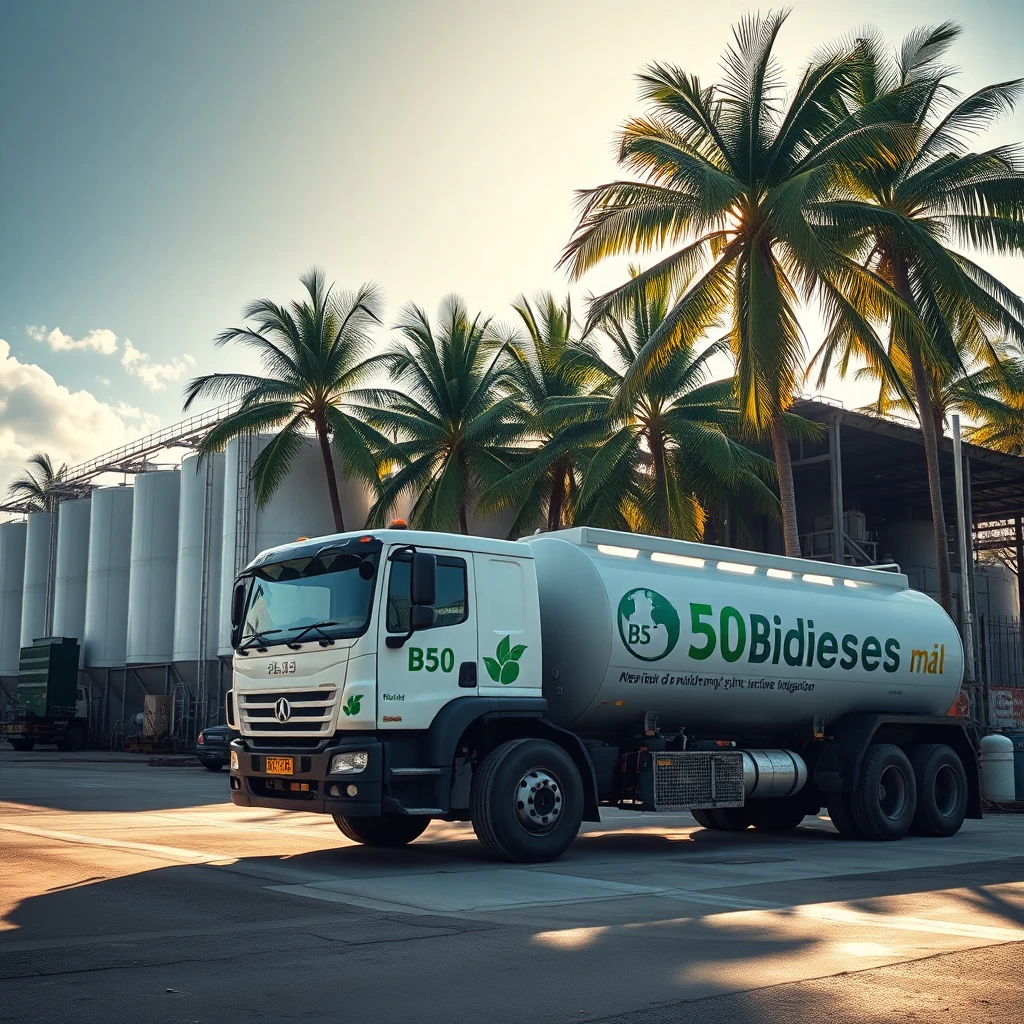
Palm oil futures climbed to a three-month high this week, driven by mounting supply risks and renewed biodiesel demand prospects following Indonesia’s rollout of its B50 biodiesel programme.
The mandatory B50 blend—requiring 50% palm oil-based biodiesel in diesel fuel—was officially launched in mid-July, with implementation details still being phased in. Analysts expect the mandate to absorb an additional 2-3 million tonnes of crude palm oil annually, tightening global availability at a time when production growth in key regions remains subdued.
RBI flags biofuel-driven price risks
India’s central bank, the Reserve Bank of India, has linked the broad-based rise in edible oil prices to expanding biofuel mandates, specifically citing Indonesia’s B50 policy. In its latest monetary policy report, the RBI noted that diversion of vegetable oils for fuel production is exerting upward pressure on cooking oil prices across Asia, raising food inflation concerns.
This marks a rare direct acknowledgment by a major central bank of the structural demand shift biofuels are creating in edible oil markets. Compliance-minded buyers, particularly in price-sensitive importing nations, are now reassessing their procurement strategies amid expectations of sustained higher prices.
Supply tightness supports bullish outlook
Beyond policy-driven demand, physical supply constraints are adding to the bullish narrative. Seasonal production patterns in Malaysia and Indonesia have been uneven, while labour shortages and ageing trees continue to cap output growth. The combination of tighter supply and policy-induced demand has pushed benchmark palm oil contracts to levels not seen since April.
Implications for buyers and regulators
For palm oil importers and downstream users, the B50 mandate signals a structural shift in the market’s demand base. Buyers focused on sustainability compliance face the dual challenge of securing certified sustainable palm oil volumes in a tightening market while managing cost exposure.
Regulatory attention is also growing. India’s scrutiny of duty-free edible oil imports from Nepal—which some producers say are being used to circumvent tariffs—highlights the complex trade flows emerging as palm oil prices rise. Meanwhile, Indonesia’s policy could prompt other biodiesel adopters to review their blending targets, potentially amplifying demand further.
Market participants will closely watch Indonesia’s B50 implementation pace and any adjustments to export levies that might accompany the programme. For now, the policy-driven demand shock is the dominant force shaping palm oil’s near-term trajectory.