
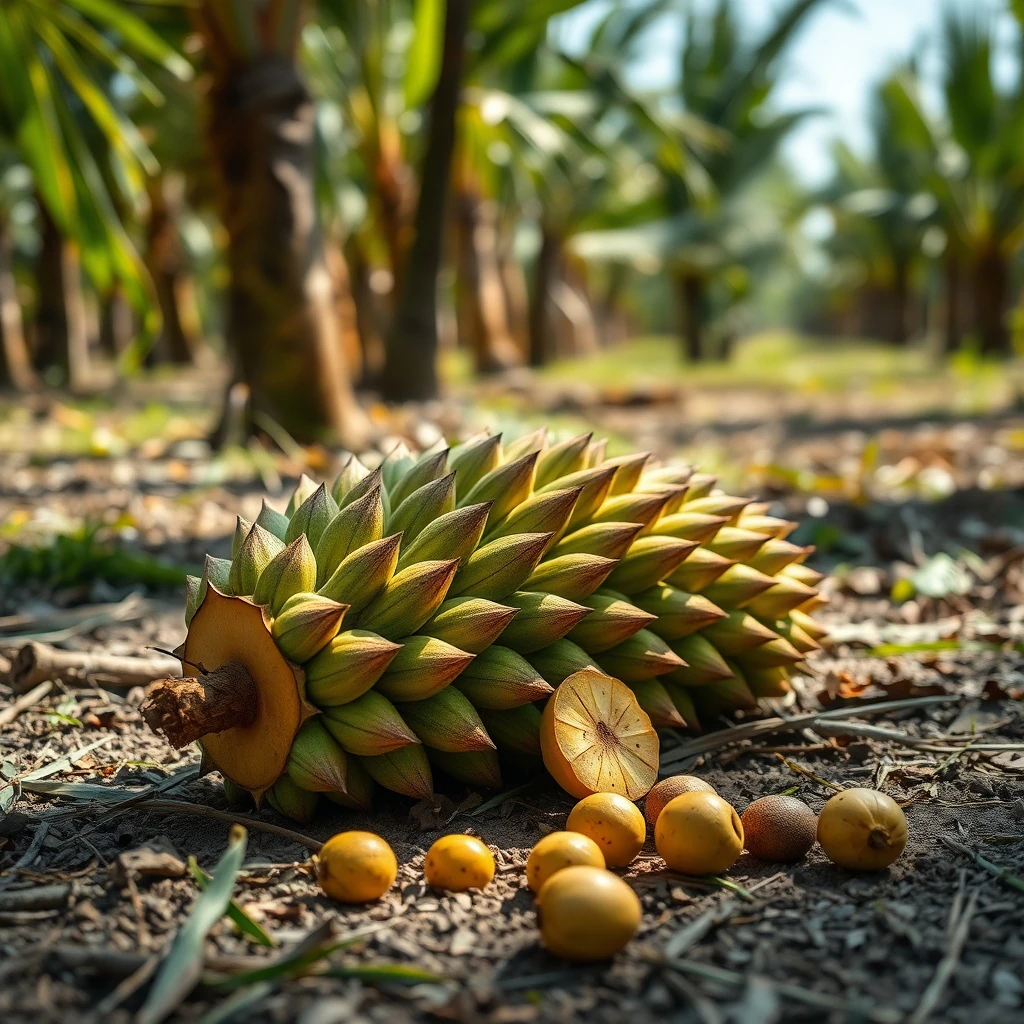
For procurement managers and first-time buyers, understanding the immediate post-harvest handling of the oil palm fruit is essential. The quality of crude palm oil (CPO) is largely determined in the first 24 hours after the fresh fruit bunches (FFB) are cut.
Harvesting and Collection
Harvesting begins when the fruit bunches are ripe, indicated by a few loose fruits on the ground. Workers cut the bunch using a long-handled chisel or sickle. The bunch is then placed on the ground, and loose fruits are gathered. This is a manual process, even on large plantations.
Transport to the Mill
Time is the enemy of oil quality. The cut bunch continues to respire, generating heat. If left too long, the natural oil begins to break down, raising free fatty acid (FFA) levels. A high FFA content reduces oil quality and yield. Therefore, FFB are typically transported to the mill within 24 hours of harvest, often much sooner. Trucks or small tractors move the bunches from the field to a central collection point, then to the mill.
Reception and Sterilization
At the mill, the FFB are first weighed and inspected. They are then loaded into large horizontal cages called sterilizers. Sterilization is a high-pressure steaming process that lasts about 90 minutes. This stops the enzymatic breakdown of oil, softens the fruit, and loosens the fruitlets from the bunch. It is the most critical step in preserving oil quality.
Threshing and Digestion
After sterilization, the bunches are fed into a rotary drum thresher, which separates the fruitlets from the empty bunch stalks. The stalks are often used as fuel. The fruitlets then go to a digester, a heated tank with rotating arms that mash the fruit into a homogeneous oily mash.
Pressing and Clarification
The mash is then pressed in a screw press, squeezing out a mixture of crude oil, water, and solids. This mixture is sent to a clarification station, where it is heated and settled. Oil rises to the top, while water and solids settle. The crude oil is then centrifuged, dried, and stored in tanks for refining or export. The entire process, from harvest to crude oil storage, is designed to be completed within this tight 24-hour window to maximize yield and quality.
Quality Implications
For buyers, the key takeaway is that the freshness of FFB directly impacts the FFA content of the CPO. Mills that enforce strict 24-hour delivery windows consistently produce lower-FFA oil, which is more valuable for refining into cooking oil, margarine, and industrial fats. A mill's ability to manage this logistics chain is a strong indicator of its operational discipline.