Indonesia B50 biodiesel mandate boosts palm oil demand, tightens supply
Jakarta's B50 rollout lifts domestic palm oil use, while Nepal duty-free imports pressure Indian producers.

CPO futures edge higher on supply concerns, but range-bound outlook persists amid weak buying interest.
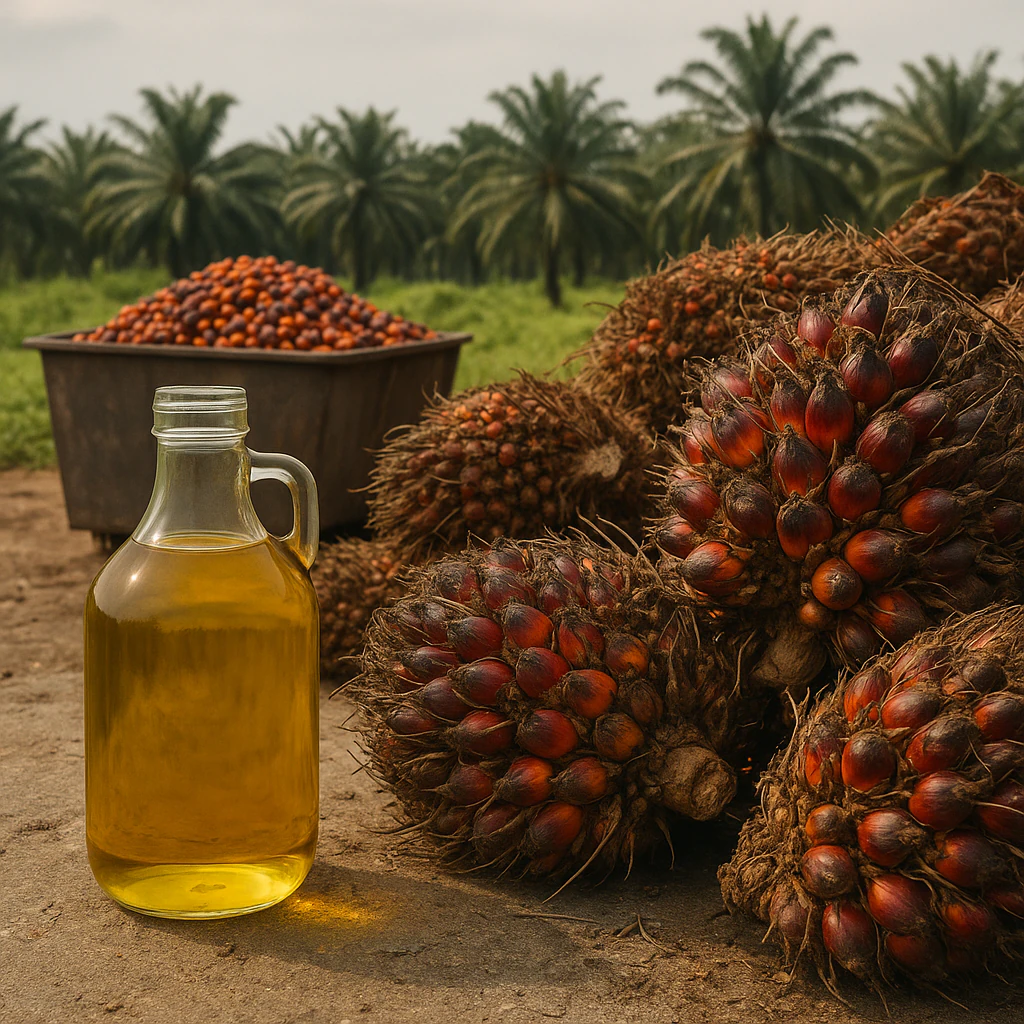
Malaysian palm oil futures closed higher on Thursday, supported by ongoing supply squeeze fears, according to market reports. The benchmark contract edged up as traders weighed tightening near-term availability against lackluster physical demand.
Sources: Business Recorder; finance.biggo.com; The Star; Barchart.com; UkrAgroConsult; UkrAgroConsult
Jakarta's B50 rollout lifts domestic palm oil use, while Nepal duty-free imports pressure Indian producers.
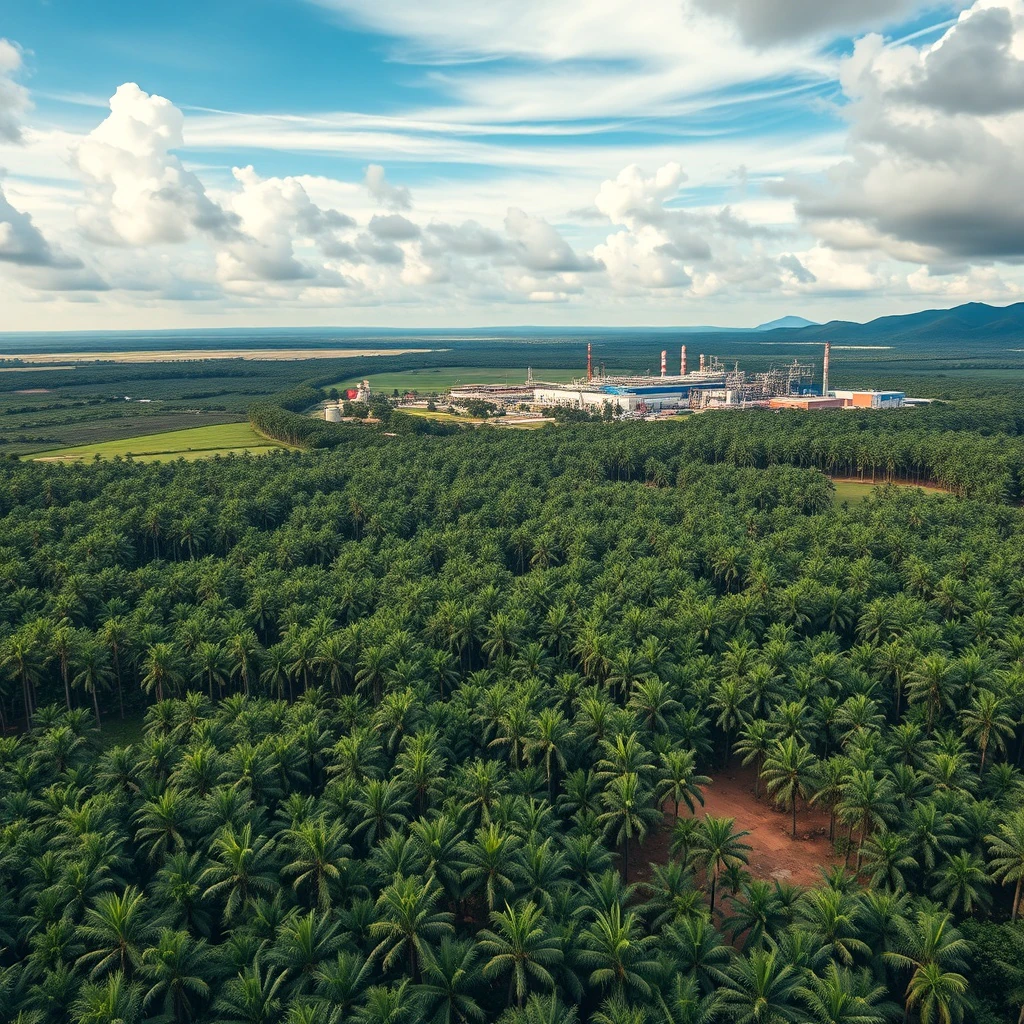
Indonesia has officially launched its B50 biodiesel programme, requiring a 50% palm oil-based blend in diesel fuel. The mandate, confirmed by multiple industry sources in mid-July, is expected to significantly increase domestic palm oil consumption, potentially diverting supply away from export markets.
Industry analysts note that the B50 policy could absorb an additional 5-7 million tonnes of palm oil annually, tightening global availability. This comes at a time when El Niño-related weather concerns are already pressuring production forecasts for 2026/27.
The B50 mandate has opened growth opportunities for Malaysian palm oil exporters, as Indonesian supply becomes more focused on domestic biodiesel demand. Malaysian producers are expected to fill some of the gap in international markets, particularly for buyers seeking alternative origins.
However, the overall supply squeeze is likely to keep prices elevated, with palm oil futures already reacting to the combined effect of biodiesel demand and weather risks.
Separately, duty-free edible oil imports from Nepal are becoming a growing concern for Indian producers. The arrangement, intended to support Nepal's economy, has led to a surge in refined palm oil and other vegetable oil shipments into India, undercutting domestic processors.
Indian refiners are calling for a review of the preferential trade terms, arguing that the imports distort local markets and hurt farmer incomes. The issue adds another layer of complexity for compliance-minded buyers navigating regional trade policies.
For palm oil buyers, the combination of Indonesia's B50 mandate and potential supply disruptions from El Niño means securing long-term contracts at stable prices will be increasingly challenging. Compliance with sustainability requirements also becomes harder as demand for certified sustainable palm oil rises alongside overall consumption.
Traders recommend that buyers diversify sourcing, monitor Indonesian policy implementation closely, and factor in potential export restrictions if domestic biodiesel demand strains supply.
The policy landscape remains fluid, with further adjustments possible as Indonesia and India respond to market dynamics.
A practical breakdown of the geolocation and supply-chain data that EUDR compliance demands from palm-oil producers and traders.

The European Union Deforestation Regulation (EUDR) requires that any palm oil, palm kernel oil, or derivative placed on the EU market be deforestation-free. To demonstrate this, suppliers must provide a specific set of geolocation and traceability data for every plot of land where the oil palm fruit was grown.
For every production plot, the supplier must submit the geolocation polygon – a set of latitude/longitude coordinates that trace the boundary of the farm or plantation. If the plot is smaller than four hectares, a single point coordinate (latitude and longitude with a minimum of six decimal places) is acceptable. These coordinates must be precise enough to identify the exact land parcel.
For smallholders, who often lack GPS equipment, the regulation allows the use of public satellite imagery or government land-registry data to define the plot boundaries, provided the data is verifiable.
Beyond geolocation, the EUDR requires a chain-of-custody document that links each batch of palm product back to the specific plots where the fruit was harvested. This means suppliers must record:
Each link in the chain must be documented with a unique identifier (such as a lot number or barcode) so that an auditor can trace a shipment back to the origin plot.
The importer or operator placing the product on the EU market must submit a due diligence statement to the EU member state’s competent authority. This statement includes the geolocation data and a declaration that the product complies with the deforestation-free requirement. The statement must be supported by the underlying traceability records.
For procurement managers, this means that any palm product sourced from or destined for the EU must come with a traceability dossier. When evaluating new suppliers, buyers should request:
Suppliers who cannot provide this data may be unable to ship to the EU market after the regulation’s enforcement date. Buyers should also note that the data must be kept for at least five years and be available for inspection by EU authorities.
Most large palm-oil groups already use geographic information systems (GIS) and enterprise resource planning (ERP) software to manage this data. For smaller suppliers, third-party platforms that aggregate smallholder polygons and link them to mill receipts are becoming common. The key is that the data must be machine-readable (e.g., CSV, GeoJSON) and verifiable – not just a paper certificate.
In summary, EUDR compliance hinges on providing precise geolocation coordinates for every production plot and a complete, auditable chain-of-custody from farm to EU border. Buyers should treat this data as a standard part of their procurement documentation.
Our market desk connects serious buyers with vetted origin suppliers across Southeast Asia. Indicative pricing, specifications and shipment guidance — free of charge.
Get connected →Jakarta's B50 rollout lifts domestic palm oil use, while Nepal duty-free imports pressure Indian producers.
A practical breakdown of the geolocation and supply-chain data that EUDR compliance demands from palm-oil producers and traders.
CPO futures edge higher on supply concerns, but range-bound outlook persists amid weak buying interest.
Malaysian palm oil futures closed higher on Thursday, supported by ongoing supply squeeze fears, according to market reports. The benchmark contract edged up as traders weighed tightening near-term availability against lackluster physical demand.