
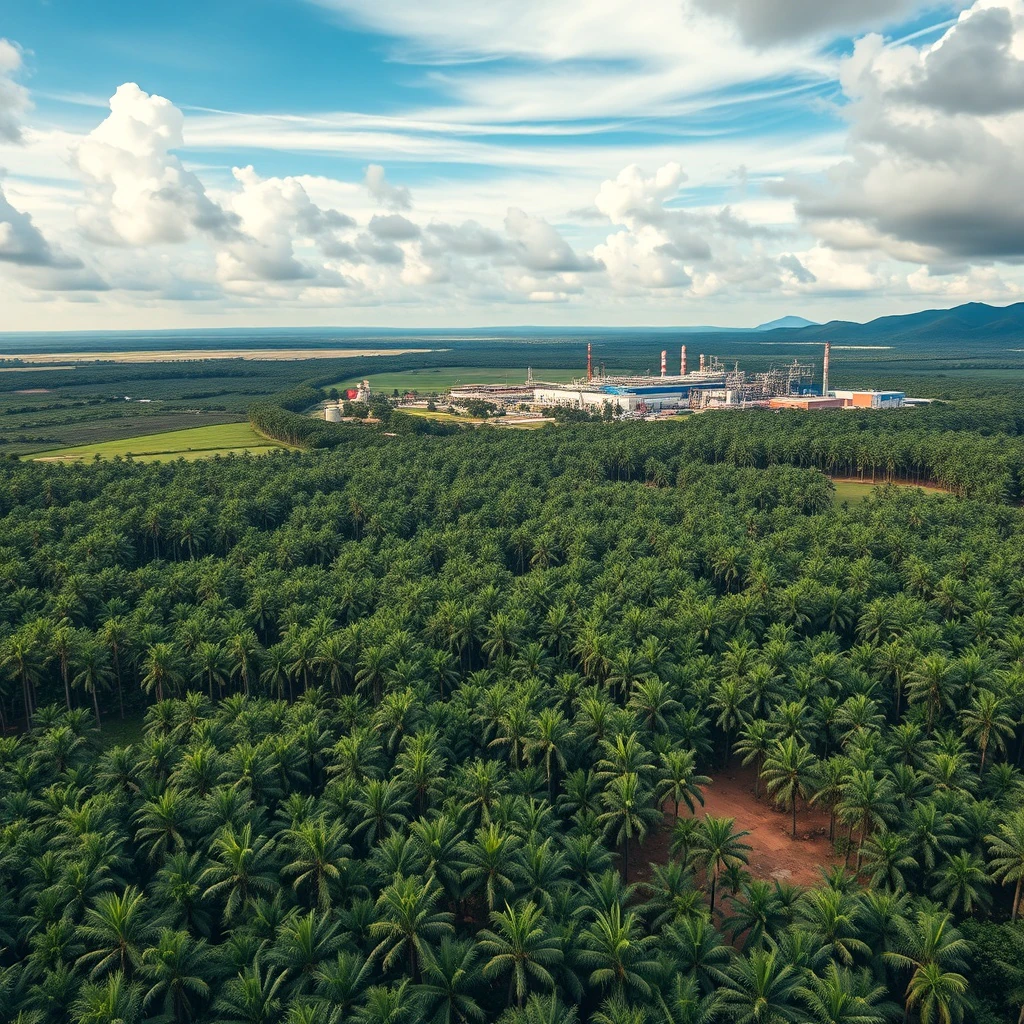
B50 biodiesel mandate reshapes demand
Indonesia has officially launched its B50 biodiesel programme, requiring a 50% palm oil-based blend in diesel fuel. The mandate, confirmed by multiple industry sources in mid-July, is expected to significantly increase domestic palm oil consumption, potentially diverting supply away from export markets.
Industry analysts note that the B50 policy could absorb an additional 5-7 million tonnes of palm oil annually, tightening global availability. This comes at a time when El Niño-related weather concerns are already pressuring production forecasts for 2026/27.
Malaysian palm oil sees opportunity
The B50 mandate has opened growth opportunities for Malaysian palm oil exporters, as Indonesian supply becomes more focused on domestic biodiesel demand. Malaysian producers are expected to fill some of the gap in international markets, particularly for buyers seeking alternative origins.
However, the overall supply squeeze is likely to keep prices elevated, with palm oil futures already reacting to the combined effect of biodiesel demand and weather risks.
Duty-free imports from Nepal raise concerns
Separately, duty-free edible oil imports from Nepal are becoming a growing concern for Indian producers. The arrangement, intended to support Nepal's economy, has led to a surge in refined palm oil and other vegetable oil shipments into India, undercutting domestic processors.
Indian refiners are calling for a review of the preferential trade terms, arguing that the imports distort local markets and hurt farmer incomes. The issue adds another layer of complexity for compliance-minded buyers navigating regional trade policies.
Market implications for buyers
For palm oil buyers, the combination of Indonesia's B50 mandate and potential supply disruptions from El Niño means securing long-term contracts at stable prices will be increasingly challenging. Compliance with sustainability requirements also becomes harder as demand for certified sustainable palm oil rises alongside overall consumption.
Traders recommend that buyers diversify sourcing, monitor Indonesian policy implementation closely, and factor in potential export restrictions if domestic biodiesel demand strains supply.
The policy landscape remains fluid, with further adjustments possible as Indonesia and India respond to market dynamics.