Indonesia B50 biodiesel mandate boosts palm oil demand outlook
New policy supports CPO floor, but ample supply and weak rupiah cap rally potential

Malaysian CPO benchmark holds above RM4,400 despite bearish production data and weak rival oils
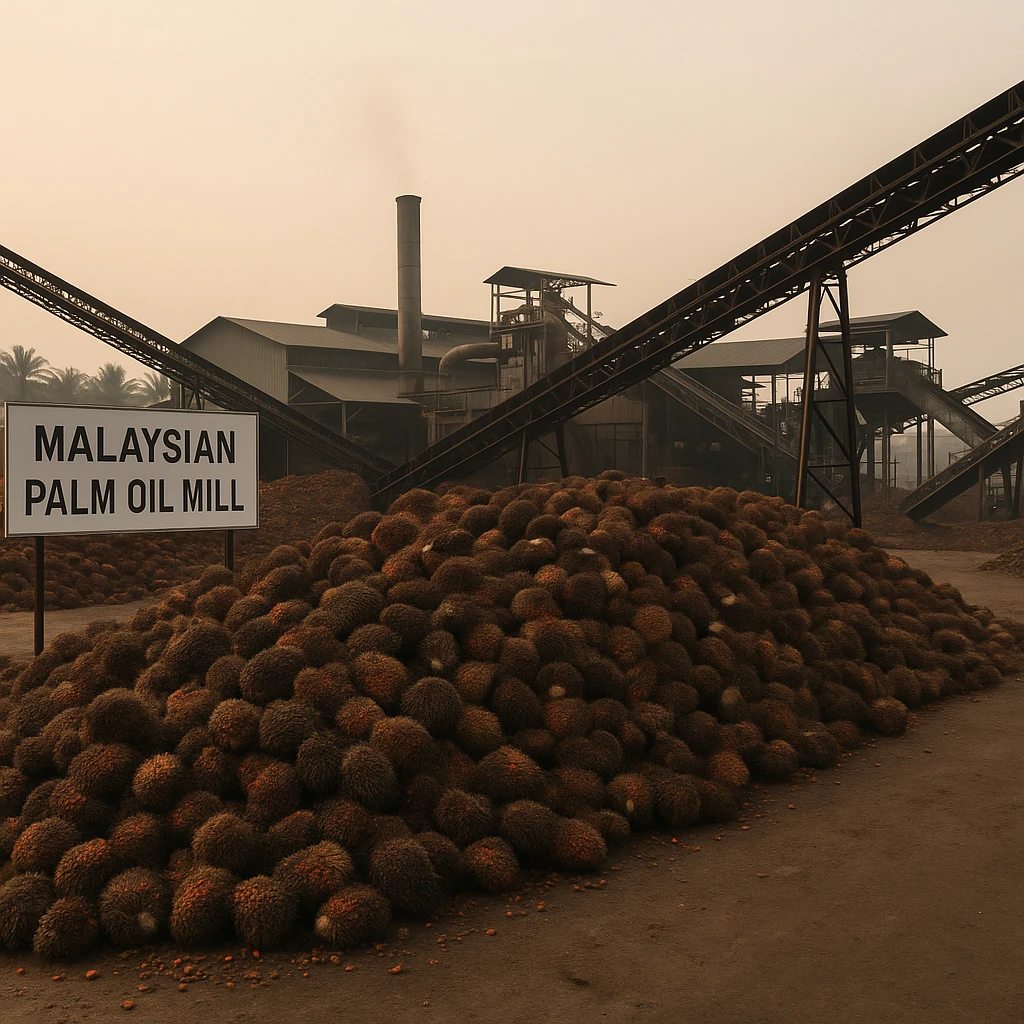
Malaysian crude palm oil futures closed little changed Tuesday, with the benchmark contract at approximately $1,099 per tonne (RM4,497), down 0.1% from the prior session. The global World Bank benchmark stood at $1,105, while Indonesia’s reference price was set at $1,030 per tonne.
Malaysia’s June production rose 8.1% month-on-month to 1,638,777 tonnes, pushing closing stocks to 1,332,697 tonnes, a 3.7% increase from May, according to MPOB data. Exports climbed 6.2% to 1,204,013 tonnes, while imports surged 135.3% to 103,113 tonnes, partly reflecting arbitrage flows from Indonesia. The fresh fruit bunch reference price slipped 1.3% to RM48.90.
El Niño conditions persist with an ONI of +1.0, though rainfall across producing belts remains broadly normal, limiting immediate yield stress. Brent crude edged up 0.4% to $92 per barrel, lending support to biodiesel blending economics. Indonesia’s B50 biodiesel mandate continues to underpin longer-term demand expectations, with officials stating the programme will boost palm oil use and cut fuel imports.
Palm oil slipped again Tuesday as rival edible oils weakened, with soybean oil under pressure from expanding US domestic crushing capacity and a large Brazilian harvest. China’s vegetable oil outlook remained unchanged, while India—the world’s largest vegetable oil importer—saw a 30% drop in June edible oil imports amid lower palm and soybean purchases. Experts have urged New Delhi to make import duties more flexible to manage price volatility.
Thailand has tightened palm oil export controls, reshaping regional supply flows, while Indonesia’s weak rupiah (17,938 per dollar) is encouraging higher export volumes. The ringgit held at 4.09 per dollar, offering some cost relief for Malaysian exporters.
Our model outlook points to a bearish bias over the next seven trading days, pressured by negative seasonality, broad July weakness, and rising Indonesian shipments. Rally potential remains capped by ample supply, though support from crude oil and biodiesel mandates limits downside. The Malaysian Palm Oil Council sees CPO prices trading between RM4,400 and RM4,650 in August.
Buyers should monitor Indonesia’s export pace amid the weak rupiah and any further clarity on India’s import duty structure, as these factors will shape near-term price direction.
Sources: BusinessToday Malaysia; The Edge Malaysia; KLSE Screener; marketscreener.com; Finimize; MSN
New policy supports CPO floor, but ample supply and weak rupiah cap rally potential
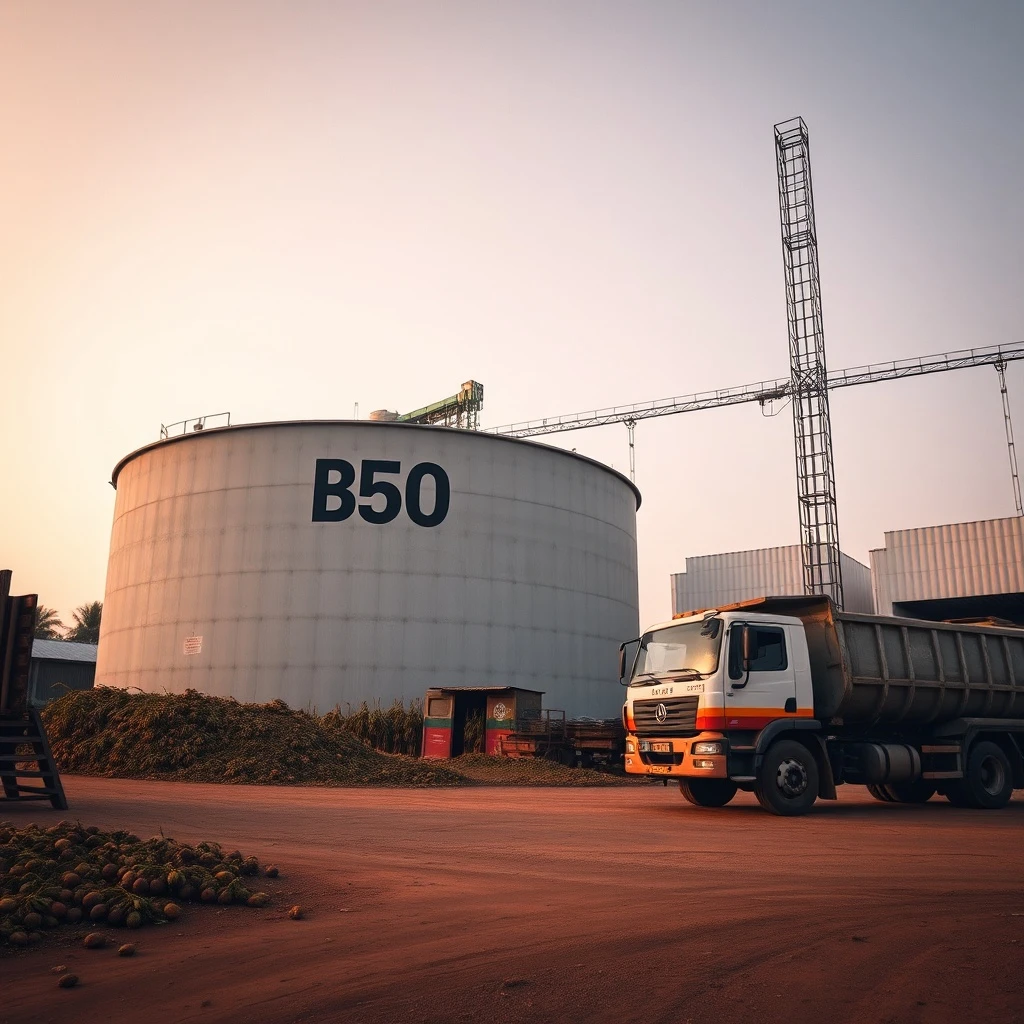
Indonesia officially launched its B50 biodiesel mandate on July 14, 2026, requiring a 50% palm oil-based biodiesel blend in diesel fuel. The policy is expected to significantly increase domestic palm oil consumption, supporting CPO prices and reducing the country's fuel import bill. The Indonesian government estimates the mandate will absorb several million tonnes of crude palm oil annually, tightening the global supply-demand balance.
The B50 mandate provides a structural demand boost for palm oil, particularly from the world's largest producer. This development supports CPO prices by diverting more supply to the domestic biodiesel sector, limiting export availability. However, the impact is partially offset by Malaysia's rising production and stocks, as MPOB data showed June CPO output up 8.1% month-on-month to 1.64 million tonnes, with inventories climbing 3.7% to 1.33 million tonnes. The weak Indonesian rupiah (around 17,938 per dollar) also encourages exports from Indonesia, adding to global supply.
For compliance-minded buyers, the B50 mandate reinforces palm oil's role in the energy transition, potentially increasing demand for certified sustainable palm oil (CSPO) as biodiesel feedstocks. However, the policy does not directly address deforestation concerns, which remain a key issue for European buyers. The European Commission's recent decision to exclude leather from its landmark deforestation law highlights ongoing regulatory fragmentation, but palm oil remains under scrutiny. Buyers should monitor Indonesia's implementation of the B50 programme and its impact on export volumes, as well as potential knock-on effects on CPO price volatility.
Our model outlook sees CPO as bearish over the next seven trading days, pressured by negative seasonality and rising Indonesian exports. However, the B50 mandate provides a price floor, while Brent crude's rally above $92 per barrel improves biodiesel blend economics. The interplay between ample supply and policy-driven demand will keep prices range-bound in the near term.
Sources: MSN; Oils & Fats International; The Star; The Jakarta Post
A technical walkthrough of physical refining—how crude palm oil becomes neutral, stable and market-ready.

Crude palm oil (CPO) as it leaves the mill is a complex mixture of triglycerides, free fatty acids, pigments, gums, trace metals and volatile odour compounds. To become the bland, golden oil demanded by food manufacturers and industrial buyers, it must undergo physical refining—a three-stage process of degumming, bleaching and deodorising. Each step has a distinct chemical purpose and commercial consequence.
Degumming removes phospholipids (gums) that would otherwise darken the oil, promote foaming and shorten shelf life. In physical refining, CPO is first treated with phosphoric or citric acid at about 80–90°C. The acid chelates non-hydratable gums—calcium and magnesium salts of phosphatidic acid—converting them into hydratable forms. A small amount of water is then added, and the hydrated gums are separated by centrifugation.
Why it matters commercially: Incomplete degumming leaves residual phosphorus above 3–5 ppm, which fouls downstream bleaching earth and shortens its life. For buyers, a refinery’s ability to hit low phosphorus specs (typically <3 ppm) directly affects bleaching cost and final oil quality.
Bleaching is not just about colour. The oil is heated to 100–110°C under vacuum and mixed with acid-activated bleaching earth (typically 0.5–2% by weight). The earth’s high surface area adsorbs carotenoids (giving palm oil its red-orange hue), residual soaps, oxidation products and pro-oxidant metals like iron and copper. After 20–30 minutes of contact, the earth is removed by filtration.
What to look for when sourcing: A good bleached oil has a Lovibond red colour of 2–3 units (5¼ inch cell) and an iron content below 0.5 ppm. Over-bleaching—using too much earth or excessive temperature—can strip tocopherols (natural antioxidants) and increase oil loss. Buyers should ask for typical bleaching earth dosage and neutral oil loss figures.
Deodorising is a high-temperature steam distillation carried out at 240–260°C under near-vacuum (2–6 mbar). Steam is sparged through the oil, carrying away free fatty acids (FFA), aldehydes, ketones and other volatile compounds responsible for off-flavours and odours. The stripped FFA are condensed and collected as palm fatty acid distillate (PFAD), a valuable co-product used in soap and animal feed.
Why it matters commercially: The deodoriser is the most energy-intensive step, consuming about 30–50 kg of steam per tonne of oil. Final refined, bleached and deodorised (RBD) palm oil typically has an FFA content below 0.1% and a neutral taste. For buyers, the FFA level is a key specification: higher FFA indicates incomplete stripping or poor feedstock quality.
In a modern refinery, these three steps are continuous and tightly controlled. Key parameters—temperature, vacuum, residence time, earth dosage and steam flow—are monitored by distributed control systems. Buyers should look for refineries that provide batch certificates showing phosphorus, iron, colour, FFA and moisture content. Consistency across deliveries matters more than any single number.
Understanding these steps helps procurement managers evaluate supplier capability, negotiate specifications and anticipate how process variations affect final product performance in frying, baking or confectionery applications.
A practical guide to the refining process that turns crude palm oil into RBD products for global trade.
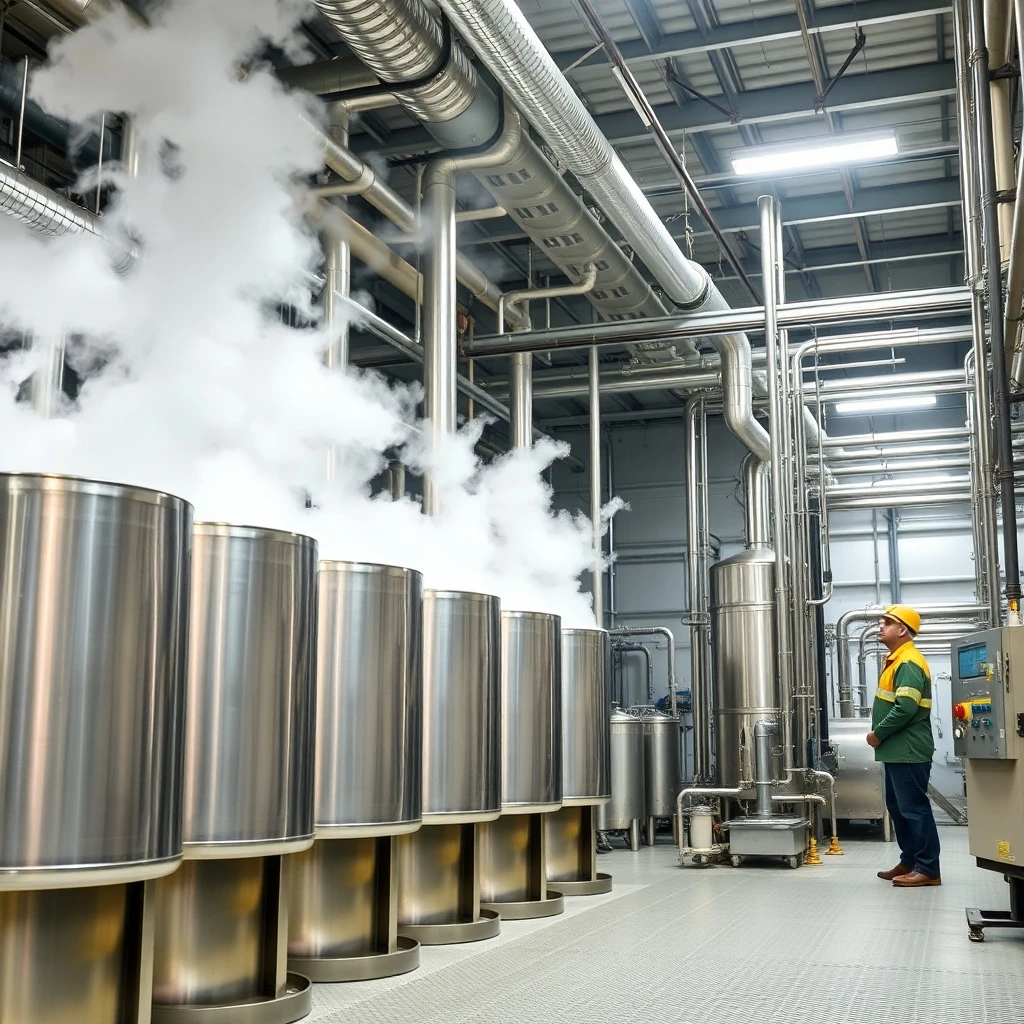
RBD stands for Refined, Bleached, and Deodorised. It describes the standard industrial process that transforms crude palm oil (CPO) into a neutral, stable, and versatile commodity. For procurement managers and first-time buyers, understanding this sequence is essential for specifying product quality and negotiating contracts.
Crude palm oil, as it comes from the mill, contains free fatty acids (FFAs), pigments, odours, and minor impurities. RBD processing removes these to produce oil that is clear, bland, and shelf-stable. The three steps are always performed in order: refining, bleaching, deodorising.
The first stage reduces the FFA content from about 3-5% in crude oil to below 0.1%. There are two main methods:
The choice affects yield, cost, and the quality of by-products. Most bulk RBD palm oil is physically refined.
Bleaching does not use bleach. Instead, the oil is mixed with bleaching earth (activated clay) under vacuum and heated. The clay adsorbs colour pigments (carotenoids, chlorophyll), trace metals, and oxidation products.
After mixing, the slurry is filtered to remove the spent earth. The result is a pale yellow oil, free from most colour bodies and pro-oxidant metals. The efficiency of this step determines the final oil’s colour stability during storage and frying.
The final step is steam stripping under high temperature (about 240-260°C) and vacuum. Volatile compounds responsible for odour and taste are distilled off and collected. The oil becomes virtually odourless and flavourless.
Deodorising also completes the removal of any residual FFAs and destroys peroxides, ensuring oxidative stability. The oil is then cooled and stored under nitrogen to prevent reversion.
After these three steps, the oil is classified as RBD palm oil (from the mesocarp) or RBD palm olein/stearin (after fractionation). Key specifications buyers should check include:
RBD oil is the base for margarine, shortening, frying fats, and many food products. It is also used in non-food applications such as soap and biodiesel.
Understanding the RBD process helps buyers evaluate supplier quality, negotiate specifications, and avoid common pitfalls such as receiving under-refined oil that causes foaming or off-flavours. The process also determines the by-product credits (PFAD, spent earth) that can affect net pricing.
For first-time buyers, requesting a certificate of analysis (COA) covering FFA, colour, and moisture is standard practice. Reputable suppliers will provide these for each lot.
This space reaches palm oil buyers, traders and industry readers every day. Sponsorship and advertising enquiries are welcome — get in touch:
[email protected]New policy supports CPO floor, but ample supply and weak rupiah cap rally potential
A technical walkthrough of physical refining—how crude palm oil becomes neutral, stable and market-ready.
A practical guide to the refining process that turns crude palm oil into RBD products for global trade.
Malaysian CPO benchmark holds above RM4,400 despite bearish production data and weak rival oils
Malaysian crude palm oil futures closed little changed Tuesday, with the benchmark contract at approximately $1,099 per tonne (RM4,497), down 0.1% from the prior session. The global World Bank benchmark stood at $1,105, while Indonesia’s reference price was set at $1,030 per tonne.
Malaysia’s June production rose 8.1% month-on-month to 1,638,777 tonnes, pushing closing stocks to 1,332,697 tonnes, a 3.7% increase from May, according to MPOB data. Exports climbed 6.2% to 1,204,013 tonnes, while imports surged 135.3% to 103,113 tonnes, partly reflecting arbitrage flows from Indonesia. The fresh fruit bunch reference price slipped 1.3% to RM48.90.
El Niño conditions persist with an ONI of +1.0, though rainfall across producing belts remains broadly normal, limiting immediate yield stress. Brent crude edged up 0.4% to $92 per barrel, lending support to biodiesel blending economics. Indonesia’s B50 biodiesel mandate continues to underpin longer-term demand expectations, with officials stating the programme will boost palm oil use and cut fuel imports.
Palm oil slipped again Tuesday as rival edible oils weakened, with soybean oil under pressure from expanding US domestic crushing capacity and a large Brazilian harvest. China’s vegetable oil outlook remained unchanged, while India—the world’s largest vegetable oil importer—saw a 30% drop in June edible oil imports amid lower palm and soybean purchases. Experts have urged New Delhi to make import duties more flexible to manage price volatility.
Thailand has tightened palm oil export controls, reshaping regional supply flows, while Indonesia’s weak rupiah (17,938 per dollar) is encouraging higher export volumes. The ringgit held at 4.09 per dollar, offering some cost relief for Malaysian exporters.
Our model outlook points to a bearish bias over the next seven trading days, pressured by negative seasonality, broad July weakness, and rising Indonesian shipments. Rally potential remains capped by ample supply, though support from crude oil and biodiesel mandates limits downside. The Malaysian Palm Oil Council sees CPO prices trading between RM4,400 and RM4,650 in August.
Buyers should monitor Indonesia’s export pace amid the weak rupiah and any further clarity on India’s import duty structure, as these factors will shape near-term price direction.