
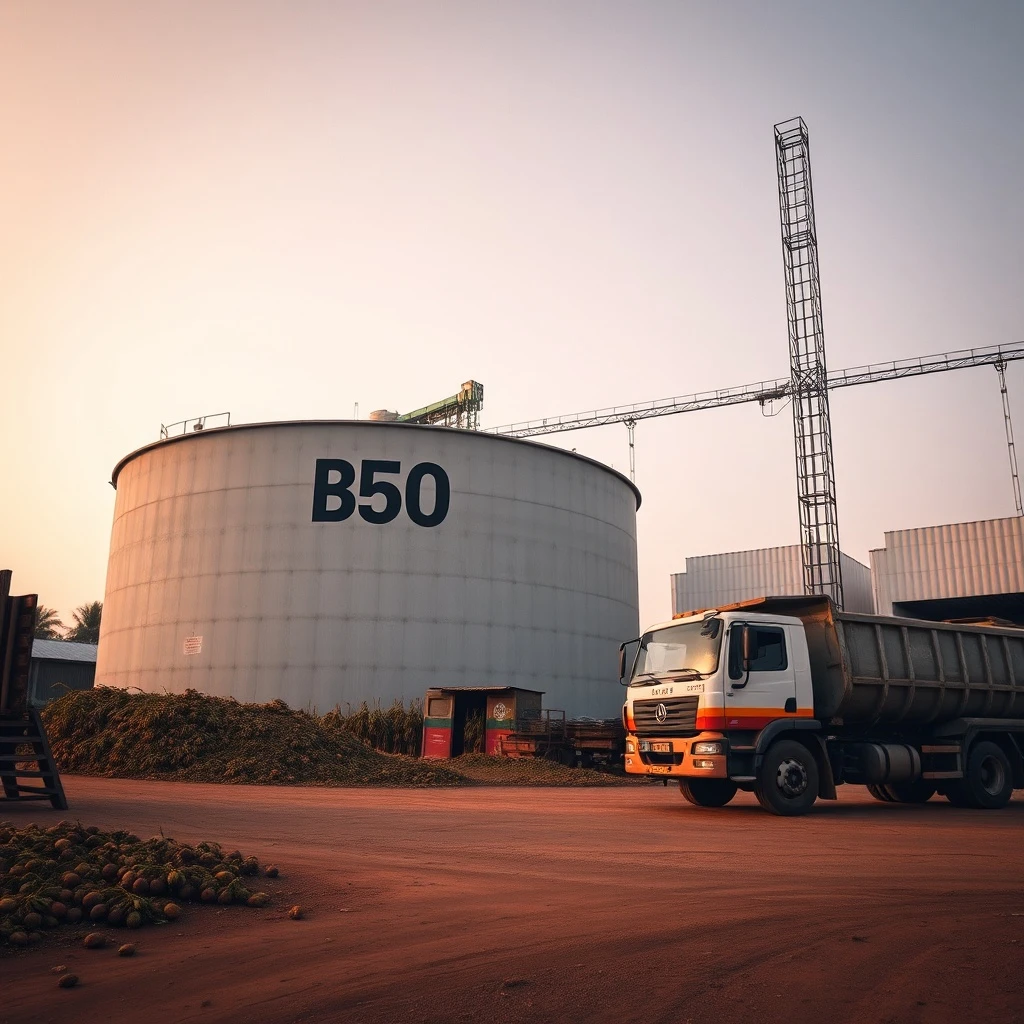
Indonesia launches B50 biodiesel programme
Indonesia officially launched its B50 biodiesel mandate on July 14, 2026, requiring a 50% palm oil-based biodiesel blend in diesel fuel. The policy is expected to significantly increase domestic palm oil consumption, supporting CPO prices and reducing the country's fuel import bill. The Indonesian government estimates the mandate will absorb several million tonnes of crude palm oil annually, tightening the global supply-demand balance.
Market implications
The B50 mandate provides a structural demand boost for palm oil, particularly from the world's largest producer. This development supports CPO prices by diverting more supply to the domestic biodiesel sector, limiting export availability. However, the impact is partially offset by Malaysia's rising production and stocks, as MPOB data showed June CPO output up 8.1% month-on-month to 1.64 million tonnes, with inventories climbing 3.7% to 1.33 million tonnes. The weak Indonesian rupiah (around 17,938 per dollar) also encourages exports from Indonesia, adding to global supply.
Compliance and buyer considerations
For compliance-minded buyers, the B50 mandate reinforces palm oil's role in the energy transition, potentially increasing demand for certified sustainable palm oil (CSPO) as biodiesel feedstocks. However, the policy does not directly address deforestation concerns, which remain a key issue for European buyers. The European Commission's recent decision to exclude leather from its landmark deforestation law highlights ongoing regulatory fragmentation, but palm oil remains under scrutiny. Buyers should monitor Indonesia's implementation of the B50 programme and its impact on export volumes, as well as potential knock-on effects on CPO price volatility.
Price outlook
Our model outlook sees CPO as bearish over the next seven trading days, pressured by negative seasonality and rising Indonesian exports. However, the B50 mandate provides a price floor, while Brent crude's rally above $92 per barrel improves biodiesel blend economics. The interplay between ample supply and policy-driven demand will keep prices range-bound in the near term.