
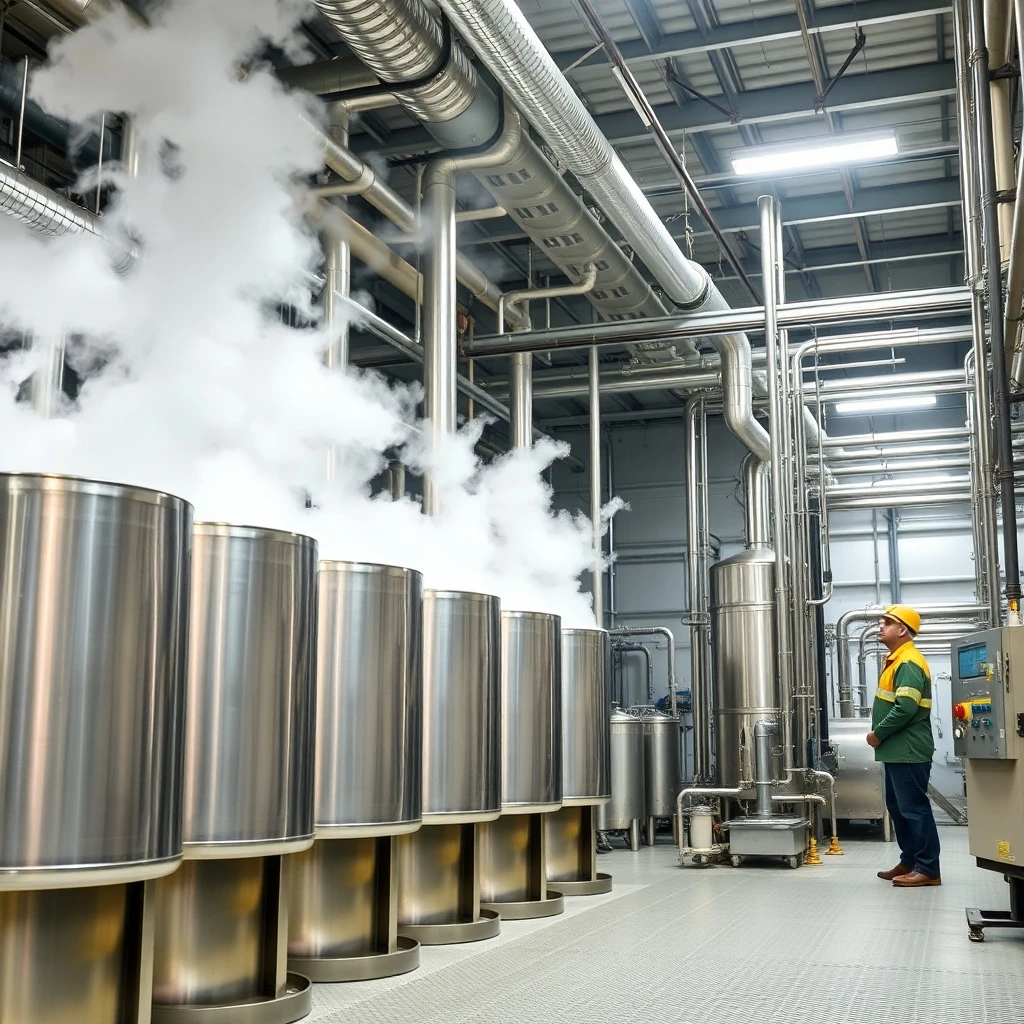
The Basics of RBD
RBD stands for Refined, Bleached, and Deodorised. It describes the standard industrial process that transforms crude palm oil (CPO) into a neutral, stable, and versatile commodity. For procurement managers and first-time buyers, understanding this sequence is essential for specifying product quality and negotiating contracts.
Crude palm oil, as it comes from the mill, contains free fatty acids (FFAs), pigments, odours, and minor impurities. RBD processing removes these to produce oil that is clear, bland, and shelf-stable. The three steps are always performed in order: refining, bleaching, deodorising.
Step 1: Refining (Removing Free Fatty Acids)
The first stage reduces the FFA content from about 3-5% in crude oil to below 0.1%. There are two main methods:
- Physical refining: Steam distillation under vacuum strips FFAs, which are then condensed as palm fatty acid distillate (PFAD), a valuable by-product. This is the dominant method for palm oil due to its efficiency.
- Chemical refining: Alkali neutralisation converts FFAs into soap, which is separated by centrifugation. Less common for palm but still used for some specialty orders.
The choice affects yield, cost, and the quality of by-products. Most bulk RBD palm oil is physically refined.
Step 2: Bleaching (Removing Colour and Impurities)
Bleaching does not use bleach. Instead, the oil is mixed with bleaching earth (activated clay) under vacuum and heated. The clay adsorbs colour pigments (carotenoids, chlorophyll), trace metals, and oxidation products.
After mixing, the slurry is filtered to remove the spent earth. The result is a pale yellow oil, free from most colour bodies and pro-oxidant metals. The efficiency of this step determines the final oil’s colour stability during storage and frying.
Step 3: Deodorising (Removing Odour and Flavour)
The final step is steam stripping under high temperature (about 240-260°C) and vacuum. Volatile compounds responsible for odour and taste are distilled off and collected. The oil becomes virtually odourless and flavourless.
Deodorising also completes the removal of any residual FFAs and destroys peroxides, ensuring oxidative stability. The oil is then cooled and stored under nitrogen to prevent reversion.
The Final Product: RBD Palm Oil
After these three steps, the oil is classified as RBD palm oil (from the mesocarp) or RBD palm olein/stearin (after fractionation). Key specifications buyers should check include:
- FFA content (typically max 0.1%)
- Iodine value (indicates hardness/liquid fraction)
- Colour (measured on the Lovibond scale)
- Moisture and impurities (max 0.1%)
RBD oil is the base for margarine, shortening, frying fats, and many food products. It is also used in non-food applications such as soap and biodiesel.
Why This Matters for Buyers
Understanding the RBD process helps buyers evaluate supplier quality, negotiate specifications, and avoid common pitfalls such as receiving under-refined oil that causes foaming or off-flavours. The process also determines the by-product credits (PFAD, spent earth) that can affect net pricing.
For first-time buyers, requesting a certificate of analysis (COA) covering FFA, colour, and moisture is standard practice. Reputable suppliers will provide these for each lot.