Indonesia B50 Mandate Rolls Out: Supply Tightness, Compliance Risks Ahead
Jakarta launches 50% biodiesel blend; CPO supply seen adequate for now but higher output needed, raising buyer vigilance.

CPO prices track stronger crude and soybean oil, supported by Indonesia's B50 launch, while India's June imports drop 30%.
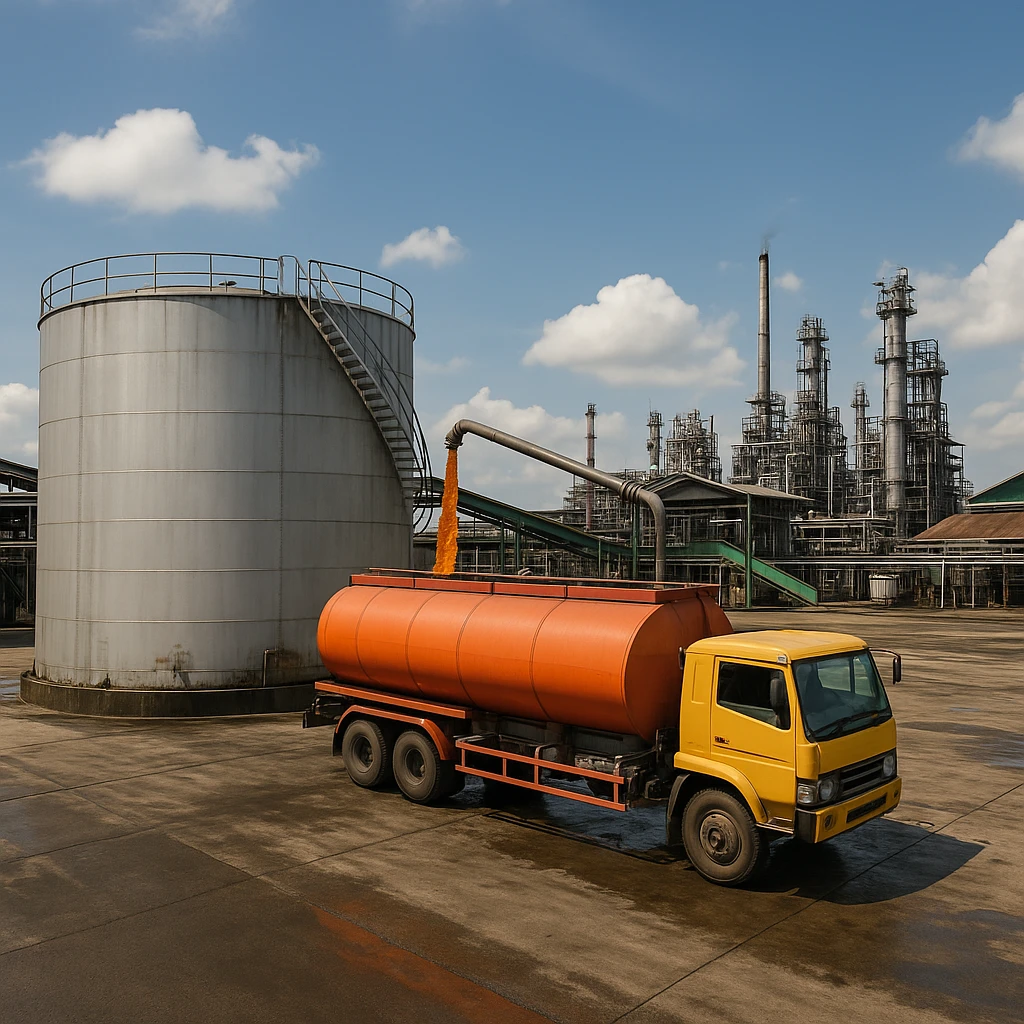
Palm oil futures extended gains on Monday, tracking strength in rival Dalian oils and firmer crude oil prices, according to market data. The positive momentum comes as the vegetable oil complex continues to draw support from the broader energy market, with the Middle East conflict reinforcing the link between crude and vegetable oil prices.
Indonesia officially launched its B50 biodiesel programme in mid-July, a policy that analysts say will significantly boost domestic palm oil consumption. The mandate, which requires a 50% palm oil-based biodiesel blend, is expected to absorb a larger share of the country's crude palm oil output. Industry officials have stated that current CPO supply can support B50 this year, though higher output will be needed in the future. The policy has already lifted sentiment across the market, with some analysts noting that Malaysian palm oil producers could benefit from the increased demand if Indonesia's domestic absorption tightens export availability.
India's edible oil imports fell 30% in June from a year earlier, driven by lower purchases of palm and soybean oil. The sharp monthly decline, reported by multiple sources, reflects high domestic stocks and elevated international prices. However, cumulative imports for the first eight months of the marketing year still show a 7% rise, with palm oil's share climbing to 48%. The contrasting data points suggest that while near-term buying has slowed, India's structural demand for palm oil remains intact.
The Malaysian Palm Oil Council has forecast CPO prices to range between MYR 4,400 and MYR 4,650 per tonne in July, citing a tightening supply outlook. Thailand's recent restrictions on palm oil exports are adding further pressure on regional availability, potentially redirecting buying interest toward Malaysia and Indonesia. Meanwhile, Indonesia is reportedly considering sanctions against companies purchasing palm oil at artificially low prices, a move that could support floor prices in the export market.
The ongoing Middle East conflict has deepened the correlation between crude oil and vegetable oil markets, as higher energy prices improve the economics of biodiesel blending. Indonesia's B50 mandate is particularly exposed to crude price fluctuations; a sustained drop in oil prices could test the programme's viability, as seen in earlier policy discussions. For now, the rally in crude is providing a tailwind for palm oil futures.
Buyers should monitor Indonesia's B50 implementation pace and any further tightening of export policies, as these factors could keep CPO prices elevated despite the recent slowdown in Indian purchasing. The interplay between crude oil trends and biodiesel mandates will remain a key driver of palm oil's price direction in the weeks ahead.
Sources: TradingView; BW Businessworld; Oils & Fats International; The Edge Malaysia; UkrAgroConsult; BioEnergy Times
Jakarta launches 50% biodiesel blend; CPO supply seen adequate for now but higher output needed, raising buyer vigilance.
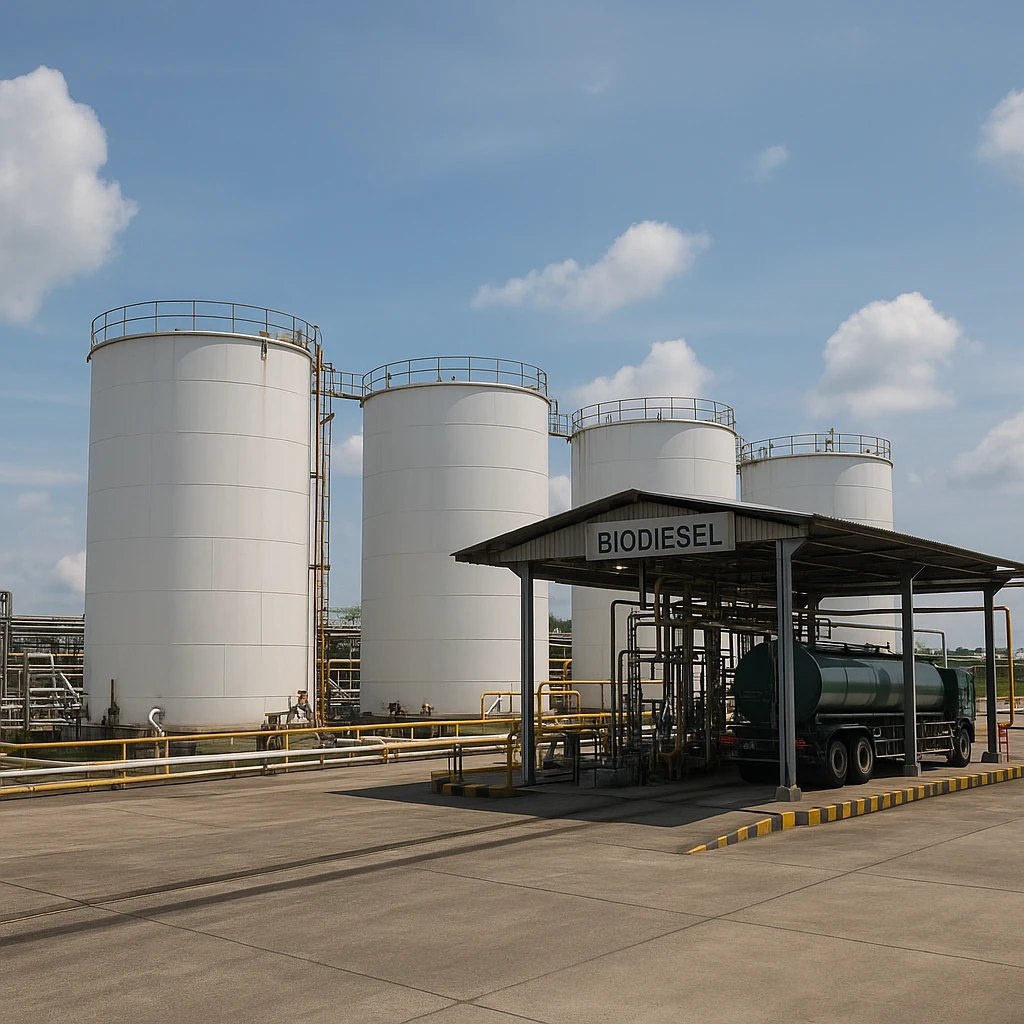
Indonesia has formally launched its B50 biodiesel programme, mandating a 50% blend of palm oil-based biodiesel in diesel fuel. The policy, confirmed by multiple outlets in mid-July 2026, represents a step change in domestic palm oil consumption and tightens the global supply-demand balance for crude palm oil (CPO).
Official statements indicate that current CPO supply can support the B50 mandate for the remainder of 2026. However, industry participants and state media reports note that higher output will be required ahead of 2027 to sustain the programme without drawing down stocks excessively. The Bengkulu provincial government has announced plans to build a dedicated biodiesel plant by 2027, signalling that local processing capacity is being expanded to meet rising demand.
The B50 mandate lifts domestic palm oil consumption significantly compared with the previous B35 programme. Analysts estimate that each percentage point increase in the biodiesel blend adds roughly 200,000–300,000 tonnes of CPO demand annually. With the blend rising from 35% to 50%, the additional demand could exceed 3 million tonnes per year, tightening export availability and supporting CPO prices.
Malaysian palm oil producers may benefit indirectly from Indonesia’s B50 rollout. As Indonesian exports shrink due to higher domestic absorption, buyers in India, China and the EU could shift more purchases to Malaysia, potentially lifting Malaysian CPO premiums. This dynamic is already being discussed in regional media as a potential tailwind for Malaysia’s palm oil sector.
The mandate faces a test from the recent decline in global oil prices. Lower crude oil prices make biodiesel less competitive without subsidies, raising questions about the fiscal sustainability of the B50 programme. Compliance-minded buyers should monitor Indonesia’s subsidy mechanism and any adjustments to the biodiesel export levy. If global oil prices remain low, the government may need to increase the levy on palm oil exports to fund the subsidy gap, which could further reduce export availability and raise delivered costs for importers.
For the remainder of 2026, the B50 mandate is likely to keep Indonesian CPO stocks lean and support prices. Buyers should prepare for tighter supply and potential price volatility. Longer-term, the success of B50 hinges on upstream expansion and sustained fiscal commitment. Market participants are advised to track monthly CPO output data and any policy adjustments from Jakarta.
Sources: BioEnergy Times; Quantum Commodity Intelligence; Oils & Fats International; mediaselangor.com; The Jakarta Post
A practical guide for procurement managers on the three key quality parameters in a palm oil CoA.
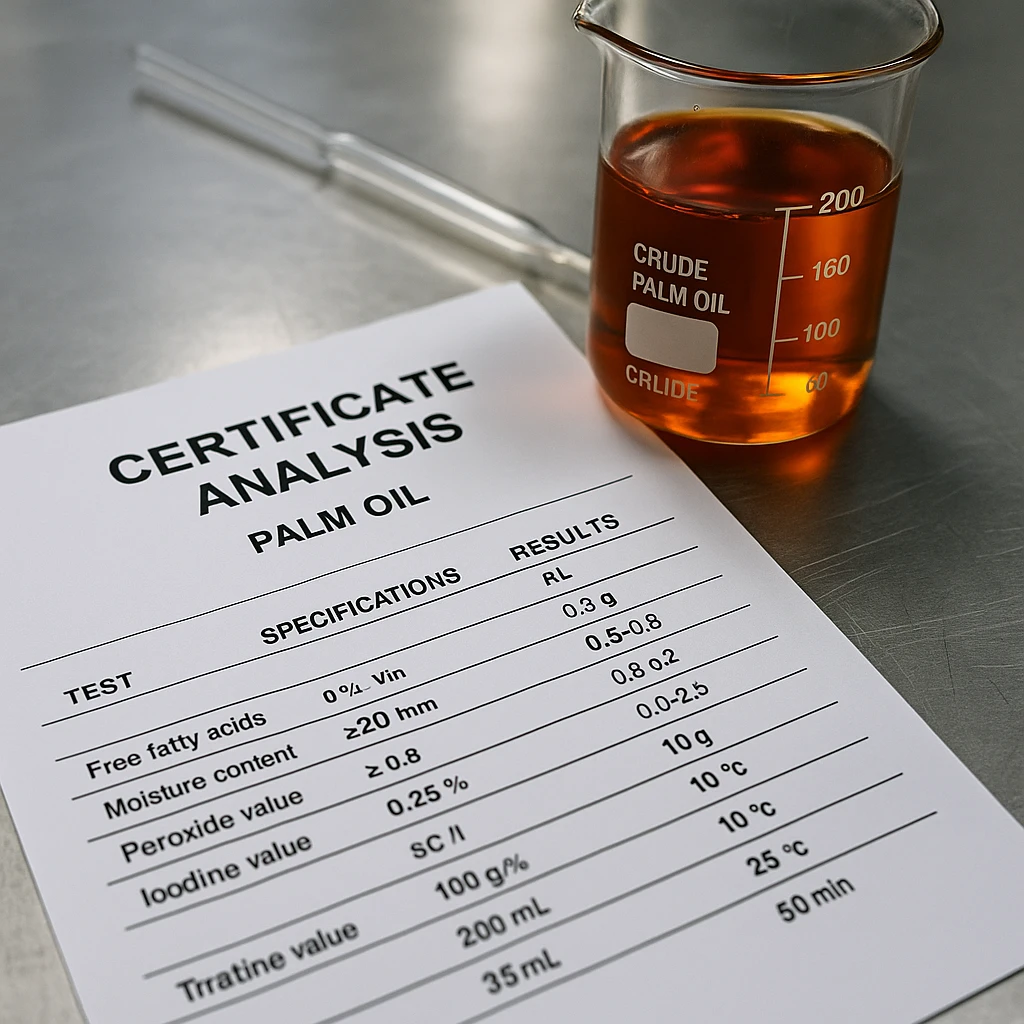
A Certificate of Analysis (CoA) is the standard document accompanying every shipment of crude palm oil (CPO) and its derivatives. For procurement managers and first-time buyers, three parameters dominate the report: free fatty acid (FFA), iodine value (IV), and moisture and impurities (M&I). Understanding what each measures—and why it matters—is essential for confirming product quality and contract compliance.
FFA indicates the degree of hydrolysis in the oil. During harvesting, handling or storage, the enzyme lipase can break triglycerides into free fatty acids and glycerol. Higher FFA means more oil has degraded, reducing yield for downstream refiners.
For buyers, FFA directly affects the refining loss and final product cost. Contracts usually specify a maximum FFA; exceeding that can trigger a price discount or rejection.
IV measures the degree of unsaturation in the oil—the number of carbon–carbon double bonds. It is determined by the amount of iodine absorbed by a fixed weight of oil. Higher IV means more unsaturated (softer) oil; lower IV means more saturated (harder) oil.
IV is not a quality defect but a compositional identity. Mismatched IV can cause processing issues or product failure.
M&I groups two contaminants that affect oil stability and storage life.
High M&I can lead to increased refining losses, off-flavours and shorter shelf life. The combined total (moisture + impurities) is often capped at 0.5% in CPO trade contracts.
A typical CoA lists each parameter with the test method (e.g., AOCS, ISO), the result, and the specification range. Buyers should check: - FFA against contract limit. - IV against the agreed fraction or grade. - M&I against maximum tolerance.
Any deviation should be flagged immediately. The CoA is the legal record of quality at the time of shipment; it protects both buyer and seller when disputes arise.
For first-time buyers, the CoA is not a formality—it is the first line of quality assurance. Learning to read it correctly prevents costly surprises at the refinery or factory gate.
Our market desk connects serious buyers with vetted origin suppliers across Southeast Asia. Indicative pricing, specifications and shipment guidance — free of charge.
Get connected →Jakarta launches 50% biodiesel blend; CPO supply seen adequate for now but higher output needed, raising buyer vigilance.
A practical guide for procurement managers on the three key quality parameters in a palm oil CoA.
CPO prices track stronger crude and soybean oil, supported by Indonesia's B50 launch, while India's June imports drop 30%.
Palm oil futures extended gains on Monday, tracking strength in rival Dalian oils and firmer crude oil prices, according to market data. The positive momentum comes as the vegetable oil complex continues to draw support from the broader energy market, with the Middle East conflict reinforcing the link between crude and vegetable oil prices.
Indonesia officially launched its B50 biodiesel programme in mid-July, a policy that analysts say will significantly boost domestic palm oil consumption. The mandate, which requires a 50% palm oil-based biodiesel blend, is expected to absorb a larger share of the country's crude palm oil output. Industry officials have stated that current CPO supply can support B50 this year, though higher output will be needed in the future. The policy has already lifted sentiment across the market, with some analysts noting that Malaysian palm oil producers could benefit from the increased demand if Indonesia's domestic absorption tightens export availability.
India's edible oil imports fell 30% in June from a year earlier, driven by lower purchases of palm and soybean oil. The sharp monthly decline, reported by multiple sources, reflects high domestic stocks and elevated international prices. However, cumulative imports for the first eight months of the marketing year still show a 7% rise, with palm oil's share climbing to 48%. The contrasting data points suggest that while near-term buying has slowed, India's structural demand for palm oil remains intact.
The Malaysian Palm Oil Council has forecast CPO prices to range between MYR 4,400 and MYR 4,650 per tonne in July, citing a tightening supply outlook. Thailand's recent restrictions on palm oil exports are adding further pressure on regional availability, potentially redirecting buying interest toward Malaysia and Indonesia. Meanwhile, Indonesia is reportedly considering sanctions against companies purchasing palm oil at artificially low prices, a move that could support floor prices in the export market.
The ongoing Middle East conflict has deepened the correlation between crude oil and vegetable oil markets, as higher energy prices improve the economics of biodiesel blending. Indonesia's B50 mandate is particularly exposed to crude price fluctuations; a sustained drop in oil prices could test the programme's viability, as seen in earlier policy discussions. For now, the rally in crude is providing a tailwind for palm oil futures.
Buyers should monitor Indonesia's B50 implementation pace and any further tightening of export policies, as these factors could keep CPO prices elevated despite the recent slowdown in Indian purchasing. The interplay between crude oil trends and biodiesel mandates will remain a key driver of palm oil's price direction in the weeks ahead.