
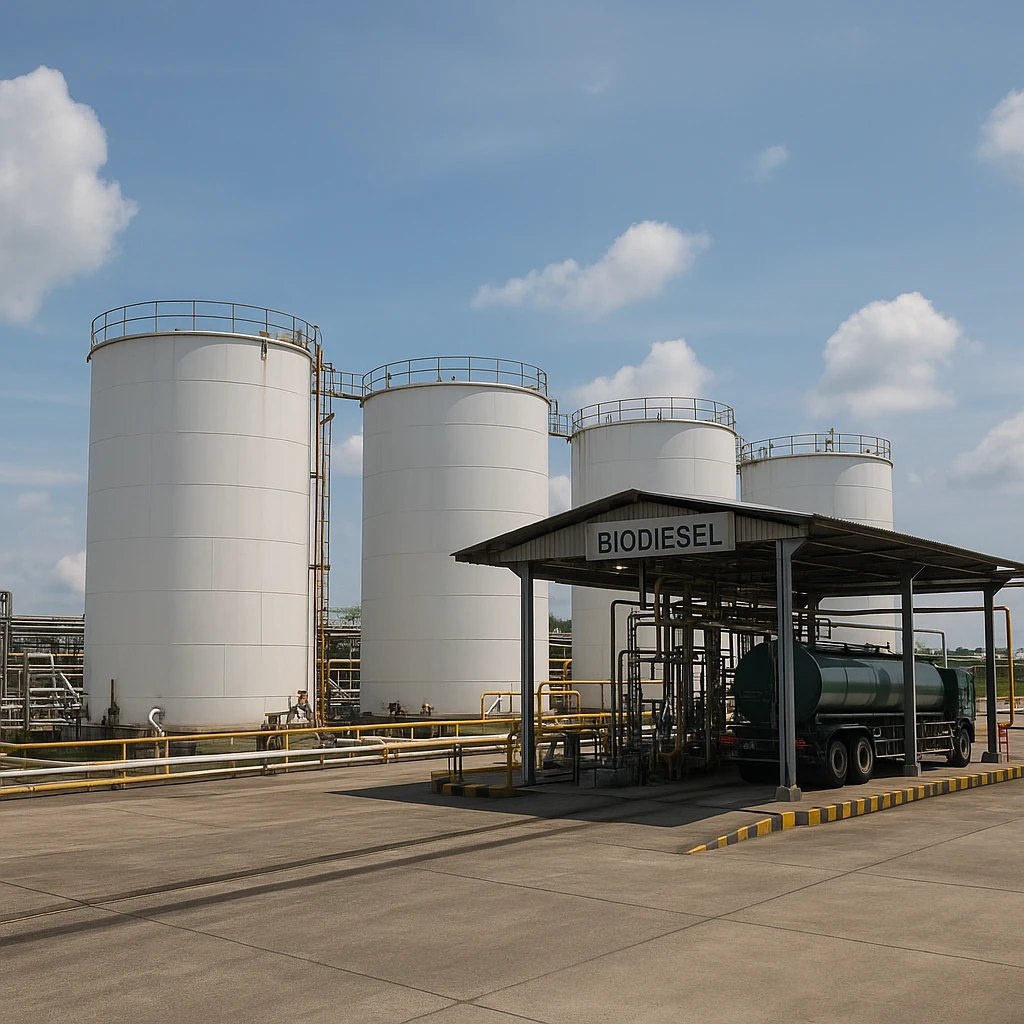
Indonesia has formally launched its B50 biodiesel programme, mandating a 50% blend of palm oil-based biodiesel in diesel fuel. The policy, confirmed by multiple outlets in mid-July 2026, represents a step change in domestic palm oil consumption and tightens the global supply-demand balance for crude palm oil (CPO).
Supply adequacy under scrutiny
Official statements indicate that current CPO supply can support the B50 mandate for the remainder of 2026. However, industry participants and state media reports note that higher output will be required ahead of 2027 to sustain the programme without drawing down stocks excessively. The Bengkulu provincial government has announced plans to build a dedicated biodiesel plant by 2027, signalling that local processing capacity is being expanded to meet rising demand.
Demand implications for palm oil
The B50 mandate lifts domestic palm oil consumption significantly compared with the previous B35 programme. Analysts estimate that each percentage point increase in the biodiesel blend adds roughly 200,000–300,000 tonnes of CPO demand annually. With the blend rising from 35% to 50%, the additional demand could exceed 3 million tonnes per year, tightening export availability and supporting CPO prices.
Cross-border effects
Malaysian palm oil producers may benefit indirectly from Indonesia’s B50 rollout. As Indonesian exports shrink due to higher domestic absorption, buyers in India, China and the EU could shift more purchases to Malaysia, potentially lifting Malaysian CPO premiums. This dynamic is already being discussed in regional media as a potential tailwind for Malaysia’s palm oil sector.
Compliance and price risks
The mandate faces a test from the recent decline in global oil prices. Lower crude oil prices make biodiesel less competitive without subsidies, raising questions about the fiscal sustainability of the B50 programme. Compliance-minded buyers should monitor Indonesia’s subsidy mechanism and any adjustments to the biodiesel export levy. If global oil prices remain low, the government may need to increase the levy on palm oil exports to fund the subsidy gap, which could further reduce export availability and raise delivered costs for importers.
Outlook
For the remainder of 2026, the B50 mandate is likely to keep Indonesian CPO stocks lean and support prices. Buyers should prepare for tighter supply and potential price volatility. Longer-term, the success of B50 hinges on upstream expansion and sustained fiscal commitment. Market participants are advised to track monthly CPO output data and any policy adjustments from Jakarta.