Indonesia’s B50 Mandate Reshapes Palm Oil Supply and Export Outlook
Mandatory B50 biodiesel blend by October tightens domestic demand, threatens export revenue, and shifts regional dynamics.

Jakarta’s biodiesel push lifts demand prospects, while Malaysian stocks cap gains and El Niño looms.
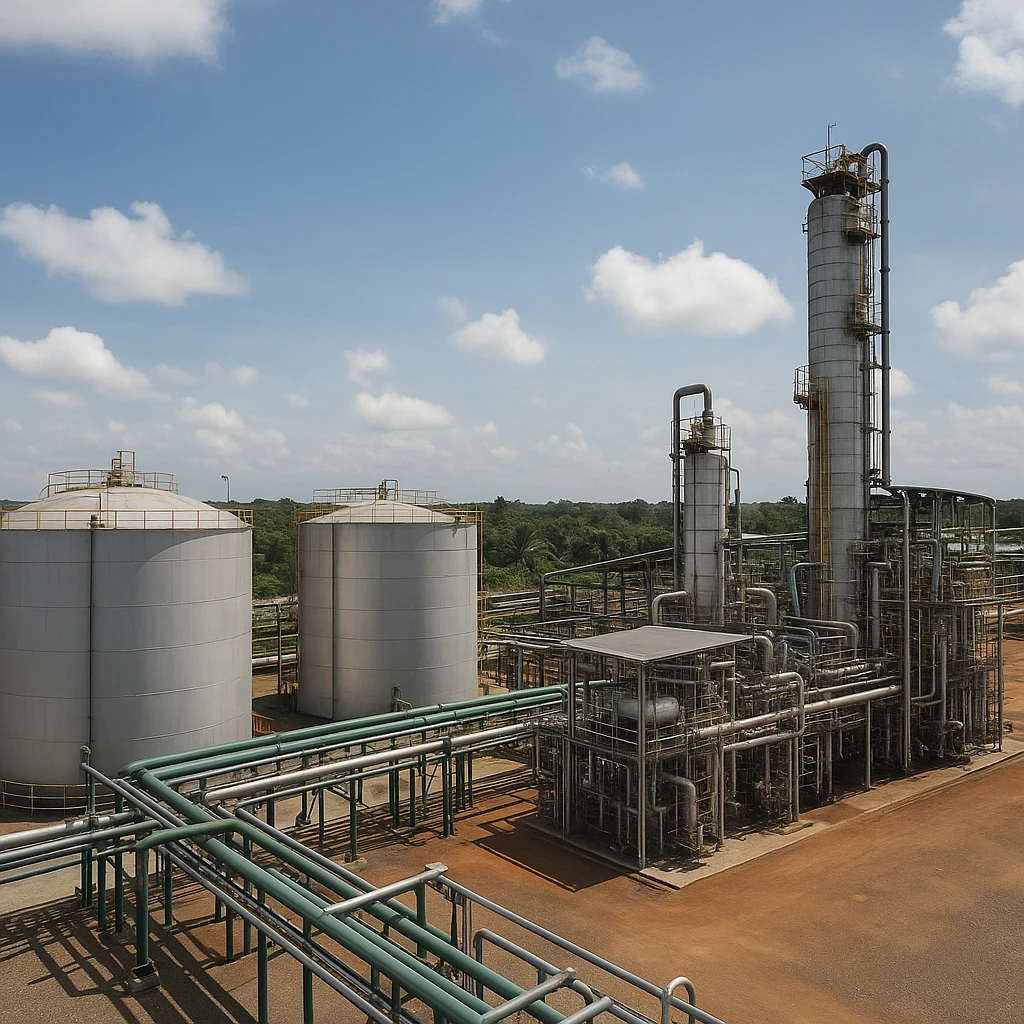
Indonesia’s mandatory B50 biodiesel blend, set for nationwide rollout by October, continues to dominate market attention. All gas stations will be required to sell the 50% palm oil-based fuel, a policy that analysts estimate could divert up to $2.7 billion in export volumes toward domestic consumption. The move is expected to tighten global palm oil supplies and support prices, though the full impact will depend on implementation pace and crude oil price dynamics.
Malaysian palm oil futures rebounded last week on stronger competing edible oils and a weaker ringgit, but rising domestic stockpiles have kept a lid on gains. Inventory buildup in Malaysia, the world’s second-largest producer, is tempering the bullish sentiment generated by Indonesia’s mandate. Market participants are now watching for signs of whether higher Malaysian output can offset some of the supply tightness expected from Jakarta’s policy.
The June FAO Vegetable Oil Price Index rose 23.3% year-on-year, reflecting broad strength across the oils complex. Soybean oil prices have climbed to three-week highs amid geopolitical tensions in the Middle East and surging biofuel demand in the US. Crude oil’s rally has also provided a tailwind for palm oil, as higher energy prices improve the competitiveness of biodiesel.
El Niño remains a key uncertainty for the 2026-27 outlook. Analysts have raised price forecasts on expectations that dry weather could curb yields in Indonesia and Malaysia later this year. The potential for a supply shock adds a risk premium to forward contracts, even as near-term physical trade remains subdued.
On the trade front, Indonesia and Russia signed a memorandum of understanding to expand palm oil cooperation, opening a potential new outlet for Indonesian exports. Meanwhile, Thailand has tightened its palm oil export controls, reshaping regional supply flows and potentially diverting more demand toward Malaysian and Indonesian origins.
Takeaway for buyers: Monitor Indonesia’s B50 rollout timeline and Malaysian stock data closely. The interplay between mandated biodiesel demand and El Niño-driven supply risks could create price volatility in the coming months. Keep an eye on crude oil trends as a key driver of palm oil’s energy-linked demand.
Sources: Jakarta Globe; UkrAgroConsult; Finimize; mediaselangor.com; Sunsirs; Oils & Fats International
Mandatory B50 biodiesel blend by October tightens domestic demand, threatens export revenue, and shifts regional dynamics.
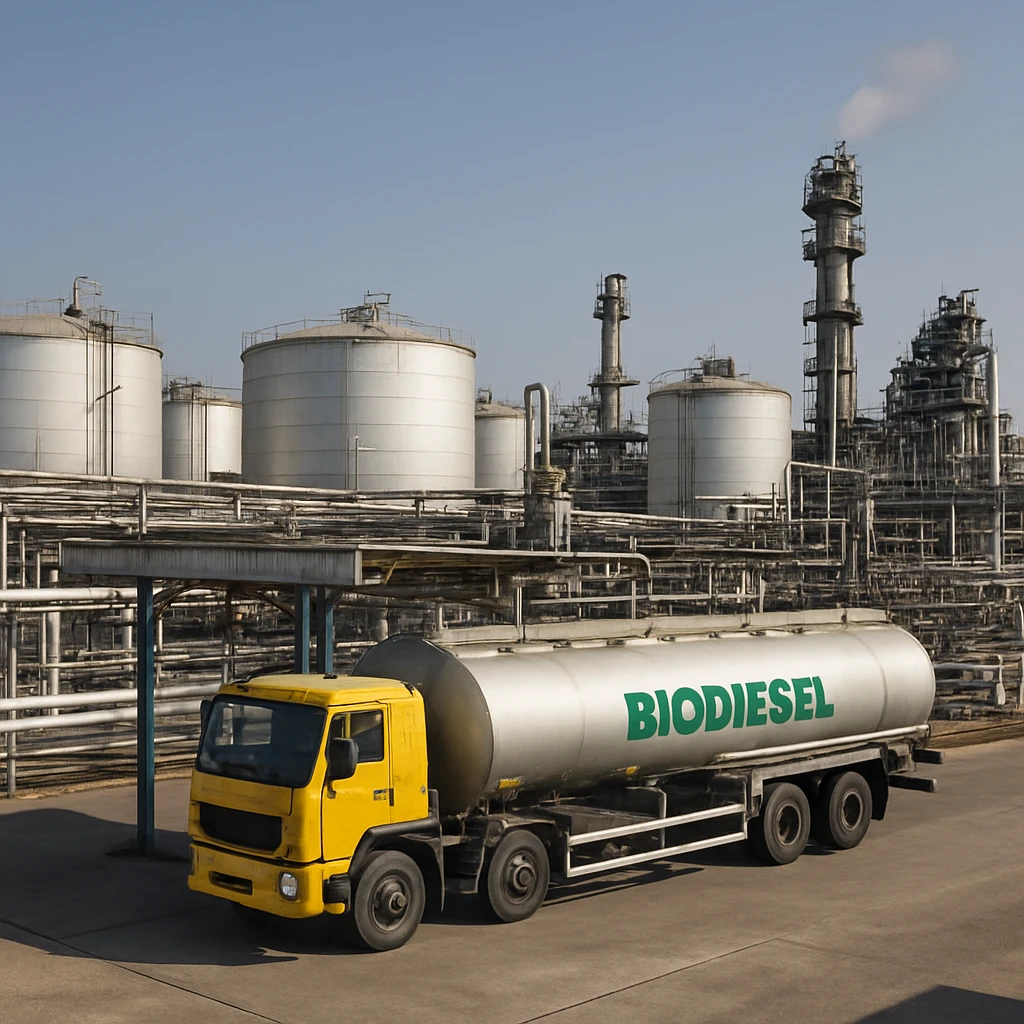
Indonesia’s mandatory B50 palm oil biodiesel blend, set for rollout at all gas stations by October 2026, is already reshaping supply-demand balances and compliance strategies for buyers worldwide.
The B50 mandate requires a 50% palm oil blend in biodiesel, sharply increasing domestic consumption. Analysts project this could lift palm oil use by several million tonnes annually, tightening global availability. The policy is part of Indonesia’s energy security push to cut fuel imports and support crude palm oil (CPO) prices.
Industry estimates warn the program may divert up to $2.7 billion in palm oil export revenue as more volume stays home. For compliance-minded buyers, this signals potential supply constraints and higher premiums for certified sustainable palm oil (CSPO) from other origins.
Malaysian palm oil producers could benefit from the shift, as global buyers seek alternative sources to fill the gap left by Indonesian exports. This may support Malaysian CPO prices and encourage increased production, though weather risks from El Niño remain a factor.
Several analysts have raised palm oil price forecasts for 2026-27, citing both the biodiesel mandate and lingering El Niño effects. Higher domestic demand in Indonesia is expected to keep benchmark prices elevated, squeezing margins for downstream users.
Buyers should monitor Indonesia’s enforcement timeline and any potential delays or exemptions. The mandate’s impact on export availability may accelerate demand for palm oil from Malaysia, Thailand, and other origins. Sustainability certification and traceability will become more critical as supply chains adjust to the new regulatory landscape.
Overall, the B50 mandate marks a structural shift in palm oil markets, with domestic policy now a primary driver of global supply dynamics.
Sources: Jakarta Globe; mediaselangor.com; energynews.pro; The Jakarta Post; Reuters
A practical guide to the four RSPO supply-chain models for palm oil buyers.
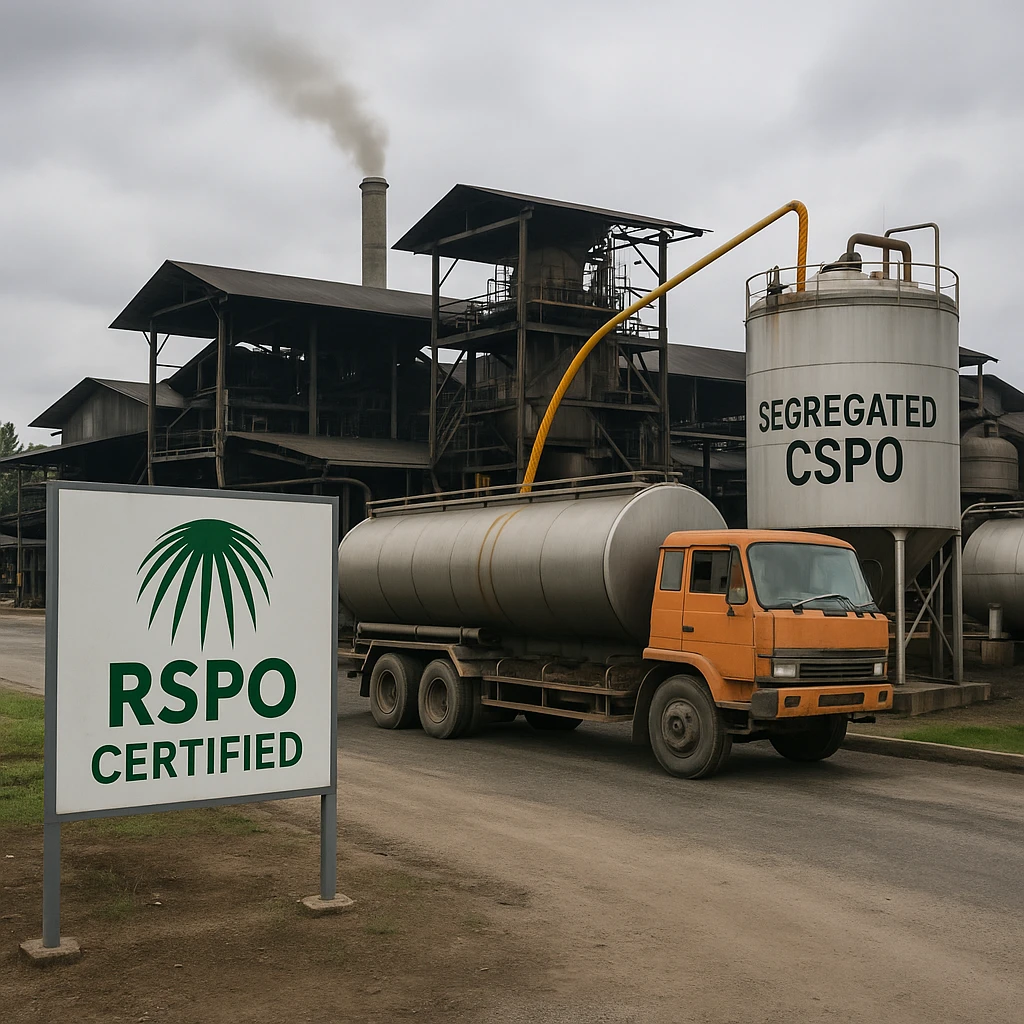
The Roundtable on Sustainable Palm Oil (RSPO) certifies palm oil produced according to its environmental and social principles. For buyers, the certification system offers four distinct supply-chain models. Each model controls how certified sustainable palm oil (CSPO) is tracked from plantation to end product.
Identity Preserved is the strictest model. Certified oil from a single, known plantation is kept physically separate from all other palm oil throughout the supply chain. Every tank, vessel, and pipeline is dedicated to that specific source. IP guarantees the buyer that the oil in their product comes directly from that one certified mill and plantation. This model is used by buyers who require full traceability to origin.
Segregated allows certified oil from multiple RSPO-certified sources to be mixed, as long as it never touches non-certified oil. The supply chain is physically separated: dedicated storage, transport, and processing lines. The buyer receives certified oil, but the exact plantation of origin is not guaranteed. Segregated is the most common model for buyers who want certified content without the cost of full identity preservation.
Mass Balance is a bookkeeping model. Certified and non-certified oil are physically mixed throughout the supply chain. The system tracks the volume of certified oil entering a facility and ensures an equivalent volume of certified oil is sold as Mass Balance. The buyer receives a blend, but the seller claims only the certified volume. This model is widely used because it does not require separate logistics, making it more accessible and cheaper for large-volume buyers.
Book & Claim, also known as GreenPalm, is a certificate-trading model. No physical certified oil moves through the buyer’s supply chain. Instead, the buyer purchases RSPO-certified credits from certified producers. Each credit represents one tonne of CSPO. The buyer can claim support for sustainable production without handling certified oil. This model is the simplest and lowest-cost option for companies that want to contribute to sustainable palm oil but cannot physically segregate their supply chain.
Procurement managers should consider their company’s sustainability commitments, budget, and supply-chain complexity. IP offers maximum traceability but at the highest cost and complexity. Segregated balances traceability and cost. Mass Balance is practical for large, integrated supply chains. Book & Claim is the entry-level option for sustainability claims without operational changes.
Each model has its own certification requirements and audit trails. All four are valid under the RSPO system, and many buyers use a combination to meet different customer and regulatory demands.
Our market desk connects serious buyers with vetted origin suppliers across Southeast Asia. Indicative pricing, specifications and shipment guidance — free of charge.
Get connected →Mandatory B50 biodiesel blend by October tightens domestic demand, threatens export revenue, and shifts regional dynamics.
A practical guide to the four RSPO supply-chain models for palm oil buyers.
Jakarta’s biodiesel push lifts demand prospects, while Malaysian stocks cap gains and El Niño looms.
Indonesia’s mandatory B50 biodiesel blend, set for nationwide rollout by October, continues to dominate market attention. All gas stations will be required to sell the 50% palm oil-based fuel, a policy that analysts estimate could divert up to $2.7 billion in export volumes toward domestic consumption. The move is expected to tighten global palm oil supplies and support prices, though the full impact will depend on implementation pace and crude oil price dynamics.
Malaysian palm oil futures rebounded last week on stronger competing edible oils and a weaker ringgit, but rising domestic stockpiles have kept a lid on gains. Inventory buildup in Malaysia, the world’s second-largest producer, is tempering the bullish sentiment generated by Indonesia’s mandate. Market participants are now watching for signs of whether higher Malaysian output can offset some of the supply tightness expected from Jakarta’s policy.
The June FAO Vegetable Oil Price Index rose 23.3% year-on-year, reflecting broad strength across the oils complex. Soybean oil prices have climbed to three-week highs amid geopolitical tensions in the Middle East and surging biofuel demand in the US. Crude oil’s rally has also provided a tailwind for palm oil, as higher energy prices improve the competitiveness of biodiesel.
El Niño remains a key uncertainty for the 2026-27 outlook. Analysts have raised price forecasts on expectations that dry weather could curb yields in Indonesia and Malaysia later this year. The potential for a supply shock adds a risk premium to forward contracts, even as near-term physical trade remains subdued.
On the trade front, Indonesia and Russia signed a memorandum of understanding to expand palm oil cooperation, opening a potential new outlet for Indonesian exports. Meanwhile, Thailand has tightened its palm oil export controls, reshaping regional supply flows and potentially diverting more demand toward Malaysian and Indonesian origins.
Takeaway for buyers: Monitor Indonesia’s B50 rollout timeline and Malaysian stock data closely. The interplay between mandated biodiesel demand and El Niño-driven supply risks could create price volatility in the coming months. Keep an eye on crude oil trends as a key driver of palm oil’s energy-linked demand.