
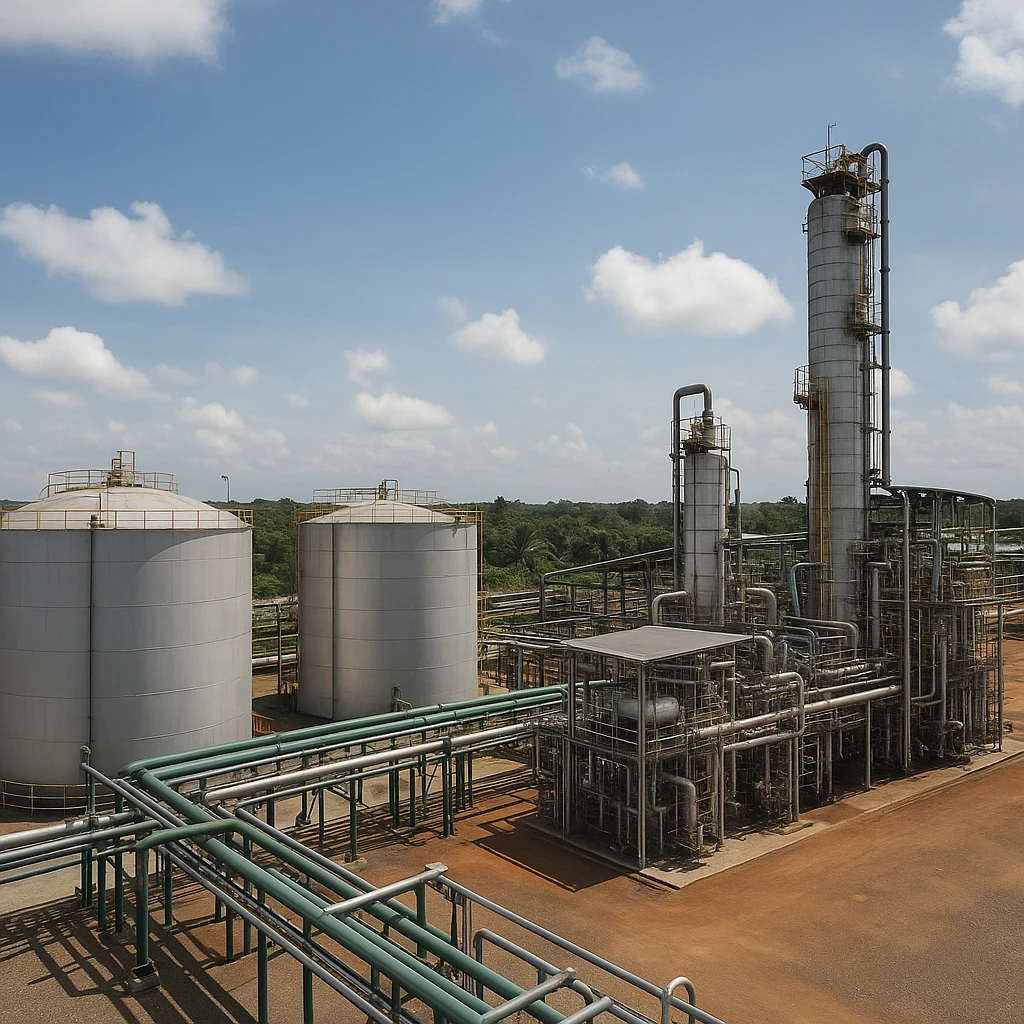
Indonesia’s mandatory B50 biodiesel blend, set for nationwide rollout by October, continues to dominate market attention. All gas stations will be required to sell the 50% palm oil-based fuel, a policy that analysts estimate could divert up to $2.7 billion in export volumes toward domestic consumption. The move is expected to tighten global palm oil supplies and support prices, though the full impact will depend on implementation pace and crude oil price dynamics.
Malaysian palm oil futures rebounded last week on stronger competing edible oils and a weaker ringgit, but rising domestic stockpiles have kept a lid on gains. Inventory buildup in Malaysia, the world’s second-largest producer, is tempering the bullish sentiment generated by Indonesia’s mandate. Market participants are now watching for signs of whether higher Malaysian output can offset some of the supply tightness expected from Jakarta’s policy.
The June FAO Vegetable Oil Price Index rose 23.3% year-on-year, reflecting broad strength across the oils complex. Soybean oil prices have climbed to three-week highs amid geopolitical tensions in the Middle East and surging biofuel demand in the US. Crude oil’s rally has also provided a tailwind for palm oil, as higher energy prices improve the competitiveness of biodiesel.
El Niño remains a key uncertainty for the 2026-27 outlook. Analysts have raised price forecasts on expectations that dry weather could curb yields in Indonesia and Malaysia later this year. The potential for a supply shock adds a risk premium to forward contracts, even as near-term physical trade remains subdued.
On the trade front, Indonesia and Russia signed a memorandum of understanding to expand palm oil cooperation, opening a potential new outlet for Indonesian exports. Meanwhile, Thailand has tightened its palm oil export controls, reshaping regional supply flows and potentially diverting more demand toward Malaysian and Indonesian origins.
Takeaway for buyers: Monitor Indonesia’s B50 rollout timeline and Malaysian stock data closely. The interplay between mandated biodiesel demand and El Niño-driven supply risks could create price volatility in the coming months. Keep an eye on crude oil trends as a key driver of palm oil’s energy-linked demand.