
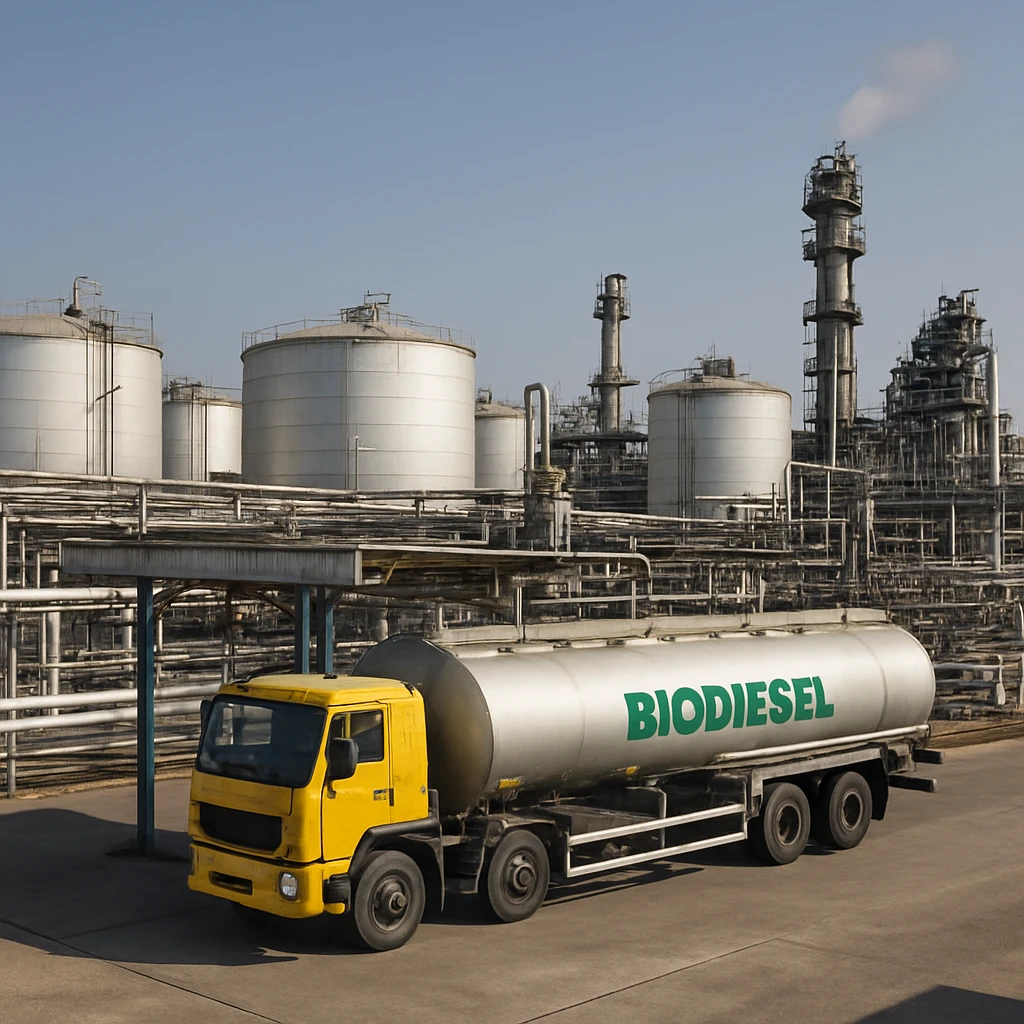
Indonesia’s mandatory B50 palm oil biodiesel blend, set for rollout at all gas stations by October 2026, is already reshaping supply-demand balances and compliance strategies for buyers worldwide.
Domestic demand surge
The B50 mandate requires a 50% palm oil blend in biodiesel, sharply increasing domestic consumption. Analysts project this could lift palm oil use by several million tonnes annually, tightening global availability. The policy is part of Indonesia’s energy security push to cut fuel imports and support crude palm oil (CPO) prices.
Export revenue at risk
Industry estimates warn the program may divert up to $2.7 billion in palm oil export revenue as more volume stays home. For compliance-minded buyers, this signals potential supply constraints and higher premiums for certified sustainable palm oil (CSPO) from other origins.
Regional spillover
Malaysian palm oil producers could benefit from the shift, as global buyers seek alternative sources to fill the gap left by Indonesian exports. This may support Malaysian CPO prices and encourage increased production, though weather risks from El Niño remain a factor.
Price and market implications
Several analysts have raised palm oil price forecasts for 2026-27, citing both the biodiesel mandate and lingering El Niño effects. Higher domestic demand in Indonesia is expected to keep benchmark prices elevated, squeezing margins for downstream users.
Compliance considerations
Buyers should monitor Indonesia’s enforcement timeline and any potential delays or exemptions. The mandate’s impact on export availability may accelerate demand for palm oil from Malaysia, Thailand, and other origins. Sustainability certification and traceability will become more critical as supply chains adjust to the new regulatory landscape.
Overall, the B50 mandate marks a structural shift in palm oil markets, with domestic policy now a primary driver of global supply dynamics.