Malaysian CPO Holds at $1,154/MT; Stocks Rise but El Niño, B50 Loom
Malaysia’s July stocks rose 7.2%, but El Niño and Indonesia’s B50 rollout are supporting the market near $1,154/MT.

Malaysian CPO is steady at RM4,664/MT, with BOPO discounts, El Niño supply fears, and Indonesia’s B50 rollout offsetting high July stocks and technical resistance.
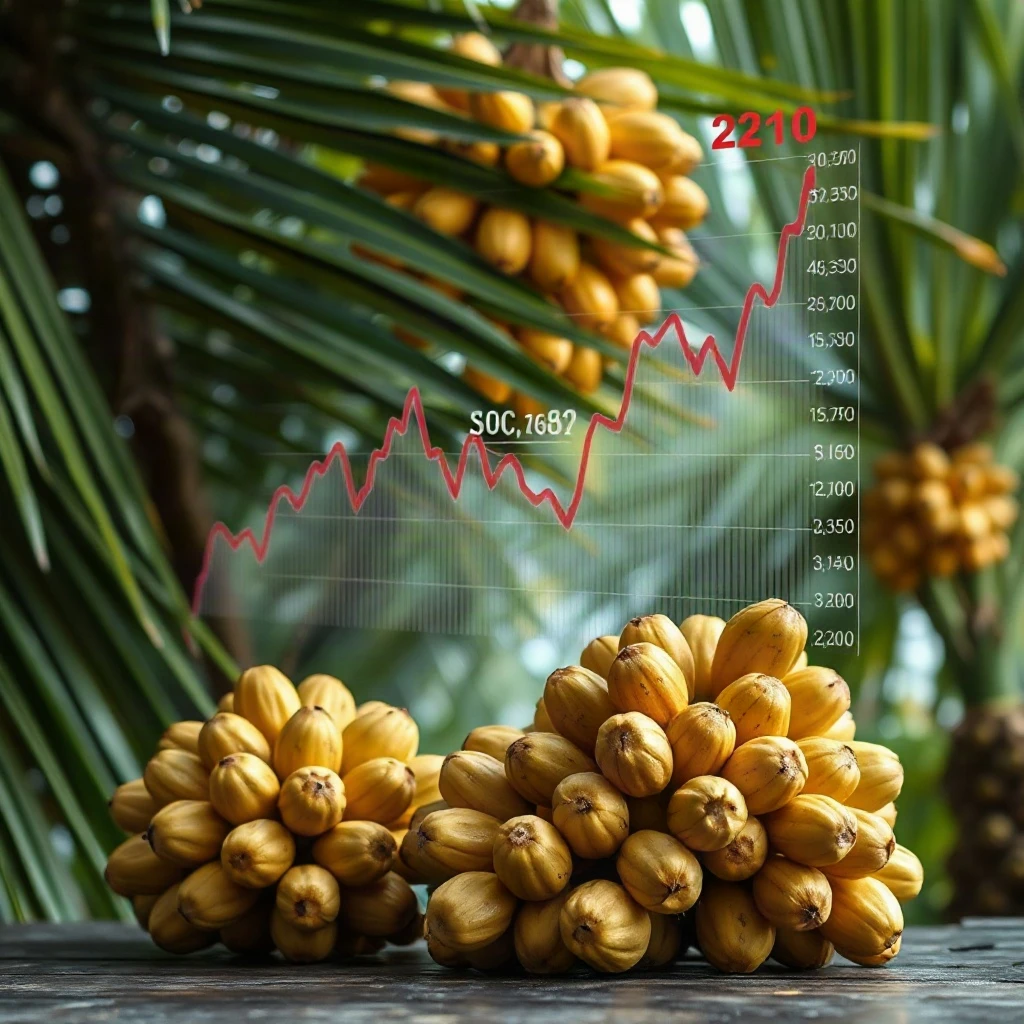
Malaysian CPO benchmark trades about $1,154/MT (RM4,664/MT) on 4 September 2026, up 0.1% from the previous session. The World Bank global benchmark sits near $1,117/MT and Indonesia’s reference price is about $1,008/MT. Brent crude is around $96/bbl, down 0.3% on the session, with USD/MYR at about 4.04. The market is holding near the upper end of its recent range, and our model’s published path is roughly flat at +0.1% over seven sessions.
The widest demand-switch lever is the soy-palm spread. At $384/MT, palm oil is heavily discounted to soybean oil, making it the cheapest major edible oil for price-sensitive buyers. Even though weak CBOT soy tempers immediate spillover, the discount is wide enough to keep palm demand sticky and discourages substitution away from palm.
El Niño is intensifying supply concerns. The ONI is at +1.8°C, Kalimantan rainfall is notably dry, and headline warnings such as GAPKI’s Indonesian output-drop warning are underpinning bullish sentiment. The yield impact is lagged, but the fear of future tightness can trigger forward buying and discourage aggressive selling.
Indonesia’s B40-to-B50 rollout is the largest single demand variable. Full B50 is targeted for 1 October 2026, with national distribution reported at 80%. This absorbs roughly 3–4 million tonnes per year. By diverting Indonesian palm oil into domestic biodiesel, it reduces exportable supply and supports Malaysian CPO.
Indonesian export charges are also shifting demand toward Malaysia. The September reference price of $1,008/MT gives a $126 levy plus a separate $148 export duty. Those high total charges squeeze Indonesian exporter margins, making Malaysian cargoes more competitive and potentially shifting demand to Malaysia.
Brent strength and a negative POGO add support. Brent is up 6.4% over seven sessions at about $95.5–96/bbl. With POGO at -$327/t, palm is cheaper than gasoil, which supports discretionary biodiesel blending and keeps palm anchored to energy markets.
The biggest bearish force is peak production and high stocks into the next MPOB release. July CPO production was 1,792,979 tonnes, up 9.4% month-on-month, and closing stocks reached 1,429,316 tonnes, up 7.2% month-on-month. Stocks are 61% above the five-year average and the stocks-to-use ratio is 12.5%, which is ample. The August seasonal path adds another 7% production and 6.7% stocks, and the next MPOB release in about seven days creates downside positioning risk if the data confirm the build.
September seasonal softness is a known headwind. Historically, September averages -0.9% month-on-month because the Malaysian production cycle peaks from July to October. That seasonal pattern makes rallies harder to sustain without a fresh demand surprise.
Technical resistance is also limiting upside. RSI is 67, near overbought, and price is near the $1,170 upper Bollinger band. Momentum z-score is -0.39, suggesting consolidation or pullback risk rather than a clean breakout.
Speculative long crowding in the soyoil complex adds liquidation risk. CFTC managed-money net long is at the 79th percentile, but it fell 9,795 contracts. Crowded longs are vulnerable if soybean oil weakens further, which could spill into palm via fund flows.
Our model outlook is not outright bullish: the near-term path is roughly flat at +0.1% over seven sessions, with missing cargo-surveyor export pace and Bursa FCPO quotes widening uncertainty. But the factor balance is 5 bullish versus 4 bearish, so the upside currently has the upper hand. Supply-side headlines keep a lid on prices, but the demand-side levers—BOPO discount, El Niño, Indonesian B50 uptake, export burden and negative POGO—are strong enough to absorb dips and prevent a sharp breakdown.
For the balance to flip decisively bearish, the next MPOB release would need to show an August stock build above the seasonal +6.7% path, a clear break below the recent Bursa FCPO consolidation range, or a sharp CBOT soy decline that forces speculative long liquidation. To extend the upside, we would need confirmation of faster Indonesian B50 uptake, stronger export pace, or a further widening of the BOPO spread.
Malaysia’s July stocks rose 7.2%, but El Niño and Indonesia’s B50 rollout are supporting the market near $1,154/MT.

Malaysian crude palm oil opened the session near $1,154/MT, a small 0.1% gain from the previous session and equivalent to RM4,664/MT at an exchange rate of 4.04 ringgit per dollar. The World Bank global palm oil benchmark was lower at around $1,117/MT, while Indonesia’s September reference price sat near $1,008/MT. Brent crude was steady at about $96/bbl, up 0.2%, supporting biodiesel blend margins.
For buyers, the key watch items are Malaysia’s export pace in the first half of September, any signs of El Niño-related yield stress in Kalimantan, and whether Indonesia’s B50 implementation stays on schedule. High stocks create a buffer, while biodiesel and weather risks could tighten the market quickly.
Sources: sawitindonesia.com; Sarawak Tribune; The Edge Malaysia; IDNFinancials; news.ddtc.co.id; Gabungan Pengusaha Kelapa Sawit Indonesia (GAPKI)
Malaysian CPO benchmark holds near flat as August export data shows softer Indian buying, while El Niño risks and Indonesia's B50 rollout offset peak supply.
Malaysian crude palm oil futures held steady, with the benchmark at about $1,153/MT (RM 4,663), up 0.1% from the previous session. The market is balancing bearish fundamentals—peak Malaysian production and larger inventories—against weather-driven supply concerns and firm energy prices.
Malaysia's July MPOB data confirmed seasonal pressure: CPO output rose 9.4% month-on-month to 1,792,979 tonnes, while closing stocks climbed 7.2% to 1,429,316 tonnes. Exports were a bright spot, up 14.5% to 1,392,178 tonnes, though imports slumped 51.9%. However, August export data now shows a decline, attributed to weak demand from India, a key buyer. This softness tempers the earlier export optimism and adds to the near-term supply-demand overhang.
Weather remains the key swing factor. ENSO is in El Niño territory (ONI +1.8), with notable dryness in Kalimantan. This has fueled supply concerns across the region, supporting prices despite the near-term glut. Malaysian authorities have offered help to smallholders to mitigate El Niño impacts, while Indonesian producers are bracing for potential output losses.
Gapki projects Indonesia's 2027 palm oil output to drop 2.9%, adding to longer-term supply tightness narratives.
Indonesia's biodiesel push is a major demand pillar. Full implementation of B50 is targeted for October 1, 2026, with national distribution reportedly reaching 80%. The program is projected to save Rp157 trillion in diesel imports. The government is also assessing feedstock supply for a B60 mandate in 2027, and state-linked entities are preparing to supply large volumes of palm oil for biodiesel. However, Gapki has flagged that feedstock supply remains a challenge, and experts emphasize the need for sustainable production and long-term testing to ensure B50's success.
Brent crude held near $95/bbl, keeping biodiesel blending economics broadly supportive. A wide BOPO spread (palm vs. gasoil) further underpins the incentive for biodiesel use.
Indonesia's September reference price rose 1.1% to about $1,008/MT, keeping the export levy at $148/MT. The global benchmark sits at about $1,117/MT, while the Malaysian CPO price trades at a premium.
Weak soybean oil and expectations of higher stocks pressured futures midweek, but El Niño concerns and biodiesel demand have limited downside. The ringgit held near 4.05 per dollar, a factor in export competitiveness.
Our model outlook is balanced-to-slightly-bullish for the near term: CPO is near 52-week highs with a strong BOPO discount, El Niño concerns, and Indonesia's B50 demand providing support, but ample Malaysian stocks, peak production, and a weak rupiah create headwinds. The next MPOB release in about seven days is key event risk; the base case sees modest gains with volatility around the data. The published path shows +1.2% over seven sessions.
Buyers should monitor final August export data from cargo surveyors, any updates on Indonesia's B50 implementation timeline, and weather forecasts for Kalimantan. A deepening El Niño could quickly shift the balance from surplus to scarcity, while any delay in biodiesel uptake would remove a key price floor.
Sources: PASBANA; HaiSawit; Kantor Berita Sawit; Bloomberg Technoz; sarawaktribune.com; SuaraGarut.ID
Full B50 implementation on 1 October 2026 and 80% distribution progress arrive as El Niño debate splits supply views.

Indonesia has scheduled the full B50 biodiesel mandate to begin on 1 October 2026, with reported national distribution already at 80 percent. This gives downstream users and feedstock suppliers a firm date for the next step-up in blending intensity. The distribution figure suggests that much of the logistics and blending infrastructure is already in place, although the final push to full implementation may still require adjustments in procurement and fuel allocation.
Recent reports highlight two strands on crude palm oil availability. On one side, El Niño has been cited as a factor affecting CPO production, and some stakeholders are calling for changes to the existing B50 funding mechanism to address cost or supply pressure. On the other side, the Indonesian Palm Oil Association describes the weather impact as contained and expresses optimism about the industry's ability to manage the 2026 policy. This divergence means buyers should not assume a single supply scenario; they need to track both production estimates and any policy changes on levy or subsidy support.
A specific supply anchor comes from Agrinas, which manages one million hectares of oil palm and states it is ready to deliver 1.5 million tonnes of biodiesel. That volume can help cover part of the incremental feedstock demand created by B50, but it is not a substitute for clear rules around funding and eligibility.
For buyers with renewable fuel obligations, the 1 October 2026 date removes some uncertainty around timing. The distribution milestone of 80 percent also indicates that blending is already happening at scale, which can reduce the risk of sudden supply gaps. However, buyers should monitor several policy and market signposts:
From a compliance perspective, the key question is not just whether B50 starts on schedule but whether feedstock pricing and funding support remain stable enough to avoid last-minute waivers or delays. The industry view is cautiously optimistic, but the funding debate and weather-related CPO concerns suggest that buyers should keep contingency plans for price volatility and potential changes in blending ratios or subsidy structures.
Sources: sawitindonesia.com; Bloomberg Technoz; Bloomberg Technoz; Gabungan Pengusaha Kelapa Sawit Indonesia (GAPKI)
Full B50 implementation targeted Oct 1; B60 assessments underway—policy signals tighten domestic CPO use.
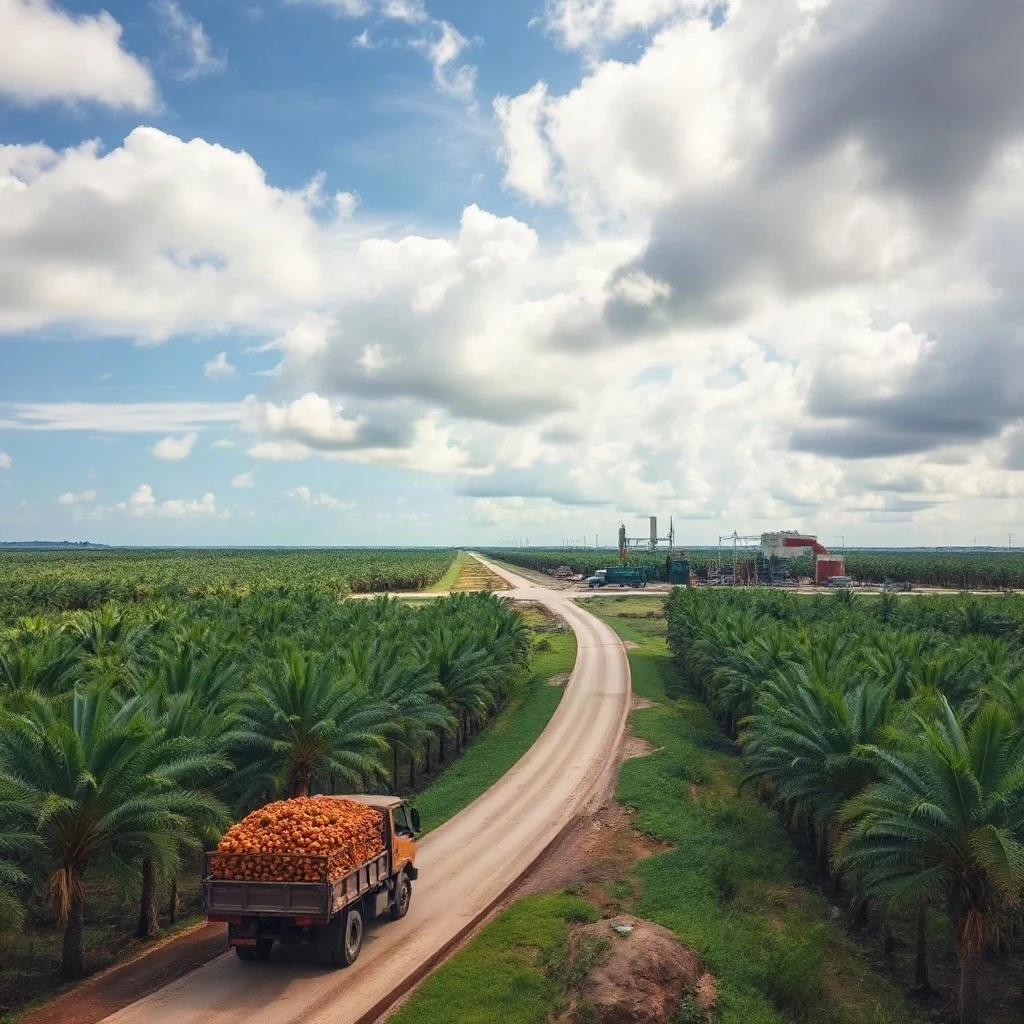
Indonesia is pressing ahead with its biodiesel agenda, with full implementation of the B50 mandate now targeted to begin on October 1, 2026. Reports indicate national distribution has already reached 80 percent, signaling that the government sees the blending program as operationally viable ahead of the formal start date. The move aligns with projections that B50 will save around Rp157 trillion in diesel imports, underscoring the fiscal rationale behind the policy.
The timing of the full B50 rollout coincides with peak Malaysian production and elevated stocks in July, which have kept near-term CPO prices under mild pressure. However, Indonesia's expanding domestic absorption of palm oil for biodiesel is a key counterweight. With the mandate set to consume a growing share of Indonesian supply, export availability from the world's largest producer could tighten, supporting global prices over the medium term.
Market participants are also watching the government's push toward B60, with preparations reportedly underway for a 2027 rollout. Authorities are assessing CPO supply adequacy to ensure feedstock availability for higher blend rates. This forward policy commitment reinforces the structural demand story for palm oil, even as near-term fundamentals remain soft.
Despite the ambitious timeline, questions persist over the funding mechanism for B50. Some policymakers and industry voices have urged a revision of the current financing scheme, particularly as El Niño conditions—with an ONI of +1.8—raise concerns about production shortfalls. Dry weather in parts of Kalimantan could curb output, potentially straining the domestic supply pool needed to meet both food and fuel demand.
A separate development involves Agrinas, which is reported to manage one million hectares of oil palm and is poised to supply 1.5 million tons of biodiesel feedstock. This could ease some supply pressure, though the scale of the B50 and eventual B60 mandates will require sustained investment in both upstream and downstream capacity.
For buyers sourcing palm oil from Indonesia, the policy trajectory means export volumes may face periodic constraints as domestic blending obligations take priority. Compliance-minded purchasers should monitor the October 1 rollout date and any adjustments to the funding scheme, as these will directly influence export availability and pricing. The widening BOPO spread—the gap between biodiesel and diesel prices—also remains a factor, as it affects the economics of blending and the government's willingness to sustain subsidies.
Our model outlook remains mildly negative for near-term CPO, but the structural support from Indonesia's biodiesel push, combined with a strengthening El Niño, could limit downside. With cargo-surveyor export data and Bursa FCPO quotes yet to confirm pace, uncertainty persists. Policy clarity from Jakarta will be key in shaping the next phase of price direction.
A practical guide for procurement managers and first-time buyers separating fact from fiction.
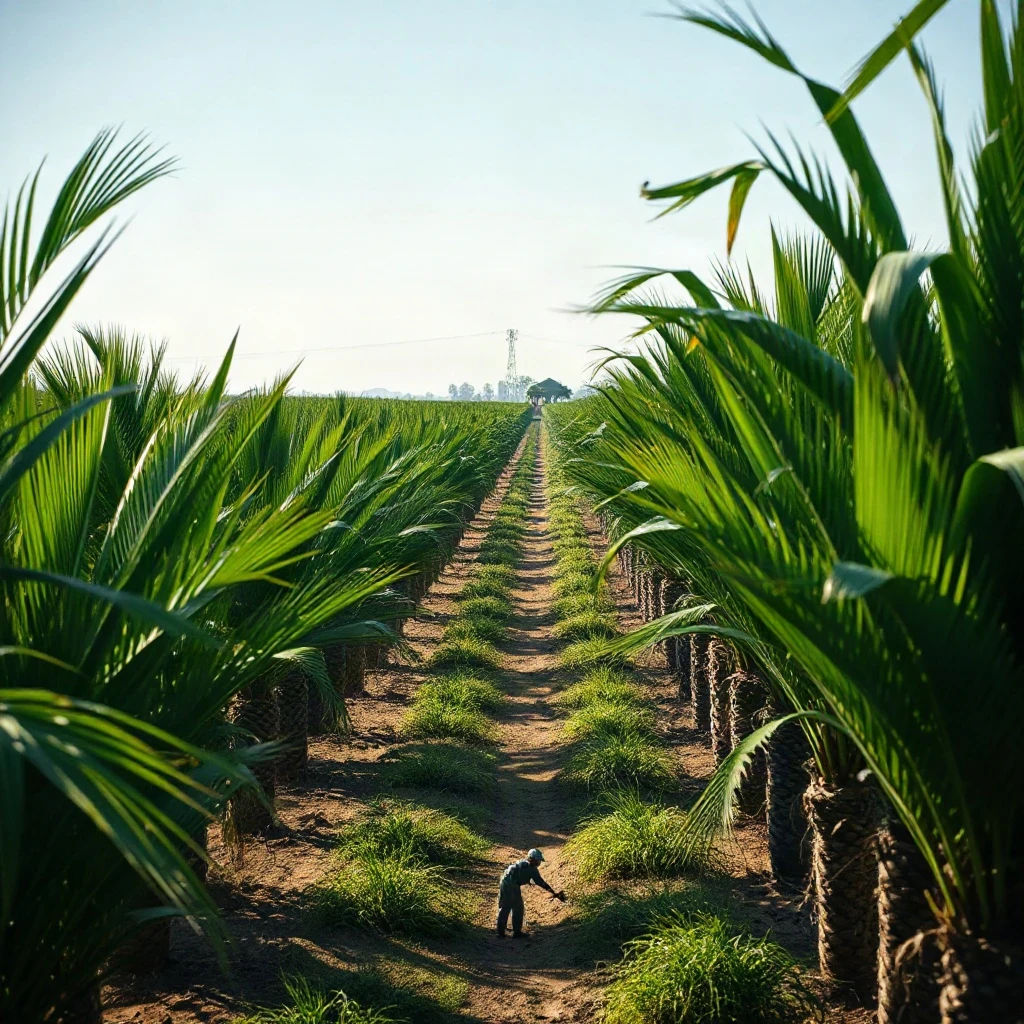
Palm oil is one of the most widely used vegetable oils in the world, yet it is also one of the most misunderstood. For procurement managers and first-time buyers, separating fact from fiction is essential. Here are five common myths, debunked with industry knowledge.
Palm oil is often lumped together with trans fats, but the two are very different. Naturally refined palm oil contains no trans fats. It is rich in vitamin A precursors and tocotrienols, a form of vitamin E. Like all oils, it is high in saturated fat, but its fatty acid profile is balanced, making it a common ingredient in food products worldwide. Moderation is key, as with any dietary fat.
While palm oil is famous for its use in cooking and processed foods, its derivatives appear in a wide range of non-food products. You will find palm-based ingredients in soaps, detergents, cosmetics, candles, and even biofuels. Its versatility and functional properties, such as stability at high temperatures and a smooth texture, make it a preferred choice across many industries.
There is no single "palm oil." The industry produces different types: crude palm oil from the fruit, palm kernel oil from the seed, and various refined, bleached, and deodorized (RBD) products. Each has distinct characteristics and uses. Furthermore, palm oil is grown in different regions, each with its own environmental and social contexts. Buyers can choose from certified sustainable options, which adhere to strict environmental and social criteria.
Palm oil has been linked to deforestation, but it is not the sole or even the primary driver globally. Other commodities like beef, soy, and timber contribute significantly to forest loss. The palm oil industry has made progress in recent years, with many producers committing to zero-deforestation policies. Certification schemes, such as those from the Roundtable on Sustainable Palm Oil (RSPO), help buyers source responsibly. However, challenges remain, and buyers should verify their supply chains.
Critics argue that sustainable palm oil is an oxymoron. Yet, the industry has developed robust standards that address environmental and social issues. Certified sustainable palm oil is produced under strict guidelines that protect high-conservation-value areas, respect workers' rights, and ensure transparency. While no system is perfect, certified sustainable palm oil offers a practical path for buyers to support responsible production.
For procurement professionals, understanding these nuances is critical. By looking beyond the myths, buyers can make informed decisions that balance cost, quality, and sustainability.
Our market desk connects serious buyers with vetted origin suppliers across Southeast Asia. Indicative pricing, specifications and shipment guidance — free of charge.
Get connected →Malaysia’s July stocks rose 7.2%, but El Niño and Indonesia’s B50 rollout are supporting the market near $1,154/MT.
Malaysian CPO benchmark holds near flat as August export data shows softer Indian buying, while El Niño risks and Indonesia's B50 rollout offset peak supply.
Full B50 implementation on 1 October 2026 and 80% distribution progress arrive as El Niño debate splits supply views.
Full B50 implementation targeted Oct 1; B60 assessments underway—policy signals tighten domestic CPO use.
A practical guide for procurement managers and first-time buyers separating fact from fiction.
Malaysian CPO is steady at RM4,664/MT, with BOPO discounts, El Niño supply fears, and Indonesia’s B50 rollout offsetting high July stocks and technical resistance.
Malaysian CPO benchmark trades about $1,154/MT (RM4,664/MT) on 4 September 2026, up 0.1% from the previous session. The World Bank global benchmark sits near $1,117/MT and Indonesia’s reference price is about $1,008/MT. Brent crude is around $96/bbl, down 0.3% on the session, with USD/MYR at about 4.04. The market is holding near the upper end of its recent range, and our model’s published path is roughly flat at +0.1% over seven sessions.
The widest demand-switch lever is the soy-palm spread. At $384/MT, palm oil is heavily discounted to soybean oil, making it the cheapest major edible oil for price-sensitive buyers. Even though weak CBOT soy tempers immediate spillover, the discount is wide enough to keep palm demand sticky and discourages substitution away from palm.
El Niño is intensifying supply concerns. The ONI is at +1.8°C, Kalimantan rainfall is notably dry, and headline warnings such as GAPKI’s Indonesian output-drop warning are underpinning bullish sentiment. The yield impact is lagged, but the fear of future tightness can trigger forward buying and discourage aggressive selling.
Indonesia’s B40-to-B50 rollout is the largest single demand variable. Full B50 is targeted for 1 October 2026, with national distribution reported at 80%. This absorbs roughly 3–4 million tonnes per year. By diverting Indonesian palm oil into domestic biodiesel, it reduces exportable supply and supports Malaysian CPO.
Indonesian export charges are also shifting demand toward Malaysia. The September reference price of $1,008/MT gives a $126 levy plus a separate $148 export duty. Those high total charges squeeze Indonesian exporter margins, making Malaysian cargoes more competitive and potentially shifting demand to Malaysia.
Brent strength and a negative POGO add support. Brent is up 6.4% over seven sessions at about $95.5–96/bbl. With POGO at -$327/t, palm is cheaper than gasoil, which supports discretionary biodiesel blending and keeps palm anchored to energy markets.
The biggest bearish force is peak production and high stocks into the next MPOB release. July CPO production was 1,792,979 tonnes, up 9.4% month-on-month, and closing stocks reached 1,429,316 tonnes, up 7.2% month-on-month. Stocks are 61% above the five-year average and the stocks-to-use ratio is 12.5%, which is ample. The August seasonal path adds another 7% production and 6.7% stocks, and the next MPOB release in about seven days creates downside positioning risk if the data confirm the build.
September seasonal softness is a known headwind. Historically, September averages -0.9% month-on-month because the Malaysian production cycle peaks from July to October. That seasonal pattern makes rallies harder to sustain without a fresh demand surprise.
Technical resistance is also limiting upside. RSI is 67, near overbought, and price is near the $1,170 upper Bollinger band. Momentum z-score is -0.39, suggesting consolidation or pullback risk rather than a clean breakout.
Speculative long crowding in the soyoil complex adds liquidation risk. CFTC managed-money net long is at the 79th percentile, but it fell 9,795 contracts. Crowded longs are vulnerable if soybean oil weakens further, which could spill into palm via fund flows.
Our model outlook is not outright bullish: the near-term path is roughly flat at +0.1% over seven sessions, with missing cargo-surveyor export pace and Bursa FCPO quotes widening uncertainty. But the factor balance is 5 bullish versus 4 bearish, so the upside currently has the upper hand. Supply-side headlines keep a lid on prices, but the demand-side levers—BOPO discount, El Niño, Indonesian B50 uptake, export burden and negative POGO—are strong enough to absorb dips and prevent a sharp breakdown.
For the balance to flip decisively bearish, the next MPOB release would need to show an August stock build above the seasonal +6.7% path, a clear break below the recent Bursa FCPO consolidation range, or a sharp CBOT soy decline that forces speculative long liquidation. To extend the upside, we would need confirmation of faster Indonesian B50 uptake, stronger export pace, or a further widening of the BOPO spread.