
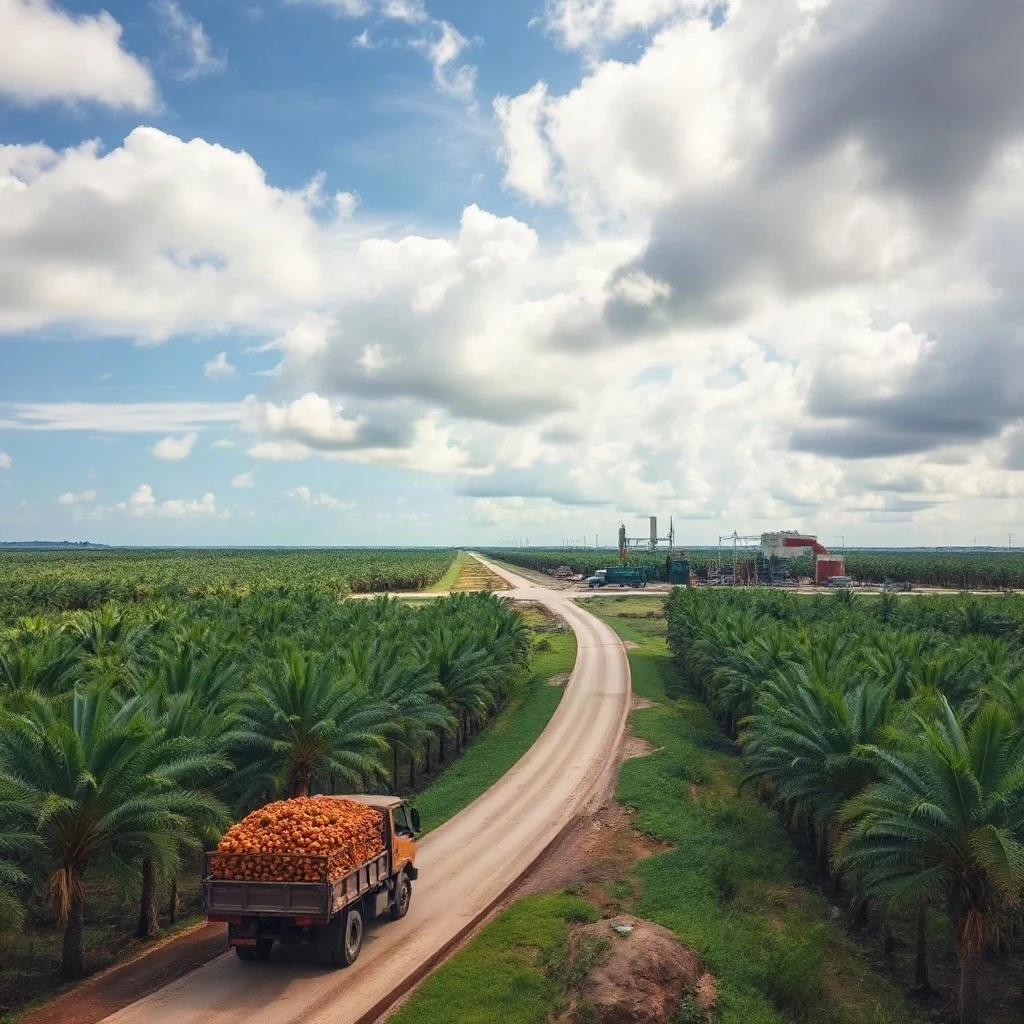
Indonesia is pressing ahead with its biodiesel agenda, with full implementation of the B50 mandate now targeted to begin on October 1, 2026. Reports indicate national distribution has already reached 80 percent, signaling that the government sees the blending program as operationally viable ahead of the formal start date. The move aligns with projections that B50 will save around Rp157 trillion in diesel imports, underscoring the fiscal rationale behind the policy.
Supply and demand signals
The timing of the full B50 rollout coincides with peak Malaysian production and elevated stocks in July, which have kept near-term CPO prices under mild pressure. However, Indonesia's expanding domestic absorption of palm oil for biodiesel is a key counterweight. With the mandate set to consume a growing share of Indonesian supply, export availability from the world's largest producer could tighten, supporting global prices over the medium term.
Market participants are also watching the government's push toward B60, with preparations reportedly underway for a 2027 rollout. Authorities are assessing CPO supply adequacy to ensure feedstock availability for higher blend rates. This forward policy commitment reinforces the structural demand story for palm oil, even as near-term fundamentals remain soft.
Funding and feedstock concerns
Despite the ambitious timeline, questions persist over the funding mechanism for B50. Some policymakers and industry voices have urged a revision of the current financing scheme, particularly as El Niño conditions—with an ONI of +1.8—raise concerns about production shortfalls. Dry weather in parts of Kalimantan could curb output, potentially straining the domestic supply pool needed to meet both food and fuel demand.
A separate development involves Agrinas, which is reported to manage one million hectares of oil palm and is poised to supply 1.5 million tons of biodiesel feedstock. This could ease some supply pressure, though the scale of the B50 and eventual B60 mandates will require sustained investment in both upstream and downstream capacity.
Compliance-minded buyers
For buyers sourcing palm oil from Indonesia, the policy trajectory means export volumes may face periodic constraints as domestic blending obligations take priority. Compliance-minded purchasers should monitor the October 1 rollout date and any adjustments to the funding scheme, as these will directly influence export availability and pricing. The widening BOPO spread—the gap between biodiesel and diesel prices—also remains a factor, as it affects the economics of blending and the government's willingness to sustain subsidies.
Our model outlook remains mildly negative for near-term CPO, but the structural support from Indonesia's biodiesel push, combined with a strengthening El Niño, could limit downside. With cargo-surveyor export data and Bursa FCPO quotes yet to confirm pace, uncertainty persists. Policy clarity from Jakarta will be key in shaping the next phase of price direction.