Palm oil near MYR4,661; El Niño, B60 signals vs ample July stocks
Malaysian CPO holds around $1,153/MT as Indonesia's B60 acceleration and El Niño concerns meet higher July MPOB production and stocks.

Bullish biodiesel economics and a wide soy-palm spread support buyers, but September seasonality and the coming MPOB print cap the rally. Our model sees five bullish factors outwei
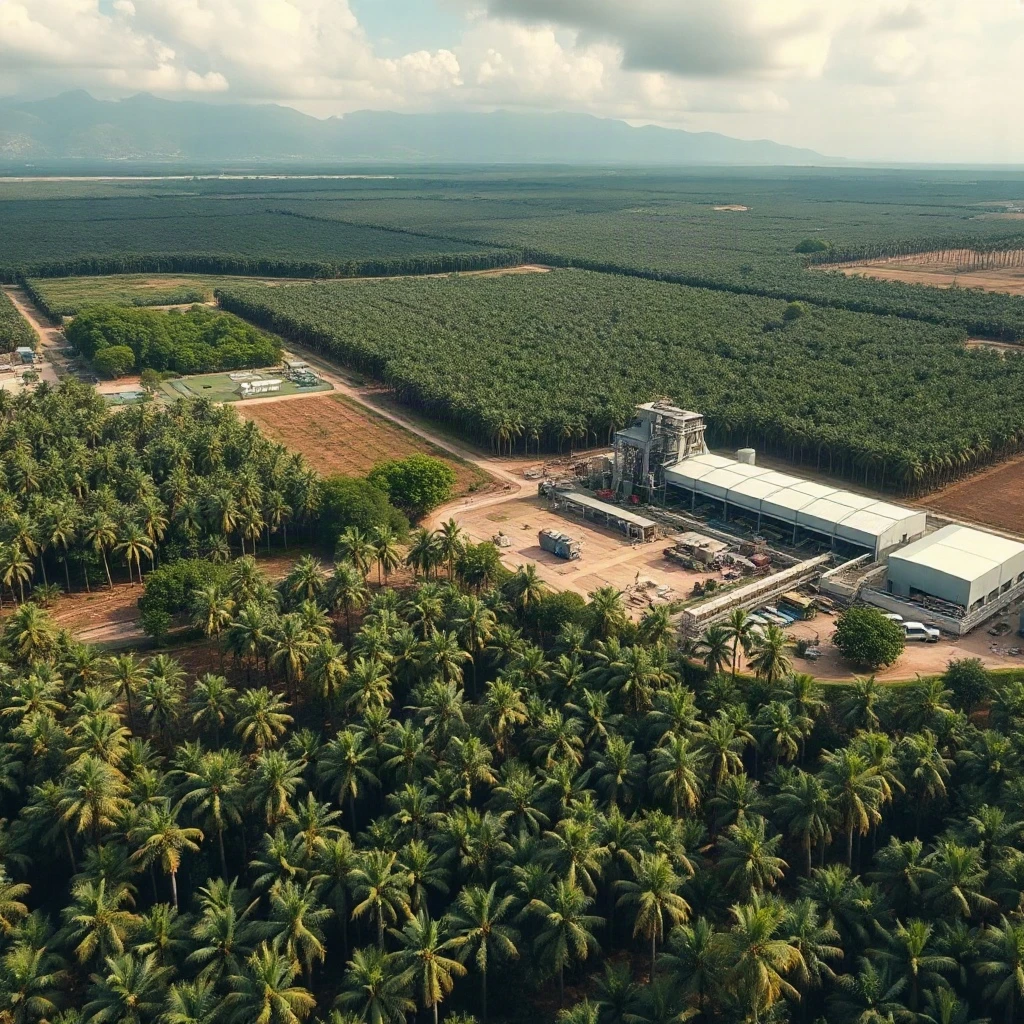
The second is El Niño supply risk. The ONI is +1.4°C, and GAPKI expects 2027 output to fall by up to 3 million tonnes, or 2.9%. Palm has a lagged supply response of 6-12 months, so current El Niño conditions are not a spot supply shortage but a forward supply risk; the market is adding a weather premium now.
The third is the wide soy-palm spread. CBOT soybean oil is around $1,555/MT against CPO at $1,152/MT, leaving the BOPO spread at about $404/MT. Palm is heavily discounted, which encourages buyers to substitute palm for soybean oil and supports demand.
The fourth is biodiesel economics. Brent crude strength, with a seven-day gain of 5.6%, keeps the palm oil-gas oil spread at about -$329/MT, at the 0th percentile. Blending palm-based biodiesel is economic before mandates, and Indonesia's B40 program, with B50 phasing in, adds a structural demand pull on palm oil.
The fifth is technical momentum. RSI is 65, MACD is positive, the 5-day and 20-day SMAs have formed a golden cross, and price is above the 5, 20 and 50-day SMAs. The upper Bollinger band near $1,167 is near resistance, but the trend remains up.
The second is September seasonality and the next MPOB release. September historically averages a 0.9% month-on-month decline in CPO, and the production path one month ahead is +7.0%. With the August MPOB release about eight days away, traders have an event risk that could confirm another stock build.
The third is Indonesian selling pressure tied to the rupiah. USD/IDR is around 17,770. A weaker rupiah lowers Indonesian exporters' costs in dollar terms and makes selling into export markets more attractive, increasing near-term supply and weighing on price. Extreme weakness could eventually trigger export-curbing policy, but for now it is a bearish flow.
The balance would flip if the August MPOB report shows a larger-than-seasonal production ramp or another stock build, if crude and soybean oil reverse lower while BOPO narrows, or if funds begin liquidating the crowded soyoil long at the same time Indonesian export selling intensifies.
Malaysian CPO holds around $1,153/MT as Indonesia's B60 acceleration and El Niño concerns meet higher July MPOB production and stocks.
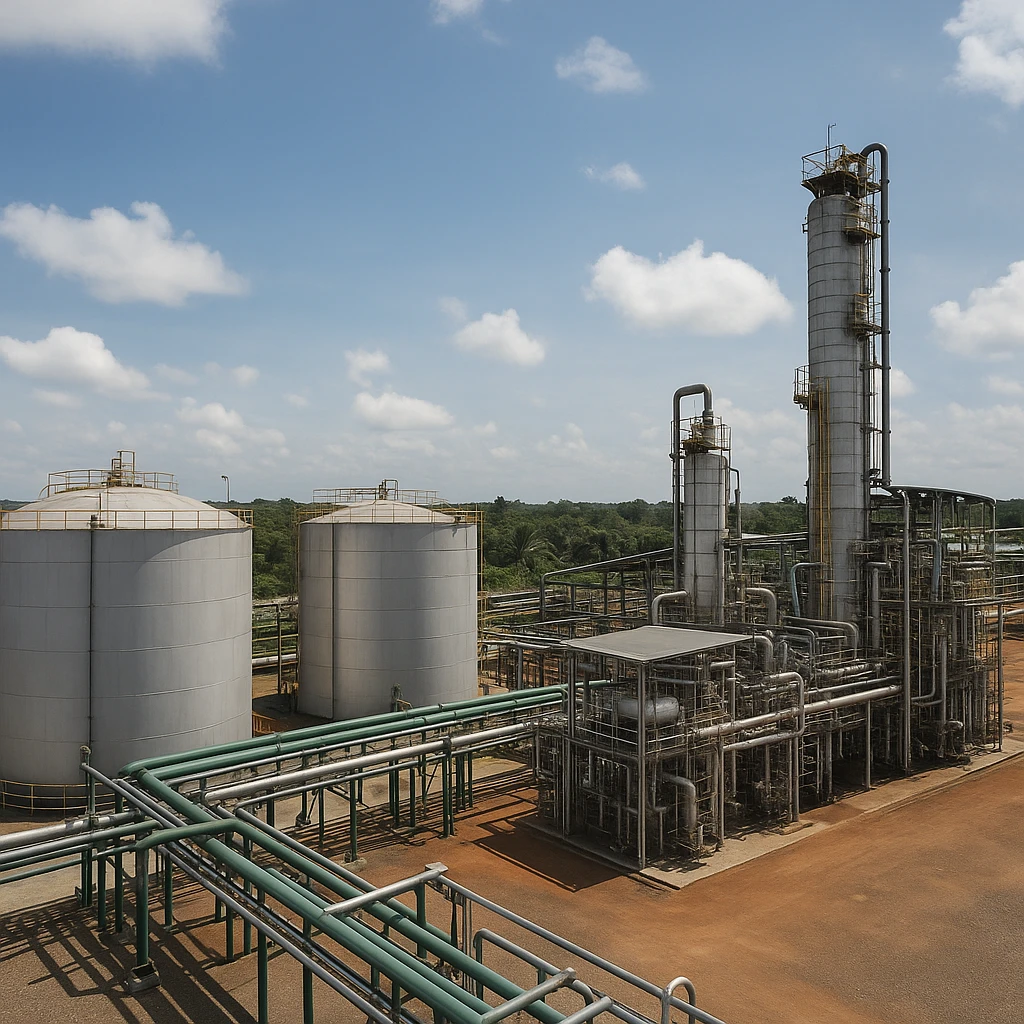
Malaysian CPO benchmark is about $1,153/MT, down 0.2% from the previous session, or RM4,661/MT at USD/MYR around 4.04. The World Bank palm oil benchmark is about $1,117/MT and Indonesia's Kemendag reference is about $1,008/MT. Brent crude is about $95/bbl, down 0.3%, which matters for biodiesel blend economics.
MPOB July 2026 data show Malaysian CPO production at 1,792,979 tonnes, up 9.4% month-on-month, while closing stocks rose 7.2% to 1,429,316 tonnes. Exports grew 14.5% to 1,392,178 tonnes, but imports fell 51.9% to 49,566 tonnes. The stocks-to-use ratio is 12.5%, and the FFB reference rose 1.2% to RM49.50. These are ample July numbers and one reason the market is not surging despite bullish policy signals.
Weather remains a supply-side risk. ENSO is El Niño with ONI +1.4, though rainfall is broadly normal across the belts. GAPKI headlines say El Niño is estimated to press Indonesian production by up to 3 million tonnes, and Indonesia's 2027 palm oil output is projected to drop 2.9% to 56.8 million tonnes. GAPKI also framed El Niño impact as manageable and expressed industry optimism on B50 implementation in 2026. At the same time, Indonesia is consolidating raw materials and technical specifications for accelerated B60 in 2027, while the September CPO reference price and export duty were set higher, with duty at USD148 per MT. MPOC expects CPO prices to stay above MYR4,600 in September amid tightening supply and geopolitical disruptions.
Brent near $95/bbl supports biodiesel blending economics, and Indonesian policy signals add medium-term demand for palm oil. However, the ample July MPOB stocks and soft September seasonality argue against a sharp move. Our model outlook anchors CPO at $1,152/MT (MYR4,658), near a 52-week high, and sees choppy consolidation with modest upside into the August MPOB release; missing cargo-survey and Bursa data widen uncertainty. The published path is +1.2% over seven sessions. That anchors the range near the 52-week high, so buyers should note upside may be gradual rather than abrupt.
Sources: Kantor Berita Sawit; IDX Channel; Gabungan Pengusaha Kelapa Sawit Indonesia (GAPKI); business-standard.com; Pontianak Post; Pontianak Post
Malaysian benchmark holds above $1,150/MT; September reference price up, MPOC sees support above MYR4,600 despite weaker soybean oil.

Malaysian crude palm oil futures held near 52-week highs on Wednesday, with the benchmark contract at about $1,152/MT (MYR 4,660), down 0.2% from the previous session. The global benchmark was around $1,117/MT, while Indonesia's reference price for September 2026 rose to $1,007.51/ton, reflecting tighter supply expectations amid El Niño and the country's B50 biodiesel policy. The ringgit traded near 4.04 per dollar, and Brent crude was about $95/bbl, lending support to biodiesel economics.
Malaysia's July MPOB data showed production at 1.79 million tonnes, up 9.4% month-on-month, while closing stocks rose 7.2% to 1.43 million tonnes. Exports jumped 14.5% to 1.39 million tonnes, but imports fell sharply by 51.9% to just under 50,000 tonnes. The stock build was larger than some expected, yet the market shrugged off the bearish signal as forward supply concerns dominate.
El Niño conditions persist, with the ONI index at +1.4, and rainfall across key belts is broadly normal for now. However, Indonesian producer group GAPKI warns that El Niño could cut output, with 2027 production potentially declining by 2.9% to 56.8 million tonnes. GAPKI is urging accelerated replanting (PSR) to avoid a supply deficit next year, and Malaysian authorities, including KPK and MPOB, are helping smallholders mitigate El Niño impacts.
Indonesia's September 2026 CPO reference price rose to $1,007.51/ton, up from the prior month, aligning with tighter supply expectations driven by El Niño and the B50 biodiesel mandate. The government is also assessing crude palm oil supply for a B60 rollout slated for 2027, consolidating feedstock and technical specifications. Acceleration of biodiesel mandates is seen as a structural demand boost, though some analysts warn of higher costs and potential upward pressure on domestic cooking-oil prices.
CPO futures closed lower today, tracking weaker soybean oil futures in the broader oils complex. Despite this, the Malaysian Palm Oil Council (MPOC) expects prices to stay above MYR 4,600 in September, citing tightening supply and geopolitical disruptions. Crude oil strength above $95/bbl improves the competitiveness of palm-based biodiesel versus fossil diesel, underpinning the bullish policy narrative. Palm oil's discount to soybean oil remains attractive, supporting import demand from key buyers.
Our model outlook sees CPO anchored near $1,152/MT (MYR 4,658) and expects choppy consolidation with modest upside into the August MPOB release. The published path is +0.5% over seven sessions. Missing cargo-survey data and Bursa Malaysia trading updates are widening uncertainty, and the market is sensitive to any shift in weather forecasts or biodiesel policy details.
Takeaway for buyers: The market is balancing near-term ample stocks against a tightening supply outlook and firm energy prices. Watch for August MPOB data, Indonesia's B50/B60 implementation timelines, and any renewed El Niño dryness in the coming weeks—these will set the tone for price direction into Q4.
Sources: sawitindonesia.com; Bloomberg Technoz; Agricom.id; Pontianak Post; Astro Awani; Astro Awani
Indonesian biodiesel mandates and El Niño output risks weigh on supply, lifting CPO price outlook.
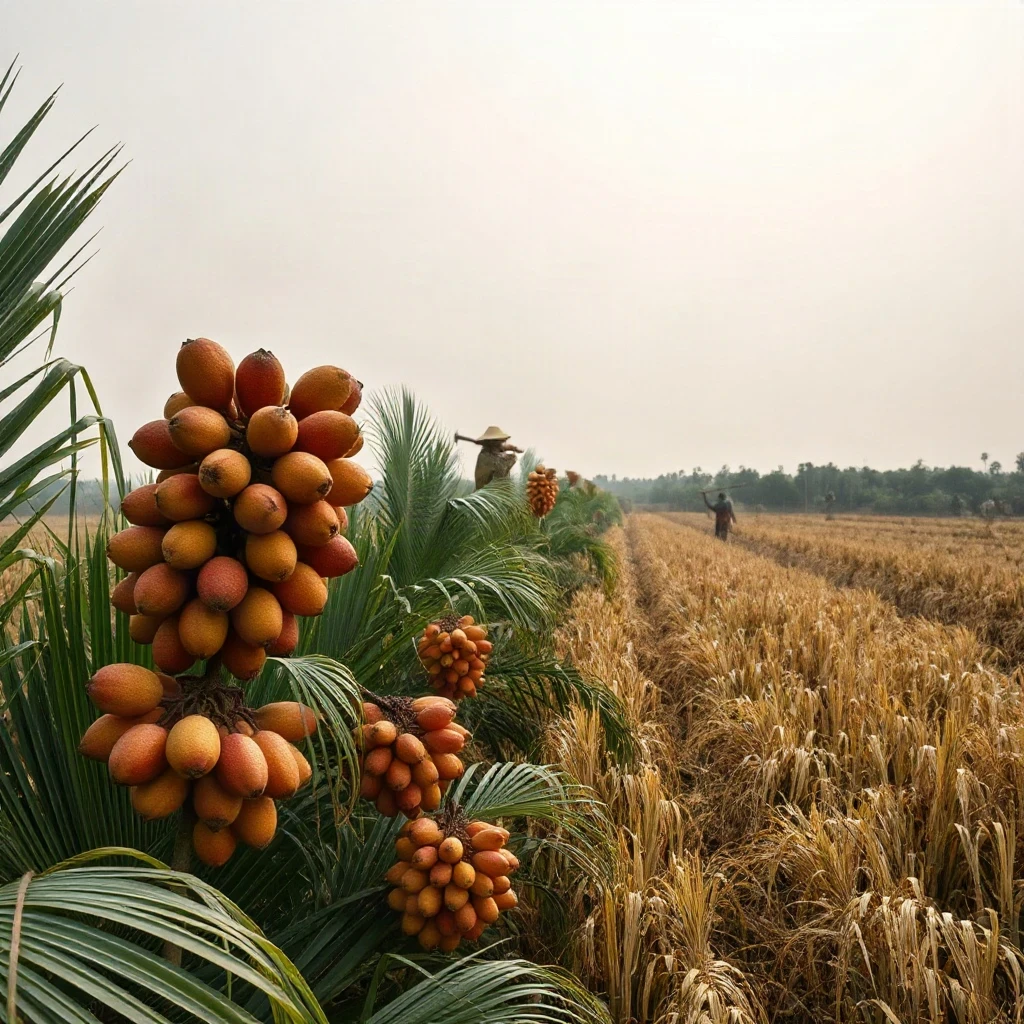
Market attention is shifting to Indonesia's biodiesel policy trajectory and the lingering El Niño, both of which are expected to keep palm oil supply under pressure through 2026 and into 2027. Industry observers in Jakarta and Kuala Lumpur are weighing the impact of these factors on global CPO benchmarks, which have already climbed to near 52-week highs.
The El Niño episode, with an ONI of +1.4, is seen as a key supply-side constraint. According to a report from Pontianak Post, the Indonesian Palm Oil Association (Gapki) estimates that the current El Niño could cut national production by up to 3 million tonnes. While rainfall across the main belts is broadly normal for now, the lagged effect of dry conditions on fruit yields is a primary concern for the second half of 2026.
Gapki remains optimistic that the B50 biodiesel mandate can proceed despite these output risks. However, Bloomberg Technoz notes that higher crude palm oil prices, driven by the El Niño, could raise the cost of the B50 blend and potentially push up domestic fuel prices. This creates a delicate balance for policymakers between supporting the biodiesel program and managing inflation.
Adding to the policy mix, Indonesia is assessing CPO supply availability for a potential B60 biodiesel rollout in 2027, as reported by ANTARA News. A higher blend would significantly increase domestic palm oil consumption, tightening export availability. Industry analysts suggest that the feasibility of B60 will depend on the pace of production recovery and the government's ability to secure adequate feedstock.
For compliance-minded buyers, the combination of El Niño-related supply losses and rising biodiesel mandates signals a structurally tighter market. A report from ICICI Direct expects palm oil prices to remain elevated, citing tight supply and robust biodiesel demand, with potential margin pressure for fast-moving consumer goods companies that rely on palm oil as a key input.
Our model outlook sees CPO anchored near $1,152 per tonne (MYR 4,658), close to its 52-week high. While bullish El Niño and policy signals support prices, ample July MPOB stocks and soft seasonal demand in September could temper gains. We expect choppy consolidation with modest upside into the August MPOB release. Missing cargo-survey and Bursa data add to near-term uncertainty. The published path points to a +1.2% gain over the next seven sessions.
With Indonesia's biodiesel ambitions and El Niño risks converging, market participants should brace for sustained supply-side tightness. The next MPOB data release will be crucial in confirming the production trend and shaping price direction.
Sources: Pontianak Post; Bloomberg Technoz; ANTARA News
ENSO warmth persists with ONI +1.4, yet rainfall is broadly normal across Malaysia and Indonesia; output outlook hinges on lagged yield effects and near-term logistics.
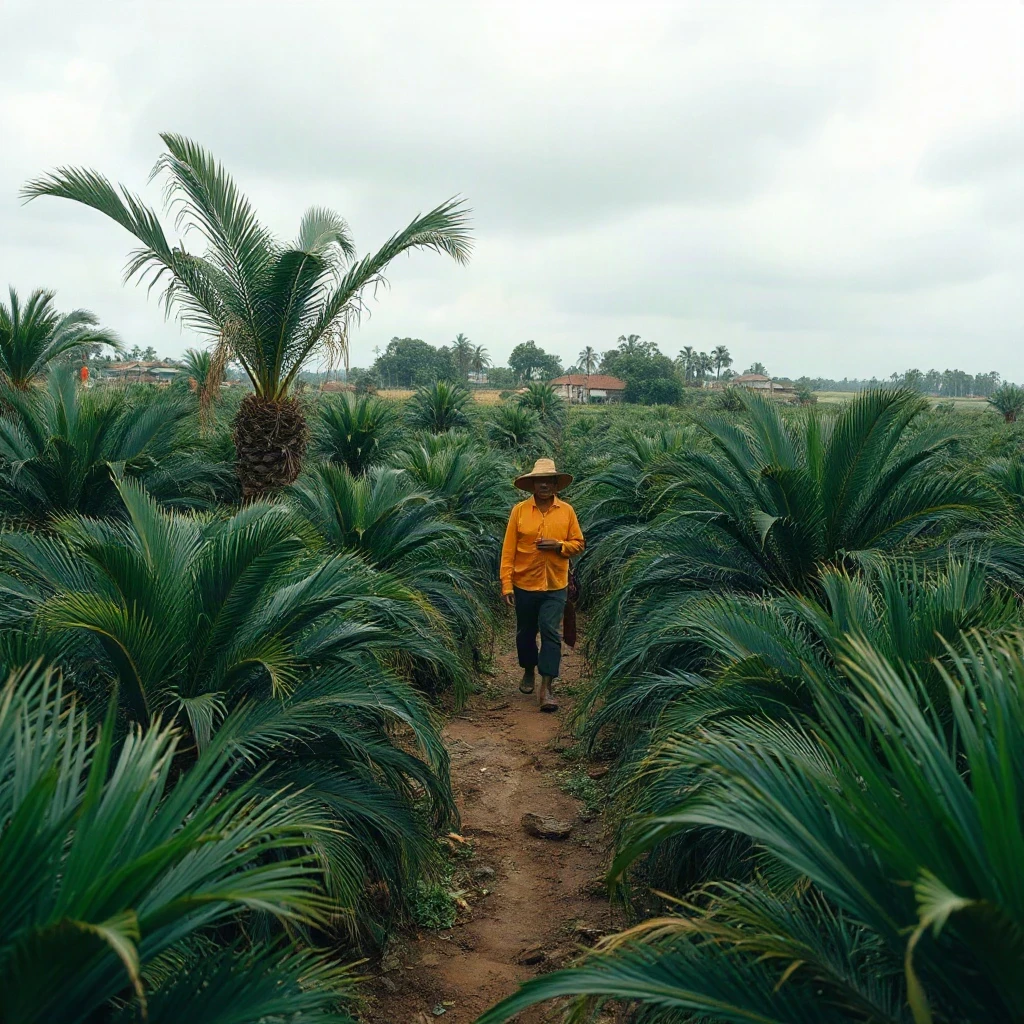
The palm belt enters September with El Niño still firmly in place — the ONI index sits at +1.4 — but seven-day rainfall is broadly normal across both Malaysia and Indonesia. That combination keeps the market's attention split between two very different time horizons: the lagged yield drag from the warm phase and the immediate logistics risk from any heavy rain events.
El Niño's main impact on oil palm is not instantaneous. Drought stress typically shows up in fruit bunch weight and overall FFB output with a six-to-twelve month delay. With ONI at +1.4, the current warm episode has been running long enough that its effects are now feeding through to trees that experienced dry conditions earlier in the cycle. Our model outlook reflects this: CPO is anchored near $1,152/MT, close to a 52-week high, with bullish El Niño signals still supporting prices even as other factors cap gains.
For Malaysia, the July MPOB data already showed production climbing 9.4% month-on-month to 1.79 million tonnes, and closing stocks up 7.2% to 1.43 million tonnes. Those figures capture the current harvest, but they do not yet fully price in the El Niño lag. The months ahead could see lighter fruit bunches as the stress effect matures, even if rainfall now looks adequate.
The seven-day outlook shows no extreme dry or wet anomalies across the main producing regions. That is supportive for ongoing harvest work — workers can access fields, and fruit can move to mills without weather-related delays. But the market is also watching for any shift toward heavier rain. La Niña, which often follows El Niño and brings wetter conditions to Southeast Asia, remains a background risk. Should rains intensify, the immediate effect would be on harvesting and logistics: flooded roads, slower collection, and temporary mill bottlenecks. That kind of disruption hits current supply rather than future yields.
Indonesia's reference price is set at about $1,008/MT, below the global benchmark of roughly $1,117/MT and Malaysia's CPO level near $1,153/MT. The discount partly reflects export levy structures and domestic market obligations. Weather-wise, the Indonesian belt mirrors Malaysia: normal rainfall over the next week, with the same El Niño lagged-yield concern hanging over late-2026 output. Biodiesel economics also matter here — Brent crude near $96/bbl keeps blending incentives relatively firm, which supports domestic absorption and can tighten export availability if policy leans that way.
For the next few weeks, the market's own data points — the August MPOB release, cargo survey numbers, and Bursa Malaysia trades — will matter more than weather. Our model outlook sees choppy consolidation with modest upside into that release, with a published path of +1.2% over seven sessions. Rainfall is not the binding constraint right now. The bigger question is how much of the El Niño yield penalty is already in the price and how much is still to come. Ample July stocks in Malaysia and soft September seasonality argue for caution, while the lagged drought effect and policy signals from Jakarta keep a floor under sentiment. For producers, the near term is about logistics and harvest efficiency; for the market, it is about waiting to see how the dry-season legacy translates into actual bunch weights over the coming months.
A practical look at the agronomic and harvest factors behind palm oil's unmatched land efficiency for procurement teams.

Palm oil's land efficiency is not a marketing claim; it stems from how the oil palm grows, flowers and stores energy. For buyers comparing vegetable oils on a cost-per-tonne or land-footprint basis, understanding this yield advantage helps in sourcing decisions and sustainability conversations.
Mature oil palm plantations in the humid tropics can produce roughly 3 to 5 tonnes of crude palm oil per hectare per year, depending on management, climate and planting material. By contrast, annual oilseed crops typically yield much less oil per hectare: soybeans around 0.4 to 0.5 tonnes, rapeseed about 0.7 to 1.0 tonnes, and sunflower about 0.6 to 0.8 tonnes per hectare per year in average commercial production. This means oil palm often delivers four to ten times more oil from the same land area.
For a procurement manager, the hectare-for-hectare yield gap translates into a smaller land footprint per tonne of oil purchased. This can be a relevant data point when comparing the land-use component of sustainability metrics, though it does not replace due diligence on deforestation, peat or labour practices. It also underpins palm oil's long-run price competitiveness: even with lower prices per tonne, the high output per hectare keeps supply volumes large.
A practical approach is to evaluate oils on an oil-yield-per-hectare basis, not just on raw seed or fruit tonnage. When suppliers quote yields, check whether the figure refers to fresh fruit bunches, crude palm oil or refined oil, because conversion ratios matter. Palm kernel oil is a separate, smaller stream, so asking for the split can clarify total oil output.
Understanding why oil palm out-yields other oil crops helps buyers have more informed conversations with suppliers and sustainability teams about land efficiency, supply reliability and cost structure.
Our market desk connects serious buyers with vetted origin suppliers across Southeast Asia. Indicative pricing, specifications and shipment guidance — free of charge.
Get connected →Malaysian CPO holds around $1,153/MT as Indonesia's B60 acceleration and El Niño concerns meet higher July MPOB production and stocks.
Malaysian benchmark holds above $1,150/MT; September reference price up, MPOC sees support above MYR4,600 despite weaker soybean oil.
Indonesian biodiesel mandates and El Niño output risks weigh on supply, lifting CPO price outlook.
ENSO warmth persists with ONI +1.4, yet rainfall is broadly normal across Malaysia and Indonesia; output outlook hinges on lagged yield effects and near-term logistics.
A practical look at the agronomic and harvest factors behind palm oil's unmatched land efficiency for procurement teams.
Bullish biodiesel economics and a wide soy-palm spread support buyers, but September seasonality and the coming MPOB print cap the rally. Our model sees five bullish factors outwei
The second is El Niño supply risk. The ONI is +1.4°C, and GAPKI expects 2027 output to fall by up to 3 million tonnes, or 2.9%. Palm has a lagged supply response of 6-12 months, so current El Niño conditions are not a spot supply shortage but a forward supply risk; the market is adding a weather premium now.
The third is the wide soy-palm spread. CBOT soybean oil is around $1,555/MT against CPO at $1,152/MT, leaving the BOPO spread at about $404/MT. Palm is heavily discounted, which encourages buyers to substitute palm for soybean oil and supports demand.
The fourth is biodiesel economics. Brent crude strength, with a seven-day gain of 5.6%, keeps the palm oil-gas oil spread at about -$329/MT, at the 0th percentile. Blending palm-based biodiesel is economic before mandates, and Indonesia's B40 program, with B50 phasing in, adds a structural demand pull on palm oil.
The fifth is technical momentum. RSI is 65, MACD is positive, the 5-day and 20-day SMAs have formed a golden cross, and price is above the 5, 20 and 50-day SMAs. The upper Bollinger band near $1,167 is near resistance, but the trend remains up.
The second is September seasonality and the next MPOB release. September historically averages a 0.9% month-on-month decline in CPO, and the production path one month ahead is +7.0%. With the August MPOB release about eight days away, traders have an event risk that could confirm another stock build.
The third is Indonesian selling pressure tied to the rupiah. USD/IDR is around 17,770. A weaker rupiah lowers Indonesian exporters' costs in dollar terms and makes selling into export markets more attractive, increasing near-term supply and weighing on price. Extreme weakness could eventually trigger export-curbing policy, but for now it is a bearish flow.
The balance would flip if the August MPOB report shows a larger-than-seasonal production ramp or another stock build, if crude and soybean oil reverse lower while BOPO narrows, or if funds begin liquidating the crowded soyoil long at the same time Indonesian export selling intensifies.