El Niño supply fears collide with high Malaysian stocks as CPO slips to $1,138
Malaysian CPO eases 1.1% to $1,138/tonne; MPOB July output and stocks rise, while dry weather and Indonesia B50 demand keep upside bias.

Bullish and bearish factors are evenly matched; our model sees mild gains with consolidation into month-end.

Malaysian CPO benchmark traded around $1,138/MT, down 1.1% from the previous session, equivalent to RM4,591/MT. The World Bank global palm benchmark sat at about $1,101/MT, while Indonesia's Kemendag reference was about $997/MT. Brent crude was little changed at about $87/bbl, and USD/MYR was about 4.04. Our model notes the contract is around $1,140 after pulling back from the $1,162 high.
El Niño yield concerns are the clearest bullish supply story. With ONI at +1.4°C, the market is already pricing lagged yield stress: headlines note TBS output down 20% due to El Niño and warn a severe El Niño could shrink CPO output. Futures respond to expected future shortages, not just current harvests, so buyers are bidding now rather than waiting for confirmed crop damage.
The BOPO spread is providing demand-side support. At $326/MT, palm oil is heavily discounted to soybean oil. Importers and refiners can switch to palm when that discount is wide, which supports palm exports and consumption even if overall edible oil demand is unchanged.
Indonesia's B40-to-B50 mandate is the largest single demand variable. B50 became effective July 1 and is expected to absorb 3–4 million tonnes per year of new palm demand. By diverting more palm oil into domestic biodiesel, Indonesia reduces the volume available for export, tightening the global balance.
Technical indicators also point upward. The MACD histogram is positive, the 5/20 SMA has a golden cross, and price is above the 20- and 50-day SMAs. RSI at 62 is neutral, not overbought. A pullback from the 5-day SMA may find technical support.
India festival demand adds a near-term tailwind. Indian edible oil imports hit a 10-month high in July, and the pre-Diwali buying window opens in about 24 days. That restocking tends to support palm's competitiveness, especially with the current wide discount.
High Malaysian stocks are the main domestic bearish weight. MPOB July data showed CPO production up 9.4% month-on-month to 1,792,979 tonnes and closing stocks up 7.2% to 1,429,316 tonnes, about 61% above the five-year average. A stocks-to-use ratio of 12.5% is ample, and peak production season is still underway. Buyers face little urgency, and the next MPOB release is about 15 days away, leaving the market to digest high inventory.
Weak crude oil is undermining biodiesel economics. Brent fell 8.1% over seven days to around $86.4/bbl. Lower energy prices reduce the discretionary margin for biodiesel blending and weigh on the broader vegetable oil complex, including palm.
A weak Indonesian rupiah is regionally bearish. At USD/IDR 17,689, Indonesian exporters earn more rupiah for each dollar sale, so they have room to discount dollar-denominated CPO prices to move volume. That aggressive selling undercuts Malaysian CPO. The weakness has not yet reached the point of triggering export-curbing policy.
Crowded speculative longs add liquidation risk. CFTC data show soyoil managed-money net long rose 17,315 contracts to 98,237, at the 82nd percentile and +0.98 standard deviations from trend. When a long is this crowded, even a modest shift in sentiment can trigger profit-taking across the veg-oil complex.
Seasonality into September is a headwind. August has historically gained 0.7% month-on-month, but September has historically fallen 0.9%. The seven-day forecast crosses the month boundary, so the later part of the window faces a seasonal drag.
The factors are genuinely balanced: five bullish and five bearish, so neither side has a decisive upper hand. Our model outlook still points to mild gains over the next seven sessions—up about 1.9%—with consolidation around month-end, but that is an upward bias rather than a confident rally. High Malaysian stocks, weak crude, the weak rupiah, and crowded longs cap the upside, while El Niño fears, the wide BOPO discount, B50 demand, and technical support keep prices from breaking down.
To flip the balance more decisively bullish, we would need confirmation of El Niño yield losses in upcoming Malaysian or Indonesian production data, or a further widening of the BOPO discount. To flip it bearish, a sharper decline in crude oil, an acceleration in Indonesian export selling, or a liquidation of speculative longs would need to overwhelm the supply and technical supports.
Malaysian CPO eases 1.1% to $1,138/tonne; MPOB July output and stocks rise, while dry weather and Indonesia B50 demand keep upside bias.

Malaysian palm oil benchmark CPO settled at about $1,138 per tonne on 27 August, down 1.1% from the previous session, equivalent to RM 4,591 per tonne at a USD/MYR rate of 4.04. The World Bank benchmark stood near $1,101 per tonne and Indonesia's reference price around $997 per tonne, keeping the Malaysian contract at a premium to regional markers. Brent crude was flat at about $87 per barrel.
The latest MPOB release for July showed CPO production at 1,792,979 tonnes, a 9.4% month-on-month rise. Closing stocks climbed 7.2% to 1,429,316 tonnes, while palm oil exports surged 14.5% to 1,392,178 tonnes. Imports fell 51.9% to 49,566 tonnes. The stocks-to-use ratio printed at 12.5%, and the FFB reference was RM 49.50, up 1.2% on the month. Rising output and inventories are a near-term headwind, but the strong export pace suggests demand is absorbing much of the extra supply.
Indonesia's June data reinforced the region's output recovery. GAPKI reported exports jumped 64% in June, with production and consumption also higher. Separate figures showed June production up 8.59% and biodiesel consumption reaching 1.13 million tonnes. Cumulative production through June reached 30.28 million tonnes. However, industry warnings tie severe El Niño to a possible contraction in CPO output, and Indonesian reports link forest fires and dry weather to lower production. The wet-season deficits in Sarawak, Sumatra/Riau and Kalimantan are consistent with an El Niño ONI of +1.4.
Indonesia's B50 biodiesel mandate remains a key support. Reports note that the programme may need review because of El Niño supply concerns, but for now the blend target underpins domestic palm oil use. Export levy revenue is projected at Rp41.22 trillion through end-2026, with expectations for a 31% rise, which could affect export economics. Meanwhile, the Indonesian rupiah has weakened despite high rates and a softer US dollar, adding to cost pressures.
Futures had closed lower earlier in the week on profit-taking and weaker crude oil, but technicals remain bullish. Our model outlook sees CPO consolidating around $1,140 after pulling back from the $1,162 high. El Niño supply fears, a wide BOPO discount and Indonesia B50 demand support an upward bias over the next seven days. The path published is +1.9% over seven sessions, with mild gains and consolidation expected around month-end as high Malaysian stocks and weak crude/rupiah cap upside.
Buyers will be watching rainfall deficits across Sumatra, Riau and Kalimantan, the pace of Malaysian stock drawdowns, and any updates on Indonesia's B50 timeline. Brent crude stability near $87 per barrel and the USD/MYR rate will also shape near-term price floors. The combination of high current stocks and El Niño supply risk leaves the market poised between consolidation and renewed upside, with month-end positioning likely to set the tone.
Sources: Kompas.com; sawitsetara.co; Gabungan Pengusaha Kelapa Sawit Indonesia (GAPKI); The Jakarta Post; InfoSAWIT; Kantor Berita Sawit
Malaysian CPO slips 1.0% to $1,139/MT as July stockpiles rise 3.32%; bullish next-week outlook holds on B50 and weather risks.

Malaysian crude palm oil futures ended lower on profit-taking and weaker crude oil, with the benchmark easing 1.0% to about $1,139 per metric ton (RM 4,596) in the previous session. The move tracked softer vegetable oil markets and a pullback from recent highs, while Brent crude held near $87 per barrel, offering little support to biodiesel blend economics.
The global benchmark stands near $1,101/MT, and Indonesia's reference price is about $997/MT. Our model outlook sees near-term rangebound trade with mild upside, as ample Malaysian stocks and peak production pressure offset a wide BOPO discount, El Niño warnings, and B50 demand. The published path suggests a +1.5% move over seven sessions, though missing cargo-surveyor and Bursa FCPO data widens uncertainty.
New MPOB data for July 2026 shows Malaysian palm oil stockpiles rose 3.32% to 2.63 million tonnes, confirming high inventories that temper El Niño-driven supply fears. This aligns with earlier figures showing CPO production up 9.4% month-on-month to 1,792,979 tonnes and closing stocks up 7.2% to 1,429,316 tonnes. Exports jumped 14.5% to 1,392,178 tonnes, while imports fell sharply by 51.9% to 49,566 tonnes. The FFB reference price edged up 1.2% to RM 49.50.
Dry weather across key growing regions keeps supply worries alive. Sarawak, Sumatra/Riau, and Kalimantan are all experiencing dry conditions, consistent with an El Niño (ONI +1.4). Indonesian smallholder fresh fruit bunch production has reportedly dropped up to 20%, and industry warns that severe El Niño could shrink output. These weather risks are prompting calls to review Indonesia's B50 program, as land and forest fires (karhutla) compound production losses.
Indonesia's push toward B50 biodiesel remains a key demand pillar, with June 2026 consumption reaching 1.13 million tonnes. GAPKI data show Indonesian palm oil exports surged 64% in June, while production rose 8.59%. Export levy revenue is projected at Rp 41.22 trillion for 2026, up 31%, reflecting strong trade flows. However, a softer rupiah (around 17,689 per dollar) and sluggish recent export demand may temper enthusiasm.
Pricing authority is also in focus. Indonesia's trade ministry has clarified it lacks authority to set reference export prices for CPO and coal, while a broader pricing battle with Malaysia continues over benchmark mechanisms. These policy dynamics add another layer of uncertainty for traders.
Despite Monday's profit-taking, market participants expect CPO futures to stay bullish next week, supported by El Niño supply concerns, B50 demand, and a wide BOPO discount. High Malaysian stocks and weak crude oil may cap gains, but the overall bias remains constructive. Watch for further weather-related production downgrades and any policy shifts on Indonesian export levies or B50 implementation, alongside rupiah and crude trends.
Sources: sawitsetara.co; Bisnis.com - Market; kontan.co.id; The Jakarta Post; BernamaBiz; Gabungan Pengusaha Kelapa Sawit Indonesia (GAPKI)
Indonesian policy signals point to supply risks from fires and El Niño while domestic biodiesel demand and levy expectations shape market tone.

The Indonesian palm oil policy picture is being pulled in two directions. On one side, reports of land fires and El Niño-related stress are blamed for lower production and have triggered calls to reassess the B50 biodiesel programme. On the other, data for June 2026 show a monthly production rise of 8.59% and biodiesel consumption reaching 1.13 million tonnes, suggesting domestic demand remains solid. The result is a market watching both weather-linked supply risks and policy tools designed to absorb more palm oil into fuel.
Neutral market watchers will likely monitor three things: weather and fire developments that affect yields and compliance, monthly biodiesel consumption along with any B50 timetable changes, and actual levy revenue outcomes versus the 31% expectation. These elements will shape both physical availability and the policy risk premium attached to Indonesian palm oil.
Sources: Kompas.com; InfoSAWIT; UkrAgroConsult; METRORIAU.COM
Industry and Gapki warn El Niño could cut 2027 CPO output by 8-10%, reinforcing supply-tightening outlook.
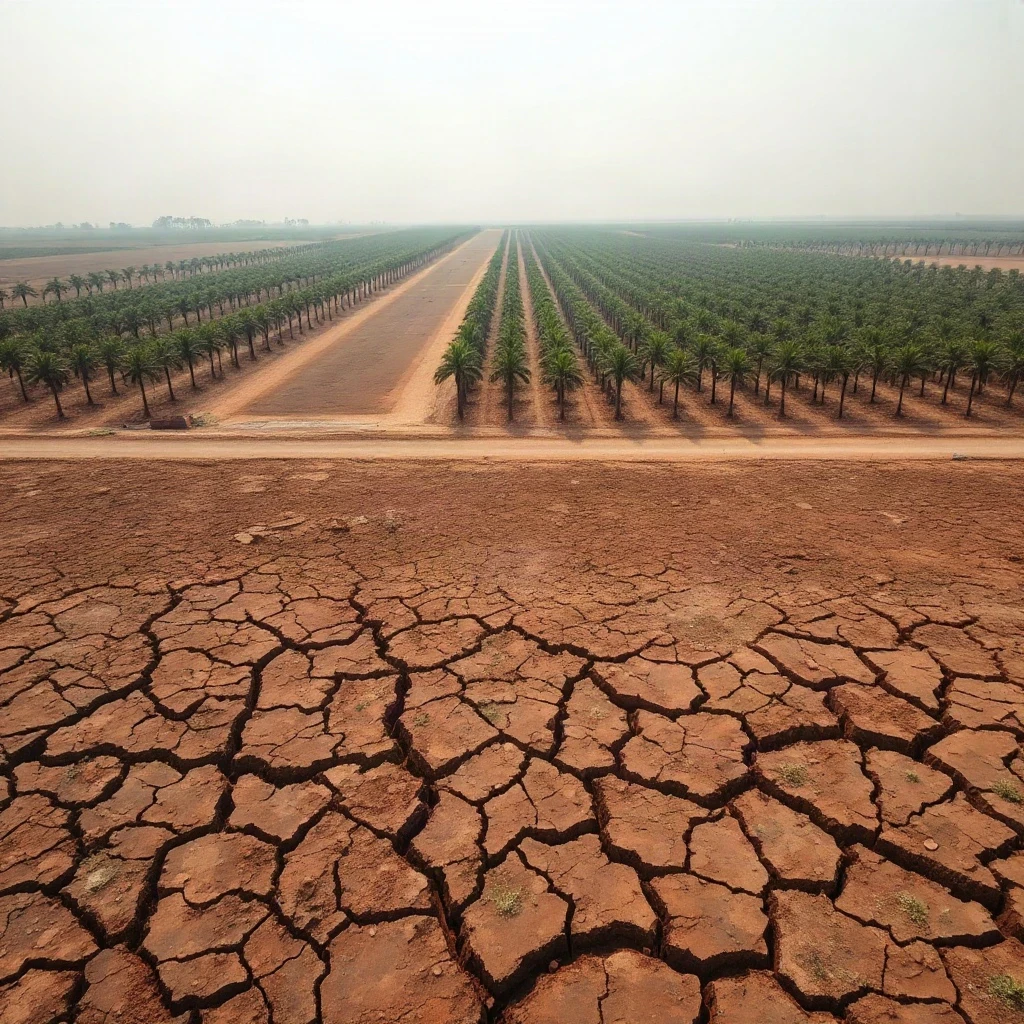
Palm oil markets are consolidating near recent highs, with the Malaysian benchmark CPO contract settling around $1,139 per metric ton, down 1.0% on the session. Our model outlook sees choppy consolidation with modest upside into early September, projecting a path of +1.8% over seven sessions, though profit-taking risks remain if Brent slides further.
The supply narrative has sharpened: industry reports and Gapki now warn that severe El Niño conditions could cut 2027 CPO output by 8-10%. This goes beyond the current dryness already affecting key regions in Sarawak, Sumatra, Riau, and Kalimantan, and points to a more prolonged supply squeeze. The Jakarta Post and Gapki reports underscore that the market's medium-term support is increasingly weather-driven.
While Malaysian July data showed production up 9.4% month-on-month to 1.79 million tons, the forward-looking concern is the potential yield drag from dry conditions. Closing stocks rose 7.2% to 1.43 million tons, a bearish factor capping upside, but exports jumped 14.5% to 1.39 million tons, reflecting robust demand. Imports fell sharply by 51.9% to 49,566 tons.
Indonesia's B50 biodiesel mandate remains a central demand pillar. Reports indicate the mandate is not hurting CPO exports, while levy revenue is rising—signals that domestic absorption and export volumes can coexist, at least for now. The levy increase implies higher costs for Indonesian exporters, potentially firming FOB offers, and funds biodiesel subsidies that reinforce domestic demand.
Palm oil's wide discount to gasoil (BOPO spread of $327/MT) keeps it attractive for biodiesel blending, but weak crude prices (Brent around $87 per barrel, up 0.5%) and a softer ringgit (4.04 per dollar) temper the appeal of holding long positions. The rupiah's weakness (17,689 per dollar) raises import costs for Indonesian buyers, potentially dampening domestic consumption growth.
Our model outlook expects CPO to trade around $1,140, with consolidation near month-end as high Malaysian stocks and weak crude/rupiah temper gains. The upward bias remains supported by the El Niño-driven supply cut warnings, strong biodiesel demand, and the wide BOPO discount. Policy-driven demand from Indonesia's B50 program will likely keep a floor under prices, while weather developments in key dry regions bear close watching.
Dry conditions in key Indonesian and Malaysian regions, with El Niño still active, point to lagged yield risks even as current output rises.
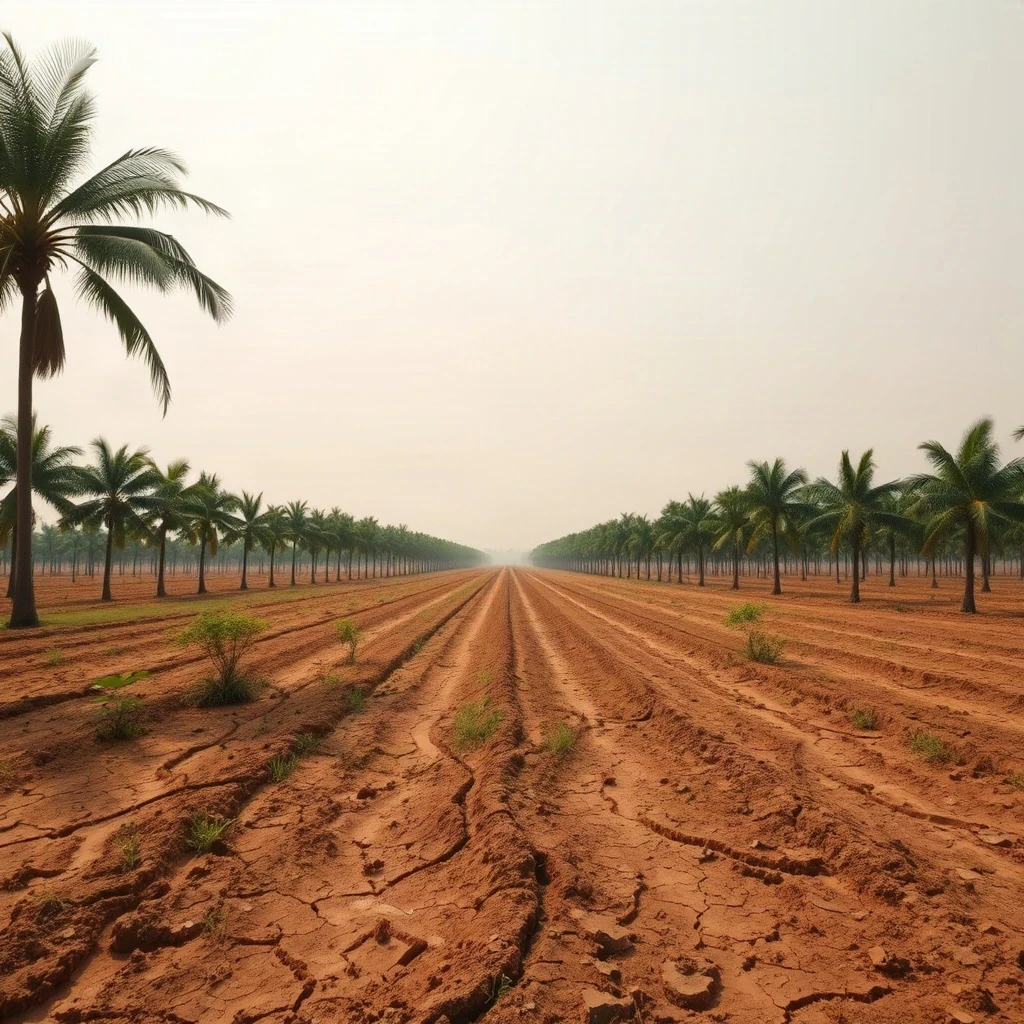
The palm oil belt is still under an active El Niño, with the ONI at +1.4, and the latest 7-day rainfall outlook shows notable dryness across Sumatra, Kalimantan and Sarawak. For the near term, the main impact is on harvesting and logistics: dry weather generally supports field access and fruit collection, but the lack of moisture now will feed through to yields with a 6-12 month lag, mainly via lower fruit bunch weights.
Malaysia’s July production data already reflect a strong seasonal uptick, with CPO output at 1,792,979 tonnes, up 9.4% from June. Closing stocks rose 7.2% to 1,429,316 tonnes, while exports jumped 14.5% to 1,392,178 tonnes. These figures suggest the market is still enjoying the tail-end of a decent crop cycle.
However, the persistence of El Niño into August and the dry conditions across Sarawak, Sumatra and Kalimantan point to a different picture for early 2027. The lagged effect means that the stress on fruit development now will show up in reduced bunch weights and lower yields several months down the line. Our model outlook also notes that the market is already pricing in some of this risk, with CPO benchmark at about $1,138 per tonne, down 1.1% on the session, but with an upward bias over the next seven days.
In Indonesia, the dry conditions in Sumatra and Kalimantan are particularly significant because these regions account for a large share of national output. The government’s reference price is about $997 per tonne, and the wide discount to the global benchmark (around $1,101) partly reflects concerns over supply availability. If the dryness persists, it could tighten supplies later in the year and into 2027.
While dry weather is generally favourable for harvesting and transport, the risk of sudden heavy rain remains. In contrast to El Niño, La Niña typically brings wetter conditions to Southeast Asia, which can disrupt harvesting and logistics immediately. For now, the dry spell is more of a slow-burn threat to yields, but any shift to intense rainfall would create short-term bottlenecks at mills and ports.
Our model outlook suggests mild gains over the next week, with consolidation around month-end as high Malaysian stocks and weak crude oil (Brent at about $86 per barrel) and a soft rupiah cap upside. The BOPO discount and Indonesia’s B50 biodiesel mandate provide underlying demand support. But the weather remains the key variable to watch: a continuation of the dry spell in the main producing regions would reinforce the case for tighter supply later in the crop year.
For now, the market is balancing strong current output against a drier-than-normal outlook. The next few months will be critical in determining whether the El Niño effect translates into a more pronounced production shortfall.
Our market desk connects serious buyers with vetted origin suppliers across Southeast Asia. Indicative pricing, specifications and shipment guidance — free of charge.
Get connected →Malaysian CPO eases 1.1% to $1,138/tonne; MPOB July output and stocks rise, while dry weather and Indonesia B50 demand keep upside bias.
Malaysian CPO slips 1.0% to $1,139/MT as July stockpiles rise 3.32%; bullish next-week outlook holds on B50 and weather risks.
Indonesian policy signals point to supply risks from fires and El Niño while domestic biodiesel demand and levy expectations shape market tone.
Industry and Gapki warn El Niño could cut 2027 CPO output by 8-10%, reinforcing supply-tightening outlook.
Dry conditions in key Indonesian and Malaysian regions, with El Niño still active, point to lagged yield risks even as current output rises.
Bullish and bearish factors are evenly matched; our model sees mild gains with consolidation into month-end.
Malaysian CPO benchmark traded around $1,138/MT, down 1.1% from the previous session, equivalent to RM4,591/MT. The World Bank global palm benchmark sat at about $1,101/MT, while Indonesia's Kemendag reference was about $997/MT. Brent crude was little changed at about $87/bbl, and USD/MYR was about 4.04. Our model notes the contract is around $1,140 after pulling back from the $1,162 high.
El Niño yield concerns are the clearest bullish supply story. With ONI at +1.4°C, the market is already pricing lagged yield stress: headlines note TBS output down 20% due to El Niño and warn a severe El Niño could shrink CPO output. Futures respond to expected future shortages, not just current harvests, so buyers are bidding now rather than waiting for confirmed crop damage.
The BOPO spread is providing demand-side support. At $326/MT, palm oil is heavily discounted to soybean oil. Importers and refiners can switch to palm when that discount is wide, which supports palm exports and consumption even if overall edible oil demand is unchanged.
Indonesia's B40-to-B50 mandate is the largest single demand variable. B50 became effective July 1 and is expected to absorb 3–4 million tonnes per year of new palm demand. By diverting more palm oil into domestic biodiesel, Indonesia reduces the volume available for export, tightening the global balance.
Technical indicators also point upward. The MACD histogram is positive, the 5/20 SMA has a golden cross, and price is above the 20- and 50-day SMAs. RSI at 62 is neutral, not overbought. A pullback from the 5-day SMA may find technical support.
India festival demand adds a near-term tailwind. Indian edible oil imports hit a 10-month high in July, and the pre-Diwali buying window opens in about 24 days. That restocking tends to support palm's competitiveness, especially with the current wide discount.
High Malaysian stocks are the main domestic bearish weight. MPOB July data showed CPO production up 9.4% month-on-month to 1,792,979 tonnes and closing stocks up 7.2% to 1,429,316 tonnes, about 61% above the five-year average. A stocks-to-use ratio of 12.5% is ample, and peak production season is still underway. Buyers face little urgency, and the next MPOB release is about 15 days away, leaving the market to digest high inventory.
Weak crude oil is undermining biodiesel economics. Brent fell 8.1% over seven days to around $86.4/bbl. Lower energy prices reduce the discretionary margin for biodiesel blending and weigh on the broader vegetable oil complex, including palm.
A weak Indonesian rupiah is regionally bearish. At USD/IDR 17,689, Indonesian exporters earn more rupiah for each dollar sale, so they have room to discount dollar-denominated CPO prices to move volume. That aggressive selling undercuts Malaysian CPO. The weakness has not yet reached the point of triggering export-curbing policy.
Crowded speculative longs add liquidation risk. CFTC data show soyoil managed-money net long rose 17,315 contracts to 98,237, at the 82nd percentile and +0.98 standard deviations from trend. When a long is this crowded, even a modest shift in sentiment can trigger profit-taking across the veg-oil complex.
Seasonality into September is a headwind. August has historically gained 0.7% month-on-month, but September has historically fallen 0.9%. The seven-day forecast crosses the month boundary, so the later part of the window faces a seasonal drag.
The factors are genuinely balanced: five bullish and five bearish, so neither side has a decisive upper hand. Our model outlook still points to mild gains over the next seven sessions—up about 1.9%—with consolidation around month-end, but that is an upward bias rather than a confident rally. High Malaysian stocks, weak crude, the weak rupiah, and crowded longs cap the upside, while El Niño fears, the wide BOPO discount, B50 demand, and technical support keep prices from breaking down.
To flip the balance more decisively bullish, we would need confirmation of El Niño yield losses in upcoming Malaysian or Indonesian production data, or a further widening of the BOPO discount. To flip it bearish, a sharper decline in crude oil, an acceleration in Indonesian export selling, or a liquidation of speculative longs would need to overwhelm the supply and technical supports.