Palm oil hits 52-week high but overbought signals point to near-term pullback
Malaysian CPO at $1,162/MT after five sessions, yet RSI 78 and ample July stocks put downside pressure on the market.

Correction: the bourse was announced for a January 2027 launch, not launched. Jakarta targets greater influence over benchmark palm oil trade.

> Correction (25 Aug 2026): An earlier version of this brief reported that Indonesia had *launched* a national commodity exchange. That was wrong. President Prabowo announced the exchange on 14 August 2026, with a target launch of 1 January 2027; OJK rules are due by mid-September 2026 and the commodity list will be set by presidential decree. The analysis below has been corrected accordingly. We publish our errors rather than erase them.
Indonesia has announced plans for a national commodity exchange targeting a 1 January 2027 launch — a move that would directly challenge Malaysia's long-standing role as the reference point for global palm oil pricing. If delivered, it would mark a structural shift in how palm oil prices are discovered and benchmarked, with implications for buyers, sellers and traders who currently anchor contracts to Malaysian benchmarks.
The launch comes at a time when the global palm complex is navigating a mixed demand-and-supply backdrop. Malaysian crude palm oil futures settled around $1,162 per tonne, up 1.5% on the previous session, while the global World Bank benchmark stood near $1,101 and Indonesia's own reference price was around $997 per tonne. The wide spread between the Malaysian and Indonesian reference levels—roughly $309 per tonne—highlights the pricing tension the new exchange may seek to address.
For decades, Malaysia's Bursa Malaysia has served as the primary price-discovery venue for palm oil, with its CPO futures widely used as a hedging and settlement tool. Indonesia, the world's largest producer and exporter of palm oil, has long sought greater influence over the pricing of its own commodity. The national exchange is the clearest attempt yet to shift that balance, potentially offering an alternative venue for price formation that reflects Indonesian supply and demand dynamics more directly.
The implications for traders are significant. A credible Indonesian benchmark could alter contract pricing, basis calculations and hedging strategies, particularly for those with exposure to Indonesian-origin product. The move also carries geopolitical weight, as it positions Jakarta to compete with Kuala Lumpur not just in volume but in market infrastructure.
Traders are absorbing this news against a mixed technical and fundamental picture. Recent headlines point to profit-taking and weaker crude oil pressuring CPO futures, with Brent crude down 0.8% on the session and sliding 4.1% over the past seven days. Our model outlook notes overbought technicals—RSI at 78—and expects a modest consolidation with a 0.3% gain over the next seven sessions, or a net drift of -0.4% under the base case.
Fundamentals offer some support. Malaysian July production rose 9.4% month-on-month to 1.79 million tonnes, while exports jumped 14.5% to 1.39 million tonnes. Closing stocks were ample at 1.43 million tonnes, up 7.2%. The deeply negative palm-oil-to-gas-oil spread of -$222 per tonne keeps palm attractive for biodiesel blending, and El Niño conditions—with dry weather in Sarawak and Kalimantan—could tighten supply later in the season.
The exchange launch adds a new variable to an already complex pricing environment. Market participants will be watching whether the Indonesian bourse gains liquidity and traction, and whether it can meaningfully compete with Malaysia's established benchmark. For now, the structural shift is underway, and traders are recalibrating.
Malaysian CPO at $1,162/MT after five sessions, yet RSI 78 and ample July stocks put downside pressure on the market.

Malaysian CPO benchmark sits at about $1,162 per metric tonne (RM4,688/MT), up 1.5% from the previous session and at 52-week highs after five straight sessions. The World Bank global benchmark is about $1,101/MT, and Indonesia's Kemendag reference is about $997/MT. Brent crude is around $92/bbl.
The BOPO spread of $314/MT makes palm oil heavily discounted against soybean oil. This wide discount encourages edible-oil buyers to switch demand from soy to palm, providing direct purchasing support even at elevated nominal prices.
Indonesia's B50 biodiesel mandate is phasing in and is expected to absorb roughly 3 to 4 million tonnes of palm oil per year. The policy also lifts Indonesia's export levy revenue, projected to rise 31%, which supports medium-term demand for palm feedstock and tightens export availability over time.
A strengthening El Niño, with ONI at +1.4 and dry conditions in Sarawak and Kalimantan, creates a lagged yield risk. Although current output is still high, the market is beginning to price in potential future supply tightening, adding a bullish undercurrent.
India's Diwali buying window opens in about 26 days, and Indian imports are historically strong during the festival season. This seasonal demand flow is providing near-term demand support, even though the festival effect on prices has historically been neutral overall.
Technical signals are stretched. The price is above its upper Bollinger Band with RSI at 78, which signals reversal risk within three to five days. Profit-taking headlines already appeared in the August 24 session, and this overbought condition is the most immediate downside driver.
Malaysian July closing stocks are ample at 1,429,316 tonnes, up 7.2% month-on-month and 61% above the five-year average. The stocks-to-use ratio of 12.5% indicates comfortable supply coverage, which caps upside even as exports rose 14.5% to 1,392,178 tonnes.
Malaysia is in its peak production season from July to October. July CPO production jumped 9.4% month-on-month to 1,792,979 tonnes, and this high-output period exerts seasonal downward pressure on prices.
Crude oil is weak, with Brent down 3.5% over the past seven days. Monday's CPO decline was linked to weaker crude oil, because lower crude prices dampen the relative economics of biodiesel blending and reduce the incentive to use palm oil for fuel.
Indonesia's weak rupiah, at USD/IDR 17,691, and the launch of Indonesia's own commodity exchange are challenging Malaysian pricing. A weaker rupiah can make Indonesian exports more competitive in dollar terms, potentially diverting demand away from Malaysian CPO.
Speculative positioning in soybean oil is crowded. CFTC managed-money net long sits at the 82nd percentile, which makes the broader vegetable-oil complex vulnerable to long liquidation. Any unwinding in soyoil could spill over into palm oil futures.
The balance of our model's factors is four bullish against six bearish, so the downside has the upper hand right now. Our model outlook expects a modest net decline over the next seven days. The published path shows +0.4% over seven sessions, reflecting the tug-of-war between strong demand factors and overbought technicals plus ample stocks.
For the balance to flip to bullish, the market would need to see a decisive reset in overbought conditions—such as RSI falling below 70 and the price closing back inside the Bollinger Band—along with fundamentals that reduce supply comfort. That could come from a sharp drop in Malaysian closing stocks, clearer evidence that El Niño is damaging future yields, a rebound in crude oil, or a successful unwinding of the crowded soyoil long without contagion. Until those signals appear, the combination of ample July stocks, peak seasonal output, weak crude, and Indonesian price competition is likely to keep near-term upside limited.
Malaysian CPO holds near $1,162/MT; ample July stocks and peak output cap upside, while B50 mandates and El Niño risks cushion downside.

Malaysian crude palm oil was quoted at about $1,162/MT (RM4,688/MT) on 25 August, up 1.5% from the prior session, while the World Bank benchmark for palm oil stood at $1,101/MT and Indonesia’s Kemendag reference at $997/MT. The gap between Malaysian and Indonesian markers remains wide, and reports of Indonesia’s push to establish a national commodity exchange highlight the ongoing competition over pricing influence in the region.
On the supply side, MPOB’s July data showed Malaysian production at 1,792,979 tonnes, up 9.4% month-on-month, and closing stocks at 1,429,316 tonnes, up 7.2% month-on-month. Exports rose 14.5% to 1,392,178 tonnes and imports fell 51.9% to 49,566 tonnes. The stocks-to-use ratio printed at 12.5%. These figures indicate ample near-term availability at a time when output is still in its seasonal peak, which tends to cap upside despite strong export volumes.
Meanwhile, weather fundamentals point to a more uncertain second half. El Niño conditions remain in place with an ONI of +1.4, and dry conditions have been noted in Sarawak and Kalimantan. That has revived concern about longer-run production losses, with some reporting the worst impact may only show up in 2027. For now, the market is balancing current ample stocks against future supply risk.
Demand is supported by Indonesia’s B50 biodiesel rollout. Reports suggest the mandate is helping to keep farmer fresh fruit bunch prices supported, and Indonesia’s palm export levy receipts are projected at Rp41.22 trillion this year, with one industry body saying the B50 programme has not squeezed exports and levy collections have risen sharply. Additional demand-side support comes from India’s festival-season cooking oil imports, though broader edible oil dependence also matters.
Price action is where buyers need closest attention. After five consecutive sessions of gains, profit-taking emerged and crude oil was a factor. Brent was about $92/bbl, unchanged from the previous session, but profit-taking headlines came through to stall momentum. Our model outlook puts CPO at 52-week highs with an RSI of 78, suggesting near-term pullback or consolidation is likely. The wide BOPO spread, the B50 mandate and El Niño supply risks limit downside, while ample July stocks and peak production cap upside. We expect a modest net decline over the next seven days; our published path is +0.4% over seven sessions.
Takeaway for buyers: watch August export and production prints, Indonesian B50 implementation and levy flows, and any weather-driven revisions to 2027 supply. A technical pullback could widen near-term buying windows, but structural demand and dry weather may limit the downside.
Sources: Agricom.id; METRORIAU.COM; South China Morning Post; BernamaBiz; finance.biggo.com; Ikatan Konsultan Pajak Indonesia
Malaysian CPO benchmark up 1.5% to $1162/MT; profit-taking and ample stocks seen capping gains, while biodiesel mandates and dry weather support.

Malaysian crude palm oil futures extended their rally on Monday, with the benchmark contract settling about 1.5% higher at approximately $1162/MT (RM 4688/MT), according to market data. The gain came despite a late-session dip as traders took profits after five consecutive sessions of advances, which had pushed prices to 52-week highs. The global benchmark, as tracked by the World Bank, stood at about $1101/MT, while Indonesia's reference price was set at roughly $997/MT.
The latest MPOB data for July 2026 showed Malaysian CPO production rose 9.4% month-on-month to 1,792,979 tonnes, while closing stocks climbed 7.2% to 1,429,316 tonnes. Exports jumped 14.5% to 1,392,178 tonnes, but imports fell sharply by 51.9% to 49,566 tonnes. The build in stocks and peak production season are typically bearish factors, yet prices have remained resilient, supported by strong biodiesel demand and weather concerns.
El Niño conditions persist, with the ONI index at +1.4. Notable rainfall deficits are reported in Sarawak and Kalimantan, key producing regions in Malaysia and Indonesia. Dry weather raises concerns about future yields, and some analysts warn of a more pronounced impact on Indonesian production by 2027. This supply risk is a key reason why many market participants expect prices to stay above RM4,600/tonne in September, as highlighted by MPOC and other forecasters.
Indonesia's push for a B50 biodiesel mandate continues to underpin demand for palm oil as a feedstock. The country's export levy revenue is projected to reach Rp 41.22 trillion this year, a 31% increase, according to industry reports. Strong biodiesel consumption helps support farmer-level fresh fruit bunch prices, as noted in recent commentary. Meanwhile, India, the world's largest palm oil importer, has been increasing imports ahead of the festival season, though sunflower oil imports have been affected by war-related disruptions.
Indonesia has launched a national commodity exchange, challenging Malaysia's long-standing pricing dominance for palm oil. This could shift how benchmark prices are determined in the future. Currency movements also play a role: the Indonesian rupiah weakened to about 17,691 per dollar, while the ringgit traded at around 4.04 per dollar. A weaker rupiah can make Indonesian exports more competitive, but it also raises the cost of imported inputs.
Our model outlook indicates that while CPO is at 52-week highs, the RSI at 78 and the prevalence of profit-taking headlines suggest a near-term pullback or consolidation. The wide BOPO spread, strong B50 mandate, and El Niño supply risks limit downside, while ample July stocks and peak production cap upside. We expect a modest net decline over the next 7 days, with a published path of +0.4% over 7 sessions.
Watch for profit-taking momentum and any shift in the Indonesia-Malaysia pricing dynamics. Also monitor weather updates in Sarawak and Kalimantan, as well as crude oil prices, which influence biodiesel blending economics. A break below key support could signal a deeper correction, but the structural demand from biodiesel and supply risks should keep the market supported in the medium term.
Sources: Agricom.id; sawitsetara.co; METRORIAU.COM; UkrAgroConsult; UkrAgroConsult; South China Morning Post
A step-by-step look at how a producing country's export restriction reaches your landed cost, and what it taught buyers about supply concentration.
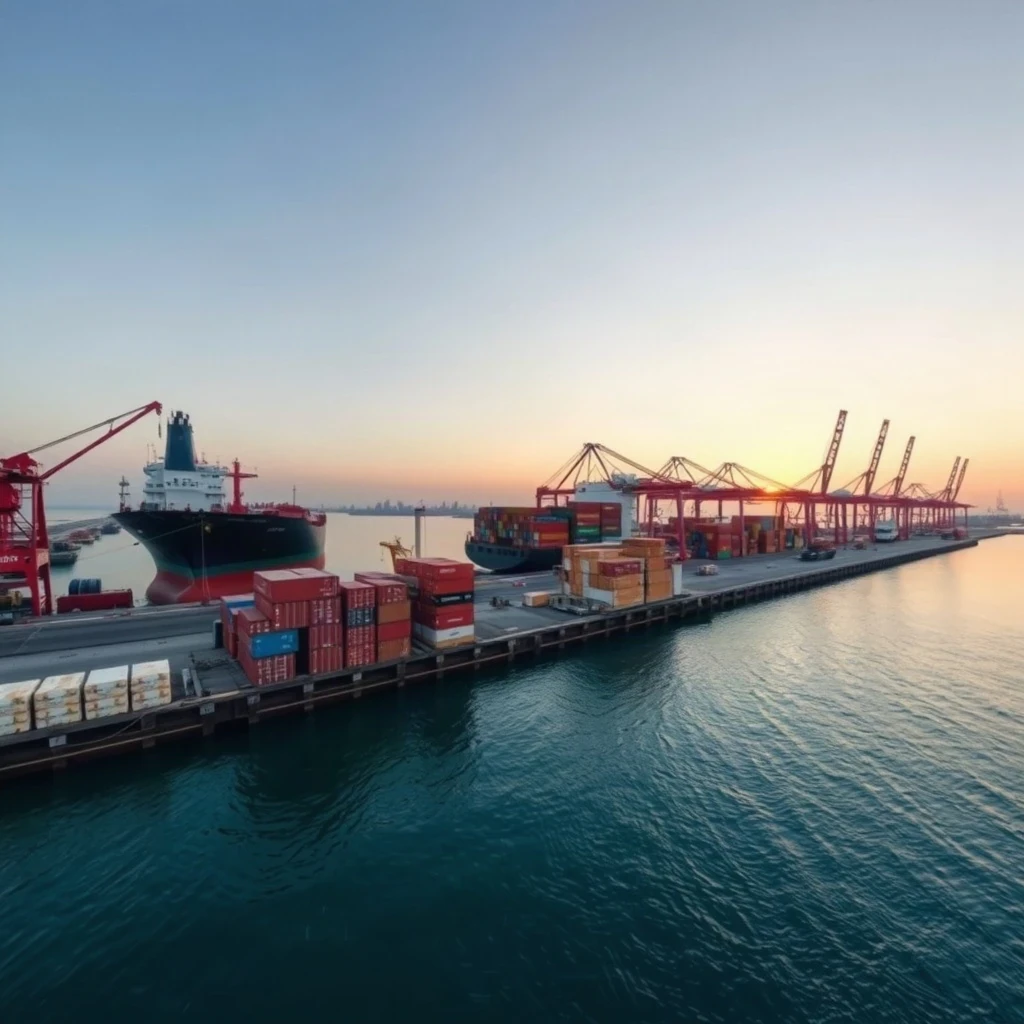
For procurement managers and traders, an export ban is not just a headline—it is a mechanical shock to the price discovery process. When a major producer restricts shipments, the global market must reprice supply in a matter of days. Understanding that mechanism is essential, because the same policy tool can be redeployed at any time, and its effects are not symmetrical across buyers.
An export ban works in three stages. First, the producing government halts or restricts outbound shipments, either across the board or for specific products. This immediately removes a large share of available global supply from the tradable pool. Second, buyers who relied on that supply must scramble for alternatives—shifting to other origins, drawing down inventories, or paying premiums for prompt cargoes. Third, the price discovery process reprices the entire complex: benchmark futures, physical differentials, freight, and ultimately the landed cost for end-users.
The key point is that the ban does not just raise the price of the banned origin's product. It raises the price of all substitute supply, because demand does not disappear—it redirects. Buyers bid up alternative origins, and those origins' sellers, knowing they now hold scarce supply, raise offers. The result is a broad-based price spike that persists until the ban is lifted or until demand destruction brings the market back into balance.
The 2022 ban was a stress test for global supply chains. It demonstrated that a single policy decision in one country could move world prices within days, regardless of what other producers did. The episode also revealed the limits of diversification: when the largest exporter restricts supply, even buyers with multiple origins face higher costs, because the marginal barrel of supply is now more expensive everywhere.
For buyers, the lesson was not just about price levels but about volatility. The ban created a period of extreme uncertainty, with cargoes delayed, contracts renegotiated, and risk premiums widening. Those who had flexible sourcing arrangements and buffer inventories fared better than those locked into single-origin contracts.
For a buyer, the practical takeaway is to monitor the structural drivers that make a ban more or less likely. Watch domestic price levels relative to international prices—a wide gap creates political pressure to restrict exports. Watch inventory levels in the producing country; low domestic stocks make bans more tempting. And watch the policy calendar, including election cycles and changes in trade or agriculture ministries, because these shift the political calculus.
Commercially, the lesson is to build resilience into your supply chain: maintain diversified origin exposure, hold strategic inventory where possible, and build contract flexibility that allows you to shift volumes quickly. The 2022 episode showed that export bans are not a one-off event but a recurring tool in the policy toolkit. Buyers who price that risk into their procurement strategy will be better positioned when the next one comes.
Illustrative example: If a ban removes 10% of global supply, the price impact is not 10%—it can be far larger, because the remaining supply must be rationed through price. The exact magnitude depends on demand elasticity, inventory levels, and how quickly alternative supply can respond. ---
*This article reflects the position as of 25 August 2026. Duty structures, levies and mandates change often, sometimes at short notice. Please verify the current position, and any changes made after this date, before relying on it.*
Firm biodiesel demand and a higher export levy point to more palm oil staying in domestic tanks, while outreach prepares stakeholders for B50.
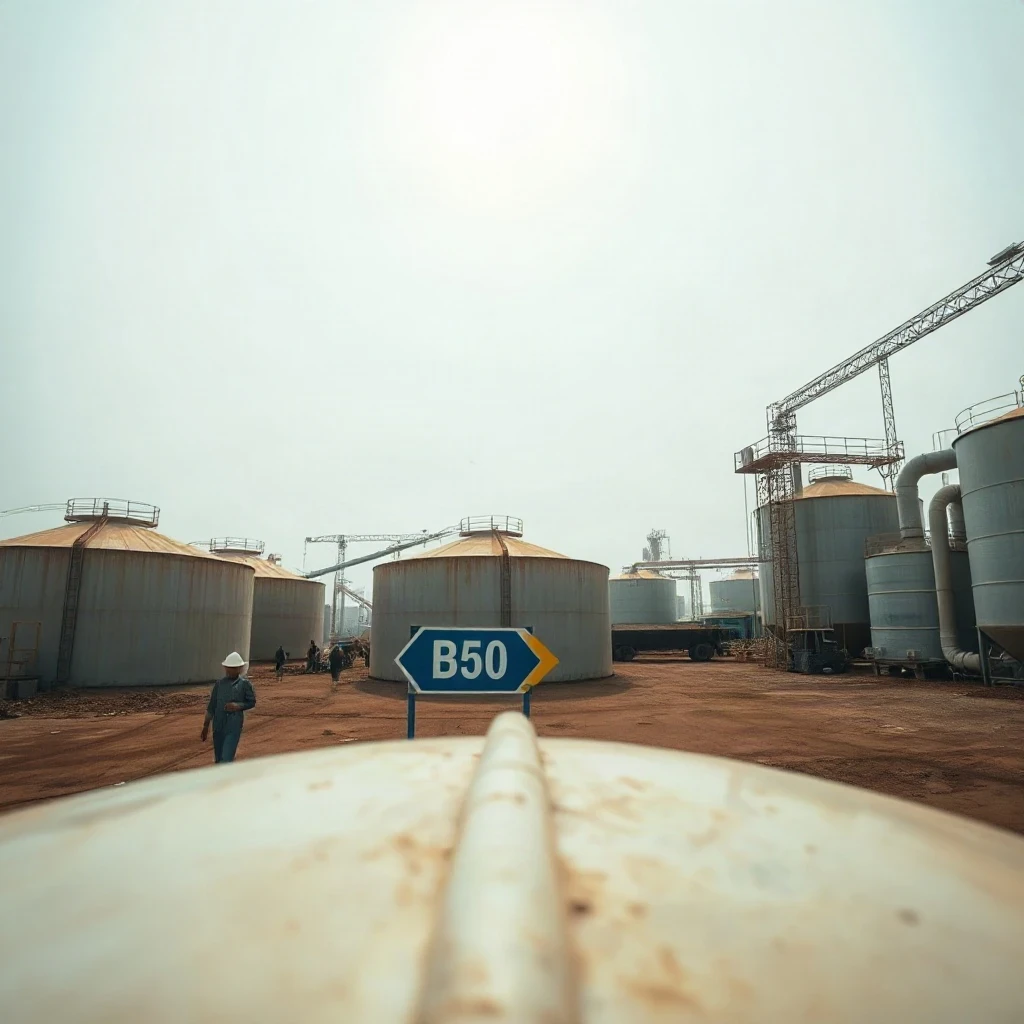
Indonesia's latest policy signals point to a domestic biodiesel pull that could reshape palm oil trade flows. Reports say the stronger biodiesel mandate is being credited with supporting fresh fruit bunch prices for smallholders, giving growers a clearer link between energy policy and farmgate returns.
A research note cited in regional media sees firm biodiesel demand lifting palm oil prices, with a potential move above RM4,300 per tonne. That price level, if realized, reflects both tightness in vegetable oil supply and the additional demand from biofuel blending. For physical buyers, the message is that palm oil is no longer being priced purely on food or oleochemical demand.
On the supply side, Indonesia's estate crop fund agency says the move toward B50 has not suppressed palm oil exports, even as export levies rise by 73%. The higher levy is the policy lever that funds biodiesel subsidies and other programs. It raises the cost of shipping palm products out of Indonesia, which in practice encourages more feedstock to remain in the domestic market. That supports the mandate but narrows the pool of freely traded export volumes.
Overall, these developments reinforce the view that Indonesian energy policy is becoming a primary driver of palm oil balances. A buyer that treats biodiesel mandates as a side issue risks misreading both price direction and shipment timing. Monitoring levy changes, actual blending rates, and export data will be essential for supply planning.
Our market desk connects serious buyers with vetted origin suppliers across Southeast Asia. Indicative pricing, specifications and shipment guidance — free of charge.
Get connected →Malaysian CPO at $1,162/MT after five sessions, yet RSI 78 and ample July stocks put downside pressure on the market.
Malaysian CPO holds near $1,162/MT; ample July stocks and peak output cap upside, while B50 mandates and El Niño risks cushion downside.
Malaysian CPO benchmark up 1.5% to $1162/MT; profit-taking and ample stocks seen capping gains, while biodiesel mandates and dry weather support.
A step-by-step look at how a producing country's export restriction reaches your landed cost, and what it taught buyers about supply concentration.
Firm biodiesel demand and a higher export levy point to more palm oil staying in domestic tanks, while outreach prepares stakeholders for B50.
Correction: the bourse was announced for a January 2027 launch, not launched. Jakarta targets greater influence over benchmark palm oil trade.
> Correction (25 Aug 2026): An earlier version of this brief reported that Indonesia had *launched* a national commodity exchange. That was wrong. President Prabowo announced the exchange on 14 August 2026, with a target launch of 1 January 2027; OJK rules are due by mid-September 2026 and the commodity list will be set by presidential decree. The analysis below has been corrected accordingly. We publish our errors rather than erase them.
Indonesia has announced plans for a national commodity exchange targeting a 1 January 2027 launch — a move that would directly challenge Malaysia's long-standing role as the reference point for global palm oil pricing. If delivered, it would mark a structural shift in how palm oil prices are discovered and benchmarked, with implications for buyers, sellers and traders who currently anchor contracts to Malaysian benchmarks.
The launch comes at a time when the global palm complex is navigating a mixed demand-and-supply backdrop. Malaysian crude palm oil futures settled around $1,162 per tonne, up 1.5% on the previous session, while the global World Bank benchmark stood near $1,101 and Indonesia's own reference price was around $997 per tonne. The wide spread between the Malaysian and Indonesian reference levels—roughly $309 per tonne—highlights the pricing tension the new exchange may seek to address.
For decades, Malaysia's Bursa Malaysia has served as the primary price-discovery venue for palm oil, with its CPO futures widely used as a hedging and settlement tool. Indonesia, the world's largest producer and exporter of palm oil, has long sought greater influence over the pricing of its own commodity. The national exchange is the clearest attempt yet to shift that balance, potentially offering an alternative venue for price formation that reflects Indonesian supply and demand dynamics more directly.
The implications for traders are significant. A credible Indonesian benchmark could alter contract pricing, basis calculations and hedging strategies, particularly for those with exposure to Indonesian-origin product. The move also carries geopolitical weight, as it positions Jakarta to compete with Kuala Lumpur not just in volume but in market infrastructure.
Traders are absorbing this news against a mixed technical and fundamental picture. Recent headlines point to profit-taking and weaker crude oil pressuring CPO futures, with Brent crude down 0.8% on the session and sliding 4.1% over the past seven days. Our model outlook notes overbought technicals—RSI at 78—and expects a modest consolidation with a 0.3% gain over the next seven sessions, or a net drift of -0.4% under the base case.
Fundamentals offer some support. Malaysian July production rose 9.4% month-on-month to 1.79 million tonnes, while exports jumped 14.5% to 1.39 million tonnes. Closing stocks were ample at 1.43 million tonnes, up 7.2%. The deeply negative palm-oil-to-gas-oil spread of -$222 per tonne keeps palm attractive for biodiesel blending, and El Niño conditions—with dry weather in Sarawak and Kalimantan—could tighten supply later in the season.
The exchange launch adds a new variable to an already complex pricing environment. Market participants will be watching whether the Indonesian bourse gains liquidity and traction, and whether it can meaningfully compete with Malaysia's established benchmark. For now, the structural shift is underway, and traders are recalibrating.