
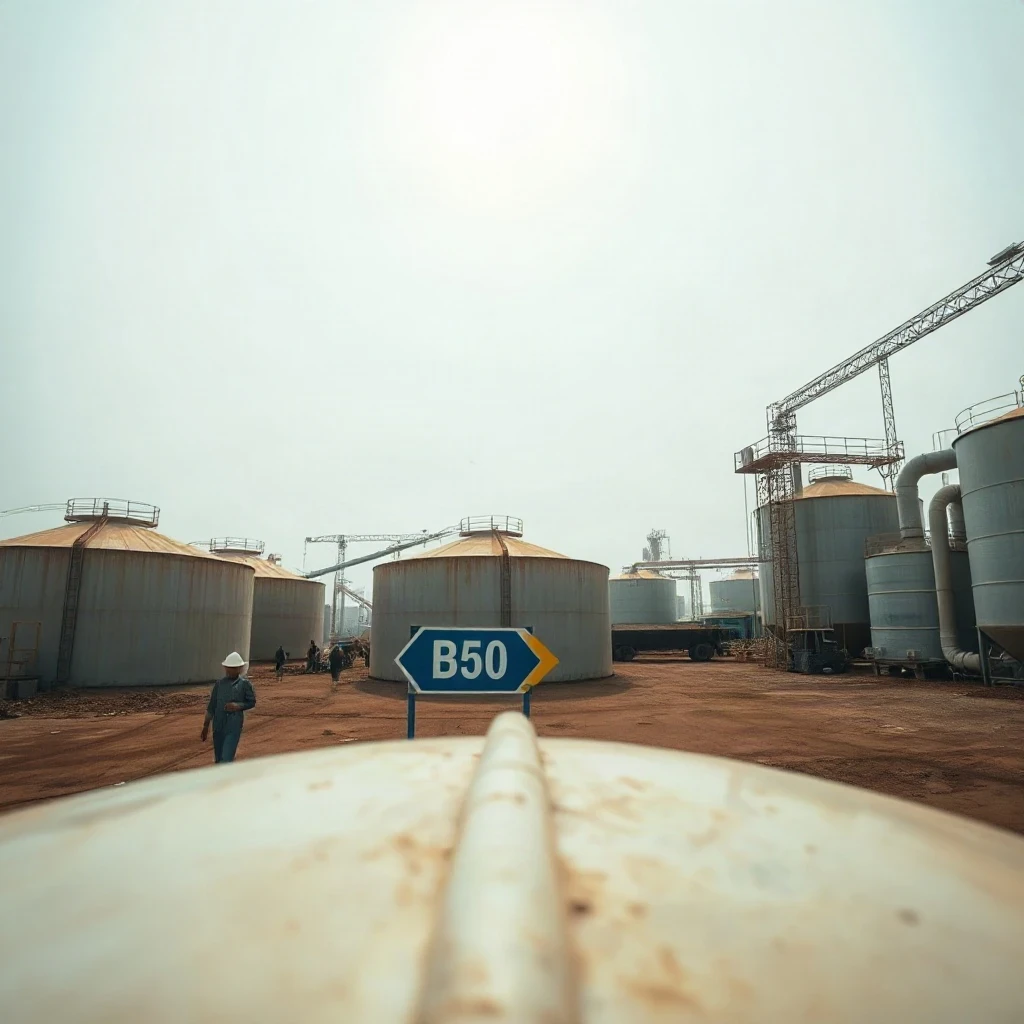
Indonesia's latest policy signals point to a domestic biodiesel pull that could reshape palm oil trade flows. Reports say the stronger biodiesel mandate is being credited with supporting fresh fruit bunch prices for smallholders, giving growers a clearer link between energy policy and farmgate returns.
A research note cited in regional media sees firm biodiesel demand lifting palm oil prices, with a potential move above RM4,300 per tonne. That price level, if realized, reflects both tightness in vegetable oil supply and the additional demand from biofuel blending. For physical buyers, the message is that palm oil is no longer being priced purely on food or oleochemical demand.
On the supply side, Indonesia's estate crop fund agency says the move toward B50 has not suppressed palm oil exports, even as export levies rise by 73%. The higher levy is the policy lever that funds biodiesel subsidies and other programs. It raises the cost of shipping palm products out of Indonesia, which in practice encourages more feedstock to remain in the domestic market. That supports the mandate but narrows the pool of freely traded export volumes.
What this means for supply - A larger share of palm oil output is likely to be absorbed by domestic biodiesel blending. - The export levy increase raises the break-even cost for exporters, potentially slowing outbound shipments of crude palm oil and processed products. - If B50 implementation proceeds, available export supply could become less elastic, tightening spot markets in destination countries.
What this means for demand - Biodiesel demand is now a hard floor under palm oil prices, not just a residual outlet. - Buyers who depend on Indonesian palm oil need to factor in policy-driven competition from the energy sector. - Consumer countries may see higher import prices if Malaysia and other origins cannot fully offset reduced Indonesian availability.
Compliance considerations - Outreach efforts, including an education program for 5,000 scouts, indicate that the government and industry are preparing wider public acceptance of B50. - Importers and food manufacturers should watch for certification, sustainability documentation, and levy-related cost pass-throughs. - The blend increase may affect technical specifications for biodiesel and feedstock quality, so compliance teams should track implementing regulations.
Overall, these developments reinforce the view that Indonesian energy policy is becoming a primary driver of palm oil balances. A buyer that treats biodiesel mandates as a side issue risks misreading both price direction and shipment timing. Monitoring levy changes, actual blending rates, and export data will be essential for supply planning.