Palm Oil Steadies Near $1,104/MT as August Reference Price, MPOC Range Set the Tone
CPO consolidates ahead of MPOB July data; Indonesia's $996.52/MT reference and MPOC's RM4,400-4,650 band frame trade.
A wave of bearish signals—weak crude, peak output and positioning ahead of MPOB data—drags Malaysian CPO lower, even as a wide BOPO discount and Indonesian B50 support the market.
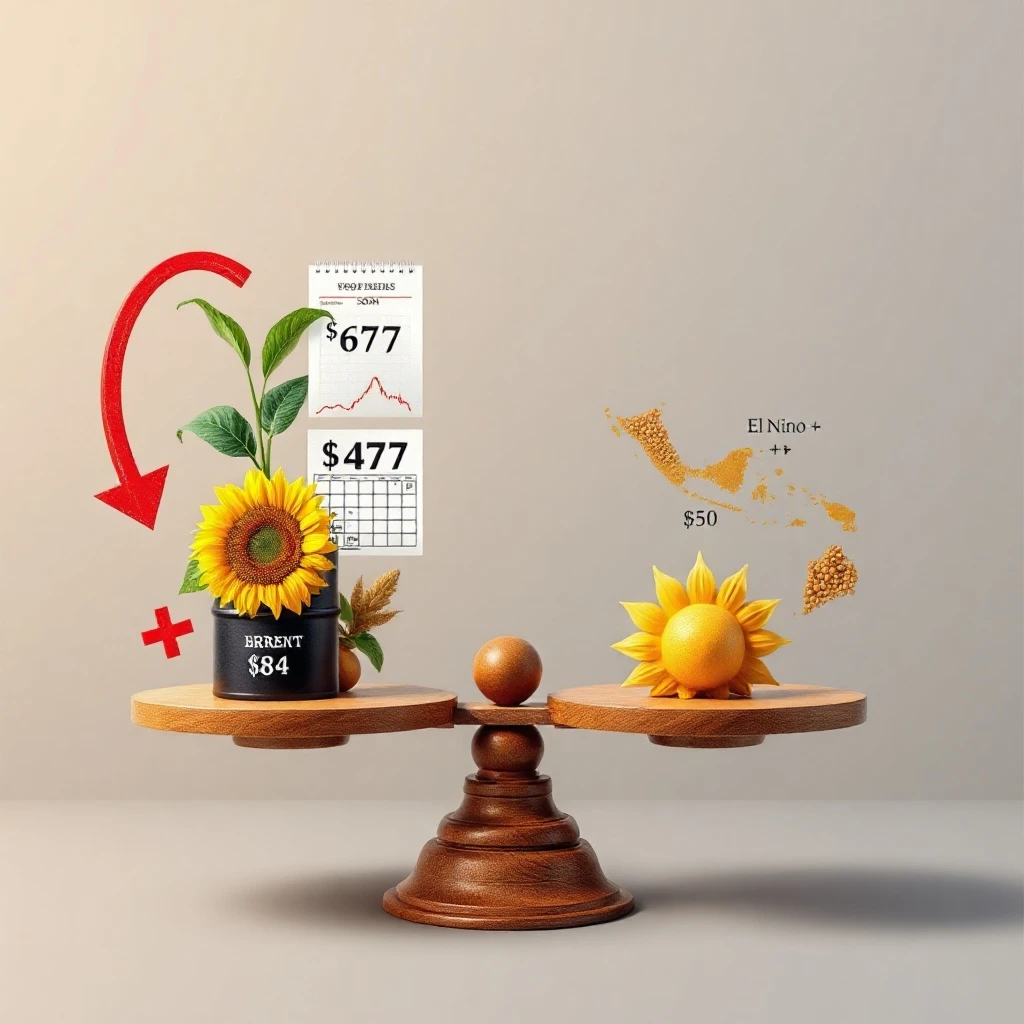
Malaysian CPO futures slipped 0.3% to about $1,104 per tonne (RM 4,515) on Wednesday, extending a cautious tone as the market braces for a seasonal stock build and contends with softening crude oil. The modest move belies a deeper tug-of-war between six bearish catalysts and four bullish anchors, leaving the near‑term balance tilted to the downside.
The most conspicuous prop is the yawning soy‑palm spread, which at $477 per tonne makes palm oil exceptionally cheap against soybean oil. This discount lures price‑sensitive buyers—particularly in India—to switch demand toward palm, underpinning physical offtake.
Indonesia’s B50 launch is another structural floor. Pertamina began nationwide distribution of the 50 % biodiesel blend on July 27, locking in a mandated offtake of millions of tonnes of palm oil that would otherwise compete for export. By diverting feedstock into domestic tanks, B50 shrinks the exportable surplus and supports global prices.
El Niño anticipation continues to inject a risk premium. The Oceanic Niño Index sits at +1.4 °C—strong El Niño territory—and historically such events cut fresh fruit bunch yields 6–12 months later. Traders are front‑running that supply anxiety, even though physical conditions have yet to tighten materially.
A fresh demand tailwind comes from sunflower‑oil disruptions. India is actively scouting for alternatives after Black Sea supply routes were hit in late July, and palm—already deeply discounted—stands to capture the redirected orders.
The most immediate headwind is positioning ahead of the July MPOB report, due in four days. June closing stocks of 1.33 million tonnes and a stocks‑to‑use ratio of 13 % already point to comfortable supply, and expectations are for a further seasonal build. Traders are lightening positions to avoid being caught long into a bearish print.
Brent crude’s 7.3 % slide over the past seven days has gutted biodiesel blending economics. At around $84 a barrel, crude is now so cheap that discretionary biodiesel demand evaporates, weakening the industrial‑use case for palm oil and dragging futures lower.
Indian demand is buckling. Edible oil imports collapsed 30 % in June, the steepest drop this year, signalling that high prices and a strong rupee are curbing appetite in the world’s top buyer. Less ship‑borne palm oil means more stocks piling up in producing countries.
In the futures market, managed‑money liquidation is spreading from soy oil to the broader vegetable‑oil complex. The CFTC’s latest data show money managers slashed their soy‑oil net long by 29,000 contracts—a historically aggressive pull‑back that spills over into palm via correlation trades.
Technicals reinforce the negative bias. The five‑day moving average has crossed below the 20‑day, forming a “death cross” that triggers momentum selling, even though the RSI remains in neutral territory.
Finally, the seasonal clock is against bulls. Peak production season running from July through October reliably floods the market with new supply, and this year’s strong output recovery—June production jumped 8.1 % month‑on‑month—suggests the wave has room to run.
With six bearish factors against four bullish, the downside currently holds the upper hand. Our model’s near‑term outlook reflects this: “slightly bearish amid peak production season and weak crude oil, but wide BOPO spread and El Niño anticipation provide support.” The next MPOB report is the immediate binary risk that could either anchor or upend this view.
To shift the balance from bearish to bullish, either the demand side or the supply narrative would need to turn dramatically. A sustained rebound in Brent above $90 would revive biodiesel economics. A surprise dip in Malaysian stocks below 1.3 million tonnes would puncture the stock‑build story. Accelerating El Niño—say, an ONI climbing toward +1.6 °C—could intensify yield‑impact fears. Alternatively, if soy‑oil prices spike on a US weather scare, the BOPO spread could widen beyond $500, forcing more demand toward palm. Until then, sellers remain in charge.
CPO consolidates ahead of MPOB July data; Indonesia's $996.52/MT reference and MPOC's RM4,400-4,650 band frame trade.

Malaysian crude palm oil futures settled around $1,104/MT (RM 4,515) on 2026-08-09, down 0.3% from the prior session, as the market consolidates ahead of the July MPOB supply-demand report. The global benchmark hovered near $1,101/MT, while Indonesia's August reference price has been set at $996.52/MT, a level that traders see as a key policy anchor for export levies and domestic pricing. The Malaysian Palm Oil Council has pegged CPO prices in a RM 4,400–4,650 range for August, a band that aligns closely with current futures and provides a near-term trading framework.
MPOB's June data showed Malaysian CPO production at 1,638,777 tonnes, up 8.1% month-on-month, while closing stocks rose 3.7% to 1,332,697 tonnes. Exports climbed 7.3% to 1,216,871 tonnes, but imports surged 135.3% to 103,113 tonnes, reflecting active arbitrage flows. The FFB reference price slipped 1.3% to RM 48.90. Our model outlook sees the market balancing these bearish stock dynamics against weather-related supply risks.
Weather remains a key watchpoint: El Niño conditions (ONI +1.4) have brought dry spells to Sarawak and Kalimantan, raising concerns about future production. Headlines highlight a surging probability of a strong El Niño, with analysts questioning how far off the long-awaited inventory inflection point may be. Any sustained dryness could tighten supplies later in the year.
On the demand side, Indonesia, Malaysia, and Thailand have all raised biodiesel mandates in 2026, with Indonesia's B50 program now in nationwide distribution via Pertamina. This policy-driven demand is a structural bullish factor, though crude oil's flat performance near $84/bbl offers little extra support for biodiesel economics. India's vegetable oil imports surged 13% as palm oil demand accelerates, with edible oil imports expected to climb further ahead of festivals. Strong export outlooks from several sources underpinned prices despite weaker soybean and crude oil markets.
CPO futures have been buffeted by profit-taking and softer soyoil, but remain on track for weekly gains. The Malaysian Palm Oil Council's RM 4,400–4,650 range for August, combined with Indonesia's $996.52/MT reference price, effectively sets the trading band until the MPOB July report provides fresh fundamental clarity. Our model sees range-bound trade within $1,090–$1,120, with a slight bullish tilt from B50 demand and Indian alternative sourcing. The wide BOPO spread provides a floor, while peak production and weak crude oil limit upside.
Watch the upcoming MPOB July report for confirmation of stock builds and production trends, and monitor El Niño developments in Sarawak and Kalimantan—any deterioration could shift the balance quickly. Also track biodiesel policy implementation and crude oil moves, as they will influence the palm oil complex's direction in the near term. The August reference price and MPOC's range offer clear markers for assessing market moves against official expectations.
Sources: 富途牛牛; Bernama; AgroSpectrum India; energynews.pro; ANI News; Business Recorder
Indonesia, Malaysia and Thailand raise 2026 biodiesel mandates, underpinning palm demand amid peak supply.

Palm oil benchmarks are treading water this week, with the Malaysian crude palm oil contract hovering near $1104 per tonne, down 0.3% on the session. The global World Bank benchmark sits at about $1101, while Indonesia's reference price is around $1030. The flat Brent crude at $84 a barrel keeps biodiesel blending economics in focus, as policy shifts across Southeast Asia point to firmer structural demand for palm-based fuel.
Indonesia, Malaysia and Thailand have all raised their biodiesel mandates for 2026, according to industry reports. Indonesia's state energy firm Pertamina has launched nationwide distribution of B50 — a 50% palm-oil blend — a step that could absorb significant volumes of domestic supply and tighten export availability. Malaysia and Thailand are following with higher blends of their own, albeit at lower percentages.
For compliance-minded buyers, the takeaway is that policy-driven demand is becoming a more durable pillar of the palm market. Unlike discretionary food or oleochemical purchases, biodiesel mandates are legally binding, giving refiners and traders a clearer floor on consumption. That is especially relevant as Indonesia's reference price trails the global benchmark, suggesting domestic policy is actively supporting local crushing and blending margins.
The bullish policy narrative is running into near-term supply pressure. Malaysia's June MPOB data showed crude palm oil production at 1,638,777 tonnes, up 8.1% month-on-month, while closing stocks rose 3.7% to 1,332,697 tonnes. Exports climbed 7.3% to 1,216,871 tonnes, but imports surged 135.3% to 103,113 tonnes, reflecting a market that is still absorbing seasonal output.
Weather remains a wildcard. The El Niño event (ONI +1.4) has left parts of Sarawak and Kalimantan dry, which could curb yields later in the year. Our model outlook sees the market in consolidation ahead of the July MPOB report, balancing bearish near-term fundamentals — peak production and stock builds — against bullish forward drivers like El Niño, a wide biodiesel-vs-gas oil spread and the B50 rollout.
For now, expect range-bound trade with a slight downward tilt until the market gets clearer signals on both supply and mandate compliance. Buyers with fixed-price exposure may want to watch for dips, while those with forward coverage can afford to wait for the report.
Sources: energynews.pro; Biofuels International Magazine; livemint.com; livemint.com; Business Standard
A plain-language look at the tocotrienol research landscape, separating established findings from contested claims.
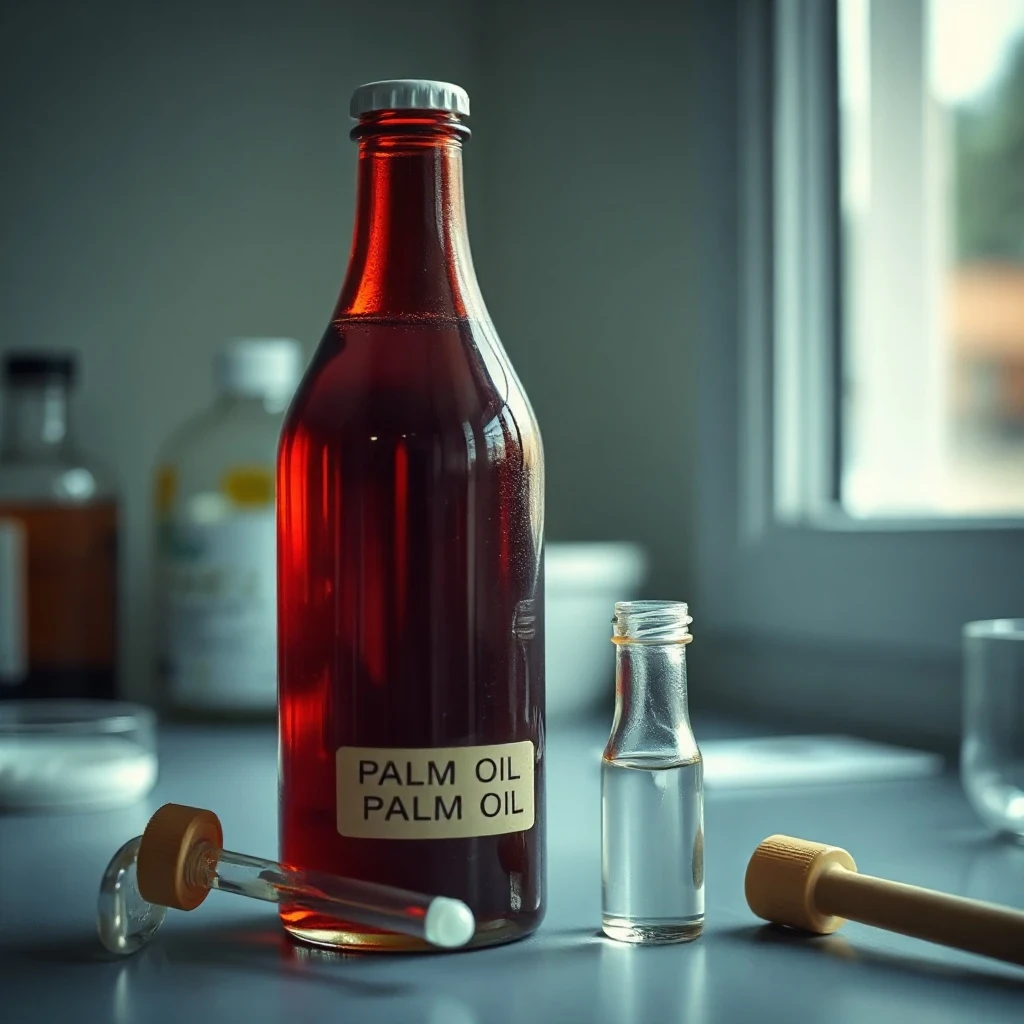
Red palm oil's distinctive color comes from carotenoids, but its vitamin E fraction is what draws research attention. Unlike the more common tocopherols, palm oil is rich in tocotrienols—a related but distinct form of vitamin E. Both are fat-soluble antioxidants, but tocotrienols have a different molecular structure that some studies suggest gives them unique biological activity.
The basic chemistry is well established. Tocotrienols are present in significant amounts in red palm oil, alongside tocopherols. Research has consistently shown they act as antioxidants, protecting fats from oxidation. This has practical implications for shelf life and stability of palm oil products.
Beyond antioxidant activity, a body of preclinical research—mostly in cell cultures and animal models—has explored tocotrienols for effects on cholesterol, brain health, and skin. Some findings have been promising, particularly around certain enzymes involved in cholesterol synthesis. However, these results do not automatically translate to human health outcomes.
Human clinical data are more limited. Some small trials have reported modest effects on lipid profiles, while others have found no significant difference. The variability likely stems from differences in dosage, duration, and study design. As a result, the scientific community has not reached consensus on whether tocotrienols meaningfully improve cardiovascular or cognitive health in humans.
Industry marketing often goes further than the research. Claims that tocotrienols prevent or treat specific diseases are not supported by the current evidence base. The FDA and similar regulators have not approved such claims, and most published reviews call for larger, longer-term human studies.
For producers and refiners, the takeaway is to treat tocotrienol content as a quality marker, not a health panacea. Maintaining tocotrienol levels through gentle processing is worthwhile, as these compounds contribute to oil stability and may offer genuine nutritional value. But overstating health benefits in labeling or marketing risks regulatory scrutiny and erodes buyer trust.
Buyers should view tocotrienol-rich red palm oil as a premium product with a plausible, but not proven, health profile. When evaluating suppliers, ask for batch-level tocotrienol analysis rather than relying on generic claims. The research is still evolving; staying informed and honest about the evidence will serve the industry better than repeating unsupported assertions. ---
*This article reflects the position as of 9 August 2026. Research moves on, and later work may revise or supersede what is described here. Please verify the current position, and any changes made after this date, before relying on it.*
A neutral comparison of certified sustainable and conventional palm oil across premiums, availability, and practical sourcing factors.
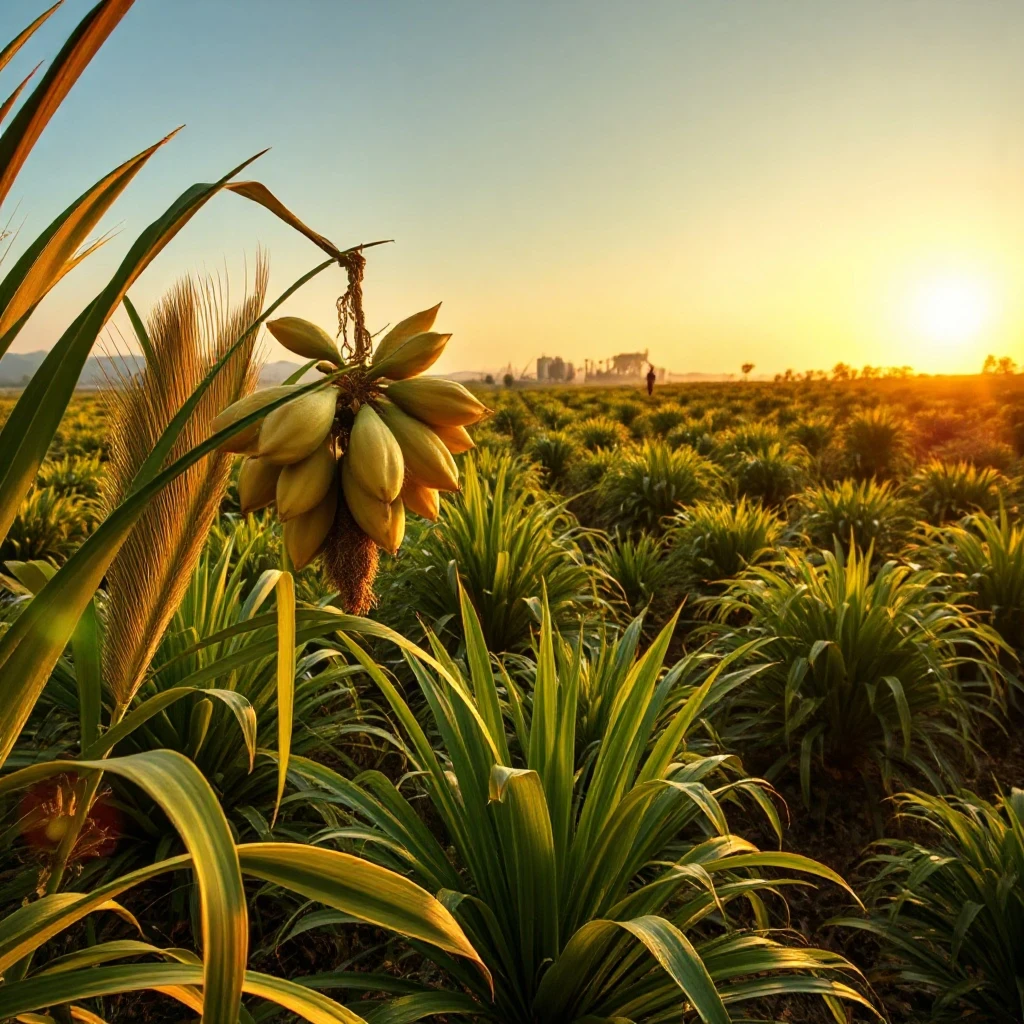
Palm oil is the most widely used vegetable oil globally, prized for its versatility and high yield. Two distinct supply streams now serve the market: conventional palm oil and palm oil certified under the Roundtable on Sustainable Palm Oil (RSPO). The RSPO standard was developed to address environmental and social concerns, including deforestation and labor practices. This analysis compares the two on price, availability, and functional properties, and offers practical guidance for buyers.
RSPO-certified palm oil typically commands a price premium over conventional palm oil. The premium varies by market and certification model—segregated, mass balance, or book-and-claim—with segregated certified oil generally carrying the highest premium. Conventional palm oil, by contrast, trades at the global benchmark price with no additional certification cost. The premium reflects the cost of compliance, auditing, and supply chain segregation. For many buyers, the premium is a key factor in sourcing decisions, especially in price-sensitive markets.
Conventional palm oil is abundant and flows through well-established global supply chains. RSPO-certified supply has grown significantly but still represents a fraction of total production. Certified volumes are concentrated in Southeast Asia, with smaller volumes from other regions. Availability of certified oil can be inconsistent, particularly for segregated supply, which requires dedicated infrastructure. Buyers may face limited options for certified oil in certain regions or for specific product forms, such as refined oils or fractions.
Both certified and conventional palm oil come from the same crop and have similar yield characteristics. Certification does not inherently change agronomic yield; it imposes management practices that may slightly increase operational costs. These costs are typically passed through the supply chain. For large buyers, the premium may be manageable, but for smaller purchasers, the additional cost can be prohibitive. Certification also requires administrative effort, which can be a barrier for smallholders.
In terms of physical and chemical properties, RSPO-certified and conventional palm oil are essentially identical. Both provide the same functionality in food, cosmetics, and oleochemicals. The certification does not alter the oil's composition, melting point, or shelf life. This means that switching to certified oil requires no formulation changes. The main difference lies in the supply chain and documentation, not in the product itself. For applications where sustainability is a priority, certified oil offers a way to meet corporate commitments without compromising performance.
Conventional palm oil is the default choice for many buyers due to its lower cost and reliable supply. RSPO-certified oil is positioned for buyers with sustainability commitments, such as multinational food companies and retailers. The market is evolving, with increasing demand for certified oil, but price and availability remain constraints. Some buyers use a mix of both, purchasing certified oil for flagship products and conventional oil for others.
For buyers, the choice depends on priorities. If cost is the primary concern and supply security is critical, conventional palm oil is the practical option. If corporate sustainability goals require certified sourcing, RSPO-certified oil is appropriate, especially in markets where consumers or regulators demand it. Buyers should assess the premium against their budget and the availability of certified supply in their region. A phased approach—starting with mass balance or book-and-claim—can be a cost-effective way to support certified production while managing costs. Ultimately, both streams serve distinct needs, and the decision should align with the buyer's strategic objectives.
How archaeological finds of palm oil in Egyptian tombs illuminate ancient trade and the industry's deep roots.

The story of palm oil begins long before modern plantations and refineries. Among the most intriguing chapters is its presence in ancient Egypt, where tomb evidence suggests the oil was valued enough to accompany the dead into the afterlife. These finds are not just curiosities; they offer a window into the earliest chapters of the trade that now spans the globe.
Archaeologists have recovered residues of what is believed to be palm oil from a number of Egyptian tombs, particularly from the predynastic and early dynastic periods, roughly 5,000 to 6,000 years ago. The evidence is indirect—traces of fatty acids and plant remains in jars and vessels—but it is consistent with the use of palm oil as an unguent or ritual offering. The exact species of palm is not always clear, though the date palm and the oil palm are both candidates. The finds are scattered, and the interpretation is often debated, but the pattern is striking: palm oil appears to have been a commodity of some significance in a society that left few written records of its trade.
The presence of palm oil in Egypt raises a key question: where did it come from? The oil palm is native to West Africa, while the date palm is more common in the Middle East and North Africa. If the oil was from the oil palm, it would have had to travel a long way—overland across the Sahara or by sea along the Red Sea coast. Some scholars suggest that early trade routes connected the Nile Valley with sub-Saharan Africa, exchanging goods such as gold, ivory, and possibly palm oil. Others argue that the oil could have come from the date palm, which was cultivated in Egypt itself, blurring the line between local production and imported luxury. The evidence is not definitive, and the debate reflects the difficulty of tracing ancient commodities with the tools available.
Early excavators in the 19th and early 20th centuries often noted the presence of oily residues but did not always subject them to rigorous analysis. It was only with the advent of modern chemistry—gas chromatography and mass spectrometry—that researchers could identify specific plant oils in ancient residues. These techniques have confirmed the presence of palm oil in some contexts, but they have also raised new questions about contamination and preservation. The interpretation of the finds has shifted over time, from simple curiosity to a key piece of evidence in understanding ancient Egyptian trade networks and the symbolic role of oils in funerary practice.
For those in the palm oil trade today, this ancient history is a reminder that the commodity has been a global product for millennia. The trade routes of antiquity—however uncertain—prefigure the complex supply chains that move palm oil from tropical plantations to markets worldwide. The same questions that puzzle archaeologists—origin, transport, and value—are echoed in modern debates about sustainability and traceability. The tomb evidence is not just a footnote; it is the starting point of a story that continues in every shipment of palm oil today.
Our market desk connects serious buyers with vetted origin suppliers across Southeast Asia. Indicative pricing, specifications and shipment guidance — free of charge.
Get connected →CPO consolidates ahead of MPOB July data; Indonesia's $996.52/MT reference and MPOC's RM4,400-4,650 band frame trade.
Indonesia, Malaysia and Thailand raise 2026 biodiesel mandates, underpinning palm demand amid peak supply.
A plain-language look at the tocotrienol research landscape, separating established findings from contested claims.
A neutral comparison of certified sustainable and conventional palm oil across premiums, availability, and practical sourcing factors.
How archaeological finds of palm oil in Egyptian tombs illuminate ancient trade and the industry's deep roots.
A wave of bearish signals—weak crude, peak output and positioning ahead of MPOB data—drags Malaysian CPO lower, even as a wide BOPO discount and Indonesian B50 support the market.
Malaysian CPO futures slipped 0.3% to about $1,104 per tonne (RM 4,515) on Wednesday, extending a cautious tone as the market braces for a seasonal stock build and contends with softening crude oil. The modest move belies a deeper tug-of-war between six bearish catalysts and four bullish anchors, leaving the near‑term balance tilted to the downside.
The most conspicuous prop is the yawning soy‑palm spread, which at $477 per tonne makes palm oil exceptionally cheap against soybean oil. This discount lures price‑sensitive buyers—particularly in India—to switch demand toward palm, underpinning physical offtake.
Indonesia’s B50 launch is another structural floor. Pertamina began nationwide distribution of the 50 % biodiesel blend on July 27, locking in a mandated offtake of millions of tonnes of palm oil that would otherwise compete for export. By diverting feedstock into domestic tanks, B50 shrinks the exportable surplus and supports global prices.
El Niño anticipation continues to inject a risk premium. The Oceanic Niño Index sits at +1.4 °C—strong El Niño territory—and historically such events cut fresh fruit bunch yields 6–12 months later. Traders are front‑running that supply anxiety, even though physical conditions have yet to tighten materially.
A fresh demand tailwind comes from sunflower‑oil disruptions. India is actively scouting for alternatives after Black Sea supply routes were hit in late July, and palm—already deeply discounted—stands to capture the redirected orders.
The most immediate headwind is positioning ahead of the July MPOB report, due in four days. June closing stocks of 1.33 million tonnes and a stocks‑to‑use ratio of 13 % already point to comfortable supply, and expectations are for a further seasonal build. Traders are lightening positions to avoid being caught long into a bearish print.
Brent crude’s 7.3 % slide over the past seven days has gutted biodiesel blending economics. At around $84 a barrel, crude is now so cheap that discretionary biodiesel demand evaporates, weakening the industrial‑use case for palm oil and dragging futures lower.
Indian demand is buckling. Edible oil imports collapsed 30 % in June, the steepest drop this year, signalling that high prices and a strong rupee are curbing appetite in the world’s top buyer. Less ship‑borne palm oil means more stocks piling up in producing countries.
In the futures market, managed‑money liquidation is spreading from soy oil to the broader vegetable‑oil complex. The CFTC’s latest data show money managers slashed their soy‑oil net long by 29,000 contracts—a historically aggressive pull‑back that spills over into palm via correlation trades.
Technicals reinforce the negative bias. The five‑day moving average has crossed below the 20‑day, forming a “death cross” that triggers momentum selling, even though the RSI remains in neutral territory.
Finally, the seasonal clock is against bulls. Peak production season running from July through October reliably floods the market with new supply, and this year’s strong output recovery—June production jumped 8.1 % month‑on‑month—suggests the wave has room to run.
With six bearish factors against four bullish, the downside currently holds the upper hand. Our model’s near‑term outlook reflects this: “slightly bearish amid peak production season and weak crude oil, but wide BOPO spread and El Niño anticipation provide support.” The next MPOB report is the immediate binary risk that could either anchor or upend this view.
To shift the balance from bearish to bullish, either the demand side or the supply narrative would need to turn dramatically. A sustained rebound in Brent above $90 would revive biodiesel economics. A surprise dip in Malaysian stocks below 1.3 million tonnes would puncture the stock‑build story. Accelerating El Niño—say, an ONI climbing toward +1.6 °C—could intensify yield‑impact fears. Alternatively, if soy‑oil prices spike on a US weather scare, the BOPO spread could widen beyond $500, forcing more demand toward palm. Until then, sellers remain in charge.