The story of palm oil begins long before modern plantations and refineries. Among the most intriguing chapters is its presence in ancient Egypt, where tomb evidence suggests the oil was valued enough to accompany the dead into the afterlife. These finds are not just curiosities; they offer a window into the earliest chapters of the trade that now spans the globe.
The Tomb Evidence
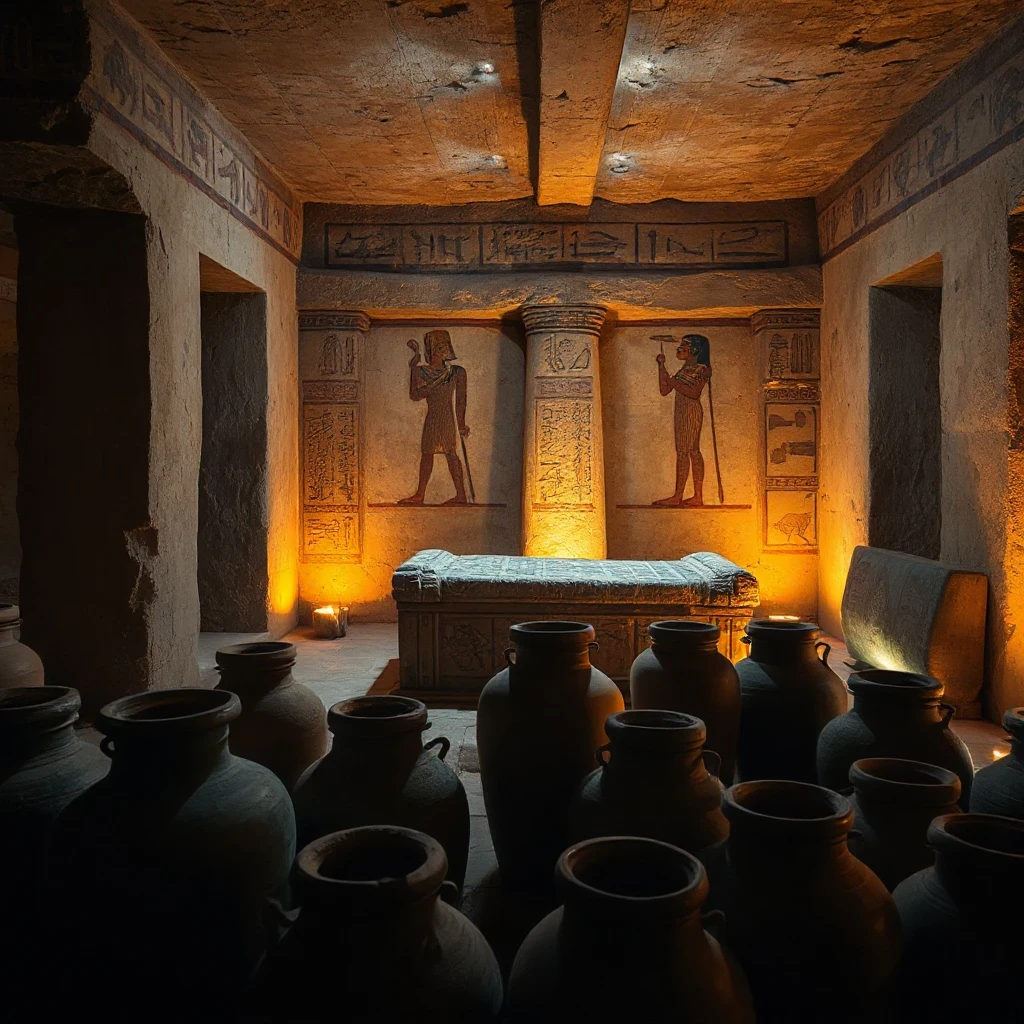
Archaeologists have recovered residues of what is believed to be palm oil from a number of Egyptian tombs, particularly from the predynastic and early dynastic periods, roughly 5,000 to 6,000 years ago. The evidence is indirect—traces of fatty acids and plant remains in jars and vessels—but it is consistent with the use of palm oil as an unguent or ritual offering. The exact species of palm is not always clear, though the date palm and the oil palm are both candidates. The finds are scattered, and the interpretation is often debated, but the pattern is striking: palm oil appears to have been a commodity of some significance in a society that left few written records of its trade.
Trade Routes and Origins
The presence of palm oil in Egypt raises a key question: where did it come from? The oil palm is native to West Africa, while the date palm is more common in the Middle East and North Africa. If the oil was from the oil palm, it would have had to travel a long way—overland across the Sahara or by sea along the Red Sea coast. Some scholars suggest that early trade routes connected the Nile Valley with sub-Saharan Africa, exchanging goods such as gold, ivory, and possibly palm oil. Others argue that the oil could have come from the date palm, which was cultivated in Egypt itself, blurring the line between local production and imported luxury. The evidence is not definitive, and the debate reflects the difficulty of tracing ancient commodities with the tools available.
How the Find Was Interpreted
Early excavators in the 19th and early 20th centuries often noted the presence of oily residues but did not always subject them to rigorous analysis. It was only with the advent of modern chemistry—gas chromatography and mass spectrometry—that researchers could identify specific plant oils in ancient residues. These techniques have confirmed the presence of palm oil in some contexts, but they have also raised new questions about contamination and preservation. The interpretation of the finds has shifted over time, from simple curiosity to a key piece of evidence in understanding ancient Egyptian trade networks and the symbolic role of oils in funerary practice.
Connecting to Today
For those in the palm oil trade today, this ancient history is a reminder that the commodity has been a global product for millennia. The trade routes of antiquity—however uncertain—prefigure the complex supply chains that move palm oil from tropical plantations to markets worldwide. The same questions that puzzle archaeologists—origin, transport, and value—are echoed in modern debates about sustainability and traceability. The tomb evidence is not just a footnote; it is the starting point of a story that continues in every shipment of palm oil today.