B50 rollout, Nepal import dispute shape palm oil policy outlook
Indonesia's B50 launch lifts biodiesel demand; India weighs Nepal duty-free import curbs.

Soy discount and Indian buying cushion CPO despite 13.8% Brent slide; market braces for MPOB supply update.
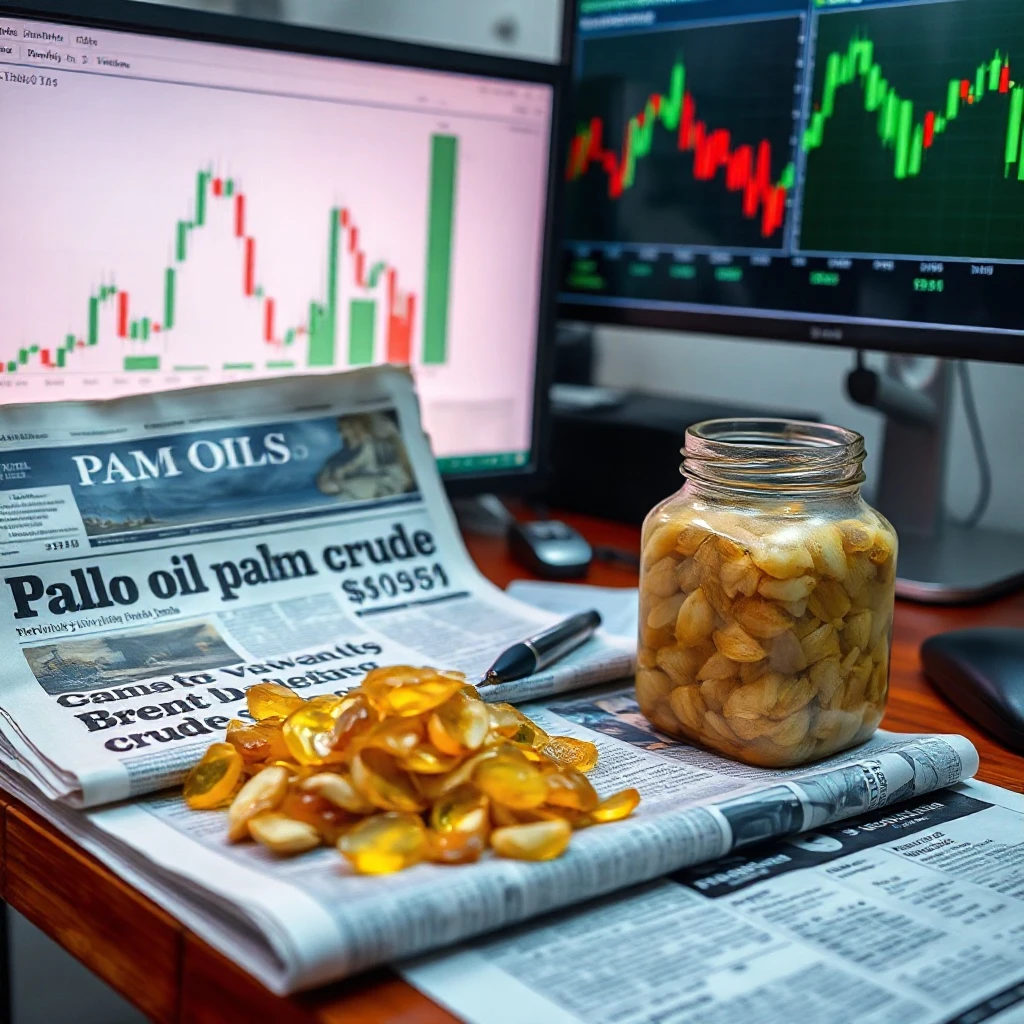
Malaysian CPO benchmark settled around $1,108 per tonne, gaining 0.7% from the previous session (RM4,532/MT at USD/MYR 4.09). Global palm oil traded near $1,101, while Indonesia’s reference price was $1,030. Brent crude slipped to $79/bbl, down 0.3% on the day but nursing a 13.8% plunge over the past week. The market is balancing robust demand signals against a heavy supply narrative, with cautious positioning ahead of July MPOB data due in about five days.
The most potent near-term driver is the wide BOPO spread. Soybean oil at $1,581/MT versus palm at $1,108 creates a discount of $473 per tonne, making palm oil exceptionally attractive for price‑sensitive buyers. Food manufacturers and biodiesel producers in importing nations prefer palm, directly supporting export volumes and keeping FOB bids firm.
India’s palm oil imports surged in July to a ten‑month high on heavy buying ahead of festivals. This immediate uptake pulls physical cargoes from the market, tightening spot availability in Malaysia and Indonesia, and signals resilient demand despite global macro uncertainty.
Weather disruptions are adding a supply squeeze. Peninsular Malaysia has received 375 mm of rain over the last 30 days, with another 34 mm forecast for the coming week. Saturated soils and field flooding can delay fresh fruit bunch harvesting and transport, temporarily reducing mill arrivals and CPO output. At the same time, El Niño conditions with an ONI of +1.4°C are strengthening the medium‑term bullish narrative. Historically, such El Niño strength reduces palm yields after a 6‑12 month lag, threatening late‑2026/early‑2027 production.
August seasonality provides a mild tailwind, with prices historically rising an average 0.7% month‑on‑month.
The collapse in Brent crude is the heaviest weight. A 13.8% drop to $79/bbl slashes the profitability of palm‑based biodiesel. When diesel prices fall, blending mandates become less economical unless subsidised, eroding a crucial demand pillar for palm oil. The weak crude also sours overall vegetable oil sentiment as it dims energy‑linked demand prospects.
Speculative positioning in related oilseeds has turned fragile. Managed‑money net longs in CBOT soybean oil remain at the 85th percentile but were cut by 15,493 contracts. Such crowded longs are vulnerable to liquidation if crude continues to fall or if soybean oil fundamentals weaken, and the resulting sell‑off often spills over into palm markets.
Indonesian exports are becoming more competitive as the rupiah weakens to USD/IDR 17,937. Cheaper Indonesian CPO undercuts Malaysian FOB prices, especially when global buyers are price‑sensitive. This intensifies the fight for market share at a time of peak seasonal production.
Technicals are signalling near‑term downward pressure. The price is near the upper Bollinger Band at $1,115, and the 5‑day SMA just crossed below the 20‑day SMA (a death cross), indicating a short‑term downtrend. The RSI at 52 is neutral, suggesting room for further decline.
With five bullish drivers against four bearish, the upside currently holds the advantage. The wide soy discount and strong Indian demand are providing concrete floor support, while weather‑related supply tightness in Malaysia adds immediate upside risk. The bearish arguments — chiefly the crude oil rout and technical weakness — are largely sentiment‑driven or anticipate future pressure rather than affecting physical flows today.
To flip the balance decisively bearish, one would need a combination of: (i) an unexpectedly large Malaysian stock build in the upcoming MPOB report, confirming that peak production is overwhelming exports; (ii) a further slide in Brent below $75/bbl, making biodiesel blends completely uneconomic and triggering fund liquidation in soyoil; (iii) a sharp reversal in Indian buying, perhaps on currency pressures; or (iv) a normalisation of weather in Peninsular Malaysia, relieving harvest constraints while Indonesian supply floods the market.
Our model outlook notes that while the immediate balance tilts bullish, the sharp Brent sell‑off and cautious market positioning ahead of the data release could still produce a slight net decline over seven days, with high volatility around the MPOB announcement.
Indonesia's B50 launch lifts biodiesel demand; India weighs Nepal duty-free import curbs.
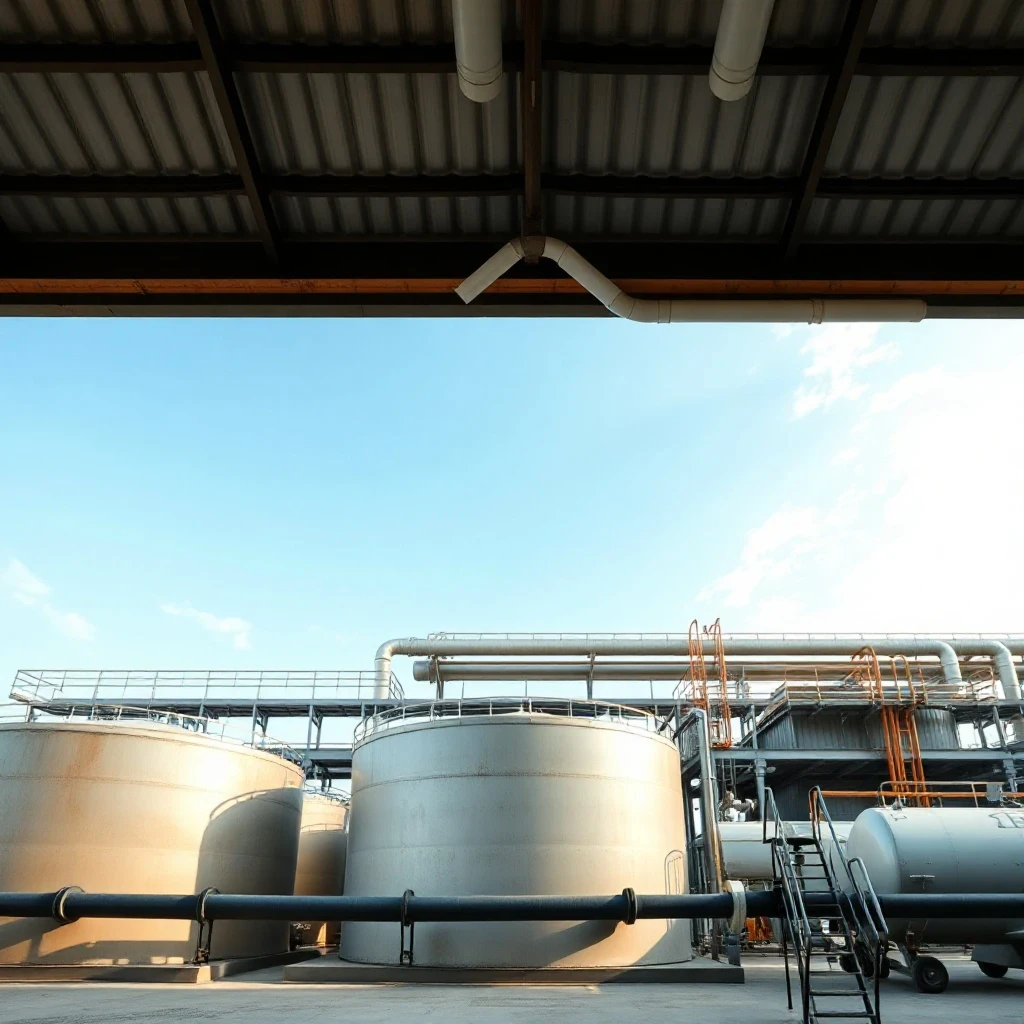
Indonesia's nationwide B50 biodiesel distribution, launched by state energy firm Pertamina in late July, is the most consequential policy development for palm oil markets this week. The mandate raises the minimum biodiesel blend to 50 percent, directly expanding domestic palm oil consumption for fuel. For compliance-minded buyers, the policy tightens the link between crude oil prices and palm oil's energy value: with Brent near $80 per barrel, the economics of higher blends remain workable, but any sustained drop in crude would narrow the incentive for producers to divert supply toward fuel rather than food.
Our model outlook notes that a steep seven-day decline in Brent (-12.9 percent) is already pressuring prices, even as the B50 ramp-up provides a structural floor. The wide spread between palm oil and gasoil (BOPO) currently favors biodiesel blending, which supports near-term demand. However, peak-season stock builds in Malaysia and dry weather in key Indonesian regions—Sumatra and Kalimantan—keep the supply picture mixed.
Separately, Indian edible oil producers are pressing for curbs on duty-free imports from Nepal. The Reserve Bank of India has linked the recent broad rise in edible oil prices to biofuel mandates, including Indonesia's B50 program, while industry body IVPA has formally sought restrictions on Nepalese-origin shipments. The concern: refined oil entering India tariff-free under bilateral trade rules undercuts domestic processors and distorts pricing signals.
For palm oil, the stakes are indirect but real. India is the world's largest importer of vegetable oils, and any policy shift that limits duty-free refined supply could redirect demand toward crude palm oil imports from Malaysia and Indonesia. Conversely, if New Delhi keeps the door open, refined product from Nepal—often sourced from third-country crude—could continue to pressure CPO premiums.
With the next MPOB supply report due in roughly five days, positioning is biased bearish, but policy-driven demand from B50 and potential Indian import adjustments keep uncertainty high. Buyers should weigh these regulatory signals against seasonal supply trends when structuring near-term contracts.
Dry conditions persist across Malaysia and Indonesia as El Niño holds, pointing to potential yield impacts later in 2026.
Weather & Crops Note – 6 August 2026
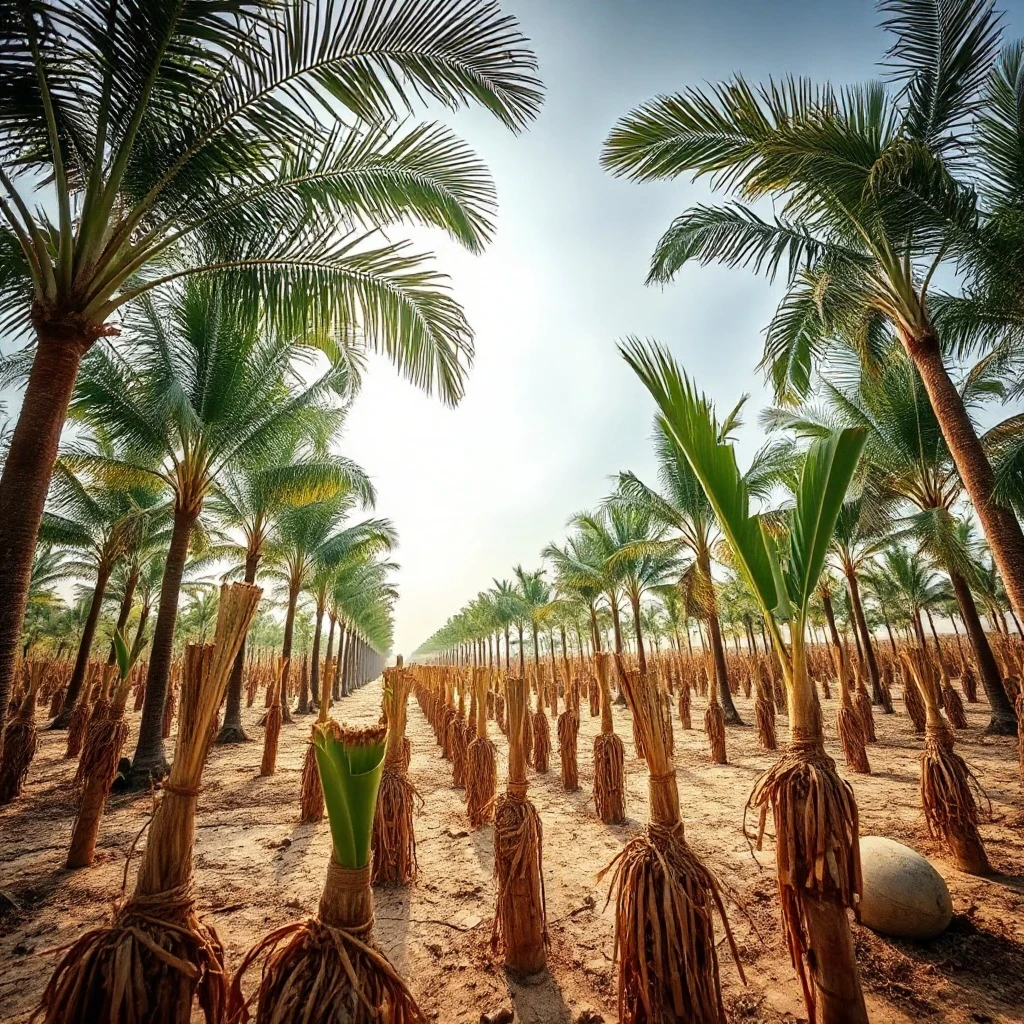
Palm oil markets are watching the weather as much as the balance sheets. The current El Niño episode (ONI +1.4) continues to shape conditions across the Malaysian and Indonesian palm belts, with notable dryness reported in Sarawak, Sumatra/Riau, and Kalimantan. While the market is focused on near-term supply and demand, the agronomic clock is ticking: El Niño-driven drought typically hits yields with a 6-12 month lag, mainly through reduced fruit bunch weight.
Dry Belts, Delayed Impact
The dry spell across key growing regions is not yet a harvest emergency, but it is a signal for forward production. Soil moisture deficits now can translate into smaller bunches and lower oil extraction rates later in the season. For Malaysia, the dry conditions in Sarawak are particularly relevant given the state’s significant share of national output. In Indonesia, the dry belts of Sumatra/Riau and Kalimantan are critical to the world’s largest palm oil supply chain.
Our model outlook suggests that while current production is still supported by seasonal patterns, the lagged effect of this dryness could begin to show in late 2026 or early 2027. Historically, El Niño-related yield losses are not immediate; they emerge as the crop develops. This means the market may be underestimating the potential for tighter supply ahead, even as near-term stocks build.
Heavy Rain Risk Remains
Even as some areas are dry, the broader Southeast Asian region remains vulnerable to heavy rain events. La Niña, which often follows El Niño, typically brings wetter conditions and can disrupt harvesting and logistics. For now, the immediate threat is less about drought and more about the possibility of intense rainfall that could slow field access, reduce harvest days, and delay shipments.
Near-Term Production Outlook
For Malaysia, the latest MPOB data (June 2026) showed production at 1,638,777 tonnes, up 8.1% month-on-month, with stocks at 1,332,697 tonnes. These figures reflect the current seasonal upswing, but weather remains a wildcard. If dryness persists, the pace of output growth could moderate in the coming months.
In Indonesia, the reference price stands at about $1030/MT, and the dry belts are a concern for the second half of the year. The market’s attention is also on the upcoming MPOB release in about five days, which will provide fresh data on July production and stocks. Positioning is bearish, but weather-driven uncertainty is high.
Bottom Line
The El Niño footprint is visible in the dryness across major producing regions. While the immediate impact is limited, the lagged effect on yields is a real risk. Traders should monitor rainfall over the next few weeks, as any intensification of dry conditions could reinforce the case for tighter supply later in the season. Conversely, a shift to wetter weather would ease those concerns but could introduce harvest disruptions. The weather, as always, remains a key swing factor for palm oil prices.
With area expansion limited, output gains must come from productivity; weather and policy will decide how realistic that is
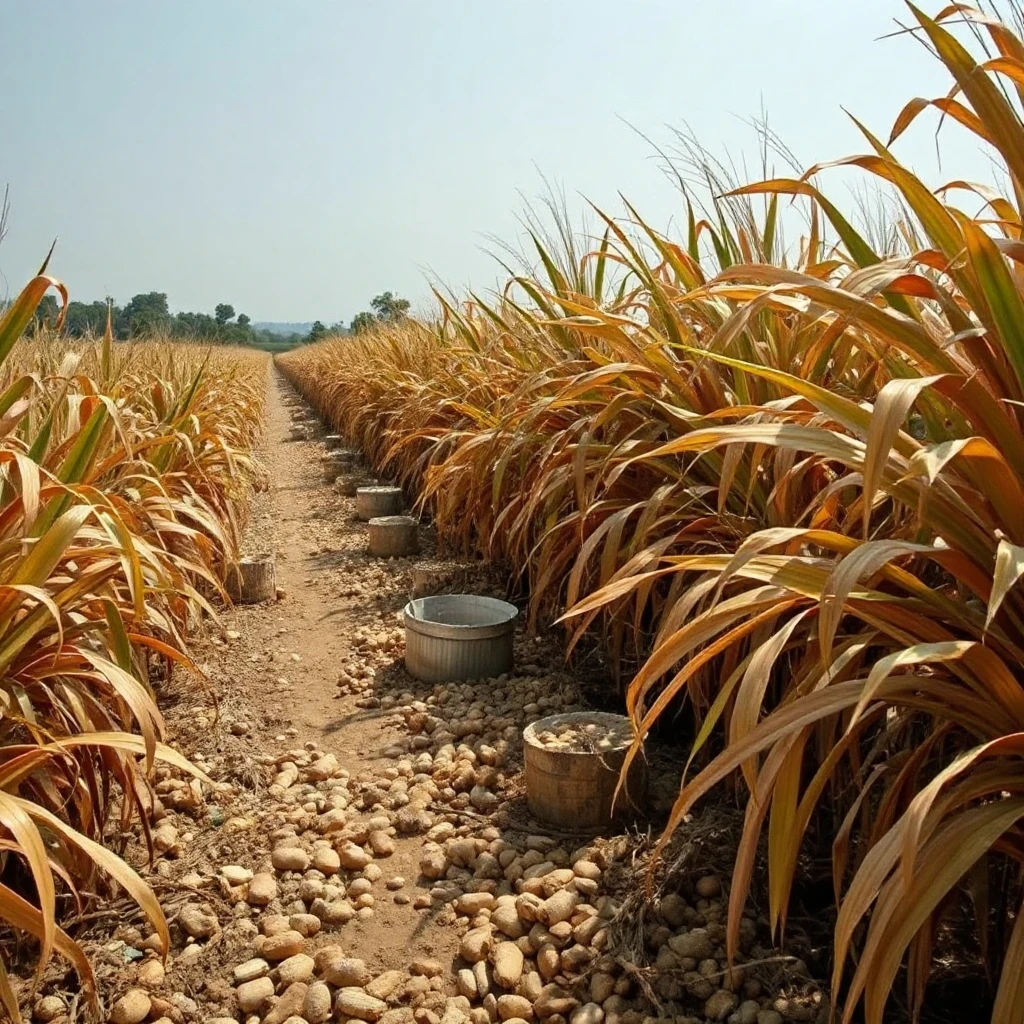
Global palm oil supply is entering a phase where the traditional driver of growth — planting more land — is no longer the default option. Environmental regulation, moratoriums on new plantations and the sheer scarcity of suitable land in the two main producing countries mean that future supply increases will have to come primarily from higher yields per hectare rather than from area expansion. The question is whether that productivity growth can materialise fast enough to meet demand.
Malaysian crude palm oil futures traded at about $1108 per tonne on 6 August 2026, up 0.7% on the session, with the global benchmark near $1101 and Indonesia's reference price at about $1030. The narrow spread between benchmarks reflects a market that is well supplied in the near term but structurally dependent on how efficiently existing trees are managed.
Malaysian output data for June 2026 underline the challenge. CPO production reached 1,638,777 tonnes, up 8.1% month-on-month, and closing stocks rose 3.7% to 1,332,697 tonnes. Exports were 1,198,567 tonnes, up 5.7%. The month-on-month production gain is typical of the seasonal uptick, but the underlying yield trend is the more important variable. With limited new planting, Malaysia's output growth increasingly hinges on agronomic improvements — better fertiliser regimes, higher-yielding planting material and improved harvesting practices.
The current El Niño episode, with an ONI of +1.4, is already showing up in regional rainfall patterns. Sarawak, Sumatra, Riau and Kalimantan are all experiencing dry conditions. Dry weather can stress trees and reduce fruit bunch weights, directly hitting yields. If the dryness persists into the next flowering and fruit-set cycle, the impact will appear in production data several months down the line. This makes the near-term yield outlook uncertain even as stocks are building seasonally.
Indonesia and Malaysia together account for the vast majority of global palm oil output. Both countries have largely exhausted the frontier of easily available land for expansion. Remaining suitable areas are often peatland or forested land with high conservation value, where clearing is either prohibited or commercially and politically costly. As a result, the industry's growth model is shifting from horizontal expansion to intensification.
Yield growth is not a theoretical option — it is already happening in parts of both countries. Smallholders, who manage a significant share of planted area, often lag behind estate yields by a wide margin. Closing that gap through better planting material, training and access to inputs offers a large, low-cost source of additional supply. On the estate side, precision agriculture and improved mill efficiency can also lift effective output per hectare.
But the realistic pace of that improvement is the crux. Yield gains tend to be incremental, measured in single-digit percentage points over years, not in the step-change that area expansion once delivered. With demand from food and biodiesel sectors continuing to grow, the margin for error is thin.
For the supply outlook to shift decisively, several things would need to happen. A sustained La Niña or well-distributed rainfall would ease the immediate yield drag from dry weather. Policy changes — such as allowing replanting on existing concessions with higher-yielding seedlings, or accelerating smallholder certification and support programmes — could accelerate productivity gains. On the demand side, a sharp drop in crude oil prices, as seen over the past week with Brent falling 12.9%, weakens the economics of biodiesel blending and could reduce the pull on palm oil for fuel use.
Buyers should track the upcoming MPOB release, due in about five days, for confirmation of whether the stock build is accelerating or slowing. Beyond that, monthly rainfall data for the key producing regions of Sarawak, Sumatra and Kalimantan will be the single most important indicator of future yield performance. A sustained dry spell would tighten supply expectations despite current stock levels. Also worth monitoring is the pace of replanting and smallholder yield improvement programmes in both Malaysia and Indonesia — these are the real levers of future supply growth. Our model outlook points to mixed signals: bearish positioning on seasonal stock builds, but supportive factors from strong Indian demand and the wide BOPO spread. The market is finely balanced between near-term abundance and structural tightness.
A practical guide for palm buyers on risk, cost, and title transfer under the three main incoterms.
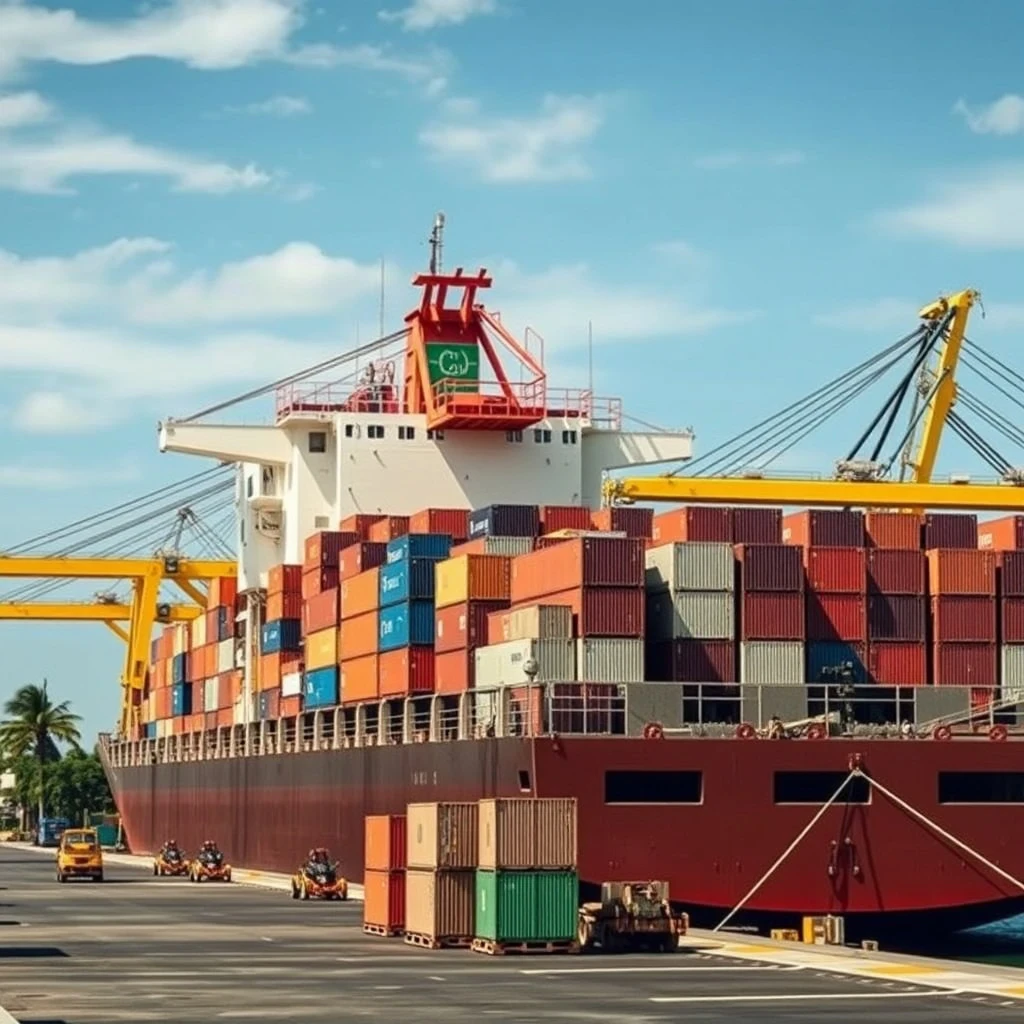
When buying palm oil, the incoterm you choose determines more than just the price. It decides who pays for freight and insurance, who holds the risk if the cargo is damaged in transit, and when the legal title to the goods passes from seller to buyer. For procurement managers and first-time buyers, understanding the difference between FOB, CIF, and CFR is critical to avoiding costly surprises.
Under FOB, the seller is responsible for delivering the goods on board the vessel named by the buyer at the port of loading. Once the cargo is loaded, the risk transfers to the buyer. The buyer arranges and pays for the main ocean freight, insurance, and all costs from that point onward.
FOB is common when the buyer has its own shipping arrangements or wants to control freight costs. It gives the buyer more flexibility but also more responsibility.
Under CIF, the seller pays for the cost of the goods, the freight to the destination port, and the marine insurance. The seller also arranges the insurance policy. However, the risk transfers to the buyer once the goods are on board the vessel at the port of shipment, not at the destination.
CIF is convenient for buyers who do not want to arrange shipping or insurance. But note: the insurance is usually the minimum cover, so buyers may want to add their own coverage for full protection.
CFR is similar to CIF, but the seller does not arrange insurance. The seller pays for the freight to the destination port, but the buyer must insure the cargo from the port of loading.
CFR is less common in palm trade than CIF, but it is used when the buyer prefers to arrange insurance themselves, perhaps because they have a global policy.
Choosing the right incoterm is a balance of control, cost, and risk. For first-time buyers, CIF is often simpler, but FOB gives more control over freight rates. Always read the full contract terms, as incoterms are only part of the agreement.
For more market intelligence on palm oil trade mechanics, keep reading Palm Oil Economics.
How China's tariff regime, state reserve policy, and Dalian futures interact to shape palm oil buying decisions.
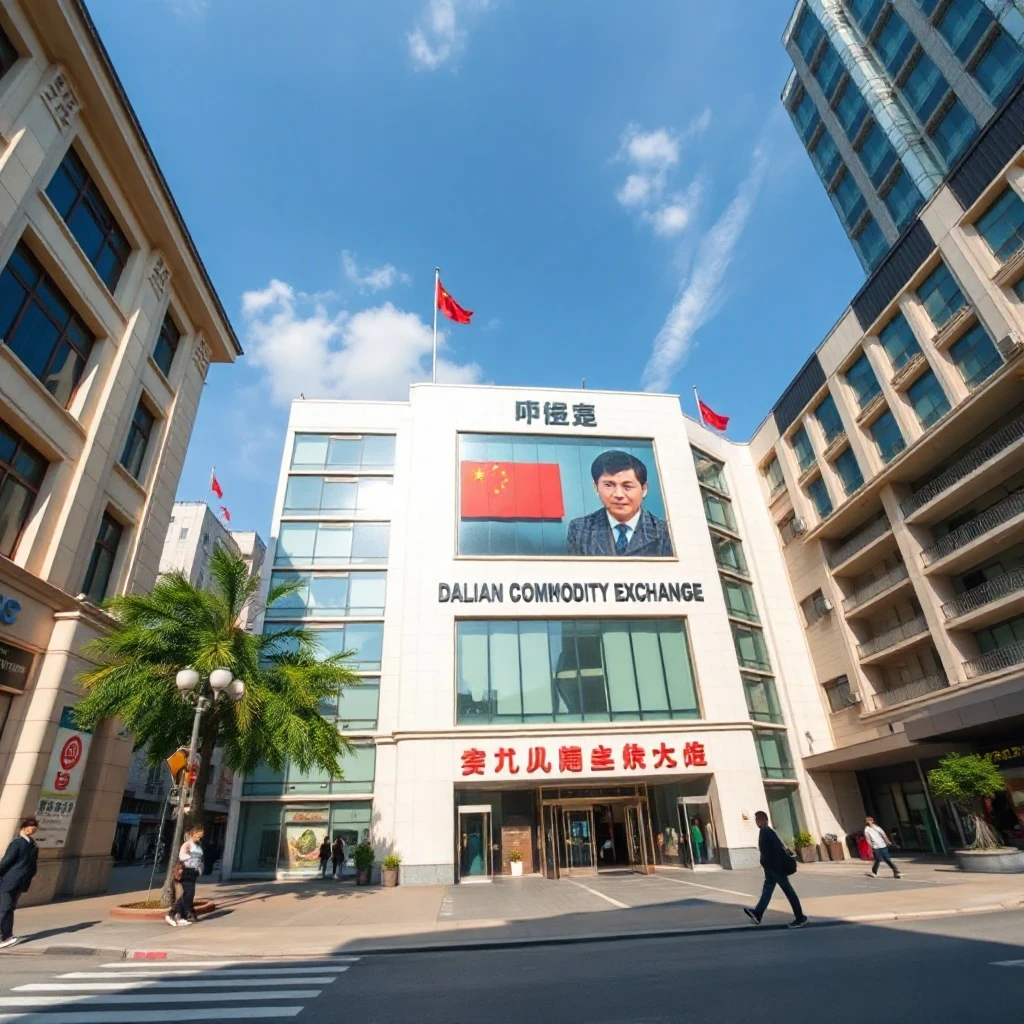
China is a major destination for palm oil, and its import framework is a layered system that combines border tariffs, state-managed reserves, and a domestic futures market. For exporters and traders, understanding how these three elements interact is essential to pricing, logistics, and contract terms.
Palm oil enters China under a most-favored-nation (MFN) tariff schedule, which applies to all WTO members. The applied MFN rate for crude palm oil and refined palm oil is set by the State Council Tariff Commission and can be adjusted periodically. The rate is typically higher for refined products than for crude oil, which encourages domestic refining. An illustrative current MFN rate might be around 5% for crude and 8% for refined, but these figures are for illustration only and can change.
China also has a tariff-rate quota (TRQ) system for some agricultural goods, but palm oil is not generally subject to TRQ. Instead, imports are subject to the MFN rate, plus value-added tax (VAT) at a standard rate, which is also set by the government. The VAT is applied on the CIF value plus duty. In addition, importers must pay a consumption tax on certain goods, but palm oil is typically exempt.
The duty structure is designed to protect domestic oilseed crushing and refining industries. When global palm oil prices are low, the effective protection for domestic producers rises, and the government may adjust tariff rates to balance market stability. Tariff changes are usually announced in advance, but emergency adjustments can occur.
The Chinese government, through the State Administration of Grain and Reserve (SAGR), maintains strategic reserves of edible oils, including palm oil. These reserves are used to stabilize domestic prices and ensure supply security. The reserve system buys palm oil when prices are low and releases it when prices spike, smoothing out volatility.
For importers, the existence of state reserves means that the government can influence demand. When reserves are being replenished, import demand rises; when they are being released, import demand falls. This can create windows of opportunity for exporters who time their shipments to coincide with reserve purchase cycles. However, reserve operations are not always transparent, so traders must monitor policy signals and market rumors.
Dalian Commodity Exchange (DCE) lists palm oil futures, which serve as the benchmark for domestic pricing. Importers use these futures to hedge against price movements in the international market. When global prices rise, importers may lock in futures to protect their margins, and when futures prices are high relative to international prices, it signals strong domestic demand or tight supply.
The futures market also influences the pace of imports. If the futures price is higher than the import cost (including duty and VAT), importers can profit by importing and selling on the spot market. This arbitrage opportunity drives buying decisions. Conversely, if futures are discounted, importers may delay purchases.
For exporters and traders, the structure means that documentation must be precise to ensure correct tariff classification. The HS code for crude vs. refined palm oil matters, as does the certificate of origin for MFN treatment. Any misclassification can lead to delays or higher duties.
Specifications are also critical. Chinese importers often require specific quality parameters, and the duty differential between crude and refined means that refining capacity in China is a factor. If you are exporting refined oil, you may face a higher duty, but you also benefit from a larger market.
Finally, cost calculations must include VAT, which is a significant component. The effective landed cost is CIF + duty + VAT. Since VAT is recoverable for registered importers, it is not a final cost, but it affects cash flow.
In summary, China's palm oil import framework is a dynamic system. Tariff rates can change, reserves can alter demand, and futures prices guide timing. Staying informed on all three is key to successful trade with China. ---
*This article reflects the position as of 6 August 2026. Duty structures, levies and mandates change often, sometimes at short notice. Please verify the current position, and any changes made after this date, before relying on it.*
Our market desk connects serious buyers with vetted origin suppliers across Southeast Asia. Indicative pricing, specifications and shipment guidance — free of charge.
Get connected →Indonesia's B50 launch lifts biodiesel demand; India weighs Nepal duty-free import curbs.
Dry conditions persist across Malaysia and Indonesia as El Niño holds, pointing to potential yield impacts later in 2026.
With area expansion limited, output gains must come from productivity; weather and policy will decide how realistic that is
A practical guide for palm buyers on risk, cost, and title transfer under the three main incoterms.
How China's tariff regime, state reserve policy, and Dalian futures interact to shape palm oil buying decisions.
Soy discount and Indian buying cushion CPO despite 13.8% Brent slide; market braces for MPOB supply update.
Malaysian CPO benchmark settled around $1,108 per tonne, gaining 0.7% from the previous session (RM4,532/MT at USD/MYR 4.09). Global palm oil traded near $1,101, while Indonesia’s reference price was $1,030. Brent crude slipped to $79/bbl, down 0.3% on the day but nursing a 13.8% plunge over the past week. The market is balancing robust demand signals against a heavy supply narrative, with cautious positioning ahead of July MPOB data due in about five days.
The most potent near-term driver is the wide BOPO spread. Soybean oil at $1,581/MT versus palm at $1,108 creates a discount of $473 per tonne, making palm oil exceptionally attractive for price‑sensitive buyers. Food manufacturers and biodiesel producers in importing nations prefer palm, directly supporting export volumes and keeping FOB bids firm.
India’s palm oil imports surged in July to a ten‑month high on heavy buying ahead of festivals. This immediate uptake pulls physical cargoes from the market, tightening spot availability in Malaysia and Indonesia, and signals resilient demand despite global macro uncertainty.
Weather disruptions are adding a supply squeeze. Peninsular Malaysia has received 375 mm of rain over the last 30 days, with another 34 mm forecast for the coming week. Saturated soils and field flooding can delay fresh fruit bunch harvesting and transport, temporarily reducing mill arrivals and CPO output. At the same time, El Niño conditions with an ONI of +1.4°C are strengthening the medium‑term bullish narrative. Historically, such El Niño strength reduces palm yields after a 6‑12 month lag, threatening late‑2026/early‑2027 production.
August seasonality provides a mild tailwind, with prices historically rising an average 0.7% month‑on‑month.
The collapse in Brent crude is the heaviest weight. A 13.8% drop to $79/bbl slashes the profitability of palm‑based biodiesel. When diesel prices fall, blending mandates become less economical unless subsidised, eroding a crucial demand pillar for palm oil. The weak crude also sours overall vegetable oil sentiment as it dims energy‑linked demand prospects.
Speculative positioning in related oilseeds has turned fragile. Managed‑money net longs in CBOT soybean oil remain at the 85th percentile but were cut by 15,493 contracts. Such crowded longs are vulnerable to liquidation if crude continues to fall or if soybean oil fundamentals weaken, and the resulting sell‑off often spills over into palm markets.
Indonesian exports are becoming more competitive as the rupiah weakens to USD/IDR 17,937. Cheaper Indonesian CPO undercuts Malaysian FOB prices, especially when global buyers are price‑sensitive. This intensifies the fight for market share at a time of peak seasonal production.
Technicals are signalling near‑term downward pressure. The price is near the upper Bollinger Band at $1,115, and the 5‑day SMA just crossed below the 20‑day SMA (a death cross), indicating a short‑term downtrend. The RSI at 52 is neutral, suggesting room for further decline.
With five bullish drivers against four bearish, the upside currently holds the advantage. The wide soy discount and strong Indian demand are providing concrete floor support, while weather‑related supply tightness in Malaysia adds immediate upside risk. The bearish arguments — chiefly the crude oil rout and technical weakness — are largely sentiment‑driven or anticipate future pressure rather than affecting physical flows today.
To flip the balance decisively bearish, one would need a combination of: (i) an unexpectedly large Malaysian stock build in the upcoming MPOB report, confirming that peak production is overwhelming exports; (ii) a further slide in Brent below $75/bbl, making biodiesel blends completely uneconomic and triggering fund liquidation in soyoil; (iii) a sharp reversal in Indian buying, perhaps on currency pressures; or (iv) a normalisation of weather in Peninsular Malaysia, relieving harvest constraints while Indonesian supply floods the market.
Our model outlook notes that while the immediate balance tilts bullish, the sharp Brent sell‑off and cautious market positioning ahead of the data release could still produce a slight net decline over seven days, with high volatility around the MPOB announcement.