Indonesia B50 Biodiesel Mandate: Export Revenue vs Domestic Demand
Jakarta’s 50% biodiesel mandate reshapes palm oil flows, risking $2.7 billion in export earnings

Benchmark futures hit two-week highs as rival oils and crude climb, while Indonesia's B50 biodiesel mandate tightens domestic supply.
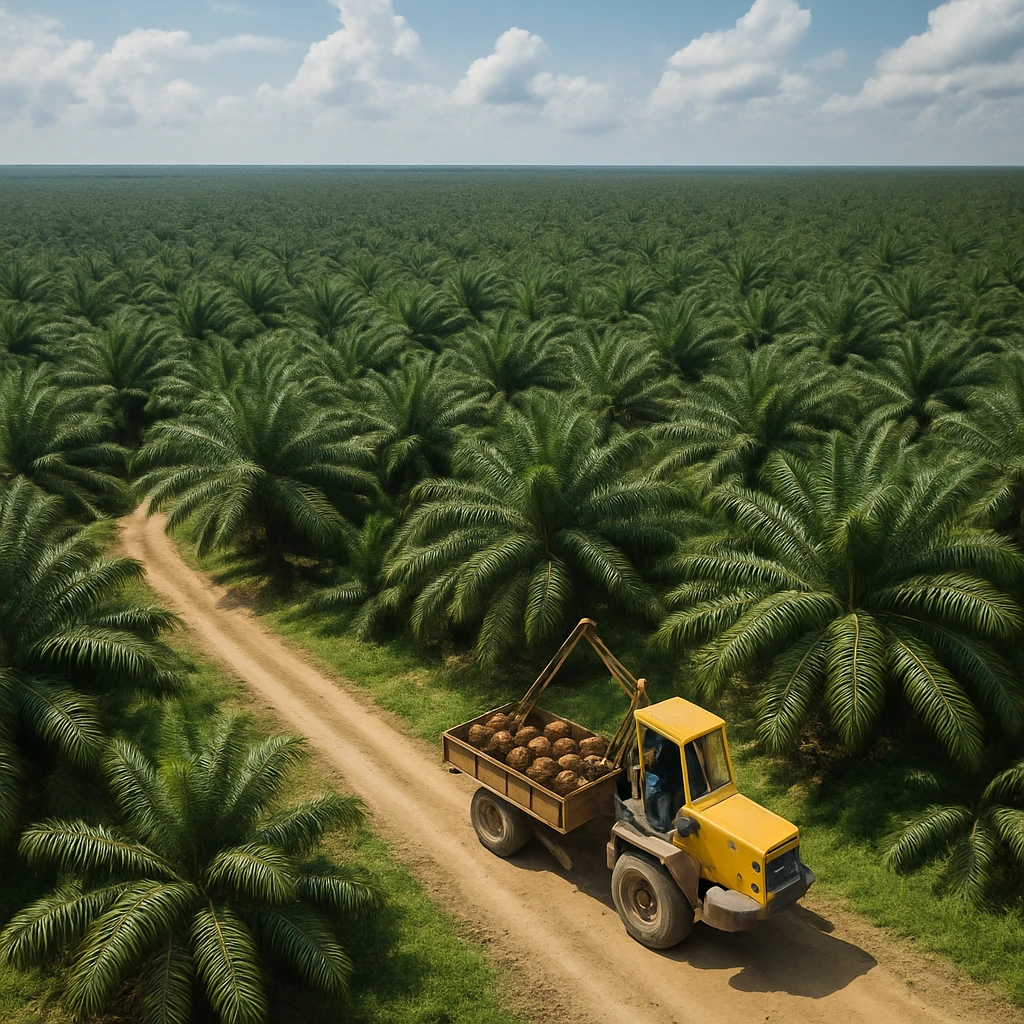
Palm oil futures extended gains on Monday, tracking strength in soybean oil and crude oil markets. The rally pushed prices to a two-week high, supported by bullish momentum in competing vegetable oils and energy markets.
Indonesia's rollout of the B50 biodiesel mandate, announced last week, continues to dominate market sentiment. The policy requires a 50% palm oil-based biodiesel blend, significantly increasing domestic consumption. Analysts estimate the mandate could divert up to $2.7 billion worth of palm oil from export markets, tightening global availability.
Multiple reports confirm the program is now operational, with the government framing it as a key energy security measure to reduce fuel imports. The policy is expected to boost domestic palm oil use by several million tonnes annually, reshaping trade flows.
Indonesia and Russia signed a memorandum of understanding to expand palm oil trade cooperation, potentially opening new export channels for Indonesian producers amid tightening global supply.
Thailand has also tightened palm oil export controls, further constricting regional supply. Meanwhile, EU imports of Malaysian palm oil rose year-on-year, indicating sustained demand from the bloc despite regulatory headwinds.
Soybean oil prices surged to a three-week high, lifted by geopolitical tensions in the US-Iran conflict and rising biofuel demand. Crude oil's advance provided additional support, as higher energy prices improve palm oil's competitiveness as a biodiesel feedstock.
El Niño concerns remain a latent bullish factor, with analysts warning that dry weather could curb production in key growing regions. One research house raised its price forecasts for 2026-27, citing the combined impact of El Niño and Indonesia's biodiesel mandate on supply.
Palm oil prices have rebounded from earlier weakness, but the sustainability of the rally depends on crude oil's trajectory and whether B50 implementation proceeds without logistical bottlenecks. Export volumes will be the key metric to watch.
Takeaway for buyers: Monitor Indonesia's B50 rollout pace and crude oil direction. Any slowdown in mandate enforcement or a drop in energy prices could trigger a correction, but structural supply tightening suggests elevated price floors ahead.
Sources: Finimize; Tempo.co English; energynews.pro; The Jakarta Post; Reuters; Nikkei Asia
Jakarta’s 50% biodiesel mandate reshapes palm oil flows, risking $2.7 billion in export earnings
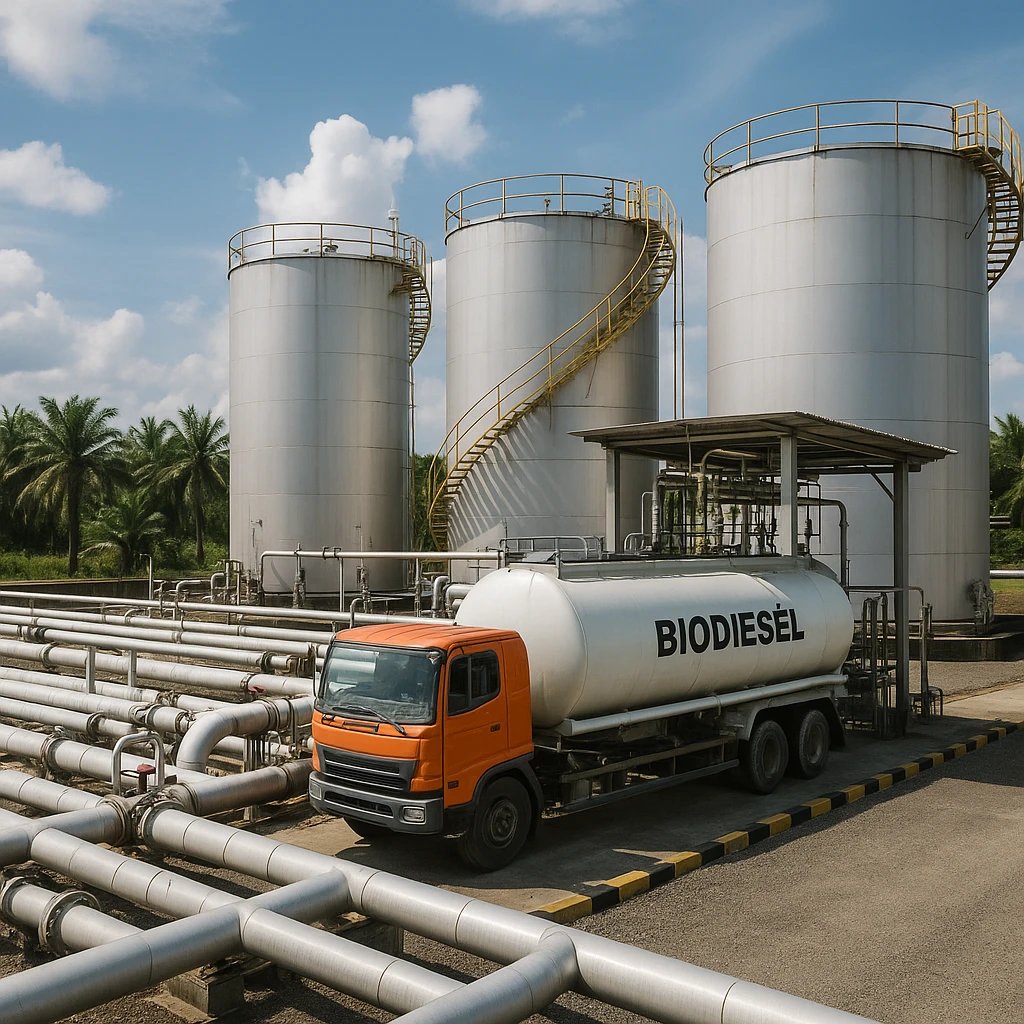
Indonesia’s rollout of the B50 biodiesel mandate is redrawing the supply-demand balance for palm oil, with implications for global trade flows and compliance-minded buyers.
The mandate requires a 50% palm-oil-based biodiesel blend in all diesel fuel sold domestically, sharply increasing local consumption. Analysts estimate the policy could divert palm oil volumes worth roughly $2.7 billion from export markets, as more crude palm oil is processed into biodiesel rather than shipped overseas.
For buyers reliant on Indonesian supply, this means tighter availability and potentially higher premiums for cargoes that remain available for export. The shift is structural, not seasonal, and is expected to persist as long as the mandate is enforced.
The B50 launch coincides with renewed El Niño concerns, which historically curb palm oil yields in Southeast Asia. Combined with rising biodiesel demand, these supply-side pressures have prompted several forecasters to raise price projections for the 2026–27 marketing year.
However, the rally has not been one-directional. A sharp drop in global crude oil prices—below $70 per barrel in late June—has temporarily checked palm oil’s advance. Lower crude values reduce the economic incentive for biodiesel blending, potentially slowing the pace of uptake under B50.
For traders and end-users navigating sustainability mandates and supply security, the key variables are:
The B50 mandate marks a structural shift in Indonesia’s palm oil economy, prioritizing energy self-sufficiency over export revenue. For global buyers, the result is a tighter supply picture, higher baseline prices, and a need for more active risk management.
Palm Oil Economics will continue to monitor policy updates, export data, and blending economics as the mandate takes full effect.
Sources: energynews.pro; The Jakarta Post; Reuters; Nikkei Asia; Bloomberg.com
A practical guide for procurement managers on choosing the right palm oil packaging for order volume and logistics
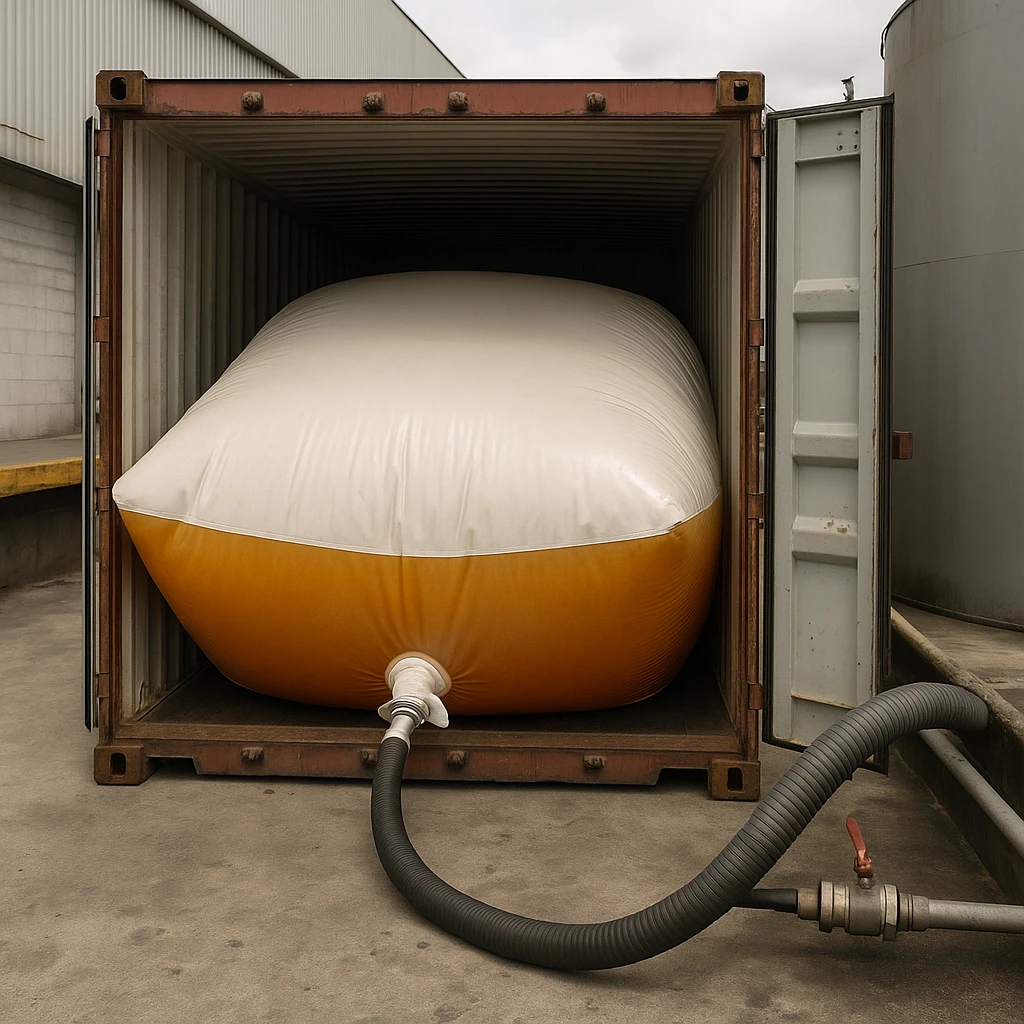
Procurement managers and first-time buyers of palm oil and its derivatives typically face three standard packaging methods: bulk vessels, flexitanks and drums. Each serves a distinct order-size range and carries its own cost, handling and quality considerations.
Bulk vessels are the most economical choice for large volumes, typically from about 1,000 metric tonnes upward. The oil is loaded directly into a ship's tank. This method minimises per-unit packaging cost and reduces waste. However, it requires port-side storage and dedicated receiving infrastructure, such as tanks and pipelines, at the destination.
Flexitanks are large, single-use plastic bladders fitted inside standard 20-foot containers. They hold roughly 16 to 24 tonnes of oil, depending on product density. Flexitanks are suitable for medium-sized orders — from about 16 tonnes up to several hundred tonnes — and offer door-to-door convenience without the need for dedicated storage tanks. They are widely used for refined, bleached and deodorised (RBD) palm olein and other liquid fractions.
Drums — typically 200-litre (55-gallon) steel or plastic containers — are the standard for small orders, often under 16 tonnes. Drums allow easy handling, stacking and re-drumming at destination, and are preferred for specialty products, samples or markets with limited bulk infrastructure. They carry higher per-tonne packaging and freight costs.
Bulk vessels require careful tank-cleaning protocols and segregation between different grades. Cross-contamination risk exists if the vessel previously carried non-edible cargoes.
Flexitanks must be fitted correctly to avoid leakage. They are single-use, so no cleaning is needed, but the container must be structurally sound. Temperature-sensitive products may require insulated containers or heating pads.
Drums are robust but prone to denting and label damage. They require more labour for loading, unloading and disposal. Buyers should specify if drums need to be food-grade, UN-rated or lined.
Per-tonne packaging cost rises sharply from bulk to flexitank to drum. Bulk shipping typically adds about $5–$15 per tonne in packaging and handling. Flexitanks add roughly $30–$60 per tonne. Drums can add $100–$200 per tonne or more, depending on drum type and destination.
Freight cost also varies: bulk vessels charge by tonne-mile, while containerised flexitanks and drums incur per-container rates. For small volumes, drums may be cheaper overall due to lower minimum freight commitments.
First-time buyers should start with the smallest practical packaging to test product quality and logistics. Once demand is stable, they can scale up to flexitanks or bulk to reduce per-tonne cost. Always request a packaging specification sheet from the supplier and confirm that the packaging is compatible with the product's melting point and storage conditions.
Palm oil economics favour bulk for volume, flexitank for flexibility and drums for entry-level orders. The right choice depends on order size, infrastructure and budget.
Our market desk connects serious buyers with vetted origin suppliers across Southeast Asia. Indicative pricing, specifications and shipment guidance — free of charge.
Get connected →Jakarta’s 50% biodiesel mandate reshapes palm oil flows, risking $2.7 billion in export earnings
A practical guide for procurement managers on choosing the right palm oil packaging for order volume and logistics
Benchmark futures hit two-week highs as rival oils and crude climb, while Indonesia's B50 biodiesel mandate tightens domestic supply.
Palm oil futures extended gains on Monday, tracking strength in soybean oil and crude oil markets. The rally pushed prices to a two-week high, supported by bullish momentum in competing vegetable oils and energy markets.
Indonesia's rollout of the B50 biodiesel mandate, announced last week, continues to dominate market sentiment. The policy requires a 50% palm oil-based biodiesel blend, significantly increasing domestic consumption. Analysts estimate the mandate could divert up to $2.7 billion worth of palm oil from export markets, tightening global availability.
Multiple reports confirm the program is now operational, with the government framing it as a key energy security measure to reduce fuel imports. The policy is expected to boost domestic palm oil use by several million tonnes annually, reshaping trade flows.
Indonesia and Russia signed a memorandum of understanding to expand palm oil trade cooperation, potentially opening new export channels for Indonesian producers amid tightening global supply.
Thailand has also tightened palm oil export controls, further constricting regional supply. Meanwhile, EU imports of Malaysian palm oil rose year-on-year, indicating sustained demand from the bloc despite regulatory headwinds.
Soybean oil prices surged to a three-week high, lifted by geopolitical tensions in the US-Iran conflict and rising biofuel demand. Crude oil's advance provided additional support, as higher energy prices improve palm oil's competitiveness as a biodiesel feedstock.
El Niño concerns remain a latent bullish factor, with analysts warning that dry weather could curb production in key growing regions. One research house raised its price forecasts for 2026-27, citing the combined impact of El Niño and Indonesia's biodiesel mandate on supply.
Palm oil prices have rebounded from earlier weakness, but the sustainability of the rally depends on crude oil's trajectory and whether B50 implementation proceeds without logistical bottlenecks. Export volumes will be the key metric to watch.
Takeaway for buyers: Monitor Indonesia's B50 rollout pace and crude oil direction. Any slowdown in mandate enforcement or a drop in energy prices could trigger a correction, but structural supply tightening suggests elevated price floors ahead.