Indonesia’s B50 biodiesel mandate raises supply, cost and food-security questions
Palm oil diversion to fuel, fiscal strain and falling crude prices cloud the outlook for buyers.

Mixed signals as CPO prices rise on firming edible oils and weak ringgit, while Indonesia's B50 rollout and India-China trade deal reshape demand outlook.

Malaysian palm oil futures rebounded on Monday, tracking stronger edible oils and a weaker ringgit, after a volatile week that saw prices swing between gains and losses. The rebound comes despite expectations of inventories hitting a new high, underscoring the tug-of-war between supply pressure and demand optimism.
Crude palm oil export prices have softened in recent sessions, yet India's market remains firm, offering support. Malaysian CPO futures bounced back on the back of firmer rival oils and a softer ringgit, which makes palm more attractive to foreign buyers. The MPOC expects CPO prices to range between MYR4,400 and MYR4,650 per tonne in July, citing a tightening supply outlook.
Indonesia's B50 biodiesel mandate, now being rolled out, is reshaping global palm oil and energy markets. However, analysts warn the policy is risky, raising fiscal and food security concerns, especially as global oil prices have tumbled. The cost strain from lower crude prices could test the viability of the mandate, potentially curbing domestic palm oil consumption.
Meanwhile, India and China have signed an edible oil trade deal to expand soybean oil and meal trade, which could alter competitive dynamics for palm oil in the world's top import markets. The pact may boost soybean oil imports into India, potentially capping palm oil's premium.
The IVPA president highlighted that policy, energy, climate, and geopolitics will influence the global vegetable oil industry. Funds remain heavily bullish on soybean oil, with the July/December inversion nearing 2022 levels, signaling tight near-term supply. This bullishness in soybean oil provides a floor for palm oil prices.
For buyers, the near-term price range appears anchored around MYR4,400-4,650/tonne, but risks are tilted to the downside if B50 implementation falters or if India's shift toward soybean oil accelerates. Watch for weekly export data from Malaysia and Indonesia's biodiesel policy updates for directional cues.
Sources: Finimize; ALCHEMPro; 富途牛牛; TRIPURA STAR NEWS; ChemAnalyst; Jakarta Globe
Palm oil diversion to fuel, fiscal strain and falling crude prices cloud the outlook for buyers.
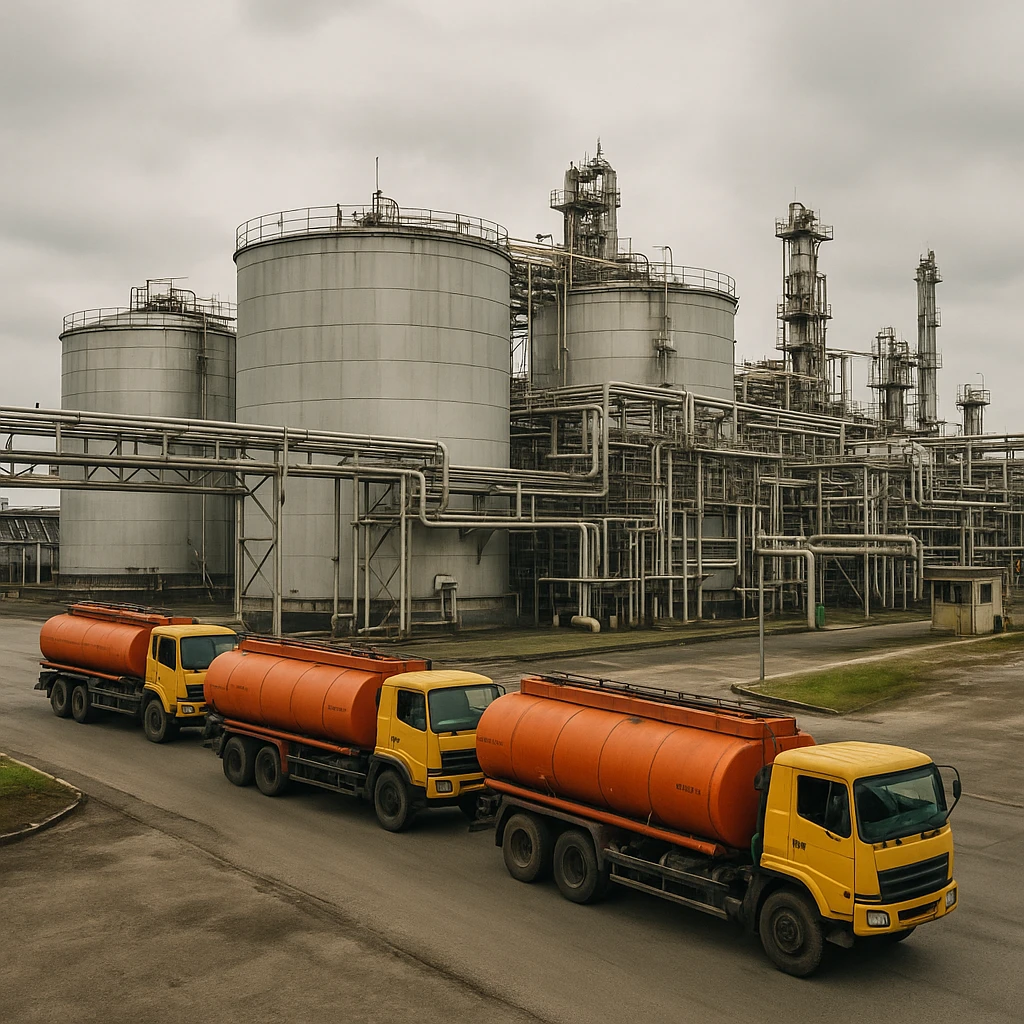
Indonesia has formally rolled out its B50 biodiesel mandate, requiring a 50% palm oil blend in diesel fuel. The policy is the latest escalation in the country’s push to reduce fossil fuel imports and cut carbon emissions, but it is already drawing scrutiny from trade analysts and compliance-minded buyers.
B50 will divert an additional 5–6 million tonnes of crude palm oil annually into the domestic fuel pool, tightening export availability. Industry estimates suggest that even with current production levels, meeting the mandate could absorb nearly all of Indonesia’s expected export surplus. That squeeze is already visible in forward premiums for CPO delivered to Rotterdam and the Indian subcontinent.
Buyers who rely on Indonesian supply for food, oleochemicals or feed applications are now facing higher sourcing costs and longer lead times. Some are accelerating their shift toward Malaysian or Thai origins, though those markets also face their own biodiesel blending targets.
The mandate comes at a time when global crude oil prices have tumbled, eroding the economic case for biodiesel. With Brent crude hovering near multi-year lows, the subsidy required to keep B50 price-competitive at the pump has ballooned. Indonesia’s state-owned fuel retailer is already reporting cost overruns, and the government may be forced to either cap the mandate or increase levies on palm oil exports to fund the gap.
Export levies are a double-edged sword: they raise revenue for the biodiesel subsidy fund but also make Indonesian palm oil more expensive for foreign buyers. Several European and North American refiners have flagged that they are watching the levy situation closely, as any increase could further erode margins.
Domestic food-security advocates have warned that diverting more palm oil to fuel risks pushing up cooking-oil prices in Indonesia, where inflation remains a sensitive political issue. The government has pledged to maintain a domestic market obligation for cooking oil, but traders note that compliance has been uneven in previous mandate cycles.
For international buyers, the key question is whether Indonesia can sustain B50 without triggering a structural deficit in exportable supply. The answer will shape palm oil pricing dynamics for the next 12–18 months.
Palm Oil Economics will continue to track the fiscal mechanics of B50 and their implications for global trade flows.
Sources: TRIPURA STAR NEWS; Jakarta Globe; Indonesia Business Post; MSN; Reuters
How the productivity of millions of independent growers influences availability and cost of sustainable palm oil.
Roughly 40% of global palm oil production comes from smallholder farmers—independent growers cultivating plots of a few hectares. Their output is not a niche; it is a structural pillar of the market. Yet their average yields are significantly lower than those of large plantations, often due to limited access to quality seedlings, fertilisers, and best agricultural practices.
Certified sustainable palm oil (CSPO) requires adherence to strict environmental and social standards. Many smallholders struggle to meet these requirements because certification involves costs for auditing, record-keeping, and continuous improvement. As a result, a large share of smallholder fruit enters the conventional supply chain, not the certified one.
When smallholder yields are low, the total volume of certified palm oil tightens. Procurement managers sourcing CSPO face a smaller pool of compliant material. This can lead to price premiums on certified oil and, in some periods, supply shortages for buyers committed to sustainability goals.
Raising smallholder yields—through better planting material, training, and access to finance—can increase the volume of fruit available for certification without expanding planted area. Higher yields per hectare reduce pressure on forests and improve farmer incomes, making certification more economically viable for them.
Certified-palm supply is not solely determined by large producers. Smallholder productivity is a fundamental variable. For first-time buyers, understanding this relationship clarifies why certified oil is sometimes scarce or expensive—and why investment in smallholder capacity is a strategic market factor, not just a sustainability talking point.
Procurement decisions that account for smallholder dynamics are better positioned to manage risk and ensure consistent access to certified material.
Our market desk connects serious buyers with vetted origin suppliers across Southeast Asia. Indicative pricing, specifications and shipment guidance — free of charge.
Get connected →Palm oil diversion to fuel, fiscal strain and falling crude prices cloud the outlook for buyers.
How the productivity of millions of independent growers influences availability and cost of sustainable palm oil.
Mixed signals as CPO prices rise on firming edible oils and weak ringgit, while Indonesia's B50 rollout and India-China trade deal reshape demand outlook.
Malaysian palm oil futures rebounded on Monday, tracking stronger edible oils and a weaker ringgit, after a volatile week that saw prices swing between gains and losses. The rebound comes despite expectations of inventories hitting a new high, underscoring the tug-of-war between supply pressure and demand optimism.
Crude palm oil export prices have softened in recent sessions, yet India's market remains firm, offering support. Malaysian CPO futures bounced back on the back of firmer rival oils and a softer ringgit, which makes palm more attractive to foreign buyers. The MPOC expects CPO prices to range between MYR4,400 and MYR4,650 per tonne in July, citing a tightening supply outlook.
Indonesia's B50 biodiesel mandate, now being rolled out, is reshaping global palm oil and energy markets. However, analysts warn the policy is risky, raising fiscal and food security concerns, especially as global oil prices have tumbled. The cost strain from lower crude prices could test the viability of the mandate, potentially curbing domestic palm oil consumption.
Meanwhile, India and China have signed an edible oil trade deal to expand soybean oil and meal trade, which could alter competitive dynamics for palm oil in the world's top import markets. The pact may boost soybean oil imports into India, potentially capping palm oil's premium.
The IVPA president highlighted that policy, energy, climate, and geopolitics will influence the global vegetable oil industry. Funds remain heavily bullish on soybean oil, with the July/December inversion nearing 2022 levels, signaling tight near-term supply. This bullishness in soybean oil provides a floor for palm oil prices.
For buyers, the near-term price range appears anchored around MYR4,400-4,650/tonne, but risks are tilted to the downside if B50 implementation falters or if India's shift toward soybean oil accelerates. Watch for weekly export data from Malaysia and Indonesia's biodiesel policy updates for directional cues.