
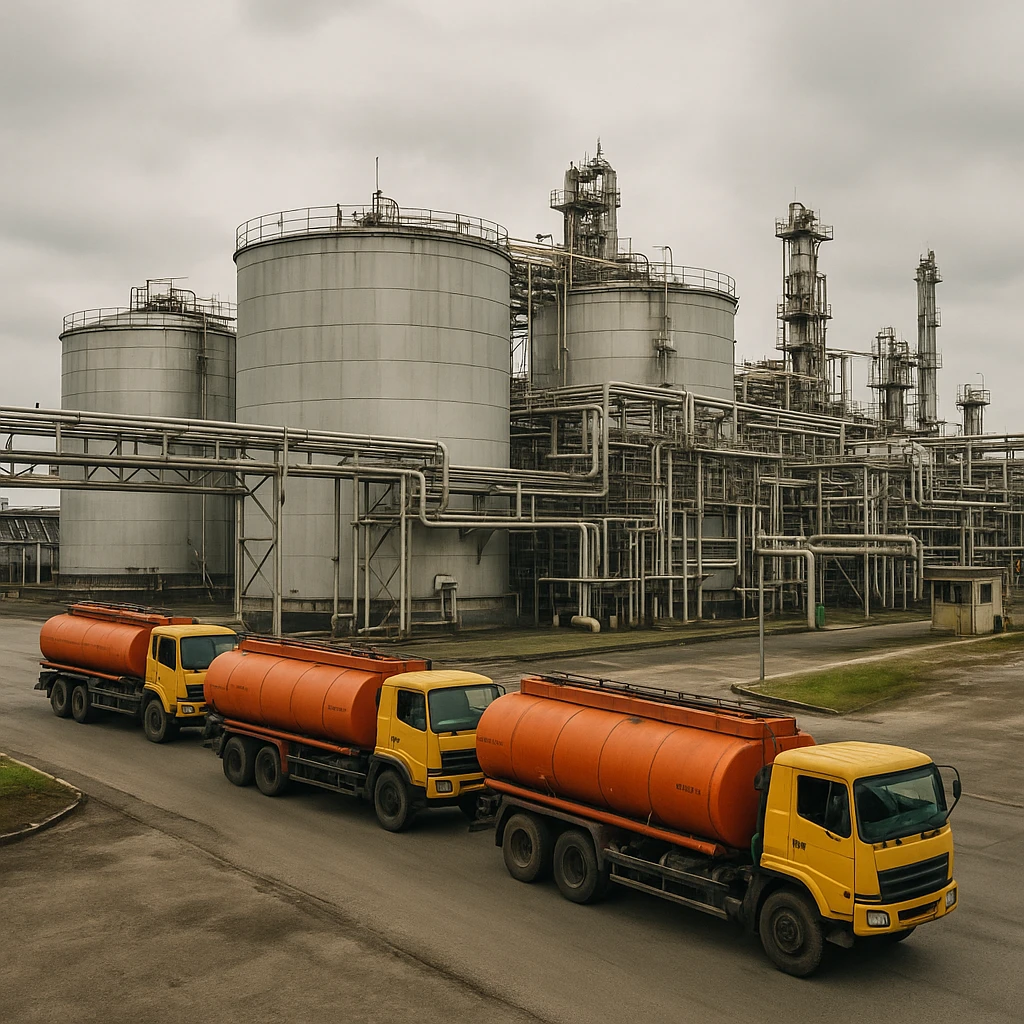
Indonesia has formally rolled out its B50 biodiesel mandate, requiring a 50% palm oil blend in diesel fuel. The policy is the latest escalation in the country’s push to reduce fossil fuel imports and cut carbon emissions, but it is already drawing scrutiny from trade analysts and compliance-minded buyers.
Supply and demand pressures
B50 will divert an additional 5–6 million tonnes of crude palm oil annually into the domestic fuel pool, tightening export availability. Industry estimates suggest that even with current production levels, meeting the mandate could absorb nearly all of Indonesia’s expected export surplus. That squeeze is already visible in forward premiums for CPO delivered to Rotterdam and the Indian subcontinent.
Buyers who rely on Indonesian supply for food, oleochemicals or feed applications are now facing higher sourcing costs and longer lead times. Some are accelerating their shift toward Malaysian or Thai origins, though those markets also face their own biodiesel blending targets.
Fiscal and crude-oil headwinds
The mandate comes at a time when global crude oil prices have tumbled, eroding the economic case for biodiesel. With Brent crude hovering near multi-year lows, the subsidy required to keep B50 price-competitive at the pump has ballooned. Indonesia’s state-owned fuel retailer is already reporting cost overruns, and the government may be forced to either cap the mandate or increase levies on palm oil exports to fund the gap.
Export levies are a double-edged sword: they raise revenue for the biodiesel subsidy fund but also make Indonesian palm oil more expensive for foreign buyers. Several European and North American refiners have flagged that they are watching the levy situation closely, as any increase could further erode margins.
Food-versus-fuel debate resurfaces
Domestic food-security advocates have warned that diverting more palm oil to fuel risks pushing up cooking-oil prices in Indonesia, where inflation remains a sensitive political issue. The government has pledged to maintain a domestic market obligation for cooking oil, but traders note that compliance has been uneven in previous mandate cycles.
For international buyers, the key question is whether Indonesia can sustain B50 without triggering a structural deficit in exportable supply. The answer will shape palm oil pricing dynamics for the next 12–18 months.
What compliance-minded buyers should watch
- Export levy adjustments: Any increase will directly affect landed costs.
- Crude oil price trajectory: Lower crude weakens biodiesel economics and may force mandate rollbacks.
- Domestic consumption data: Monthly CPO absorption for fuel will signal how much supply is actually being diverted.
Palm Oil Economics will continue to track the fiscal mechanics of B50 and their implications for global trade flows.