Policy Watch: Indonesia B50 Launch, India Import Curbs Reshape Palm Oil Demand
Indonesia's B50 rollout and India's Nepal import scrutiny shift palm oil trade flows and compliance dynamics.

Malaysian CPO holds at $1,101/MT despite higher output; market weighs biofuel demand, Indian imports, and dry Kalimantan weather.
Malaysian crude palm oil futures settled at about $1,101 per metric ton (RM 4,498) on August 2, down 0.3% from the previous session, as the market consolidated after a crude-led rebound earlier in the week. The global benchmark hovered near $1,105, while Indonesia's reference price stood at about $1,030, reflecting a slight discount for the world's largest producer.
The latest MPOB data for June 2026 showed Malaysian CPO production at 1,638,777 tonnes, up 8.1% month-on-month, while closing stocks rose 3.7% to 1,332,697 tonnes. Exports increased 5.7% to 1,198,567 tonnes, but imports surged 135.3% to 103,113 tonnes, suggesting some arbitrage flows into Malaysia. The FFB reference price slipped 1.3% to RM 48.90.
These figures point to a well-supplied market, with peak production season underway. Stocks are building, which caps upside potential for prices in the near term.
Indian edible oil imports fell 30% in June, with palm and soybean oil shipments dropping sharply, according to industry data. However, reports indicate that imports are expected to surge from July through October as supplies tighten before the festive season. India is also seeking sunflower oil alternatives amid Black Sea disruptions, which could support palm demand.
Meanwhile, Indonesia's B50 biodiesel programme, launched in July, continues to underpin structural demand for palm oil as a fuel feedstock. The RBI has flagged biofuel production as a key driver of edible oil prices, linking it to Indonesia's mandate. Brent crude held steady at about $90 per barrel, keeping biodiesel economics broadly supportive.
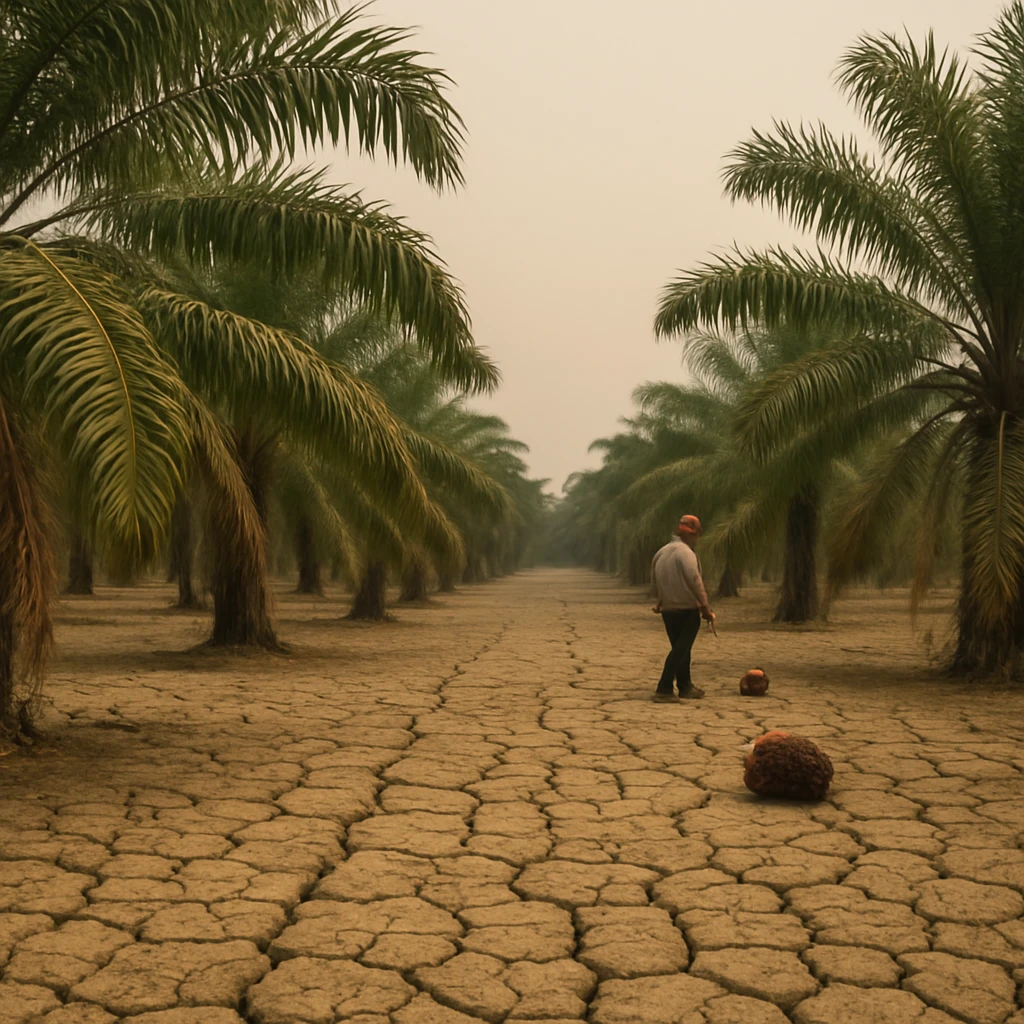
ENSO conditions remain in El Niño territory, with an ONI of +1.0. Kalimantan is experiencing notably dry weather, which could threaten future production in Indonesia. However, current output remains robust, and the market is not yet pricing in supply stress.
The Indonesian rupiah slipped against the dollar, trading around 18,024 per dollar, pressured by weaker China manufacturing data. A softer rupiah can make Indonesian exports more competitive, but it also raises import costs for other buyers.
Our model outlook suggests CPO is in a near-term consolidation phase with a mild upward bias from seasonal firming and Indian demand. However, peak production and ample stocks are likely to cap gains. The market remains sensitive to crude oil movements, as well as any shifts in Chinese demand or currency dynamics.
Buyers should monitor the El Niño-driven dryness in Kalimantan, as any escalation could tighten supply expectations. Also watch Indian import pace ahead of festivals, and whether crude oil can sustain its rebound. Finally, keep an eye on the rupiah and ringgit exchange rates, which directly affect dollar-denominated prices.
Sources: Bitcoin World; ChemAnalyst; bernama; Oils & Fats International; Business Recorder; Finimize
Indonesia's B50 rollout and India's Nepal import scrutiny shift palm oil trade flows and compliance dynamics.

Palm oil markets are navigating a complex policy landscape as Indonesia's B50 biodiesel programme and India's import policy shifts reshape demand patterns.
Indonesia's B50 biodiesel programme
Indonesia officially launched its B50 biodiesel programme in mid-July, a significant step in the country's push to increase domestic palm oil consumption. The mandate, which requires a 50% palm oil blend in biodiesel, is expected to absorb a substantial portion of Indonesia's palm oil output, potentially tightening global export availability. However, the programme's success hinges on crude oil prices, which have recently fallen below $70 per barrel, undermining the economic competitiveness of biodiesel versus fossil diesel. Lower crude prices reduce the incentive for blending, and markets are repricing the biodiesel story accordingly. This dynamic could slow the pace of B50 implementation or require subsidies to sustain demand.
India's import policy concerns
In India, the central bank has linked the broad-based rise in edible oil prices to biofuel use, citing Indonesia's B50 mandate as a contributing factor. This has heightened concerns among domestic producers about import competition. The Indian Vegetable Oil Producers' Association (IVPA) has sought curbs on duty-free edible oil imports from Nepal, which have become a growing concern. Nepal, leveraging preferential trade agreements, can export refined palm oil to India duty-free, undercutting local refiners. The policy debate in India reflects broader tensions between domestic industry protection and trade commitments. Any restrictions on Nepalese imports could tighten supplies in the Indian market, potentially supporting regional palm oil prices.
Implications for buyers
For compliance-minded buyers, these developments underscore the need to monitor policy shifts closely. Indonesia's B50 mandate could reduce export availability, while India's import policy changes may alter demand patterns. The recent crude oil price slump adds another layer of complexity, as it affects the economic viability of biodiesel mandates and, consequently, the demand for palm oil in the energy sector. Buyers should also consider currency dynamics, as the rupiah's weakness against the dollar could influence Indonesian export competitiveness.
Market outlook
Our model outlook suggests CPO is in a near-term consolidation phase with mild upward bias from seasonal firming and Indian demand, but capped by peak production and ample stocks. The policy developments add uncertainty, with the crude-led rebound and China slowdown posing headwinds. Buyers should stay agile amid these shifting policy and energy dynamics.
Sources: AgroSpectrum India; livemint.com; livemint.com; Business Standard; Oils & Fats International
A neutral look at how palm stearin and tallow stack up on cost, performance, and supply for formulators.
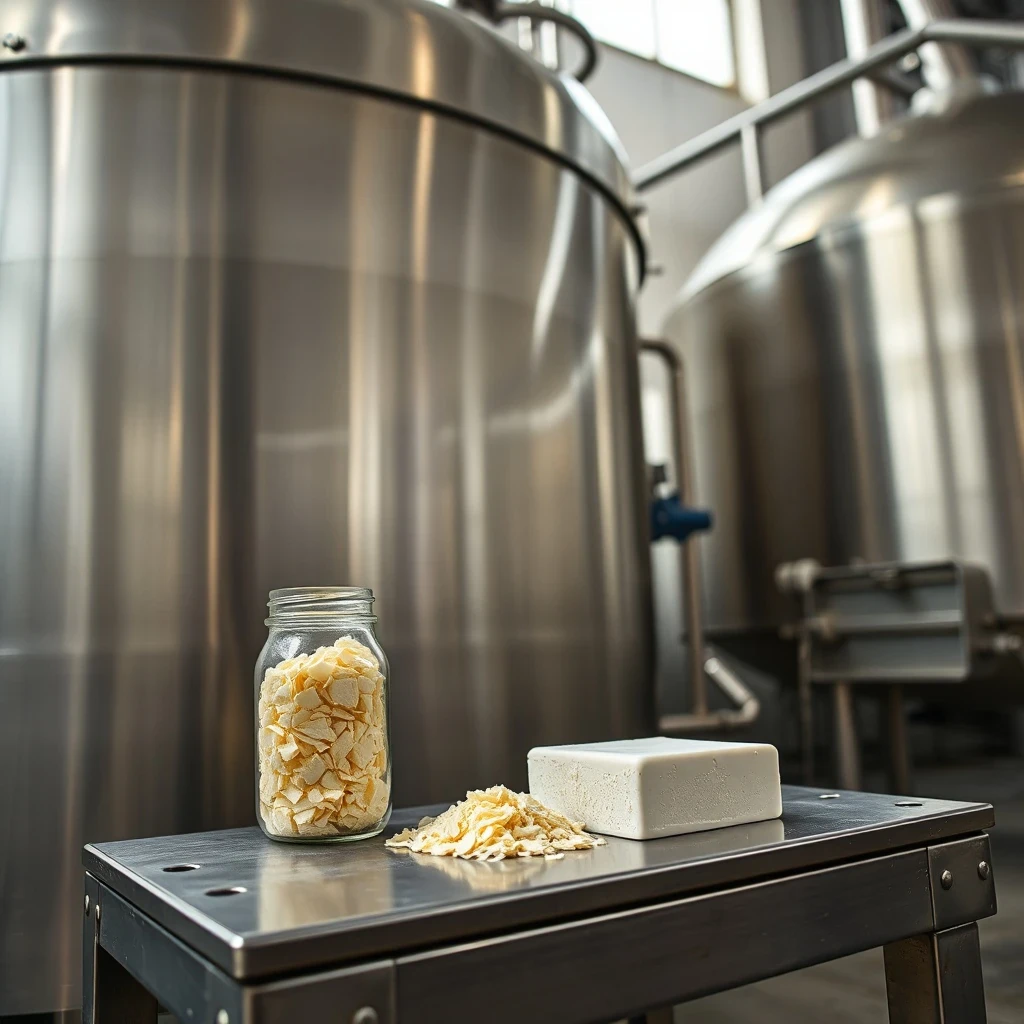
Industrial buyers choosing a hard fat often narrow the field to two very different options: palm stearin, the solid fraction of refined palm oil, and tallow, the rendered fat from animal processing. Both deliver the firm texture and melting profile that margarines, shortenings, frying fats, and specialty fats require, but they arrive at that function through different supply chains and with different trade-offs.
Palm stearin is a vegetable fat produced in large volumes in Southeast Asia, with output closely tied to the palm oil refining industry. Its price tends to track crude palm oil and is influenced by weather, planting cycles, and biodiesel demand. Tallow is a by-product of the meat industry, so its availability depends on livestock slaughter rates and rendering capacity. In many markets, tallow has historically traded at a discount to palm stearin, but that gap narrows when meat demand is weak or when biofuel mandates pull tallow into renewable diesel feedstocks. Buyers should watch both vegetable oil and animal protein markets, as they are increasingly linked through energy policy.
Palm stearin is highly versatile because its iodine value can be adjusted during fractionation, giving formulators a range of melting points and solid fat contents. It is neutral in flavor and color, which suits products where a clean taste is essential. Tallow offers a distinct beefy note and a steep melting curve, which can be an advantage in traditional frying applications but a drawback in neutral-tasting consumer goods. Tallow also tends to have better oxidative stability in some frying conditions, though both fats require proper refining and antioxidant management.
In bakery shortenings and puff pastry, palm stearin is often preferred for its consistent plasticity and lack of animal-derived connotations. Tallow remains a staple in institutional frying, certain biscuit fillings, and industrial pastry where its flavor profile is either acceptable or desired. Plant-based and halal-certified product lines generally rule out tallow, pushing those formulators toward palm stearin or other vegetable hard stocks. Conversely, operations seeking a low-cost, high-stability frying medium with a familiar taste may find tallow more economical.
Palm stearin faces scrutiny over deforestation and peatland conversion, though certified sustainable palm oil programs offer traceability options. Tallow avoids land-use concerns but raises animal-welfare and religious dietary questions, and its carbon footprint depends on livestock production systems. Regulations on trans fats have pushed both fats into re-formulation, as partially hydrogenated oils are phased out, making these natural hard fats more relevant.
Choose palm stearin when you need a neutral, adjustable hard fat for consumer-facing products or when plant-based and religious certifications matter. Choose tallow when cost is the priority, the flavor is compatible, and your supply chain can tolerate animal-derived inputs. In many cases, blending the two can optimize both cost and function, so trial work with your supplier is advisable before committing to a single source.
Our market desk connects serious buyers with vetted origin suppliers across Southeast Asia. Indicative pricing, specifications and shipment guidance — free of charge.
Get connected →Indonesia's B50 rollout and India's Nepal import scrutiny shift palm oil trade flows and compliance dynamics.
A neutral look at how palm stearin and tallow stack up on cost, performance, and supply for formulators.
Malaysian CPO holds at $1,101/MT despite higher output; market weighs biofuel demand, Indian imports, and dry Kalimantan weather.
Malaysian crude palm oil futures settled at about $1,101 per metric ton (RM 4,498) on August 2, down 0.3% from the previous session, as the market consolidated after a crude-led rebound earlier in the week. The global benchmark hovered near $1,105, while Indonesia's reference price stood at about $1,030, reflecting a slight discount for the world's largest producer.
The latest MPOB data for June 2026 showed Malaysian CPO production at 1,638,777 tonnes, up 8.1% month-on-month, while closing stocks rose 3.7% to 1,332,697 tonnes. Exports increased 5.7% to 1,198,567 tonnes, but imports surged 135.3% to 103,113 tonnes, suggesting some arbitrage flows into Malaysia. The FFB reference price slipped 1.3% to RM 48.90.
These figures point to a well-supplied market, with peak production season underway. Stocks are building, which caps upside potential for prices in the near term.
Indian edible oil imports fell 30% in June, with palm and soybean oil shipments dropping sharply, according to industry data. However, reports indicate that imports are expected to surge from July through October as supplies tighten before the festive season. India is also seeking sunflower oil alternatives amid Black Sea disruptions, which could support palm demand.
Meanwhile, Indonesia's B50 biodiesel programme, launched in July, continues to underpin structural demand for palm oil as a fuel feedstock. The RBI has flagged biofuel production as a key driver of edible oil prices, linking it to Indonesia's mandate. Brent crude held steady at about $90 per barrel, keeping biodiesel economics broadly supportive.
ENSO conditions remain in El Niño territory, with an ONI of +1.0. Kalimantan is experiencing notably dry weather, which could threaten future production in Indonesia. However, current output remains robust, and the market is not yet pricing in supply stress.
The Indonesian rupiah slipped against the dollar, trading around 18,024 per dollar, pressured by weaker China manufacturing data. A softer rupiah can make Indonesian exports more competitive, but it also raises import costs for other buyers.
Our model outlook suggests CPO is in a near-term consolidation phase with a mild upward bias from seasonal firming and Indian demand. However, peak production and ample stocks are likely to cap gains. The market remains sensitive to crude oil movements, as well as any shifts in Chinese demand or currency dynamics.
Buyers should monitor the El Niño-driven dryness in Kalimantan, as any escalation could tighten supply expectations. Also watch Indian import pace ahead of festivals, and whether crude oil can sustain its rebound. Finally, keep an eye on the rupiah and ringgit exchange rates, which directly affect dollar-denominated prices.